What Happens if You Total a Financed Motorcycle?
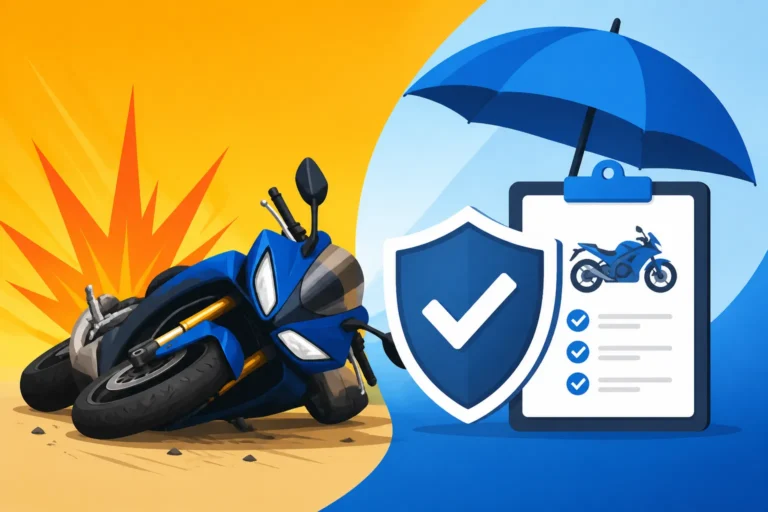
Riding a motorcycle offers unparalleled freedom, but the thought of an accident, especially one that totals your beloved bike, is a nightmare. Add a loan into the mix, and suddenly, that dream ride can become a crushing financial burden, leaving you without a bike but still on the hook for payments. This guide is here to walk you through exactly what happens if your financed motorcycle is declared a total loss, providing clarity on your insurance, your loan, and your options moving forward.
Understanding the "Totaled" Designation for Your Financed Bike
When your motorcycle suffers significant damage, your insurance company will conduct an assessment to determine if it's economically feasible to repair it. This isn't just about whether it can be fixed, but whether it should be, from a financial perspective. For many riders, the moment their bike is deemed "totaled" is a gut punch, but understanding the mechanics behind this decision is the first step in navigating the aftermath, especially when a lender is involved.
How Insurers Determine a Total Loss
The term "total loss" often conjures images of a completely mangled bike, twisted metal, and shattered components. While severe damage certainly qualifies, a total loss declaration isn't always about the sheer extent of the destruction. Instead, insurers operate on a "total loss threshold," which varies by state and by company, but generally means that if the cost of repairing the motorcycle reaches a certain percentage of its Actual Cash Value (ACV), it's deemed totaled. For example, some states set this threshold around 70-80% of the ACV. If your motorcycle is worth $10,000, and repairs are estimated at $7,500, even if it's technically repairable, it would likely be totaled because the repair cost exceeds the 75% threshold.
This threshold exists to prevent insurers from spending more on repairs than the bike is actually worth. Imagine a scenario where a rider has an older, custom Harley-Davidson that, while still functional, has a relatively low ACV due to its age. A seemingly minor accident — say, a bent frame, damaged forks, and cosmetic fairing damage — could quickly rack up repair estimates that easily cross that 70% mark. Even if the rider feels the bike is reparable and holds immense sentimental value, the insurance company will follow their financial guidelines. This is a crucial distinction that often catches riders off guard, as they might expect their bike to be fixed, only to find it declared a total loss.
The Role of Actual Cash Value ACV
At the heart of the total loss calculation is the Actual Cash Value (ACV) of your motorcycle. Simply put, ACV is what your bike was worth in the market right before the accident, considering factors like depreciation, condition, mileage, and prior damage. It's not what you paid for it, and it's definitely not what it would cost to buy a brand-new replacement. When the insurance company determines your bike's ACV, they're looking at comparable sales in your area, industry guides, and the overall condition of your specific motorcycle.
The challenge, especially with a financed bike, is that ACV almost always depreciates faster than you pay down your loan. You might have bought a brand-new Kawasaki Ninja for $12,000, financed over five years. After just a year, with a few thousand miles on it, that bike might only have an ACV of $9,000. If you still owe $11,000 on the loan, and then it's totaled, the insurance payout will be based on that $9,000 ACV, not your loan balance. This gap between the insurance payout and your outstanding loan balance is where many riders run into significant financial trouble. It’s a harsh reality that your shiny new ride can quickly lose value, making the financial hit of a total loss even more painful. Knowing your bike's ACV and how it's calculated is vital information for understanding your potential exposure.
The Financial Reality Check: What You Owe vs. What You Get
This is where the rubber meets the road, or rather, where the rubber didn't meet the road because your bike is now a total loss. When your motorcycle is financed, you don't fully own it; your lender holds the lien. This fundamental fact dictates how everything unfolds after a total loss. The cold hard truth is that while your bike might be gone, your obligation to the lender is not.
The "Gap" in Your Coverage
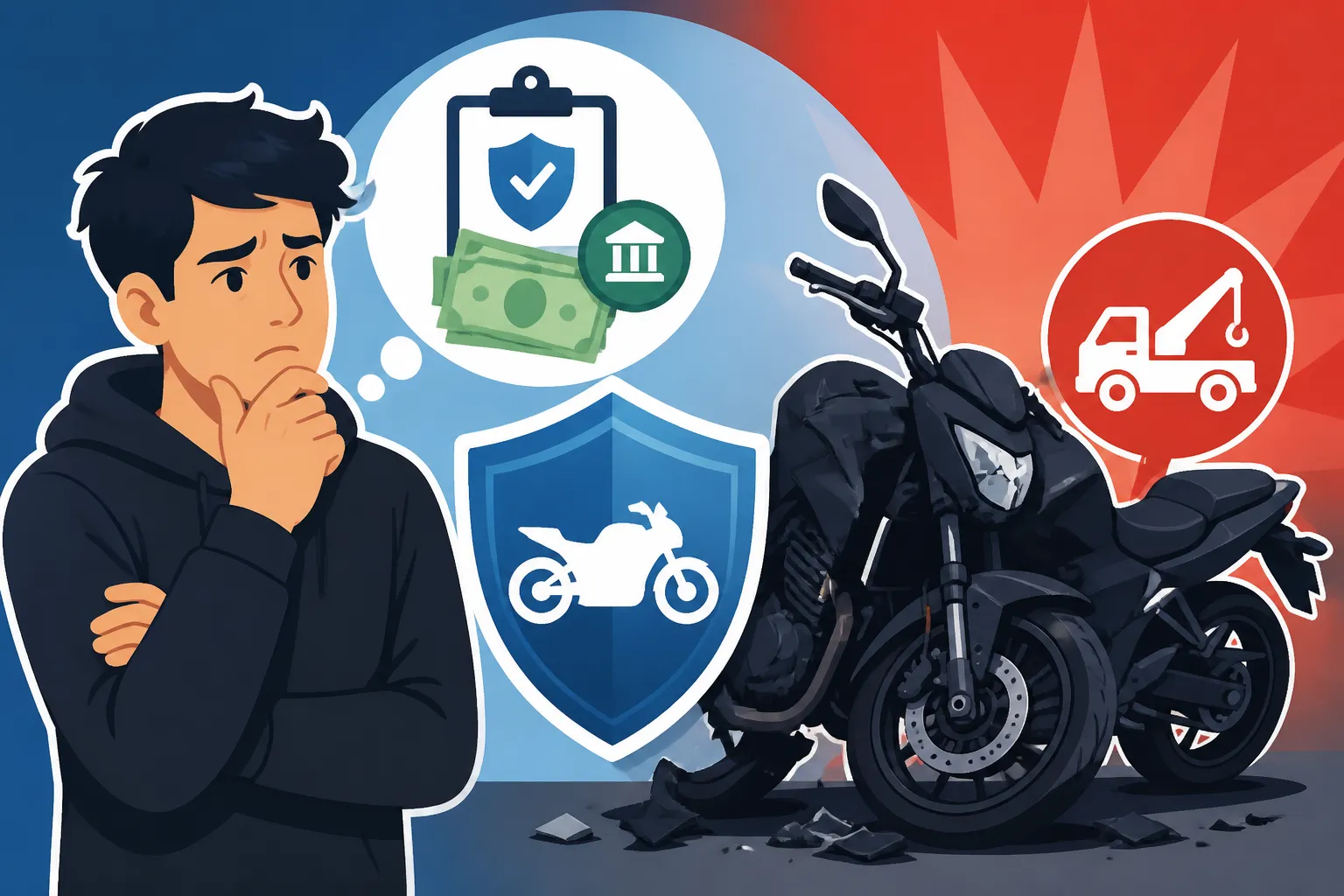
The term "gap" isn't just jargon; it's a very real financial chasm that can swallow your budget whole. This gap arises because of the difference between your motorcycle's Actual Cash Value (ACV) – what your insurance will pay out – and your outstanding loan balance. Let's walk through a common scenario: you bought a new Harley-Davidson Street Glide for $25,000. You put down $2,000 and financed $23,000 over 60 months. A year later, you have an unfortunate accident, and your bike is declared a total loss. By now, its ACV might only be $20,000 due to depreciation, while your loan balance, even after a year of payments, could still be $21,000.
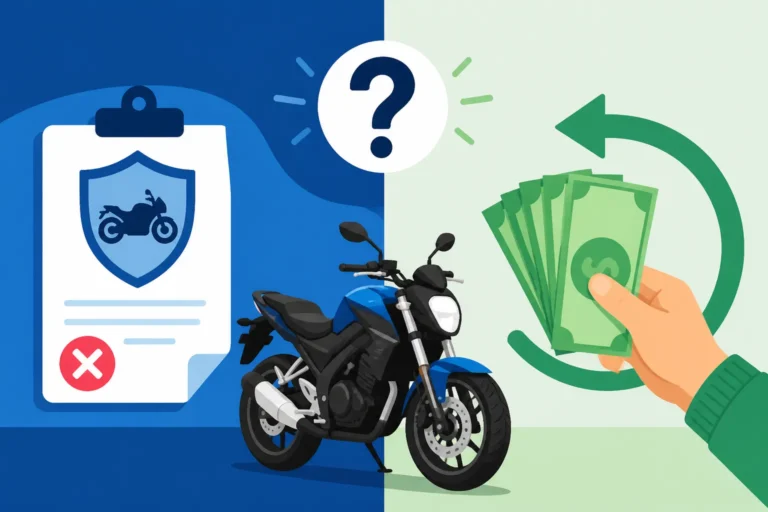
In this situation, your insurance company will cut a check for $20,000, which goes directly to your lender. But you still owe $1,000 on a bike that no longer exists. This $1,000 is the "gap," and without specific coverage, you're responsible for it out of pocket. This can be an incredibly frustrating and financially devastating position, as you're making payments for something you can no longer ride. It's a classic case of being "upside down" on your loan, and it’s surprisingly common, especially with new motorcycles that depreciate quickly or loans with minimal down payments and extended terms.
Why Your Loan Doesn't Disappear with the Bike
It's a common misconception, especially among newer riders, that if their motorcycle is totaled, the loan somehow disappears with it. Unfortunately, that's not how it works. Your motorcycle loan is a separate contractual agreement between you and your financial institution, be it a bank, credit union, or the dealership's financing arm. This contract states that you will repay the full amount borrowed, plus interest, regardless of what happens to the collateral (your motorcycle). The insurance policy, on the other hand, is a contract between you and the insurer, designed to cover damages up to a certain limit.
When your financed motorcycle is totaled, your insurance company will send the payout directly to your lienholder first. They are the primary beneficiary of the claim because they have a vested interest in the collateral. If the insurance payout is less than what you owe on the loan, you are still legally obligated to pay the remaining balance to your lender. This means you could be faced with continuing monthly payments for a motorcycle you no longer possess. It’s an incredibly tough pill to swallow and can put a huge strain on your finances, particularly if you were planning on using that insurance payout to purchase a new bike. Understanding Financial Responsibility Laws for Riders is crucial here, as these laws ensure that there are safeguards in place regarding your obligations.
The Lifesaver You Might Be Missing: Gap Insurance
Given the harsh reality of being upside down on a loan after a total loss, there's one specific type of coverage that can be an absolute lifesaver: Gap insurance. It's often overlooked or declined during the excitement of purchasing a new bike, but its value becomes undeniable in the unfortunate event of a total loss.
What Gap Insurance Covers
Gap insurance, or Guaranteed Asset Protection insurance, is specifically designed to cover the "gap" we just talked about – the difference between your motorcycle's Actual Cash Value (ACV) and the outstanding balance of your loan. It’s not just a nice-to-have; for many riders, especially those who finance a significant portion of their bike's cost, it's a financial shield. For instance, if your insurance company pays out $15,000 for your totaled bike, but you still owe $18,000, Gap insurance would step in to cover that $3,000 difference. This means you walk away from the totaled bike without having to dig into your savings or take out another loan to cover a deficit.
It's important to remember that Gap insurance only kicks in if the bike is deemed a total loss by your primary comprehensive or collision coverage. It won't pay for repairs, nor will it cover your deductible, missed payments, or an extended warranty. Its sole purpose is to bridge that negative equity between the insurance settlement and your loan balance, providing a critical layer of financial protection. I always tell new riders to seriously consider it, because depreciation can hit fast, leaving you vulnerable much sooner than you think. You can also explore options for Do You Need Gap Insurance on a Motorcycle? as you plan your purchase.
When Gap Insurance Is Most Beneficial
Gap insurance isn't universally necessary for every rider, but it's particularly beneficial in specific situations. If you purchased a brand-new motorcycle, put down a small down payment (or no down payment at all), or financed your bike for a longer term (e.g., 60 or 72 months), you are highly susceptible to being upside down on your loan for a significant period. New motorcycles depreciate rapidly the moment they leave the dealership lot, and longer loan terms mean your principal balance decreases slowly, exacerbating the "gap."
Additionally, if you rolled negative equity from a previous loan into your current motorcycle financing, Gap insurance becomes almost non-negotiable. It's also a smart move if you're financing a high-performance sport bike or a specialized touring motorcycle, as these can sometimes have higher initial costs and variable depreciation rates depending on the market. While some dealerships offer Gap insurance as part of the financing package, it's often more affordable to purchase it directly from your insurance provider or a third-party company. For example, when I was shopping for my last bike, I used services like The Zebra to compare not just my primary coverage but also to see if I could find a more competitive rate for Gap insurance alongside my regular policy. It paid off, saving me a few bucks compared to the dealer's offer. Always shop around to ensure you're getting the best value for this essential protection.
Navigating the Insurance Claim Process with a Financed Motorcycle
Dealing with the aftermath of a motorcycle accident is stressful enough, but when your bike is financed and declared a total loss, the claim process adds another layer of complexity. You’re not just dealing with your insurer; you’re also managing expectations with your lender. Knowing the steps can help alleviate some of the pressure.
Notifying Your Lender and Insurer
The moment your motorcycle is damaged, and especially if you suspect it could be a total loss, your first priority (after ensuring your safety and reporting the accident to the authorities, of course) should be to notify both your insurance company and your lender. Delaying notification to either party can create unnecessary headaches and potentially complicate your claim. Your insurance company needs to initiate the claim, dispatch an adjuster, and begin their assessment. For a detailed guide on initial steps, refer to How to File a Motorcycle Insurance Claim.
Simultaneously, you need to inform your lienholder about the accident and that a total loss claim is being processed. They have a financial interest in the motorcycle and will want to be kept in the loop. Provide them with your insurance claim number and your adjuster's contact information. They might also request specific paperwork, such as a copy of the police report or the insurance company's initial damage estimate. It might feel like a lot to do while you're still recovering, but prompt and transparent communication with both entities is crucial to a smoother process. Imagine dealing with a major insurer like Progressive; they'll appreciate you keeping them and your lender informed from the get-go.
The Payout Process: Who Gets What and When
Once your insurance company officially declares your motorcycle a total loss and determines its Actual Cash Value (ACV), the payout process begins. This is where having a financed bike makes things a bit different. The insurance check for the ACV will not be sent directly to you. Instead, it will be issued to your lienholder – the bank or financial institution that holds your motorcycle loan. This is because the lienholder is the primary party with a financial interest in the vehicle until the loan is fully paid off.
Here’s how it typically breaks down:
- Insurer assesses ACV and declares total loss.
- Insurer contacts your lender to confirm the outstanding loan balance.
- Insurer sends the ACV payout directly to the lender.
- Lender applies the insurance money to your loan balance.
At this point, one of two things will happen:
- If the ACV payout covers the entire loan balance (or more): The lender will clear your loan. If there's any remaining money after the loan is paid off, the lender will then send that surplus directly to you. This is the best-case scenario and often happens if you've had the bike for a while and paid down a significant portion of the loan, or if your bike held its value exceptionally well.
- If the ACV payout is less than the loan balance: The lender will apply the insurance funds to your loan, but a remaining balance, or "gap," will persist. You, the rider, are then responsible for paying that remaining balance directly to the lender. This is where Gap insurance becomes invaluable, as it would step in to cover this shortfall. Without it, you’re left making payments on a bike you no longer own. The process for How to Negotiate a Motorcycle Total Loss Settlement can also be complex, so understanding this flow helps manage expectations.
Dealing with a Shortfall Without Gap Insurance
Facing a shortfall after your financed motorcycle is totaled, especially without Gap insurance, is a tough spot to be in. Suddenly, you have no bike, but you still have a debt hanging over your head. This situation can be incredibly stressful, and it’s important to understand your options, however limited they may be. The remaining balance on your loan is now an unsecured debt, meaning there's no physical asset (the bike) backing it up.
Your first step should be to contact your lender and discuss the situation transparently. Many financial institutions understand these circumstances and might be willing to work with you. Options could include:
- Payment Plan: You might be able to negotiate a manageable payment plan for the remaining balance. This could involve lower monthly payments over an extended period, or even a temporary deferment, depending on your lender's policies and your financial hardship.
- Personal Loan: Some riders choose to take out a small personal loan to cover the gap. While this effectively pays off the old motorcycle loan, it simply shifts the debt to a new lender, potentially with different interest rates and terms. This should be carefully considered to avoid further financial strain.
- Paying Out of Pocket: If you have emergency savings, using them to clear the remaining balance might be the quickest and least stressful option, preventing you from incurring further interest charges on a non-existent asset.
- Negotiating a Settlement: In some rare cases, if the shortfall is small, or if you can demonstrate extreme financial hardship, you might be able to negotiate a partial settlement with your lender. They might agree to accept a lump sum that is slightly less than the full amount owed, just to close the account.
This period can be incredibly challenging, both emotionally and financially. It’s a stark reminder of the financial risks of financing a depreciating asset without adequate protection like Gap insurance. For more on different types of coverage, review Types of Motorcycle Insurance Coverage Explained.
Your Options and Next Steps After a Total Loss
So, your financed bike is totaled, and the insurance claim is settled. What now? This juncture presents several pathways, each with its own considerations. It’s a chance to make informed decisions that can help you move forward, whether that means getting back on two wheels or handling the financial fallout responsibly.
Buying Back the Salvage If Applicable
When your motorcycle is declared a total loss, your insurance company takes ownership of the vehicle in exchange for the payout. However, in some cases, you might have the option to "buy back" the salvage from them. This means you pay the insurance company a certain amount (which they deduct from your settlement) to retain ownership of the damaged bike.
This option is typically considered if:
- Sentimental Value: Your bike holds significant sentimental value, and you're determined to restore it, even if it costs more than its worth.
- Repair Expertise: You possess the skills and resources to repair the bike yourself at a much lower cost than a professional shop.
- Parts Bike: You intend to use the bike for parts for another project.
Be aware that buying back a totaled motorcycle comes with significant implications. Once an insurer declares a total loss, the bike will receive a "salvage title." This title designates the vehicle as having been damaged to the extent that it was deemed uneconomical to repair by an insurer. Getting a salvage title cleared and re-titled as "rebuilt" (if you repair it) can be a lengthy and expensive process involving inspections and certifications. Furthermore, finding insurance for a motorcycle with a salvage title can be very difficult, and often more expensive, as insurers view them as higher risk. Always weigh the emotional appeal against the financial and logistical challenges of owning a salvage vehicle. It's a complex decision that often goes beyond simple numbers.
Getting a New Ride And Avoiding the Same Mistakes
After the dust settles from a total loss, many riders naturally turn their thoughts to a new motorcycle. This is an opportunity to apply the lessons learned from the previous experience, especially concerning financing and insurance. Before you even start browsing dealerships, take a deep dive into your finances and thoroughly research depreciation for the models you're considering. Remember, a bike's value can drop dramatically in the first year.
Here are some key considerations:
- Re-evaluate Financing: If you're planning to finance again, consider a larger down payment to reduce your loan-to-value ratio from the start. This lessens the likelihood of being upside down on your loan. Explore shorter loan terms if possible, which also helps build equity faster.
- Prioritize Gap Insurance: If you're financing a new or nearly new bike, make Gap insurance a non-negotiable part of your financial plan. As discussed, it's the best protection against a financial shortfall after a total loss.
- Shop for Insurance First: Before committing to a specific bike, get insurance quotes. The type of motorcycle (sport bike vs. cruiser), your age, riding history, and even your location will significantly impact your rates. For instance, the cost to insure a powerful sport bike like a Yamaha R1 can be vastly different from a more modest cruiser. Using comparison tools like those offered by The Zebra can help you compare quotes from multiple providers, including major players like Progressive, allowing you to factor insurance costs into your total budget before you buy. Knowing What Affects Your Motorcycle Insurance Rate? can help you make a more informed choice.
- Understand Coverage Options: Take the time to understand all your coverage options, not just liability. Consider comprehensive and collision for physical damage to your new bike, and don't forget Uninsured/Underinsured Motorist coverage. This comprehensive approach ensures you're adequately protected against various scenarios.
Making informed choices now can save you a world of financial pain down the road.
Handling the Lien and Title Transfer
Even after your insurance claim is paid and the financial gap (if any) is addressed, there's still some crucial administrative work to finalize the process of a totaled, financed motorcycle. This involves ensuring the lien is properly removed and the title is transferred. If the insurance company took possession of your totaled motorcycle, they are responsible for working with your lender to get the lien released and transferring the title into their name (or their salvage buyer’s name).
However, you should always follow up to ensure this process is completed correctly. Request a lien release letter from your lender once the full loan amount has been satisfied (either by the insurance payout, Gap insurance, or your out-of-pocket payment). This letter proves that you no longer owe money on the motorcycle and that the lien has been discharged. This is incredibly important for your credit history and to prevent any future issues.
If you bought back the salvage, the process is slightly different. The insurer will typically transfer the title to you with a "salvage" brand. You'll then need the lien release from your lender to prove you own it outright, even if it's totaled. Make sure to keep all documentation related to the accident, the insurance claim, the loan payoff, and the title transfer. These records can be invaluable if any questions arise in the future regarding the vehicle's history or your credit. It's the final, often overlooked, step that ensures a clean break from the totaled motorcycle. This due diligence ensures you comply with Proof of Insurance & Registration for Motorcycles requirements for any future bikes.
Total Loss Scenarios for Financed Motorcycles: A Comparison
To give you a clearer picture, let's look at how two different scenarios play out when a financed motorcycle is totaled.
| Scenario Feature | Without Gap Insurance | With Gap Insurance |
|---|---|---|
| Motorcycle Value | New Sport Bike: Purchased for $18,000 | New Sport Bike: Purchased for $18,000 |
| Down Payment | $1,000 | $1,000 |
| Loan Term | 60 Months | 60 Months |
| Loan Balance (Accident) | $16,500 (after 1 year of payments) | $16,500 (after 1 year of payments) |
| Actual Cash Value (ACV) | $14,000 (due to depreciation) | $14,000 (due to depreciation) |
| Insurance Payout | $14,000 (to lender) | $14,000 (to lender) |
| Loan Remaining | $2,500 ($16,500 – $14,000) | $2,500 ($16,500 – $14,000) |
| Your Out-of-Pocket Cost | $2,500 (You owe this to the lender for a bike you no longer have) | $0 (Gap insurance covers the $2,500 shortfall) |
| Financial Impact | Significant financial stress, making payments on a non-existent bike, potential credit impact. | Minimal financial impact, no unexpected debt, can focus on getting a new bike. |
| Next Steps | Negotiate payment plan with lender, or pay out of savings for the $2,500 deficit. | Clear of debt, ready to explore options for a new motorcycle. |
This table clearly illustrates how Gap insurance acts as a safety net, protecting your finances from the unexpected depreciation of your motorcycle. For more on ensuring your bikes are properly covered, check out Motorcycle Insurance Requirements for Financed Bikes.
Disclaimer
Please remember that this article provides general information and guidance. Insurance policies, laws, and financial situations vary greatly. It is always recommended to consult with a qualified insurance professional and your lender to understand your specific policy details, state regulations, and financial obligations.