How Much Is Motorcycle Insurance for a 25 Year Old?
Turning 25 is often seen as a milestone for riders—finally escaping those ridiculously high insurance premiums that plague younger folks. But let's be real, even at 25, the cost of motorcycle insurance can still feel like a punch to the gut, leaving you wondering if you'll ever find an affordable policy. This comprehensive guide is here to shed light on exactly what a 25-year-old can expect to pay for motorcycle insurance, why those numbers are what they are, and practical strategies to significantly reduce your rates.
Understanding the Baseline: Why Age 25 Matters for Motorcycle Insurance
Ah, 25. For many, it's the magical age when car insurance rates suddenly dip, leading to a sigh of relief. And while it's true that motorcycle insurance generally follows a similar trend, it's not a complete free pass from higher premiums. Insurers still view riders in their mid-twenties with a certain degree of caution, though certainly less than a fresh-faced 18-year-old. This age often represents a transition period where you’re past the riskiest youthful years, but perhaps haven’t accumulated decades of pristine riding history.
The "Young Rider" Perception and Risk Factors
Insurance companies operate on risk assessment, plain and simple. They look at statistical data, and unfortunately for younger riders, the data often points to a higher likelihood of accidents and claims. While 25 is better than 19, you're still considered relatively "young" in the eyes of many actuaries. Factors like limited riding experience, a tendency towards higher-performance bikes, and even just the exuberance of youth can all contribute to this perception. It's not personal; it's just how the numbers crunch.
They're not just guessing; they're looking at accident statistics for different age groups. Riders under 25, particularly those with less than a few years of riding experience, statistically have a higher incidence of accidents than older, more seasoned riders. This isn't to say every 25-year-old is a reckless speed demon, but the collective data influences how insurance companies set their base rates. They have to factor in the aggregated risk associated with an age bracket, and 25 still falls into a category where the learning curve for motorcycle riding is often steeper, and decision-making can be less cautious than someone who's been riding for 20 years.
The Sweet Spot: When Rates Start to Drop
The good news is that 25 is a stepping stone. You're entering a "sweet spot" where rates begin to stabilize and often decrease, especially if you have a clean driving record and some years of riding under your belt. Most insurers see a significant drop in risk once a rider hits 25, and then again as they approach 30 and beyond. This is when driving experience truly starts to accumulate, and insurers perceive a greater level of maturity and responsibility.
Think of it as graduating from one risk tier to another. While you might have seen a small dip when you turned 21, the real noticeable change often comes at 25, and then continues to improve into your 30s, 40s, and even 50s, assuming your record stays clean. This is why it's so important to maintain an impeccable driving and riding history during these formative years. Every year of incident-free riding acts as a powerful argument for lower premiums. You're building a track record that demonstrates you're a responsible rider, which directly translates to savings.
Average Costs for 25-Year-Old Riders and What to Expect
Let's get down to the numbers. Pinpointing an exact average for a 25-year-old is tough because so many variables are at play. However, based on industry data, you might be looking at an average annual premium anywhere from $700 to $2,500 or more, which breaks down to roughly $58 to $208 per month. This wide range truly underscores how personalized motorcycle insurance pricing is. A 25-year-old in a rural area with a cruiser will pay vastly different rates than a 25-year-old in a big city with a brand new sport bike.
It's crucial to remember that these are just averages. Your actual rate could be lower or higher depending on the specific choices you make and your personal circumstances. For a more detailed look at typical costs across different scenarios, you might find our guide on How Much Is Motorcycle Insurance? 2026 Cost Guide really helpful. It breaks down various factors that contribute to the overall price tag.
Regional Variations and Their Impact
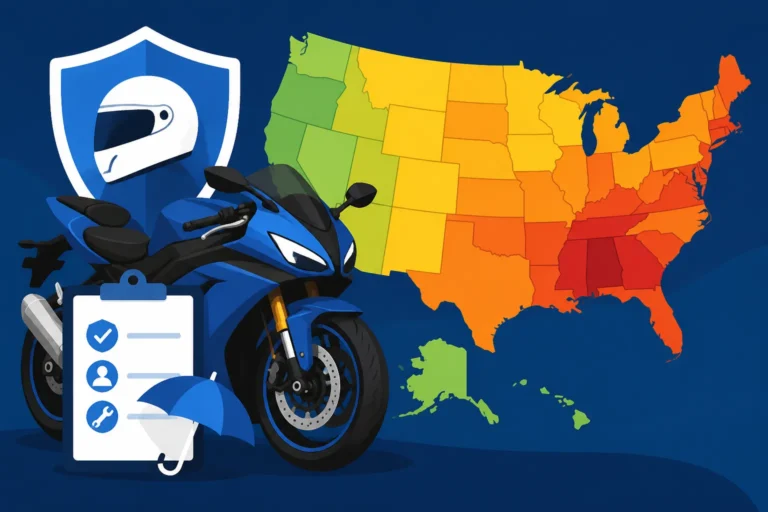
Where you live has a surprisingly huge impact on your motorcycle insurance premium. States like California and Florida, for example, tend to have higher overall rates due to factors like population density, higher rates of accidents, higher theft rates, and even the longer riding seasons. Conversely, states with fewer riders or lower traffic density, like those in the Midwest, might see significantly lower premiums.
Within a state, even your specific ZIP code matters. Living in a densely populated urban area, say Miami, Florida, with higher traffic congestion and theft rates, will almost certainly result in higher premiums than living in a quiet suburban or rural town outside of Orlando. Insurers use these localized statistics to fine-tune their pricing, reflecting the actual risks present in your immediate environment. It's not just about the state average; it's about the block you live on. Our article on Average Motorcycle Insurance Cost by State delves deeper into these geographical differences.
Bike Type and Engine Size: A Major Factor
The motorcycle you choose to ride is one of the most significant factors influencing your insurance premium, especially when you're 25. Insurers categorize bikes based on their risk profile. Sport bikes, with their high performance capabilities and higher theft rates, almost always command the highest premiums. Cruisers and standard bikes, on the other hand, are generally much cheaper to insure because they are perceived as lower risk.
For a 25-year-old, opting for a 600cc sport bike like a Yamaha R6 or a Kawasaki Ninja will likely result in a much higher premium compared to a 650cc cruiser like a Honda Rebel or a Kawasaki Vulcan. The engine size (CCs) plays a role, particularly for sport bikes, where larger engines usually mean higher speeds and, therefore, higher risk in the eyes of an insurer. If you're looking at specific models, you might want to check out our articles like Sport Bike Insurance Cost Why So High or Cruiser Motorcycle Insurance Cost for a more in-depth comparison.
Here’s a general idea of how bike types might affect a 25-year-old's annual insurance costs, assuming a clean record and average coverage:
| Motorcycle Type | Example Models | Estimated Annual Premium Range (25-Year-Old) |
|---|---|---|
| Sport Bike | Yamaha R6, Kawasaki Ninja 650 | $1,500 – $4,000+ |
| Cruiser | Honda Rebel 500, Harley Iron | $700 – $1,800 |
| Standard/Naked | Kawasaki Z650, Yamaha MT-07 | $800 – $2,000 |
| Touring | Harley Street Glide, Honda Gold Wing | $1,000 – $2,500 |
| Dual-Sport/Adventure | BMW GS, Kawasaki KLR650 | $800 – $1,900 |
Note: These are estimates. Your actual costs will vary based on all contributing factors.
Key Factors That Influence Your 25-Year-Old Motorcycle Insurance Rate
Beyond your age and location, many other elements come into play when insurance companies calculate your premium. Understanding these factors can empower you to make more informed decisions and potentially save some cash. It's not just a random number; there's a method to the madness, even if it feels unfair sometimes. Our guide on What Affects Your Motorcycle Insurance Rate offers a broader perspective on these influences.
Riding History and Experience
This is a big one. At 25, you might have a few years of riding under your belt, or you might be a brand-new rider just getting your endorsement. The more years of licensed, insured riding experience you have, especially if it’s accident-free, the better your rates will be. Insurers love stability and predictability. A rider with five years of clean riding history at 25 is perceived as less risky than someone who just got their license last month, even if they're both the same age.
Accidents and traffic violations, especially those related to speed or reckless driving, will significantly increase your premiums. A single speeding ticket or a minor fender-bender on your record can negate the age advantage you gain at 25. Maintaining a spotless record is the single best way to ensure your rates continue to trend downwards. If you've recently taken a motorcycle safety course, that can often count towards demonstrating your commitment to safe riding, potentially earning you a discount.
Coverage Choices and Deductibles
The type and amount of coverage you select are huge determinants of your premium. Just looking for the absolute minimum liability coverage to ride legally will be much cheaper than opting for a comprehensive policy with higher limits and additional coverages. However, cheaper isn't always better, especially when it comes to motorcycles.
- Liability Coverage: This is the basic requirement in most states and covers damages and injuries you cause to others. Your state's minimum requirements, like 25/50/25 in many places (meaning $25,000 per person for bodily injury, $50,000 per accident for bodily injury, and $25,000 for property damage), are often not enough. Increasing these limits, while costing a bit more, offers far greater protection.
- Collision Coverage: This pays for damage to your own motorcycle if you hit another vehicle or object, or if you lay the bike down. Essential for newer or financed bikes.
- Comprehensive Coverage: This covers non-collision incidents like theft, vandalism, fire, or hitting an animal. Given the high theft rate for motorcycles, this is often a must-have.
- Uninsured/Underinsured Motorist (UM/UIM): Crucial for motorcycle riders, as many car drivers on the road carry only minimum liability or no insurance at all. This protects you if they're at fault and can't cover your damages.
- Deductibles: This is the amount you pay out-of-pocket before your insurance kicks in. A higher deductible (e.g., $1,000) will result in a lower premium, but means you'll pay more upfront if you have a claim. A lower deductible (e.g., $250 or $500) means higher premiums but less out-of-pocket during a claim. For a detailed explanation of what a comprehensive policy entails, check out What Does Full Coverage Motorcycle Insurance Mean?.
Credit Score and Driving Record
While some states restrict how much insurers can use credit scores, in most places, your credit history plays a role. Insurers use what's called a "credit-based insurance score" to predict the likelihood of you filing a claim. A good credit score often correlates with lower premiums, as it suggests financial responsibility. Conversely, a poor credit score could lead to higher rates.
Your overall driving record, not just on a motorcycle, is also scrutinized. If you have multiple speeding tickets, DUIs, or other major violations in your car, those will absolutely impact your motorcycle insurance rates. Insurers see you as a "driver" first, and your habits across all vehicles are taken into account. It's all about demonstrating a consistent history of responsible behavior behind the handlebars or the wheel. If your record isn't perfect, understanding the Penalties for Riding Without Insurance can provide a stark reminder of why it's so important to stay covered and safe.
Smart Strategies to Lower Your Motorcycle Insurance Premiums at 25
Now for the good stuff: how to potentially slash those premiums! While you can't magically fast-forward your age, there are plenty of actionable steps you can take to make motorcycle insurance more affordable, even at 25.
Leveraging Discounts
Discounts are your best friend when trying to lower insurance costs. Don't be shy about asking your insurance provider about every single discount they offer, because many won't automatically apply them. You might be surprised by what you qualify for. Some common discounts include:
- Motorcycle Safety Course Discount: Completing an approved motorcycle safety course (like the Motorcycle Safety Foundation's Basic RiderCourse) can often lead to a significant discount, typically 10-15%. This not only makes you a safer rider but also tells insurers you're serious about honing your skills. It's often one of the easiest and most impactful ways to save. Find out more in Does a Motorcycle Safety Course Lower Insurance?.
- Multi-Policy Discount: If you bundle your motorcycle insurance with your car insurance, home insurance, or renter's insurance with the same company, you can usually save a good chunk of change on both policies.
- Safe Rider/Good Driver Discount: A clean driving record for a certain period (e.g., 3-5 years) can earn you a discount. This is where your good habits truly pay off.
- Anti-Theft Device Discount: Installing an alarm system, GPS tracker, or even just using a high-quality disc lock can earn you a discount, as it reduces the risk of theft.
- Paid-in-Full Discount: Paying your entire annual premium upfront, instead of monthly installments, often comes with a small discount.
- Association Discounts: Belonging to certain motorcycle clubs, riding associations (like AMA), or even alumni groups might qualify you for special rates.
- Loyalty Discount: Staying with the same insurer for several years can sometimes lead to a loyalty discount, though it's always worth comparing rates periodically.
Shopping Around and Comparing Quotes
This is perhaps the single most effective strategy, especially for a 25-year-old. Different insurance companies have different underwriting models and risk appetites. What one company considers a high risk, another might view more favorably. Never settle for the first quote you get. Getting multiple quotes from various providers is absolutely essential to finding the best rate for your specific situation.
Online comparison tools can be a lifesaver here. Websites like The Zebra allow you to input your information once and receive multiple quotes from different carriers, saving you a ton of time and effort. This allows you to quickly compare apples to apples and see which insurer offers the most competitive rate for your age, bike, and desired coverage. Don't be afraid to try both large national carriers (like Progressive or Geico) and smaller, specialized motorcycle insurers (like Dairyland or Markel) – their pricing structures can vary wildly. Our article on How to Compare Motorcycle Insurance Quotes provides an excellent step-by-step guide on this process.
When you're comparing, pay close attention not just to the final price, but to what each policy actually covers. A cheaper policy might have significantly lower liability limits or fewer comprehensive features, leaving you exposed in a worst-case scenario. Ensure you're comparing similar coverage levels across all quotes.
Choosing the Right Bike
We touched on this earlier, but it's worth reiterating. If you're still in the market for a motorcycle, your choice of bike is a powerful lever you can pull to control insurance costs. At 25, the allure of a powerful sport bike is strong, but so are the insurance premiums that come with it. Opting for a cruiser, a standard bike, or even a smaller displacement dual-sport will almost invariably result in lower insurance rates.
Consider bikes that are generally seen as less risky:
- Cruisers: Brands like Harley-Davidson (some models), Indian, and many Japanese cruisers (Honda Shadow, Yamaha VStar) are often cheaper to insure.
- Standard/Naked Bikes: These offer good performance without the "sport bike" premium, often lacking the aggressive styling that insurers associate with higher risk.
- Adventure/Dual-Sport Bikes: Many of these bikes are built for versatility, not outright speed, making them more affordable to insure.
Think about your primary use for the motorcycle. If you're commuting or just enjoying leisurely weekend rides, a high-performance sport bike might be overkill and unnecessarily expensive to insure. A more practical, lower-risk bike can save you hundreds, if not thousands, of dollars each year, making motorcycling a more sustainable passion in the long run. If you're aiming for the cheapest options, our guide on the Cheapest Motorcycle to Insure Top Picks can offer some great suggestions.
Navigating motorcycle insurance at 25 doesn't have to be an overwhelming ordeal. By understanding the factors that influence your rates, actively seeking out discounts, and diligently comparing quotes from multiple providers like those found on The Zebra, you can find a policy that protects you without breaking the bank. Ride safe, keep that record clean, and enjoy the open road!
Disclaimer
This article is for general informational purposes only and does not constitute professional advice. Laws, prices and regulations vary by location and change over time. Consult a qualified professional for guidance on your specific situation.