Kawasaki Vulcan Insurance Cost
Trying to figure out how much it's going to cost to insure your Kawasaki Vulcan can feel like trying to hit a moving target, especially when you're just looking for a straightforward answer. You've found the perfect cruiser, maybe even a sportier S model, and now you're faced with the next big question: what kind of dent will insurance make in your wallet? It's a common frustration, and honestly, the answer isn't a simple fixed number. This guide is here to break down the complexities, give you a realistic idea of what to expect, and show you how to navigate the insurance landscape for your beloved Kawasaki Vulcan without feeling overwhelmed.
Understanding Kawasaki Vulcan Insurance Costs
When you're looking at insuring a Kawasaki Vulcan, whether it's the nimble Vulcan S, the classic Vulcan 900, or a powerful Vulcan 1700, you're looking at a machine that generally falls into the cruiser category. This is often good news for your wallet compared to insuring a high-performance sport bike. However, "good news" doesn't mean "cheap," and there are still a ton of variables at play. The true cost hinges on a mix of the specific model, your personal riding profile, and the level of coverage you choose. It’s never a one-size-fits-all situation, and that can be a real headache when you’re just trying to budget.
Average Insurance Rates for Vulcan Models
Let's talk numbers, or at least ranges, because averages can be a little tricky. For a standard Kawasaki Vulcan, like a Vulcan 900 Classic or a Vulcan S, you might typically expect to pay anywhere from $300 to $800 per year for basic liability coverage. However, if you opt for full coverage, which includes collision and comprehensive, those numbers can easily jump to $700 to $1,500 annually, or even more depending on where you live and your rider history. These are broad strokes, of course, and your actual quote could be higher or lower.
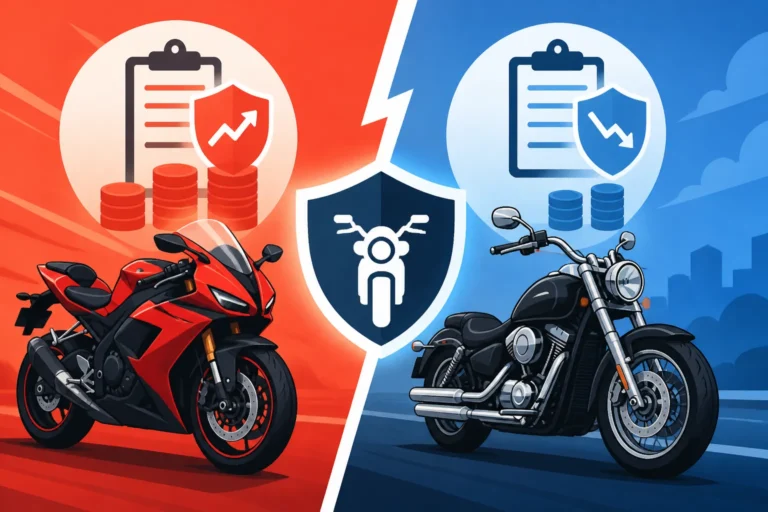
For example, a newer Kawasaki Vulcan S, with its slightly sportier leanings compared to a traditional cruiser, might trend a bit higher than a classic Vulcan 900, simply due to perceived risk factors like performance capabilities and typical rider demographics. The 1700cc models, being larger and more expensive, will also inherently have higher comprehensive and collision costs because there's more value to protect. It's not just about the engine size; it's about the entire package – the bike's value, its typical usage, and even its theft rate in certain areas. Different states also have wildly different average costs, so what you pay in say, Ohio, might be a world apart from what a rider in Florida pays. For a more general overview of how different bikes are priced, you might find our guide on Motorcycle Insurance Cost by Bike Type helpful.
Factors Driving Vulcan Insurance Premiums
It’s easy to get fixated on the bike itself, but honestly, you, the rider, are often the biggest variable in the insurance equation. Insurance companies are all about assessing risk, and a significant chunk of that risk is tied directly to who's holding the handlebars.
Your age plays a huge role. Younger, less experienced riders, particularly those under 25, statistically face higher premiums because they are deemed more likely to be involved in accidents. As riders mature and gain experience, their rates often decrease. You can learn more about this in our article about Motorcycle Insurance Cost by Age. Then there's your riding record. A clean record with no accidents or traffic violations is gold. Even a single speeding ticket or minor fender bender can significantly push your rates skyward, as it flags you as a higher risk. Where you live also matters – urban areas often have higher theft rates and more traffic, leading to higher premiums than rural areas. Even the seemingly small details, like whether you park your Vulcan in a secure garage overnight or on the street, can subtly influence your quote. Insurance providers look at everything!
Key Factors Influencing Your Kawasaki Vulcan Insurance Quote
Beyond just the model and your age, there's a whole basket of detailed elements that insurance companies scrutinize when calculating your premium. Understanding these can empower you to not only anticipate costs but also make informed decisions to potentially save money. It's all about playing the long game with your riding finances.
Rider Profile and Experience
Let's dig a bit deeper into what "rider profile" really means. It's not just your age; it's also your years of riding experience. A seasoned rider with decades on two wheels is generally seen as less of a risk than someone who just got their motorcycle endorsement last month. If you're a newer rider, consider taking a Motorcycle Safety Foundation (MSF) course. Not only does it make you a safer, more skilled rider, but many insurers offer discounts for completing such courses. It's a win-win!
Your driving record, both on two wheels and four, is a massive factor. Accidents, traffic violations like speeding tickets, or even a DUI can drastically increase your insurance premiums for years. If you've had a few bumps or tickets, you'll likely see higher rates. Maintaining a clean record is one of the most effective ways to keep your insurance costs down over time. It shows the insurance company that you're a responsible operator, and they'll reward that with better rates.
The Specific Vulcan Model and Its Characteristics
While Vulcans are generally considered cruisers, which tend to be cheaper to insure than sport bikes, there are nuances within the Vulcan line itself. A Vulcan S, for example, is often marketed as a more approachable, slightly sportier cruiser, making it popular with newer riders. While this popularity is great, it can sometimes mean a slightly higher risk profile in the eyes of an insurer compared to a heavier, more traditional cruiser like the Vulcan 900 Classic, which might appeal to a more mature demographic.
The engine size (CCs) also plays a role, albeit less dramatically for cruisers than for sport bikes. A larger engine like the 1700cc found in some Voyager or Vaquero models might suggest more power, and thus potentially higher risk, though this is often offset by the fact that these larger bikes are typically used for touring by experienced riders. The year of your Vulcan matters too; a brand new 2024 model will have a higher replacement value than a 2010 model, driving up comprehensive and collision costs. Finally, if you've added a lot of custom parts or accessories to your Vulcan – think custom paint, upgraded exhaust, or expensive saddlebags – you'll want to ensure you have adequate Accessories & Custom Parts Coverage Explained, which will, naturally, add to your premium. For a more detailed breakdown of what contributes to your rate, take a look at our article, What Affects Your Motorcycle Insurance Rate?.
Coverage Choices and Deductibles
This is where you have a lot of control over your premium. Every state has minimum liability requirements for motorcycles, and this is the absolute bare-bones coverage. It pays for damages and injuries you cause to other people and their property in an accident. But let's be real, those minimums are often woefully inadequate if you're involved in a serious incident.
| Coverage Type | What it Covers | Impact on Premium |
|---|---|---|
| Liability | Damage & injuries you cause to others/their property. (Required by most states) | Moderate |
| Collision | Damage to your Vulcan from an accident, regardless of fault. | High |
| Comprehensive | Damage to your Vulcan from non-collision events (theft, fire, vandalism, animal strikes, weather). | Moderate to High |
| Uninsured/Underinsured Motorist (UM/UIM) | Your costs if an at-fault driver has no insurance or too little. | Low to Moderate |
| Medical Payments (MedPay) | Medical expenses for you or your passengers, regardless of fault. | Low |
| Roadside Assistance | Towing, flat tire service, fuel delivery. | Low |
Choosing to go beyond basic liability to what's often called "full coverage" (which typically includes collision and comprehensive) significantly increases your premium, but it also provides crucial protection for your own bike. For a full dive into what these coverages mean, check out Types of Motorcycle Insurance Coverage Explained and Liability Coverage for Motorcycles Explained.
Your deductible also plays a big role. This is the amount you pay out of pocket before your insurance kicks in for collision or comprehensive claims. A higher deductible (e.g., $1,000) means a lower premium, because you're taking on more of the initial risk. Conversely, a lower deductible (e.g., $250 or $500) will result in a higher premium. It's a balancing act: what can you comfortably afford to pay upfront if you have a claim, versus what you want to pay monthly or annually in premiums?
Strategies to Lower Your Kawasaki Vulcan Insurance Rates
Nobody wants to pay more for insurance than they have to. The good news is that there are proactive steps you can take to significantly reduce your Kawasaki Vulcan insurance costs without sacrificing essential protection. It’s all about being strategic and understanding where the savings are hidden.
Smart Riding and Training
The most impactful way to keep your insurance rates low is simply to be a safe, responsible rider. Every year you ride without an accident or a ticket builds a positive history that insurers love. They see you as a lower risk, and that translates directly into lower premiums. It's not always easy, especially with so many distracted drivers out there, but vigilance pays off, both for your safety and your wallet.
As mentioned earlier, completing a Motorcycle Safety Foundation (MSF) course or a similar accredited rider training program is a fantastic investment. Most insurance companies offer a discount for riders who successfully complete these courses, recognizing the enhanced skills and safety awareness. Even if you're an experienced rider, an advanced rider course can refresh your skills and might still qualify you for a discount. Always ask your potential insurer about available training discounts when getting a quote for your Vulcan.
Maximizing Discounts
Discounts are your best friend when it comes to cutting insurance costs. Many riders leave money on the table simply because they don't know what discounts they qualify for.
- Multi-Policy Discount: This is one of the most common and effective. If you insure your car, home, or even another vehicle with the same company that insures your Kawasaki Vulcan, you can often get a substantial discount on both policies. Companies like The Zebra can help you easily compare quotes from multiple insurers who offer these bundles.
- Multi-Bike Discount: If you're lucky enough to own more than one motorcycle, insuring them all with the same company almost always results in a discount on each bike.
- Anti-Theft Device Discount: Installing a tracking device, an alarm, or even just keeping your Vulcan in a locked garage can earn you a discount on your comprehensive coverage, as it reduces the risk of theft.
- Loyalty Discount: Staying with the same insurer for several years can sometimes lead to a loyalty discount.
- Mature Rider Discount: Experienced riders, often those over 50 or 55, frequently qualify for discounts due to their lower risk profile.
- Homeowner Discount: Being a homeowner can sometimes signal stability to an insurer, netting you a discount.
Always ask your insurance agent about every possible discount you might be eligible for. It's surprising how many ways there are to save! For a deeper dive into available discounts, check out our guide on Motorcycle Insurance Discounts You're Missing.
Adjusting Your Policy
Sometimes, saving money comes down to how you structure your actual policy. This means making informed decisions about your coverage levels and deductibles.
First, revisit your deductibles. If you have a substantial emergency fund, you might consider increasing your collision and comprehensive deductibles. Moving from, say, a $250 deductible to a $500 or $1,000 deductible can noticeably lower your premium. Just make sure you're comfortable paying that higher amount out-of-pocket if you need to file a claim.
Second, re-evaluate your coverage as your Kawasaki Vulcan ages. If your bike is several years old and its market value has depreciated significantly, carrying full collision and comprehensive might not be as cost-effective as it once was. The cost of these coverages could start to approach a significant percentage of the bike's actual cash value. At some point, it might make sense to switch to a liability-only policy, especially if you could absorb the cost of repairing or replacing the bike yourself. This decision requires careful thought and a realistic assessment of your bike's value versus your financial risk tolerance. Our article on How to Lower Your Motorcycle Insurance Premium provides more strategies for adjusting your policy.
Getting the Best Insurance for Your Vulcan
Finding the right insurance for your Kawasaki Vulcan isn't just about getting the cheapest rate; it's about getting the best value – the right coverage for your needs at a price you can afford. This takes a bit of legwork, but it's totally worth it in the long run.
Shopping Around for Quotes
This is perhaps the single most important piece of advice for finding affordable Kawasaki Vulcan insurance. Never settle for the first quote you receive. Insurance rates can vary wildly from one provider to another, even for the exact same coverage. Different companies have different underwriting models, risk assessments, and even target demographics, meaning your profile might be a perfect fit for one insurer but not another.
Tools like The Zebra can be incredibly helpful here. Instead of going to individual websites or making a dozen phone calls, these platforms allow you to input your information once and receive multiple quotes from various insurance companies simultaneously. This makes comparing options incredibly efficient and ensures you're seeing a broad spectrum of what's available in the market. You might find a great deal from a well-known provider like Progressive, or a specialized insurer like Dairyland, which focuses heavily on motorcycle insurance. Don't be afraid to cast a wide net; you never know where the best deal for your specific Vulcan model and rider profile will pop up. Our guide on How to Compare Motorcycle Insurance Quotes offers even more tips for this process.
Understanding Your Policy Options
Before you commit to a policy, make sure you thoroughly understand what you're buying. It’s not just about liability, collision, and comprehensive anymore. Think about your personal situation and riding habits.
- Uninsured/Underinsured Motorist (UM/UIM): This coverage is crucial. Far too many drivers on the road don't have enough insurance, or any at all. If one of them hits you, UM/UIM can cover your medical expenses and damage to your Vulcan. Given the vulnerability of motorcyclists, this is often a non-negotiable addition.
- Medical Payments (MedPay): This can cover medical costs for you and any passengers, regardless of who was at fault in an accident. Even if you have health insurance, MedPay can cover deductibles or co-pays, making it a valuable safety net.
- Roadside Assistance: If you're touring on your Vulcan, a flat tire or mechanical issue in the middle of nowhere can ruin your trip. Roadside assistance coverage is usually inexpensive and can be a lifesaver, covering towing and minor repairs on the spot.
- Custom Parts and Accessories: If you've invested heavily in customizing your Kawasaki Vulcan, ensure your policy has adequate coverage for these additions. Standard comprehensive and collision often only cover factory parts, so you'll need specific "custom parts" coverage.
Going with just the minimum liability coverage might seem cheap upfront, but it leaves you dangerously exposed if you're involved in an accident. If you're financing your Vulcan, your lender will almost certainly require full coverage, including collision and comprehensive. Even if your bike is paid off, consider the financial hit you'd take if it were stolen, totaled, or vandalized. Full coverage can provide peace of mind and protect your investment. To learn more about what "full coverage" entails, read our article, What Does Full Coverage Motorcycle Insurance Mean?. Ultimately, the best policy is one that balances comprehensive protection with an affordable premium, ensuring you can ride your Kawasaki Vulcan with confidence.
Disclaimer
Please remember that the information provided in this guide is for general informational purposes only and does not constitute professional financial or insurance advice. Insurance rates and requirements can vary significantly based on individual circumstances, location, specific insurance providers, and changes in laws or policies. It is always recommended to consult with a qualified insurance professional to discuss your specific needs and obtain personalized quotes.