How Much Is Motorcycle Insurance for a 30 Year Old?
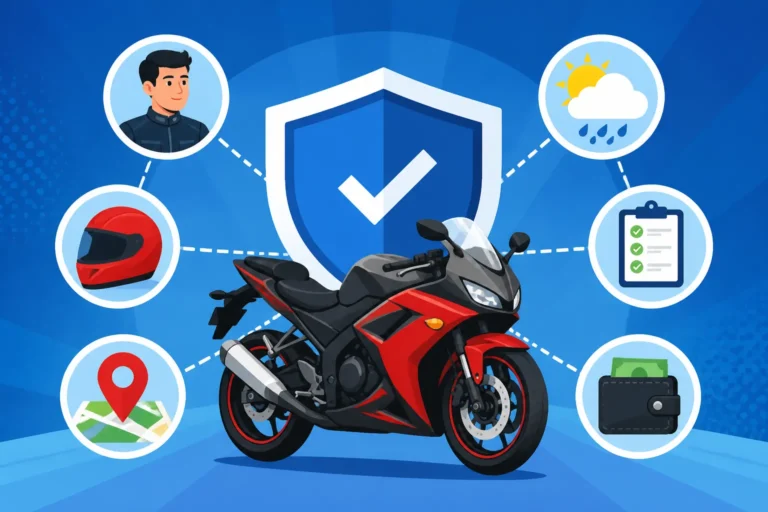
Turning 30 often brings a feeling of newfound stability, perhaps a more settled career, or even the joy of family life. For many motorcycle enthusiasts in this age bracket, it also means a sweet spot for insurance rates, moving past the sky-high premiums of their younger years. But navigating the nuances of motorcycle insurance at this age can still feel like a puzzle, wondering what factors truly impact your wallet and how you can actually save some cash. This guide is here to unravel those mysteries, giving you a clear picture of what you can expect to pay for motorcycle insurance as a 30-year-old rider, and how to snag the best deal.
The Cost Landscape for 30-Year-Old Riders
Let's be real, the moment you hit 30, it often feels like a magic number for insurance companies. While you might have cringed at the astronomical rates in your early twenties, insurers generally see 30-year-olds as more experienced, responsible, and statistically less risky behind the handlebars. This perception can translate directly into more favorable premiums, but it's far from a one-size-fits-all situation.
Average Rates for Riders in Their Thirties
While it's tough to give an exact number that applies to everyone, we can talk in averages to set a baseline. For a 30-year-old, the national average for motorcycle insurance can range anywhere from $700 to $1,500 annually for a basic full coverage policy. This is often significantly lower than what someone under 25 might pay, which could easily be double or triple that amount, especially for a sport bike. Keep in mind, this is just an average, and your actual rate will depend on a myriad of personalized details that we'll dive into shortly.
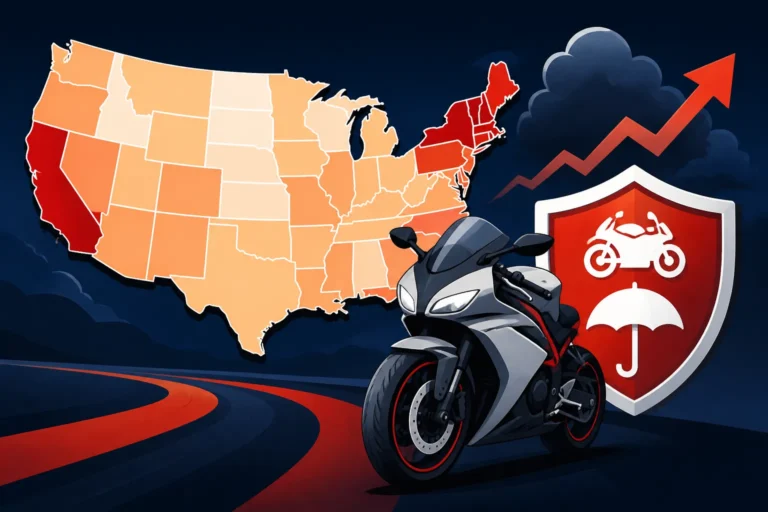
For example, a rider in their early 30s in a state like Ohio, riding a moderate cruiser, might find themselves paying closer to the lower end of that spectrum, perhaps $800-$1,000 per year. Conversely, a 30-year-old in California, cruising a high-performance sport bike through a densely populated area, might see rates pushing past $1,500 or even higher. It’s a dynamic figure, heavily influenced by where you live and what you ride. To get a broader understanding of costs, you might want to check out our comprehensive guide on How Much Is Motorcycle Insurance? 2026 Cost Guide.
The "Sweet Spot" Phenomenon for Insurance Rates
Why do insurance companies seem to give 30-year-olds a bit of a break? It largely boils down to actuarial data and perceived risk. By age 30, most riders have accumulated several years of riding experience. They've usually gotten past the "new rider" phase, which is statistically associated with a higher likelihood of accidents. Many have completed advanced rider training courses, further reducing their risk profile. Insurers view this combination of experience, maturity, and a potentially cleaner driving record as a positive indicator.
Think about it: a 30-year-old is often more established, less prone to impulsive decisions, and likely has a more stable financial history (which can also influence rates, as we'll discuss). This doesn't mean you're completely immune to high premiums if you have a checkered past or ride a superbike, but it certainly sets a better foundation than being 19 and buying your first crotch rocket. This age bracket is often cited as a period when riders experience some of the most competitive rates available, before potential increases in very old age.
Major Factors Affecting Your Motorcycle Insurance Premiums
While being 30 helps, it's just one piece of the puzzle. Insurance companies consider a whole host of other factors when calculating your premium. Understanding these can help you pinpoint why your quote might be higher or lower than expected and give you leverage to find better deals. These elements are complex and intertwined, so let's break them down.
Your Motorcycle: Type, Engine Size, and Value
The bike you ride is arguably the biggest individual factor after your age. Not all motorcycles are created equal in the eyes of an insurer.
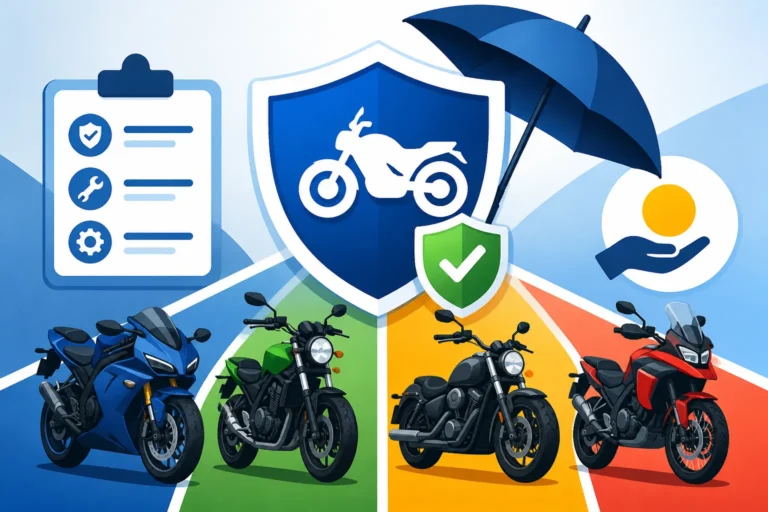
- Sport Bikes vs. Cruisers vs. Touring: High-performance sport bikes, often characterized by powerful engines and lightweight frames, carry higher insurance costs. Why? They're statistically associated with higher speeds, more aggressive riding, and consequently, more frequent and severe accidents. Parts for these bikes also tend to be more expensive to replace. Cruisers, on the other hand, like Harley-Davidsons or Indian Scouts, are often seen as lower risk. They typically have lower top speeds and are ridden more casually, leading to lower premiums. Touring bikes, while often expensive to purchase, also tend to have more moderate rates due to their intended use for long-distance, less aggressive travel. For more specific cost breakdowns, check out our guide on Motorcycle Insurance Cost by Bike Type.
- Engine Displacement (CCs): Generally, the larger the engine (higher CCs), the more powerful the bike, and thus, the higher the insurance premium. A 1000cc sport bike will almost always cost more to insure than a 250cc beginner bike.
- Bike Value and Age: A brand-new, expensive motorcycle will cost more to insure for comprehensive and collision coverage than an older, less valuable one. If your bike is financed, your lender will almost certainly require full coverage, adding to your overall cost. Our post on Motorcycle Insurance Requirements for Financed Bikes explains this in detail. Older bikes, while cheaper to insure for physical damage, still need liability coverage.
Consider Sarah, a 30-year-old rider in Phoenix. She initially looked at a new Yamaha YZF-R7, only to find her full coverage quote for it was nearly $2,000 a year. When she switched her focus to a gently used Honda Rebel 500, her quotes dropped to around $900 annually. The difference wasn't just in the bike's initial price, but its risk profile and replacement cost.
Your Riding Record, Experience, and Location
Your personal history and where you live are critically important to insurers.
- Driving Record: A clean driving record is your best friend when it comes to insurance rates. Speeding tickets, at-fault accidents, DUIs, or other moving violations will significantly increase your premiums, sometimes for years. Even minor infractions can signal higher risk to an insurer. If you've been unlucky enough to need an SR-22 filing, expect your rates to be substantially higher. Read more about SR-22 for Motorcycles: When It's Required.
- Riding Experience: While your age at 30 often implies more experience, actual years on a motorcycle matter. Many insurers offer discounts for riders who have held a motorcycle endorsement for several years without claims. Completing a Motorcycle Safety Foundation (MSF) course or other approved rider training can also net you a discount, as it shows a commitment to safe riding practices.
- Geographic Location: Where you live, and even where you store your bike, plays a substantial role. Urban areas with higher traffic density, greater rates of theft, and more accidents typically have higher insurance rates than rural areas. State-specific regulations and minimum coverage requirements also impact costs. For instance, California Motorcycle Insurance Requirements might differ significantly from those in, say, North Dakota, influencing the baseline cost. Even within a state, a zip code in downtown Miami will likely have higher rates than one in a quieter suburban area.
Let's imagine Mark, also 30, who moved from a small town in rural Kentucky to Dallas, Texas. His rates nearly doubled, not because his age or riding record changed, but because Dallas has a higher population density, more traffic, and a higher incidence of vehicle theft and accidents. Insurance companies calculate risk down to the zip code.
Your Coverage Choices and Deductibles
The types and amounts of coverage you choose directly influence your premium. This is where you have a lot of control.
- Liability Coverage: This is the bare minimum almost universally required. It covers damages and injuries you cause to others in an at-fault accident. The state mandates minimums, but increasing these limits significantly provides much better protection for you, often for a relatively small increase in premium. Going for just the Minimum Liability Insurance Explained (The Three Numbers) might save you a few bucks upfront, but could leave you financially exposed after a serious accident.
- Comprehensive and Collision: These cover damage to your motorcycle. Collision pays for damage from an accident with another vehicle or object (like a guardrail), regardless of fault. Comprehensive covers non-collision events like theft, vandalism, fire, flood, or hitting an animal. If you have a loan on your bike, these are almost always required. If your bike is older and paid off, you might consider dropping collision to save money, but carefully weigh the risk. What exactly does Full Coverage Motorcycle Insurance Mean? It generally includes these and other protections.
- Deductibles: This is the amount you pay out-of-pocket before your insurance kicks in for comprehensive or collision claims. Higher deductibles (e.g., $1,000) mean lower premiums, but more cash needed if you file a claim. Lower deductibles (e.g., $250) mean higher premiums.
- Additional Coverages: Options like Uninsured/Underinsured Motorist (UM/UIM) coverage, Medical Payments (MedPay), Roadside Assistance, and Custom Parts & Accessories coverage all add to your premium. While they increase the cost, many are incredibly valuable. Uninsured & Underinsured Motorist Coverage (UM/UIM) is particularly crucial given the number of uninsured drivers on the roads.
Here's a quick comparison of how coverage choices can impact costs:
| Coverage Type | What It Covers | Impact on 30-Year-Old's Premium (Estimate) | When to Consider It |
|---|---|---|---|
| Liability Only | Damage/injury to others | Lowest Base Premium | Older, low-value bikes, paid off. High personal risk tolerance. |
| Full Coverage (Liability, Comp, Coll) | Damage to others + damage to your bike | Moderate to High Premium | New, expensive, or financed bikes. Low personal risk tolerance. |
| Uninsured/Underinsured Motorist | Your injuries/damage if hit by at-fault uninsured | Small Increase | Always recommended, especially if you ride frequently or in high-traffic areas. |
| Medical Payments | Your medical bills regardless of fault | Small Increase | If your health insurance has high deductibles or limited coverage for motorcycle accidents. |
| Custom Parts & Accessories | Aftermarket additions, chrome, paint | Varies by Value Added | If you've invested significantly in customizing your bike. |
| Roadside Assistance | Towing, flat tire service | Minimal Increase | For peace of mind on long rides or if you don't have a towing plan elsewhere. |
Smart Strategies to Lower Your Motorcycle Insurance Costs
Even if you're already benefiting from age-related discounts, there are always more ways to shave dollars off your premium. Being proactive and informed is key. Don't just accept the first quote you get; dig a little deeper.
Shop Around and Compare Quotes Diligently
This is perhaps the single most effective strategy. Insurance rates vary wildly between companies, even for the exact same coverage. Each insurer has its own algorithms, risk assessments, and target demographics. What one company considers high-risk, another might view more favorably.
- Get Multiple Quotes: Don't stop at just one or two quotes. Aim for at least three to five from different providers. Many riders find that national carriers like Progressive, Geico, or Dairyland offer competitive rates, but smaller, specialized motorcycle insurers like Markel can also be surprisingly affordable, especially for unique bikes or specific rider profiles.
- Use Comparison Tools: Websites like The Zebra simplify this process immensely. Instead of filling out the same information repeatedly on different insurer sites, you enter your details once, and The Zebra fetches quotes from multiple providers, allowing for an easy side-by-side comparison. This saves a ton of time and ensures you're not missing out on a better deal simply because you didn't know about a particular company. Learning How to Compare Motorcycle Insurance Quotes effectively is a skill that pays off year after year.
- Re-evaluate Annually: Your circumstances change, and so do insurance rates. What was the cheapest policy last year might not be this year. Make it a habit to shop for new quotes annually before your renewal.
Leverage Every Possible Discount
Insurance companies offer a wide array of discounts, but they won't always automatically apply them. You often have to ask!
- Multi-Policy Discount: If you insure your car, home, or boat with the same company, you can usually get a significant discount on your motorcycle policy. Bundling your policies is often one of the biggest money-savers. Explore if Bundling Motorcycle and Auto Insurance: Worth It? for your situation.
- Motorcycle Safety Course Discount: As mentioned, completing an approved motorcycle safety course (like those offered by the MSF) almost always qualifies you for a discount. This is a double win: you become a safer rider and save money.
- Good Rider/Driver Discount: A clean driving record with no accidents or violations for a certain period (e.g., 3-5 years) can earn you a discount.
- Anti-Theft Device Discount: Installing an alarm, tracking device, or even using a disc lock on your bike can reduce premiums for comprehensive coverage.
- Lay-Up/Seasonal Coverage: If you live in a state with harsh winters and store your bike for several months, some insurers offer the option to reduce your coverage (often to just comprehensive, covering theft/fire/vandalism while stored) during the off-season. This can significantly reduce your annual cost. Our guide on Do You Need Insurance to Store a Motorcycle? offers more insights.
- Paid-in-Full Discount: Paying your annual premium upfront instead of in monthly installments often comes with a discount.
- Rider Group Discounts: Membership in certain motorcycle clubs or associations might qualify you for a discount with specific insurers.
- Homeownership Discount: Believe it or not, some insurers offer discounts to homeowners, as they are statistically seen as more stable and responsible.
It's worth making a list of all potential discounts and discussing them with an agent from each company you get a quote from. You might be surprised by how many you qualify for.
Adjust Your Coverage Levels Smartly
While you never want to be underinsured, there's a sweet spot between being fully protected and overpaying.
- Review Liability Limits: While opting for state minimums is cheap, it's risky. Most riders should carry higher liability limits (e.g., 100/300/50 — $100,000 for bodily injury per person, $300,000 per accident, and $50,000 for property damage) to protect their assets. However, if you've increased these limits significantly and are looking to save, ensure you're not paying for more than you truly need, while still maintaining adequate protection.
- Re-evaluate Comprehensive and Collision: For older, lower-value bikes (say, a paid-off motorcycle worth less than a few thousand dollars), the cost of comprehensive and collision coverage might outweigh the potential payout after a deductible. If your bike is only worth $3,000 and your annual full coverage costs $800 with a $500 deductible, you might consider if paying $800 annually for a potential $2,500 payout is worth it, especially if you have an emergency fund. Our article on Do You Need Full Coverage on a Paid-Off Motorcycle? offers a deeper dive into this decision.
- Choose Appropriate Deductibles: Consider your financial comfort level. If you have an emergency fund, raising your deductibles from, say, $250 to $1,000 can reduce your premium. Just make sure you can comfortably afford the deductible if you ever need to file a claim.
- Custom Parts Coverage: If you've spent a fortune on aftermarket parts, make sure they're adequately covered. Standard policies often have low limits for custom parts. If you've added $5,000 worth of chrome and performance upgrades, ensure your policy reflects that, possibly with a separate Accessories & Custom Parts Coverage Explained endorsement. Don't overpay for coverage you don't need, but certainly don't underinsure your prized customizations.
By carefully scrutinizing your policy and shopping smart, a 30-year-old rider can often secure excellent coverage without breaking the bank. The internet, with tools like The Zebra, has made it incredibly easy to compare offers and find the ideal policy for your needs and budget.
Disclaimer
Please remember that this article provides general information and estimates. Motorcycle insurance rates are highly personalized and can change based on numerous individual factors, state regulations, and market conditions. For the most accurate and up-to-date quotes, it is always recommended to obtain multiple personalized quotes from various insurance providers.