Cruiser Motorcycle Insurance Cost
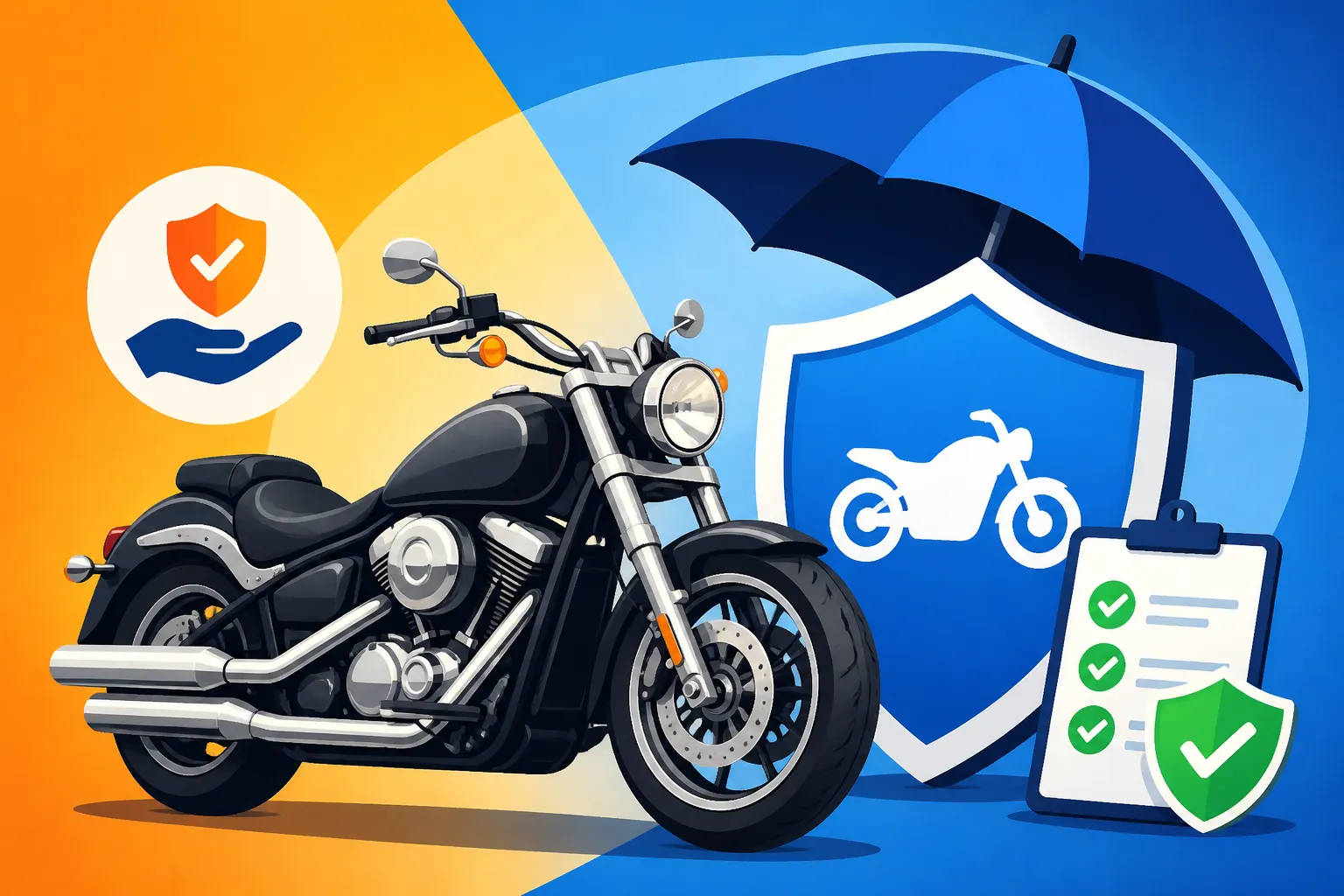
Getting hit with a motorcycle insurance quote that looks more like a monthly mortgage payment can suck the joy right out of your ride before you even kick up the kickstand. Most riders just want to enjoy the rumble of a V-twin without feeling like they are being penalized for their lifestyle. This guide breaks down exactly what you can expect to pay for cruiser insurance and how to keep those costs under control.
Why Cruisers Are Usually the Sweet Spot for Insurance Rates
If you have spent any time in the riding community, you know there is a massive divide between the "crotch rocket" crowd and those of us who prefer a relaxed, feet-forward riding position. From an insurance company's perspective, this isn't just about style; it is about risk management. Cruisers are almost universally cheaper to insure than sport bikes, and there are a few logical reasons why your local agent won't feel the need to skyrocket your premiums.
Lower Risk Profiles and Rider Demographics
Insurance companies are obsessed with data. When they look at the cruiser segment, they see a demographic that typically skews a bit older and, frankly, a bit more responsible. While a 19-year-old might be tempted to pull a wheelie on a 600cc sport bike at 70 mph, the guy on a Cruiser Motorcycle Insurance Cost is usually more interested in a scenic Sunday ride to a local diner.
Because the average cruiser rider tends to be more experienced and less prone to "hooligan" behavior, the frequency of high-speed accidents is lower. This translates directly into lower premiums for the rest of us. If you are a rider over 30 with a clean driving record, you are essentially the "goldilocks" client for insurers. They want your business because you represent a steady stream of premiums with a very low likelihood of a total-loss claim.
The Mechanical Advantage: Engine Tuning and Speed
Another factor that works in your favor is how cruiser engines are built. Even a massive 1800cc V-twin is often tuned for low-end torque rather than top-end screaming horsepower. A sport bike with half that displacement might have twice the horsepower and a much higher top speed. Insurers know that high speed is the primary ingredient in expensive, life-threatening accidents.
When you compare the Motorcycle Insurance Cost by Bike Type, cruisers consistently come out on top because they aren't built for the track. They are built for the street. Their heavy frames and lower centers of gravity make them stable, predictable, and—in the eyes of an underwriter—safe. This doesn't mean they aren't powerful, but the way that power is delivered makes it much easier for a rider to stay in control during an emergency maneuver.
Factors That Drive Your Cruiser Insurance Premiums
Even though cruisers are generally more affordable to cover, your neighbor might be paying half of what you are for the exact same bike. It can feel incredibly unfair, but insurance pricing is a complex soup of personal data and regional statistics. Understanding these levers can help you figure out why your quote looks the way it does.
Engine Displacement and the CC Factor
In the world of cruisers, size definitely matters, but perhaps not in the way you think. A larger engine usually means a heavier, more expensive bike, which naturally increases the cost of Harley-Davidson Insurance Cost or similar cruiser policies. If you are looking at an entry-level Honda Rebel 500, your premiums will be significantly lower than if you were trying to insure a massive Indian Roadmaster.
However, once you get into the heavyweight category, the price increases tend to level off. The jump from a 250cc to a 900cc bike is often much larger than the jump from a 1200cc to an 1800cc bike. This is because the rider who can handle a 1200cc machine is generally viewed as having the same risk level as one on an 1800cc machine. Using a comparison site like The Zebra can help you see exactly how a change in engine size might impact your specific monthly rate before you sign the papers at the dealership.
The Impact of Geographic Location and Storage
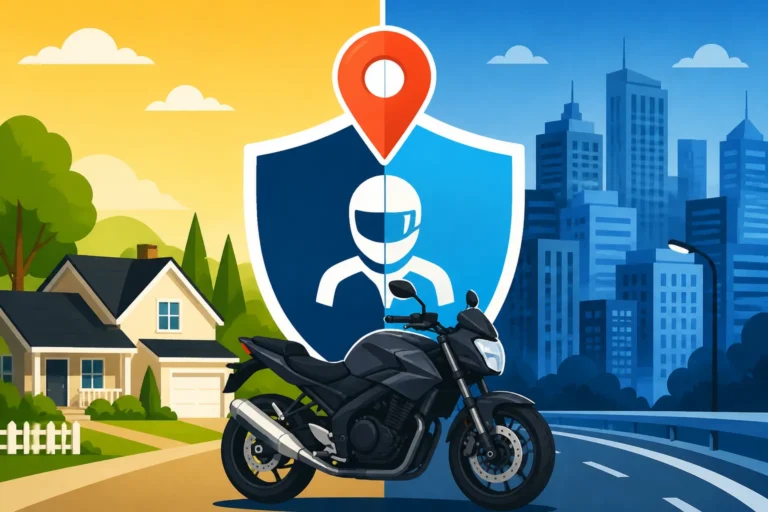
Where you park your bike at night is just as important as how you ride it. If you live in a high-crime area of a major city like Houston or Chicago, your comprehensive coverage—which protects against theft—is going to be much higher. Conversely, a rider in a quiet suburb or a rural town might pay pennies for the same protection.
Weather also plays a role. In states where you can ride year-round, like Florida or Arizona, you might find that the Average Motorcycle Insurance Cost by State is slightly higher because you are on the road for more days out of the year, increasing the statistical chance of an accident. If you live in a northern state where the bike sits in a garage for five months, you might benefit from lower annual rates or seasonal "lay-up" periods.
Personal Rider History and Experience Levels
This is the part that frustrates new riders the most. If you are just starting out, you are a wild card to insurance companies. They don't know if you are the next safety-conscious touring pro or if you’ll drop the bike in a parking lot next week. Your personal credit score, your driving record in your car, and your years of licensed motorcycle experience all factor into the final number.
Even if you have been driving a car for twenty years without a single ticket, that first year on two wheels will carry a "new rider" premium. The good news is that after a year or two of clean riding, those rates tend to drop significantly. Many riders find that their Motorcycle Insurance Cost for a Beginner is the highest they will ever pay, with rates settling down as they prove their competence on the road.
| Cruiser Model Category | Displacement (cc) | Estimated Annual Premium (Clean Record) |
|---|---|---|
| Entry-Level (e.g., Honda Rebel 300/500) | 286cc – 471cc | $250 – $450 |
| Mid-Weight (e.g., Kawasaki Vulcan 900) | 903cc | $400 – $700 |
| Heavy-Weight (e.g., Harley Heritage Classic) | 1868cc | $750 – $1,200 |
| Luxury Touring (e.g., Indian Pursuit) | 1768cc | $1,100 – $1,800 |
Navigating Coverage Types for Your Cruiser
Deciding how much insurance to buy is a balancing act between protecting your wallet today and protecting your assets tomorrow. While it’s tempting to just go with the legal minimum, that often leaves you wide open to financial ruin if things go south on the highway.
Liability-Only vs. Full Coverage Decisions
Most states require a baseline of liability insurance to keep you legal. This covers damage you cause to others, but it doesn't do a thing for your own bike. If you are riding an older, high-mileage cruiser that you bought for cash, liability-only might make sense. If you lay it down, you just accept the loss and move on.
However, for most modern cruisers, "full coverage" (which includes collision and comprehensive) is the way to go. This is especially true if you are financing your bike, as lenders will mandate it. Given the high cost of chrome, paint, and fairings on a cruiser, even a low-speed tip-over can cost thousands of dollars to repair. When you look at Liability-Only vs Full Coverage Cost, you’ll often find the peace of mind is worth the extra $20 or $30 a month.
Custom Parts and Chrome Coverage
Cruiser riders love to customize. Whether it’s Vance & Hines pipes, a custom Mustang seat, or upgraded LED lighting, these parts add up fast. A standard insurance policy usually only covers the bike in its factory-stock condition, or perhaps provides a small $1,000 allowance for accessories.
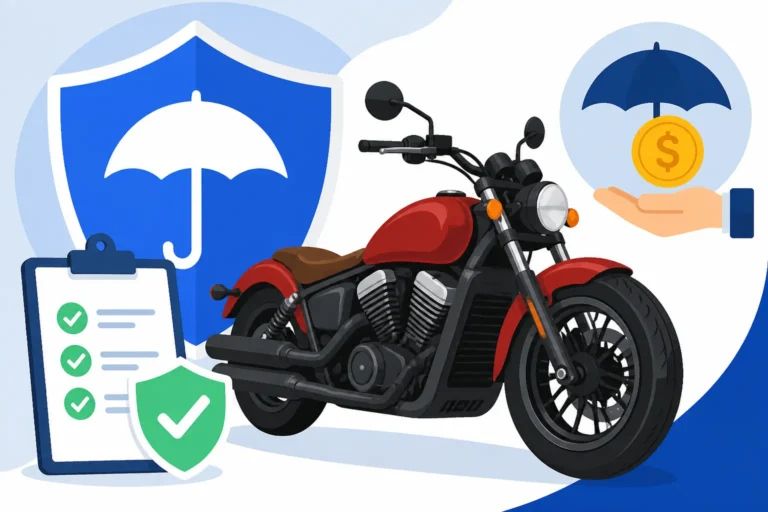
If you have poured $5,000 into customizing your bike, you need to ensure you have "Accessory Coverage" or "Custom Parts & Equipment" (CPE) coverage. Without it, if your bike is stolen or totaled, the insurance company will only cut you a check for the base value of the motorcycle, leaving you to eat the cost of all those shiny upgrades. Always keep your receipts and photos of your mods to prove their value during a claim.
How to Lower Your Cruiser Insurance Bill
Nobody wants to pay more than they have to. Fortunately, the insurance market is competitive, and there are several ways to shave dollars off your premium without sacrificing the coverage you actually need.
Bundling and Multi-Policy Discounts
The easiest win is often bundling. If you already have car insurance or a homeowners policy, adding your motorcycle to that same carrier usually triggers a significant discount on both policies. Insurers love "multi-line" customers because they are less likely to switch companies over a small price increase.
Beyond just bundling with your car, look for "Multi-Bike" discounts if you have more than one motorcycle in the garage. Many companies will offer a reduced rate for the second and third bike because they know you can only ride one at a time. Tools like The Zebra are excellent for comparing these bundled rates across different carriers to see who actually offers the best total package deal.
Safety Courses and Anti-Theft Measures
If you haven't taken a Motorcycle Safety Foundation (MSF) course, you are leaving money on the table. Most insurers offer a discount of 5% to 15% just for completing a basic rider course. For a new rider, this discount can often pay for the cost of the course itself within the first year or two. It also helps lower your How Much Is Motorcycle Insurance for a Beginner by proving you have the basic skills to avoid common accidents.
Additionally, showing the insurance company that you take security seriously can help. Using a disc lock, an alarmed grip lock, or keeping the bike in a locked garage can sometimes trigger small discounts. Some high-tech cruisers come with factory GPS tracking and immobilizers, which are big pluses in the eyes of an adjuster. Every little bit of "hardened" security reduces the chance of a theft claim, and insurers are happy to reward that proactivity.
Comparing Providers and Getting Quotes
The most expensive mistake a cruiser rider can make is sticking with the same company for ten years without ever checking the market. Insurance rates fluctuate based on the company's current "loss ratio"—basically, how much they've had to pay out in claims recently. If a company had a bad year with motorcycle claims, they might raise rates for everyone, even if you’ve been perfect.
Why Shopping Around Matters
You might find that one company loves cruisers but hates sport bikes, while another might offer the best rates for Harley-Davidson Insurance Cost specifically. Each company uses a slightly different algorithm to determine risk. One might weigh your credit score heavily, while another might care more about your years of riding experience.
I always recommend shopping your rate at least once a year, or whenever you have a major life change like moving to a new zip code or getting married. It takes about fifteen minutes to run a fresh set of numbers, and it’s not uncommon to find a different carrier that can save you $200 a year for the exact same coverage levels.
Using Comparison Tools
In the old days, you had to call five different agents and spend all afternoon on the phone. Now, you can use platforms like The Zebra to pull multiple quotes at once. This gives you a clear, side-by-side view of what the market is currently charging for a rider with your profile.
When you use these tools, make sure you are comparing apples to apples. Ensure the deductibles and liability limits are the same across all quotes. Sometimes a "cheaper" quote is only cheaper because they've jacked up your deductible to $2,000 or lowered your medical payments coverage to almost nothing. Being a savvy shopper means looking at the fine print, not just the big bold number at the bottom.
Motorcycle Insurance Disclaimer
The information provided in this guide is for educational and informational purposes only and does not constitute professional legal or financial advice. Insurance rates, coverage options, and state requirements vary significantly based on individual circumstances and location. Always consult with a licensed insurance agent or professional to discuss your specific needs and ensure you are in compliance with all local laws and regulations before purchasing a policy or operating a motorcycle.