How Much Does Motorcycle Insurance Cost for a Beginner?
Stepping into the world of motorcycling is exhilarating, but the joy of the open road often comes with a dose of reality when you start looking at insurance. For a beginner rider, the question, "How much does motorcycle insurance cost?" can feel like a riddle wrapped in an enigma. It's not just about the bike; it's about you, your experience (or lack thereof), and a whole host of other factors that insurers look at. Many new riders face a bit of sticker shock, wondering why their quotes seem higher than expected. This guide is here to break down those costs, help you understand what drives them, and offer practical advice on how to navigate the insurance landscape as a new rider.
The Sticker Shock Is Real: Why Beginner Motorcycle Insurance Can Feel High
It’s completely normal to feel a bit overwhelmed when you first dive into motorcycle insurance quotes, especially as a new rider. You might be envisioning cruising on your new machine, only to find that the insurance premium feels like it's trying to hold you back. This isn't just bad luck; it's a reflection of how insurance companies assess risk, and unfortunately, beginners often land in a higher-risk category for a few key reasons.
Lack of Riding History and Perceived Risk
One of the biggest hurdles for any new rider is the simple fact that you don't have a history to prove your riding prowess (or lack of accidents!). Insurance companies operate on statistics, and unfortunately, the data shows that newer riders, regardless of age, tend to be involved in more accidents. You haven't had years of incident-free riding to demonstrate your responsibility on two wheels. This lack of a track record means insurers can't gauge your personal risk accurately, so they rely on broader demographic data, which often puts beginners in a less favorable light. They're essentially taking a bigger gamble on you, and that gamble comes with a higher price tag.
Think about it from their perspective: they have no data to show you can handle adverse weather, react calmly to road hazards, or navigate complex traffic situations safely. Every seasoned rider started as a beginner, but the insurance world doesn't always reflect that grace period kindly. This initial higher cost is a way for them to offset the perceived elevated risk of insuring someone who is still developing their skills and road awareness.
The Age Factor: A Double Whammy for Young Riders
While a lack of experience hits all beginners, age can significantly amplify the cost, particularly for younger riders. If you're under 25, you're not just a new rider; you're also in a demographic that statistically has higher accident rates across all types of vehicles. Combine limited riding experience with youth, and insurance companies see a considerably higher risk profile. This can lead to some truly eye-watering quotes for young riders, even if they're diligent and careful.
On the flip side, if you're an older beginner—perhaps someone who's decided to pick up riding later in life—you might catch a small break compared to your younger counterparts, simply because older drivers typically have lower accident rates in general. However, the "new rider" factor will still play a substantial role. Regardless of age, the absence of a motorcycle-specific driving record means you'll likely pay more than someone with years of proven, safe riding under their belt. This is a common frustration, but understanding the actuarial science behind it can help you strategize ways to mitigate those costs.
Motorcycle Type: Sport Bikes vs. Cruisers
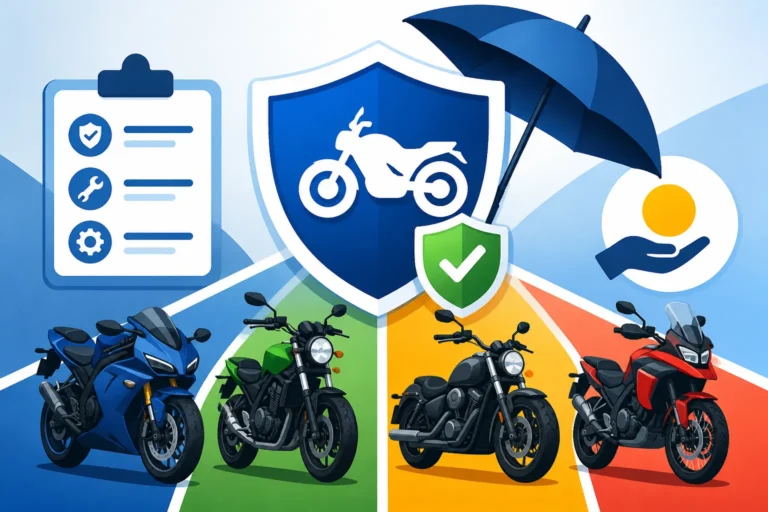
The kind of motorcycle you choose as a beginner is arguably one of the most impactful factors on your insurance premium. It’s a classic beginner mistake to fall in love with a high-performance sport bike, only to find the insurance quotes make it unattainable. Sport bikes, with their powerful engines and higher theft rates, are inherently more expensive to insure. Insurers see them as higher risk due to their speed capabilities and the type of accidents they are often involved in, which can be more severe. For more insights on this, check out our guide on Motorcycle Insurance Cost by Bike Type.
Cruisers, standard bikes, or even touring models, on the other hand, typically come with much lower insurance premiums for beginners. They're often less powerful, have lower top speeds, and are generally perceived as being ridden by more cautious individuals. For instance, a new rider on a Honda Rebel 300 will almost certainly pay less for insurance than a new rider on a Kawasaki Ninja 400, even if both are considered "entry-level" in their respective categories. This distinction isn't just about the bike's initial price tag; it's about the repair costs, the likelihood of theft, and the statistical risk associated with its performance characteristics.
Understanding the Core Factors That Drive Beginner Rates
Beyond the initial "beginner" status, a myriad of other elements contribute to your overall motorcycle insurance premium. These factors are often interconnected and can either compound the cost or offer opportunities for savings, even for those just starting their two-wheeled journey. Navigating these details is crucial, and it's why tools that compare options are so valuable.
Coverage Levels: Finding the Right Balance
The type and amount of coverage you choose will drastically affect your premium. As a beginner, you might be tempted to go with the absolute minimum to save money, but this can be a risky move. Most states require at least liability insurance, which covers damages and injuries you might cause to others in an accident. However, it won't pay for repairs to your own bike or your medical bills. Our article on Motorcycle Insurance Requirements by State (2026 Guide) provides a comprehensive look at what's legally mandated where you live.
For many new riders, especially those with financed motorcycles, lenders will require full coverage, which typically includes collision and comprehensive. Collision covers damage to your bike in an accident, regardless of fault, while comprehensive covers non-collision events like theft, vandalism, or hitting an animal. While full coverage is more expensive, it offers far greater peace of mind and financial protection. Understanding the numbers involved in minimum liability, like the common 25/50/25 limits, is crucial, and our article on Minimum Liability Insurance Explained (The Three Numbers) can help clarify that. It's a balance between protecting your wallet and protecting yourself and your investment.
Where You Live and Ride: Location, Location, Location
Your geographical location plays a huge role in determining your insurance rates. This isn't just about the state you're in, but often down to your specific zip code. Insurers look at factors like:
- Population Density: Cities with higher traffic volumes often have higher accident rates.
- Theft Rates: Areas with high motorcycle theft statistics will naturally have higher comprehensive coverage premiums.
- Weather Conditions: Regions with long riding seasons might see more claims over time.
- Accident Hotspots: If your area has a history of frequent motorcycle accidents, your rates will reflect that increased risk.
For example, a new rider in a densely populated urban area like Los Angeles might face significantly higher rates than a new rider in a rural town in Montana, even with identical bikes and profiles. This is simply because the statistical likelihood of an incident in a busy city environment is higher. It’s a factor outside your direct control, but one you need to be aware of when budgeting for insurance.
Your Driving Record (Even Before the Bike!)
Even if you're a beginner motorcycle rider, your car driving history isn't ignored. A clean driving record with your car insurance can be a significant advantage, potentially softening the blow of being a new rider on two wheels. Conversely, if you have speeding tickets, DUIs, or accidents on your car record, these will almost certainly translate into higher motorcycle insurance premiums. Insurers view your overall driving behavior as indicative of your risk profile, regardless of the vehicle type.
Someone with a history of reckless driving in their car is deemed more likely to exhibit similar behavior on a motorcycle. This is particularly true for serious infractions like DUIs, which can lead to requirements for special filings like SR-22 for Motorcycles: When It's Required, which will dramatically increase your costs. A clean slate shows responsibility and can help you get more favorable rates, even as a novice rider.
Your Credit Score: An Unexpected Player
In many states, your credit-based insurance score (which is different from your traditional credit score but uses similar data) can influence your insurance premiums. Insurers have found a correlation between credit scores and the likelihood of filing a claim. Generally, individuals with higher credit scores tend to file fewer claims, leading to lower premiums.
For a beginner rider with a lower credit score, this can add another layer to an already potentially high premium. It’s an aspect that many people don't consider when they first look for motorcycle insurance, but it’s an important factor to be aware of. Improving your credit score over time can be one of those quiet, long-term strategies that help reduce your insurance costs down the line. It's another piece of the puzzle that contributes to your overall risk assessment in the eyes of an insurance provider.
Strategies to Potentially Lower Your Beginner Motorcycle Insurance Costs
The good news is that being a beginner doesn't mean you're doomed to pay exorbitant rates forever. There are concrete steps you can take to try and reduce your premiums right from the start, or at least prevent them from being as high as they could be. It's about being strategic and proactive. If you're looking for more general ways to save, our article on How to Get Cheap Motorcycle Insurance offers a broader perspective.
Start with the Right Bike
This is perhaps the most impactful decision a beginner can make regarding insurance costs. Resist the urge to jump on a high-powered sport bike or a brand-new, expensive touring model. Instead, consider motorcycles known for being beginner-friendly and having lower insurance rates. Think smaller displacement cruisers (like a Honda Rebel 500 or a Kawasaki Vulcan S), standard bikes (like a Yamaha MT-03 or a Suzuki SV650), or even dual-sport bikes.
These bikes are generally less powerful, less likely to be stolen, and less expensive to repair. They're also often easier to handle for new riders, reducing the risk of a minor tip-over or accident. A modest initial investment in a bike that's cheaper to insure can save you hundreds, if not thousands, on premiums in your first few years of riding. You can always upgrade later once you've gained experience and built a positive riding history.
Take a Motorcycle Safety Course
Enrolling in a Motorcycle Safety Foundation (MSF) course or an equivalent state-approved program is a no-brainer for new riders. Not only does it equip you with essential skills and knowledge, making you a safer rider, but it also often qualifies you for a significant discount on your insurance premium. Many insurers offer a 10-15% discount for completing such a course. This investment in your safety literally pays for itself.
Beyond the discount, these courses teach you fundamental maneuvers, emergency braking, hazard perception, and defensive riding techniques that can prevent accidents—which is the best way to keep your insurance rates low in the long run. Plus, some states even waive the riding portion of your license test if you complete an approved course. For more details, check out Does a Motorcycle Safety Course Lower Insurance?.
Shop Around Extensively for Quotes
This cannot be emphasized enough, especially for beginners. Insurance rates vary wildly between providers. One company might see you as a high risk, while another might offer a surprisingly competitive rate based on their own algorithms and target demographics. Don't settle for the first quote you receive. You need to cast a wide net and compare offers from multiple insurers.
Using comparison tools, such as those offered by The Zebra, can make this process incredibly efficient. Instead of individually visiting each insurer's website, you can input your information once and receive multiple quotes. This allows you to quickly see which companies are offering the most affordable rates for your specific beginner profile. Companies like Progressive, Dairyland, and Geico are popular choices for motorcycle insurance and are definitely worth checking out. Remember, the goal is to find the best coverage at the most reasonable price, and competition works in your favor.
Consider Bundling Your Policies
If you already have auto, home, or renters insurance with a particular provider, ask them about bundling your motorcycle policy. Many insurance companies offer multi-policy discounts, which can lead to substantial savings. This is because they appreciate you bringing more of your business to them, and they're willing to reward that loyalty with a lower overall premium across all your policies.
For example, if you have your car insured with State Farm, asking for a motorcycle quote from them and bundling it might be cheaper than getting a standalone policy elsewhere, even if their initial motorcycle-only quote wasn't the absolute lowest. It's always worth exploring this option with your current providers. Our article Bundling Motorcycle and Auto Insurance: Worth It? dives deeper into the pros and cons of this strategy.
Choose Higher Deductibles Wisely
A deductible is the amount of money you have to pay out of pocket before your insurance coverage kicks in for a claim. Generally, choosing a higher deductible means your premium will be lower. For a beginner rider, this can be an attractive way to reduce upfront costs. However, you need to be realistic about your financial situation.
If you opt for a $1,000 deductible to save on your monthly premium, you need to be prepared to pay that $1,000 if you have an accident or need to file a comprehensive claim. Don't choose a deductible you can't comfortably afford. While it can lower your payments, it's a calculated risk. For instance, if you have a history of minor drops (which can happen to beginners), a very high deductible might mean you're paying out of pocket for those small repairs anyway, negating the premium savings.
Look for Specific Discounts
Beyond the safety course and bundling, many insurers offer a variety of other discounts that beginners might qualify for. These can include:
- Good Rider/Driver Discount: For maintaining a clean driving record (car and motorcycle).
- Anti-Theft Device Discount: If your bike has an alarm, GPS tracker, or other anti-theft measures.
- Paid-in-Full Discount: Paying your annual premium upfront instead of monthly installments can often save you a percentage.
- Riding Season/Lay-Up Discount: If you only ride for part of the year, some insurers offer lower rates during the off-season.
- Multi-Bike Discount: While you're a beginner with one bike, keep this in mind if you ever add another!
Always ask your insurance agent or check the insurer's website for a full list of available discounts. Even seemingly small discounts can add up, making a noticeable difference in your overall beginner premium. This is where comparing companies on platforms like The Zebra really helps, as they can sometimes highlight these discounts in their quote comparisons.
Real-World Expectations for Beginner Motorcycle Insurance Costs
So, after all that, what can a beginner actually expect to pay for motorcycle insurance? The truth is, there's no single answer because, as we've discussed, so many factors are at play. However, we can look at some general ranges and hypothetical scenarios to give you a clearer picture. Keep in mind that these are estimates, and your actual cost could be higher or lower. Our general guide on How Much Is Motorcycle Insurance? 2026 Cost Guide gives a broader overview of costs.
For a new rider, especially one under 25, annual premiums can range from $1,000 to $3,000 or even more for full coverage on a sport bike. If you opt for minimum liability on a more sedate cruiser and are an older beginner with a clean record, you might find rates closer to $300 to $800 annually.
Let's break down some hypothetical scenarios to illustrate the vast differences:
| Rider Profile | Motorcycle Type | Coverage | Estimated Annual Cost Range | Key Factors |
|---|---|---|---|---|
| Young Beginner (20s) | Entry-Level Sport Bike (e.g., Kawasaki Ninja 400) | Full Coverage | $1,800 – $3,500+ | High risk due to age & bike type; new rider |
| Young Beginner (20s) | Cruiser (e.g., Honda Rebel 500) | Full Coverage | $1,200 – $2,500 | High risk due to age, but lower bike risk |
| Older Beginner (30s-40s) | Cruiser (e.g., Harley-Davidson Street 750) | Full Coverage | $600 – $1,500 | Lower age risk, but still new rider |
| Older Beginner (30s-40s) | Standard/Naked (e.g., Yamaha MT-07) | Full Coverage | $800 – $1,800 | Lower age risk, moderate bike risk |
| Any Beginner (Clean Record) | Scooter/Small Displacement (e.g., Vespa 150) | Liability Only | $250 – $600 | Very low risk bike, minimal coverage |
Note: These ranges are illustrative and can vary significantly based on location, credit score, specific insurer, and available discounts. Always get personalized quotes.
As you can see, the difference between insuring a sport bike for a young beginner and a cruiser for an older beginner can be thousands of dollars annually. This is why the advice to start with a more manageable bike is so crucial, not just for safety but for your wallet.
Over time, as you gain experience, maintain a clean riding record, and stay accident-free, your motorcycle insurance premiums will generally decrease. Many riders see a noticeable drop in rates after their first year or two, and even more significant savings once they hit age 25. This is where platforms like The Zebra can be incredibly useful not just when you're a beginner, but also for checking rates year after year to ensure you're always getting the best deal. Don't be afraid to shop for Best Motorcycle Insurance Companies (2027) annually to keep your rates in check.
Being a beginner rider is an incredible journey. Don't let the initial insurance costs discourage you. By understanding the factors at play and strategically applying the tips above, you can find affordable coverage that allows you to enjoy the open road responsibly.
Disclaimer
Please remember that this article provides general information and estimates. Motorcycle insurance rates and requirements can change frequently and vary significantly based on individual circumstances, location, specific insurance providers, and prevailing laws. Always consult with a licensed insurance professional to get personalized advice and accurate quotes for your unique situation.