Ohio Motorcycle Helmet Law
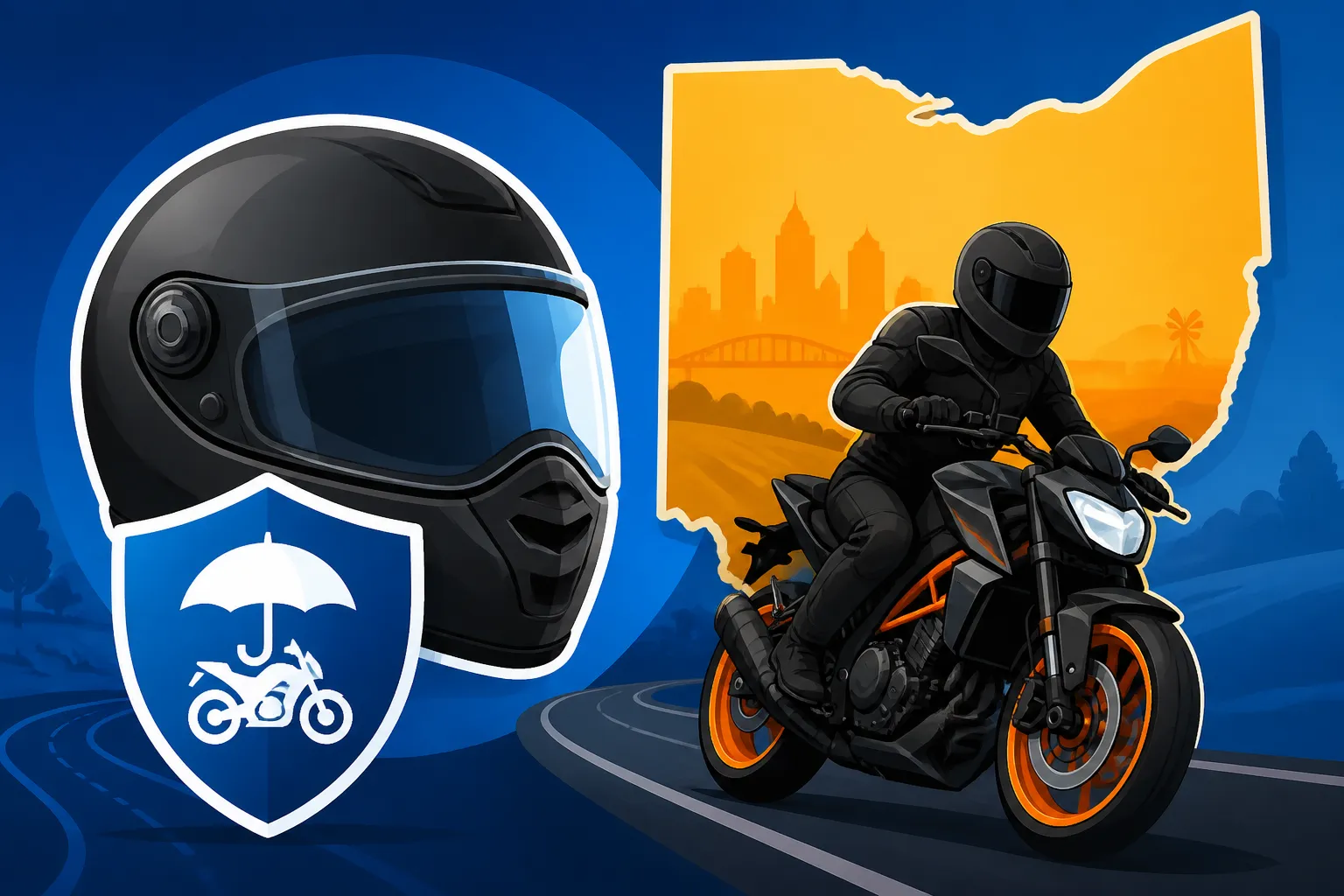
Riding through the heart of the Buckeye State offers some of the most scenic routes in the Midwest, but many riders find themselves paralyzed by the complex "partial" nature of the Ohio Motorcycle Helmet Law. This guide meticulously breaks down exactly who must wear a helmet, the legal nuances of eye protection, and how your gear choices can drastically impact your insurance claims.
Understanding the Ohio Partial Helmet Law Requirements
For many riders crossing into Ohio from states like West Virginia or Michigan, the rules can feel like a breath of fresh air or a confusing legal trap. Ohio does not have a universal helmet law, which means that while you might see many riders enjoying the wind in their hair on I-71, a significant portion of the population is still legally obligated to gear up. The law is designed to target specific demographics that the state deems "high risk," and failing to identify which category you fall into can result in more than just a ticket; it can lead to massive complications if you are involved in an accident.
Requirements for Minor Riders and Passengers
If you are under the age of 18, the state of Ohio leaves zero room for debate: you must wear a helmet. This applies whether you are the operator of the motorcycle or a passenger. The state’s logic is rooted in protecting younger, less experienced individuals who may not yet have the cognitive or physical maturity to manage the risks of high-speed travel without protective gear. Empathizing with parents, it is a constant struggle to ensure teenagers follow these rules, especially when they see older riders going without. However, the legal consequences for a minor caught without a helmet are strict and often involve the parent or guardian being held accountable.
When riding through suburbs like Dublin or Westerville, local law enforcement is particularly vigilant about younger riders. It is not just about the helmet itself; the helmet must meet Federal Motor Carrier Safety Standard (FMVSS) 218. This means a "novelty" helmet you bought at a flea market won't cut it. To stay legal, look for the DOT sticker on the back. If you are a parent helping your child get started, it is worth checking out Is Motorcycle Insurance Required in Ohio? to ensure the bike and the rider are fully protected before they even pull out of the driveway.
The Novice License Rule for New Operators
Perhaps the most misunderstood part of the Ohio Motorcycle Helmet Law is the requirement for "novice" riders. In Ohio, if you have held your motorcycle endorsement for less than one year, you are legally required to wear a helmet at all times, regardless of your age. This "novice" status is a probationary period where the state wants to see you prove your competency on the road before you earn the right to choose your level of head protection. When you receive your first endorsement, it is often marked, and your license plate may even have a "novice" sticker, alerting law enforcement to your status.
This rule creates a unique situation in the riding community. You might be a 45-year-old veteran of the road who just moved to Ohio and had to restart the endorsement process, yet you are legally a "novice." During this first year, it is vital to stay compliant. Not only does this keep you on the right side of the law, but it also helps you build the muscle memory of safe riding. Many riders find that after a year of mandatory helmet use, they prefer the protection anyway. If you are just starting out, you might also be curious about how your experience level affects your wallet, so taking a look at How Much Is Motorcycle Insurance for a Beginner? can help you budget for that first year of riding.
Passenger Regulations and Seat Requirements
Even if you are an experienced rider over the age of 18 with years of miles under your belt, your passenger might change your legal obligations. In Ohio, if the operator is required to wear a helmet (because they are a novice or under 18), the passenger must also wear one. Additionally, any passenger under the age of 18 must wear a helmet, even if the driver is a 50-year-old veteran with a full license. This creates a "linked" legal requirement that riders often forget when they offer a quick lift to a friend or family member.
Beyond the helmet, Ohio law is very specific about how passengers are carried. The motorcycle must be equipped with a permanent seat designed for two people or a sidecar. Furthermore, the passenger must have their own footrests. You cannot simply have someone hop on the back of a solo-seat bobber and ride through the Hocking Hills. Doing so is a surefire way to get pulled over. Understanding these rules is a part of the broader Motorcycle License, Endorsement & Insurance requirements that keep the Ohio riding community safe and legal.
Mandatory Eye Protection and Equipment Standards
While helmets are optional for many in Ohio, eye protection is not. This is a common point of frustration for riders who feel that sunglasses should be enough. Ohio law dictates that all operators and passengers must have "eye protection" unless the motorcycle is equipped with a windscreen of a certain height and quality. The reality of riding at 70 mph on the Ohio Turnpike means that a single pebble or a large bug can become a dangerous projectile.
Legal Definitions of Eye Protection
According to the Ohio Revised Code, eye protection must be "shatter-resistant." This includes goggles, a face shield on a helmet, or spectacles with safety glass or plastic lenses. While many high-end sunglasses are built to these standards, cheap gas station shades often are not. If an officer pulls you over and determines your eyewear is not safety-rated, you can be cited. The intent here is purely functional; the state wants to ensure that a rider’s vision is never compromised by debris, which is a leading cause of single-vehicle accidents.
If you choose to ride with a windscreen instead of goggles, it must be high enough to protect the rider’s eyes in a normal seated position. However, veteran riders often suggest that having a backup pair of goggles in your saddlebags is a smart move. Weather in Ohio can change in an instant—one minute you are riding under a clear sky in Dayton, and the next you are in a torrential downpour. Having proper eye protection is a key part of answering the question What Insurance Do You Need to Ride a Motorcycle Legally? because gear and insurance go hand-in-hand when assessing risk.
DOT Standards and Helmet Construction
For those who are required to wear a helmet, the construction of that helmet is legally mandated. Ohio follows the federal FMVSS 218 standards. A legal helmet must have a thick inner liner of firm polystyrene foam, sturdy chin straps with solid rivets, and weigh approximately three pounds. Novelty helmets, which are often just thin shells of plastic or fiberglass with no padding, do not meet these requirements. In a legal sense, wearing a novelty helmet when a helmet is required is the same as wearing no helmet at all.
This distinction becomes incredibly important if you ever need to file a claim. If you were legally required to wear a helmet but were wearing a non-compliant "brain bucket," an insurance adjuster may use that against you. To understand how your equipment choices might impact your financial recovery after an accident, it is helpful to review How to File a Motorcycle Insurance Claim in Ohio. Using the right gear isn't just about avoiding a ticket; it's about protecting your physical and financial future.
| Rider Category | Helmet Required? | Eye Protection Required? |
|---|---|---|
| Operator Under 18 | Yes | Yes |
| Operator with Novice License | Yes | Yes |
| Operator 18+ (Full Endorsement) | No | Yes (unless bike has windscreen) |
| Passenger Under 18 | Yes | Yes |
| Passenger of a Novice Operator | Yes | Yes |
| Passenger 18+ (Experienced Op) | No | Yes (unless bike has windscreen) |
The Intersection of Helmet Laws and Insurance Claims
The decision to wear a helmet in Ohio is often viewed as a personal liberty issue, but it has massive implications for your insurance policy and your ability to recover damages after an accident. Ohio operates under a "comparative negligence" system. This means that if you are in an accident, the court or the insurance companies will look at how much each party contributed to the injuries sustained.
Comparative Negligence and Head Injuries
If you are hit by a distracted driver in Columbus, you might assume they are 100% at fault. However, if you were not wearing a helmet and you suffered a traumatic brain injury (TBI), the defense will likely argue that you "failed to mitigate" your damages. They may claim that while the driver caused the crash, your decision not to wear a helmet caused 30% or 40% of the severity of your head injury. Under Ohio law, if you are found to be more than 50% responsible for your own injuries, you may be barred from recovering any compensation at all.
This is a harsh reality that many riders don't consider until it's too late. Even if you are legally allowed to ride without a helmet, doing so makes you a "target" for insurance defense attorneys. They will comb through medical records and expert testimony to prove that a helmet would have prevented the specific injury you are claiming. For a deeper dive into this specific legal hurdle, read about Helmet Law & Insurance: Does Not Wearing One Affect Claims?. It is one of the most critical pieces of information for any rider who chooses to go lidless.
Impact on Liability and Premiums
While Ohio law prevents insurance companies from raising your rates solely because you chose not to wear a helmet (provided you are legally allowed to go without), your choice of gear can indirectly affect your costs. Riders who demonstrate a commitment to safety, such as by wearing full gear and completing safety courses, often have access to better rates and discounts. When you are looking for How Much Is Motorcycle Insurance in Ohio?, you will find that insurers love "low-risk" profiles.
Furthermore, if you are involved in an accident where you weren't wearing a helmet, and the claim becomes a long, drawn-out legal battle over comparative negligence, your "claims history" will reflect a high-payout or high-complexity event. This can make it harder to find affordable coverage in the future. Many riders choose to carry higher Minimum Liability Insurance Explained (The Three Numbers) specifically because they know the stakes are higher when riding without a full set of protective gear.
Penalties and Enforcement in the Buckeye State
Understanding the enforcement of the Ohio Motorcycle Helmet Law is key to avoiding unnecessary roadside drama. In Ohio, helmet and eye protection violations are generally considered "primary offenses." This means an officer can pull you over specifically because they see you or your passenger are not wearing a helmet or goggles, provided they have reason to believe you are under 18 or a novice.
Fines and License Points
A violation of the motorcycle equipment laws in Ohio is typically classified as a minor misdemeanor. While the fine itself might only be around $100 to $150 depending on the local jurisdiction (Cleveland might differ slightly from a rural county like Vinton), the costs add up. You will also have to pay court costs, which often exceed the fine itself. Perhaps more importantly, these violations can add points to your license.
In Ohio, accumulating 12 points within a two-year period results in an automatic six-month license suspension. While a helmet ticket might only be two points, if you are also cited for a lane violation or speeding at the same time, you are halfway to a suspension. If you find yourself in a position where your license is at risk, you might end up needing to research SR-22 for Motorcycles: When It's Required, which is an expensive and frustrating process that most riders want to avoid.
Staying Compliant While Crossing State Lines
Ohio is bordered by states with very different laws. Michigan has a partial law similar to Ohio's but with higher insurance requirements for those who go helmetless. Pennsylvania also has a partial law, while West Virginia requires helmets for everyone. When you are on a multi-state tour, it is incredibly easy to forget which law applies the moment you cross a bridge or a state line.
Ignorance of the law is rarely an excuse that works with the Ohio State Highway Patrol. If you are planning a trip, it is wise to check out a Motorcycle Helmet Laws by State guide to ensure you aren't caught off guard. For many, the simplest solution is to keep the helmet on for the duration of the trip. It eliminates the guesswork, protects you from the elements, and ensures that your Proof of Insurance & Registration for Motorcycles is the only thing you have to worry about if you do get pulled over for a routine check.
Ohio Motorcycle Insurance Requirements
While this guide focuses on the Ohio Motorcycle Helmet Law, your legal standing on the road is a tripod: your license, your equipment, and your insurance. You can have the best helmet in the world, but if you don't meet the state's financial responsibility laws, you are still riding illegally. Ohio requires all riders to carry liability insurance to cover bodily injury and property damage to others.
Minimum Coverage Limits
The current minimums in Ohio are 25/50/25. This stands for $25,000 for bodily injury per person, $50,000 for bodily injury per accident, and $25,000 for property damage. Given the cost of modern medical care and the price of new vehicles, these minimums are often insufficient. If you cause an accident while riding through a busy area like Easton Town Center, $25,000 in property damage might not even cover the cost of the car you hit.
Many riders choose to increase these limits to protect their personal assets. If you are found at fault and your insurance doesn't cover the full cost of the damages, the other party can come after your savings or even your home. When shopping for quotes, consider how Does Your Credit Score Affect Motorcycle Insurance? might impact the premiums for these higher limits. It is often surprisingly affordable to double your coverage, providing much-needed peace of mind while you enjoy the open roads of Ohio.
Ohio Motorcycle Helmet Law Disclaimer
This article provides a general overview of the Ohio Motorcycle Helmet Law and related insurance considerations for informational purposes only. Laws and regulations are subject to change by the Ohio General Assembly or through judicial interpretations. This content does not constitute legal or professional insurance advice. For specific legal concerns or to ensure you are in full compliance with the most current Ohio Revised Code sections, please consult with a qualified attorney or a licensed insurance agent specializing in Ohio motorcycle law.