How Many Motorcycle Insurance Quotes Should I Get?
Trying to figure out how many motorcycle insurance quotes to gather can feel like Goldilocks searching for the perfect bowl of porridge—one might be too few, another might be overwhelmingly too many. You don't want to miss out on savings or the right coverage, but you also don't want to spend endless hours chasing down every single insurer. This guide will help you understand the ideal number of quotes to get and the most efficient ways to secure them, ensuring you find the best policy without the headache.
The Goldilocks Zone of Motorcycle Insurance Quotes
It's a common dilemma: how many quotes are enough, and how many are too many? You want to be thorough, but let's be real, nobody wants to spend an entire Saturday filling out forms online or talking to insurance agents. The key is to find that sweet spot where you've explored enough options to feel confident you're getting a good deal and appropriate coverage, without falling into analysis paralysis.
Why One Quote Is Never Enough
Imagine buying a new helmet by walking into the first motorcycle shop you see and just taking the first one they offer without looking at any other brands or styles. You wouldn't do it, right? You'd want to check fit, features, and price points. The same principle absolutely applies to motorcycle insurance. Relying on a single quote, even from an insurer you've used for your car, is a gamble. Insurance rates are highly individualized, factoring in everything from your riding experience, your bike's make and model, where you live, and even your credit score. What one company considers a high risk, another might view more favorably. You could be leaving hundreds of dollars on the table or settling for insufficient coverage if you don't explore your options.
Plus, different insurers specialize in different types of riders or bikes. A company known for cheap auto insurance might not be the most competitive for a sport bike, or they might not offer the specific custom parts coverage you need for your Harley-Davidson. Shopping around is how you uncover these discrepancies and leverage them to your advantage. It’s about being an informed consumer, not just a complacent one.
The Overwhelm of Too Many Quotes
On the flip side, there's such a thing as "quote fatigue." Have you ever started a process and then just gotten so bogged down in options and details that you just want to throw in the towel? That's what happens when you try to get quotes from every single insurance company out there. Not only is it incredibly time-consuming to input your personal information over and over again, but comparing dozens of slightly different policies can become genuinely confusing.
Each quote might present different coverage limits, deductibles, or optional add-ons, making a true apples-to-apples comparison difficult. You might start to doubt your choices or feel more confused than when you started. The goal isn't to get every quote possible; it's to get the right number of relevant quotes that allow for meaningful comparison and a confident decision. Plus, too many inquiries within a short period could, in some cases, even slightly impact your credit score, depending on how each insurer processes soft vs. hard pulls, though this is less common for insurance quotes than for credit applications.
Finding the Sweet Spot
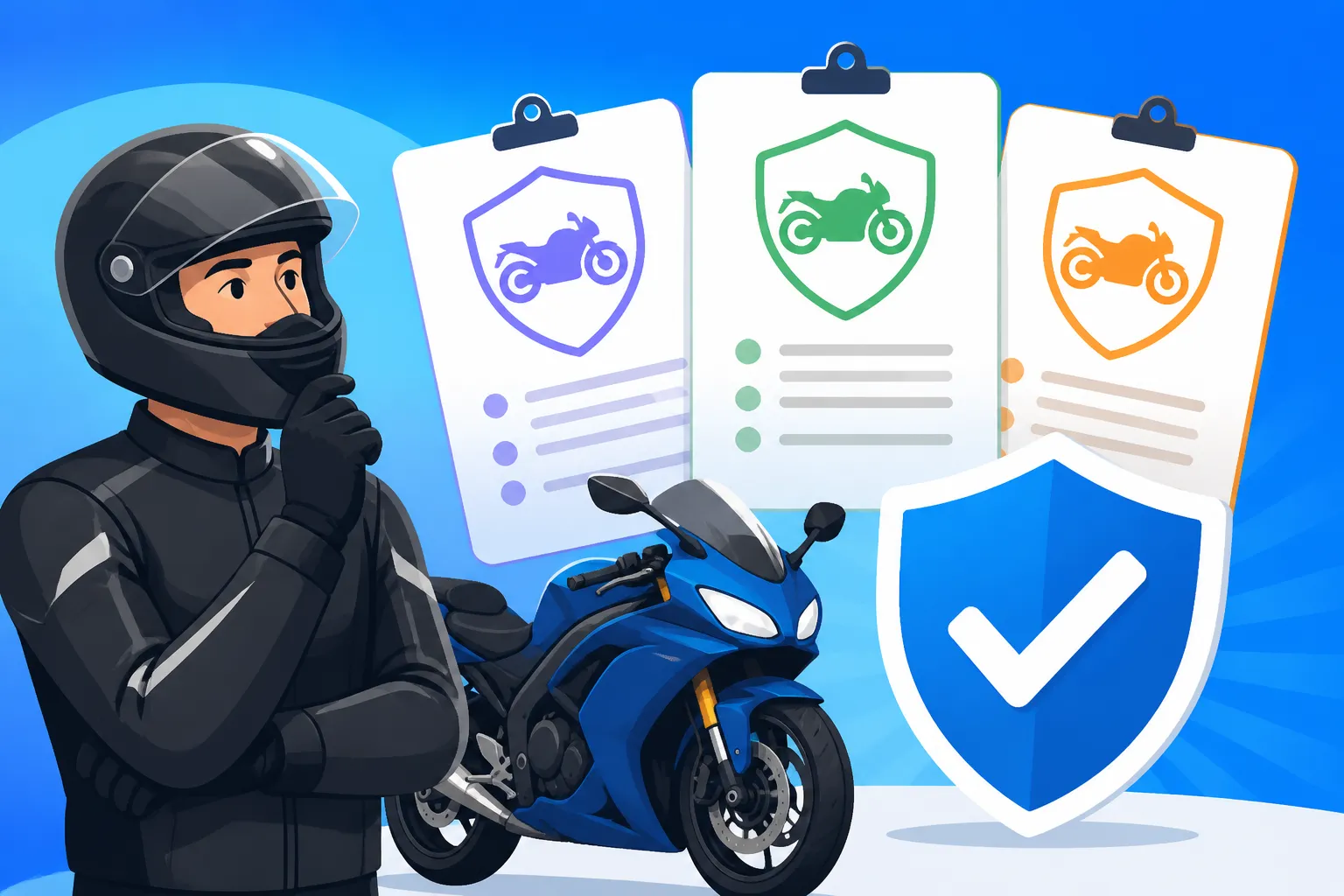
So, what's the magic number? Generally speaking, aiming for 3 to 5 motorcycle insurance quotes is the sweet spot. This allows you to get a comprehensive view of the market without being overwhelmed. It's enough to see a range of prices and coverage options, identify competitive offers, and feel assured that you haven't missed a significantly better deal.
Think about it:
- One or two quotes might miss a major competitor or a niche insurer who could offer a fantastic rate for your specific situation.
- Six or more quotes typically yield diminishing returns. The extra time and effort often don't result in significantly better offers once you've already explored the top few contenders. You're more likely to encounter similar pricing structures or minor differences that don't justify the additional legwork.
By targeting 3 to 5 quotes, you strike a balance between thoroughness and efficiency, giving you enough data to make an informed decision without feeling like you've taken on a second job. When you're ready, comparing your quotes strategically can save you time and money.
How to Get Your Quotes Efficiently and Effectively
The process of getting motorcycle insurance quotes doesn't have to be a dreadful experience. With a little preparation and the right tools, you can gather several competitive offers surprisingly quickly. The key is to be organized and leverage modern resources.
Gathering Your Information Ahead of Time
Before you even start requesting quotes, take a few minutes to gather all the necessary information. This will make the entire process much smoother and faster, ensuring accuracy and saving you from repeatedly looking up details.
Here's a checklist of what you'll typically need:
- Your Personal Details: Full name, date of birth, driver's license number, social security number (for some insurers, to check credit history), and current address.
- Motorcycle Information: Make, model, year, VIN (Vehicle Identification Number), engine size (CCs), and any custom parts or modifications. Be honest about mods; they can affect your Motorcycle Insurance Cost by Bike Type and coverage needs.
- Riding History: How long you've been riding, any accidents or traffic violations (especially DUIs or speeding tickets), and whether you've completed a motorcycle safety course. A safety course can often lead to valuable Motorcycle Insurance Discounts You're Missing.
- Current Insurance Details: If you currently have insurance, policy number, current coverage limits, and expiration date can be helpful. This is especially true if you're looking to How to Switch Motorcycle Insurance Companies seamlessly.
- Desired Coverage: Have a general idea of the types of coverage you want (liability, comprehensive, collision, uninsured motorist, etc.) and your preferred deductibles. Knowing the difference between Full Coverage vs Liability: Which Should You Choose? is a great starting point.
Having these details ready in a single document or even just a mental checklist prevents frustrating interruptions during the quoting process.
Utilizing Online Comparison Tools
This is where technology really shines in making your quote-gathering efficient. Online comparison tools are fantastic for quickly getting multiple quotes without having to visit each insurer's website individually. Services like The Zebra allow you to input your information once and then receive quotes from a variety of insurance carriers simultaneously. It's a game-changer for streamlining the process.
Here’s why these platforms are so valuable:
- Time-Saving: Instead of filling out the same information on five different sites, you do it once. This significantly cuts down on the time commitment.
- Broad Reach: These tools partner with many major insurers, giving you access to quotes from companies like Progressive, Geico, Dairyland, and even smaller, more specialized motorcycle insurers. This helps you get to that 3-5 quote sweet spot effortlessly.
- Easy Comparison: The results are often presented in a clear, side-by-side format, making it easier to compare premiums, deductibles, and coverage options at a glance.
- Discovery: You might even discover insurers you hadn't considered before, potentially uncovering a better deal.
While online comparison tools are incredibly efficient, it’s still wise to directly visit the websites of one or two companies that these tools might not include, especially if you have a specific insurer in mind (like a company you already bundle other insurance with).
The Value of a Good Independent Agent
Sometimes, the internet can only take you so far, especially if your situation is a bit unique. This is where an independent insurance agent becomes an invaluable resource. Unlike captive agents who work for a single company (like a State Farm or Allstate agent), independent agents work with multiple insurance carriers.
Here’s why they're worth considering for one or two of your quotes:
- Expert Guidance: They understand the nuances of different policies and can help you navigate complex coverage options, such as Accessories & Custom Parts Coverage Explained for your highly modified bike.
- Personalized Advice: An independent agent can assess your specific needs and recommend policies tailored to your bike, riding style, and budget. They can explain Types of Motorcycle Insurance Coverage Explained in detail.
- Access to Niche Markets: Independent agents often have access to smaller, specialized insurers that might not appear on online comparison platforms, potentially finding you a better rate or more specialized coverage.
- Advocacy: If you ever need to file a claim, a good independent agent can act as your advocate, helping you through the process.
Even if you primarily use online tools, getting one quote through an independent agent can provide a valuable reality check and ensure you've explored all angles. They can often provide a comprehensive quote that you can then measure against your online findings.
What to Look for When Comparing Your Quotes
Getting multiple quotes is only half the battle; the real work (and real savings) comes from effectively comparing them. Don't just pick the cheapest option without understanding what you're actually getting. A low price can sometimes mean minimal coverage that leaves you exposed.
Understanding Coverage Levels and Deductibles
When you line up your quotes, the first thing to scrutinize is the actual coverage being offered. A quote for $500 might seem great until you realize it only includes state minimum liability, while a $700 quote offers comprehensive, collision, and higher liability limits.
- Liability Limits: Pay close attention to the three numbers in liability coverage, like 25/50/15. This indicates $25,000 for bodily injury per person, $50,000 for bodily injury per accident, and $15,000 for property damage. Ensure these limits are consistent across all quotes you’re comparing, and that they align with what you feel comfortable with, as Minimum Liability Insurance Explained The Three Numbers can vary widely. It’s often wise to carry more than the state minimum, especially if you have significant assets to protect.
- Comprehensive and Collision: If you have a newer or more valuable bike, or a financed motorcycle, you'll likely want both Collision vs Comprehensive Motorcycle Coverage. Make sure these are included in all the quotes you're comparing, and note any differences in coverage scope. Some policies might have exclusions that others don't.
- Deductibles: The deductible is the amount you pay out of pocket before your insurance kicks in. A higher deductible usually means a lower premium, and vice-versa. While a $1,000 deductible on collision might lower your monthly payment, consider if you could comfortably afford that lump sum after an accident. Compare the deductibles for each coverage type across your quotes.
It’s easy to get fixated on the bottom-line premium, but truly comparing policies means ensuring the foundation of coverage is equivalent. If you're struggling to understand the jargon, remember that this guide is designed to help you with What Motorcycle Coverage Do You Actually Need?.
Discounts, Customer Service, and Claims Reputation
Beyond the core coverage and price, there are other crucial factors that differentiate insurance providers. These often get overlooked but can significantly impact your overall experience and long-term costs.
- Available Discounts: Every insurer offers a different set of discounts. Check each quote carefully for things like multi-policy discounts (bundling your motorcycle with auto or home insurance), riding association discounts (like for H.O.G. members), motorcycle safety course discounts, good rider discounts, or even anti-theft device discounts. One company might seem pricier initially but could offer several discounts that bring its rate down significantly. You can learn more about Motorcycle Insurance Discounts You're Missing.
- Customer Service Reputation: Imagine being stranded on the side of the road or needing to file a claim after an accident. This is when good customer service truly matters. Look up reviews for each insurer regarding their responsiveness, helpfulness, and ease of doing business. You want an insurer that makes the process as smooth as possible, not one that adds more stress during an already difficult time.
- Claims Handling: This is perhaps the most critical, yet often overlooked, aspect. An insurance policy is only as good as its ability to pay out when you need it. Research each company's claims reputation. Are they known for quick, fair settlements, or do they tend to drag things out or deny legitimate claims? Websites like J.D. Power often publish customer satisfaction surveys for claims processes, which can be a valuable resource. Talk to other riders in your community; they often have firsthand experience with different insurers.
Companies like The Zebra often include customer satisfaction ratings alongside quotes, which can be incredibly helpful for a quick overview. Don't undervalue the peace of mind that comes with knowing your insurer has your back when it counts.
Reading Between the Lines: Policy Nuances
Motorcycle insurance policies can be complex, and the fine print often holds critical details that can impact your coverage. Don't be afraid to ask questions or dive a little deeper into the policy language.
- Exclusions and Limitations: Every policy has them. Are there specific types of accidents or damages that aren't covered? What about geographical limitations if you plan to Riding Across State Lines Insurance & Helmet Rules? Some policies might exclude coverage for track days or off-road riding, for instance. If you're an adventure rider, this could be a dealbreaker.
- Optional Coverages: Beyond the basics, many insurers offer valuable add-ons like roadside assistance, trip interruption coverage, or coverage for your riding gear and personal belongings. While these increase the premium, they can be incredibly useful. Evaluate if the cost of these additions is worth the protection they provide.
- Agreed Value vs. Actual Cash Value: This is particularly important for custom or classic motorcycles. Most standard policies offer "Actual Cash Value" (ACV), which means they pay out the depreciated value of your bike at the time of loss. "Agreed Value" coverage, on the other hand, means you and the insurer agree on a specific value for your bike before the policy starts, and that's what they pay if it's totaled or stolen. For unique bikes, agreed value can be a lifesaver. Understand the difference and ensure your chosen policy aligns with your bike's true worth. More details can be found in our guide on Agreed Value vs Stated Value vs Actual Cash Value.
By thoroughly comparing not just the price, but the substance of each offer, you ensure you're getting the best value and protection for your unique riding needs.
Common Pitfalls to Avoid in Your Quote Journey
Navigating the world of motorcycle insurance quotes can have its tricky spots. Knowing what to watch out for can save you from making costly mistakes or ending up with inadequate coverage. Being informed is your best defense against common errors.
Don't Just Chase the Absolute Lowest Price
It's tempting, isn't it? To simply pick the quote with the lowest number. But as we've discussed, the cheapest option isn't always the best value. Often, a significantly lower premium comes with significantly lower coverage.
Consider this scenario: You get two quotes. One is for $600 a year, offering state minimum liability. The other is $850 a year, providing higher liability limits, comprehensive, collision with a reasonable deductible, and even roadside assistance. If you're in an accident that's your fault and causes $50,000 in property damage, that $600 policy might only cover $15,000, leaving you personally responsible for the remaining $35,000. That "cheap" policy just became incredibly expensive out of your own pocket.
The true goal isn't the absolute lowest premium, but the best value – the most robust coverage you can afford for a competitive price from a reputable company. Think about the potential financial impact of an accident or theft versus the annual savings of a bare-bones policy. For many riders, the peace of mind that comes with adequate coverage, even if it costs a bit more, is priceless. This is especially true if you ride a valuable bike or live in an area with high accident rates.
Beware of Incomplete or Inaccurate Information
When getting quotes, whether online or through an agent, it's absolutely crucial to provide accurate and complete information. Any discrepancies could lead to problems down the road, even potentially invalidating your policy if the insurer discovers you provided false information.
- Honesty is the Best Policy: Don't try to hide a past accident, a speeding ticket, or modifications to your bike. Insurers will eventually find out. If you misrepresent facts to get a lower premium, your policy could be canceled, or a claim could be denied when you need it most. Imagine your motorcycle is totaled, and the insurer denies your claim because you didn't disclose aftermarket exhaust pipes that significantly increased its value and risk profile. That's a headache you definitely want to avoid.
- Double-Check Everything: Review all the details you've entered before submitting for a quote. A simple typo in your VIN, an incorrect date of birth, or forgetting to list a riding safety course can alter your quote significantly. Ensure your address is correct, as Does Where You Live Affect Motorcycle Insurance? plays a major role in pricing.
Providing accurate data from the start ensures that the quotes you receive are realistic and reliable, making your comparison truly meaningful. It also protects you from any unpleasant surprises if you ever need to file a claim.
Forgetting to Re-shop Periodically
Motorcycle insurance isn't a "set it and forget it" kind of purchase. Your circumstances change, the insurance market changes, and insurers' rates change. What was the best deal for you two years ago might not be today.
- Life Events: Did you turn 25 (often a benchmark for lower rates), get married, move to a new neighborhood, or complete another motorcycle safety course? These events can all positively impact your insurance premiums.
- Riding History: If you've maintained a clean driving and riding record for a few years, your risk profile has improved, and you might qualify for better rates.
- Market Fluctuations: Insurance companies adjust their rates regularly based on claims data, economic conditions, and their own competitive strategies. A company that was expensive last year might be offering great deals this year.
- Policy Renewal: Your policy renewal period is the perfect time to re-shop. Don't just auto-renew! Get a fresh round of quotes, perhaps another 3 to 5, to ensure your current insurer is still offering you the most competitive rate. Even if you're happy with your current provider, having a few competitive quotes in hand can sometimes give you leverage to negotiate a better renewal rate with them.
We recommend shopping for new quotes at least once every 1 to 2 years, or whenever you have a significant life change. Staying proactive ensures you're always getting the best possible deal for your motorcycle insurance. You can find more information about How Often Should You Shop Motorcycle Insurance? to maximize your savings.
Disclaimer
Please note that this article provides general information about motorcycle insurance and is not a substitute for professional financial or insurance advice. Insurance requirements and policies can vary significantly by state, insurer, and individual circumstances. Always consult with a qualified insurance professional to discuss your specific needs and obtain personalized quotes and advice.