Best Motorcycle Insurance for a Financed Bike
Owning a financed motorcycle brings a unique blend of excitement and responsibility. It’s not just about the thrill of the open road; it’s also about protecting a significant investment that isn't entirely yours yet. Many riders often underestimate the specific insurance needs that come with a financed bike, potentially leaving themselves vulnerable to huge financial headaches if something goes wrong. This guide is here to walk you through exactly what kind of motorcycle insurance you need when you've got a loan, ensuring you're covered for every mile.
Why Financed Motorcycles Need Special Attention
When you finance a motorcycle, you’re essentially taking out a loan from a bank or a credit union, or even the dealership itself. They’re putting their money on the line, and they want to make sure their investment, your bike, is protected. This isn't just a suggestion; it's a contractual obligation that significantly impacts your insurance choices.
The Lender's Requirements for Coverage
This is probably the biggest difference when you’re insuring a financed bike compared to one you own outright. Your lender isn't just trusting you to make monthly payments; they're also demanding specific insurance coverage to safeguard their asset. Almost universally, this means you'll be required to carry what's often referred to as "full coverage" motorcycle insurance. Don’t just take their word for it, though; dig into your loan agreement. It will explicitly state the minimum coverage requirements, usually involving both collision and comprehensive coverage, along with a certain level of liability.
For example, if you financed your shiny new Harley-Davidson through Harley-Davidson Financial Services, their loan agreement will likely mandate comprehensive and collision coverage, often with specific deductible limits. This isn't them being overly cautious for fun; it's standard practice because if your bike is stolen, damaged in an accident, or otherwise ruined, they need to ensure the remaining loan balance can be covered. Without these coverages, if your bike is totaled or stolen, you’d still be on the hook for the entire loan amount, even if you no longer have a motorcycle to ride. It’s a harsh reality that many new riders don’t fully grasp until it’s too late. Understanding these requirements from day one is crucial to avoiding expensive surprises down the road.
Protecting Your Investment and Loan
Beyond what the lender demands, having robust insurance on a financed motorcycle is paramount for your own financial well-being. Think about it: you’re paying for a bike every month, and if something unforeseen happens, you want to be able to replace it or at least not be saddled with debt for a bike you no longer possess. This is where the protective layers of various insurance types truly shine.
Imagine you're cruising down a scenic highway in California, and suddenly, an uninsured motorist veers into your lane, causing an accident. If you only had liability coverage, which only pays for damages you cause to others, you'd be left with a damaged bike and a hefty repair bill, all while still making loan payments. This scenario highlights why types of motorcycle insurance coverage explained beyond the basics are so vital for financed bikes. Comprehensive coverage, for instance, protects your bike from non-collision incidents like theft, vandalism, fire, or even hitting a deer in rural Pennsylvania. Collision coverage, on the other hand, steps in when your bike is damaged in an accident, regardless of who was at fault. Without these, you're looking at potentially thousands of dollars in out-of-pocket expenses for a bike you're still making payments on. It’s a financial tightrope walk you definitely don’t want to be on.
Essential Coverages for Your Financed Ride
Navigating the world of motorcycle insurance can feel a bit like deciphering an ancient text, especially when a lender is involved. But for financed bikes, some coverages aren't just good ideas; they're absolutely essential to protect both you and your lender.
Full Coverage: Non-Negotiable
As we discussed, when you finance a bike, "full coverage" isn't a luxury; it's typically a requirement. But what does full coverage motorcycle insurance mean, really? It's not a single policy type; rather, it’s a combination of different coverages that together offer comprehensive protection. Primarily, it includes liability, collision, and comprehensive coverage.
Let’s break them down. Liability coverage is the cornerstone of any auto insurance policy, and it's always mandatory if you plan to ride legally. It covers damages and injuries you cause to other people or their property in an accident where you are at fault. For instance, if you misjudge a turn on your Yamaha R6 and clip a parked car, your liability coverage would pay for the damages to that vehicle and any medical expenses for its occupants, up to your policy limits. The lender requires it because they don't want to be implicated in a lawsuit you caused. Then there's collision coverage, which is all about your bike. This pays to repair or replace your motorcycle if it's damaged in a collision with another vehicle or object, regardless of who caused the accident. So, if you accidentally lay your bike down trying to avoid a squirrel, or get into a fender bender, collision coverage helps cover the cost of fixing your bike. Finally, comprehensive coverage steps in for non-collision incidents. Think theft, vandalism, fire, natural disasters like floods, or even striking an animal. If you wake up one morning to find your prized Indian Scout stolen from your garage in Texas, it's comprehensive coverage that would help you recover your financial loss. Together, these three form the backbone of what your lender demands, ensuring that their investment is protected from almost any eventuality.
Gap Insurance: Your Financial Safety Net
This is perhaps the most overlooked, yet critically important, coverage for anyone with a financed motorcycle. You see, motorcycles, much like cars, begin to depreciate the moment you ride them off the dealership lot. This depreciation often outpaces the rate at which you pay down your loan. This creates a "gap" between what your motorcycle is worth (its actual cash value) and the outstanding balance of your loan. This is where Gap insurance becomes your financial savior.
Imagine you just bought a brand-new sport bike for $18,000, and after a year, you still owe $15,000 on the loan. However, due to depreciation, your bike is now only worth $12,000. If your motorcycle is totaled in an accident, your standard collision or comprehensive insurance policy will typically pay out the actual cash value of the bike at the time of the loss—in this case, $12,000. That leaves you with a $3,000 deficit, plus your deductible, which you would still owe to the lender, even though you no longer have a motorcycle. This is where Gap insurance kicks in. It covers that $3,000 difference, essentially bridging the gap between what your insurer pays and what you still owe your lender. Without Gap insurance, many riders find themselves in the unenviable position of paying off a loan for a motorcycle that no longer exists. For anyone who has a financed motorcycle, especially a new one, this coverage is a no-brainer. It provides an invaluable layer of protection, preventing you from facing a significant financial burden during an already stressful time. For more on this, check out our guide on What Happens if You Total a Financed Motorcycle?.
Factors Influencing Your Insurance Cost
Even with the mandatory coverages for a financed bike, the actual cost of your premiums can vary wildly. Understanding the different elements that insurance companies consider can help you predict your rates and even find ways to save money.
Your Riding Profile and Bike Type
Insurance companies are all about assessing risk, and a huge part of that assessment comes from who you are as a rider and what kind of motorcycle you ride. Your age and riding experience are biggies. Generally, younger riders, especially those under 25, face higher premiums because statistics show they're more likely to be involved in accidents. If you’re a new rider, even if you’re older, you might see slightly elevated rates until you’ve built up a few years of claims-free riding history. Similarly, your driving record plays a massive role; speeding tickets, at-fault accidents, or even a DUI on your record will significantly increase your rates, potentially even requiring an SR-22 filing.
Then there’s the bike itself. The type, make, model, and engine size (CC) of your motorcycle have a profound impact on insurance costs. Sport bikes, for example, especially those with larger engines like a 1000cc Suzuki GSX-R, are typically more expensive to insure than cruisers or touring bikes. This is because sport bikes are associated with higher speeds, more frequent accidents, and higher repair costs due to their specialized components. A laid-back cruiser like a Honda Rebel, on the other hand, will generally see much more favorable rates. Even the value of the bike matters; a brand-new, expensive model will naturally cost more to insure for comprehensive and collision coverage than an older, less valuable one. To learn more, check out our piece on Does Engine Size (CC) Affect Insurance Cost?
Location and Storage
Where you live and how you store your motorcycle are also significant factors in determining your insurance premiums. This might seem a bit unfair, but it makes perfect sense from an insurer's perspective. If you live in a densely populated urban area, like Los Angeles or Miami, you’re often exposed to higher traffic volumes, more accidents, and unfortunately, a greater risk of theft or vandalism. These higher risks translate directly into higher insurance rates. Conversely, riders living in more rural areas with less traffic and lower crime rates often enjoy more affordable premiums.
Beyond your general location, how and where you store your bike plays a critical role. If you park your motorcycle on the street overnight, it’s at a much higher risk of theft or damage compared to a bike securely tucked away in a locked garage. Many insurance companies, including major carriers like Progressive and Geico, offer discounts for secure storage options. Installing an alarm system, a GPS tracking device, or even just keeping your bike in a garage can lead to noticeable savings on your comprehensive coverage, which protects against theft and vandalism. For instance, if you live in New York City and rely on street parking, your comprehensive premium will undoubtedly be higher than someone with the same bike and riding profile who garages their bike nightly in a quiet suburb.
How to Find the Best Insurance for Your Financed Motorcycle
Finding the right motorcycle insurance for your financed bike is about more than just meeting your lender's requirements; it’s about getting the best protection at a price that doesn’t break the bank. It requires a bit of savvy and understanding of the market.
Comparing Quotes from Multiple Providers
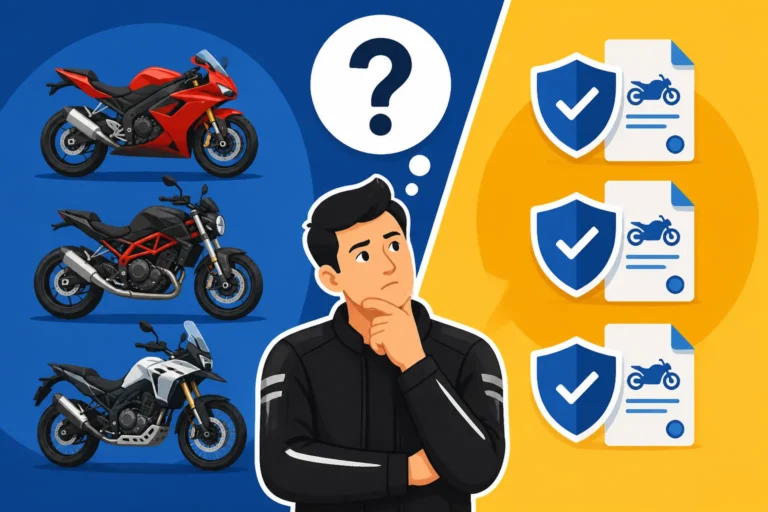
This is, hands down, the most effective strategy for finding affordable and comprehensive coverage. Never settle for the first quote you get, or simply stick with the same insurer you use for your car. Motorcycle insurance is a competitive market, and rates can vary significantly between companies for the exact same coverage. It's not uncommon for one insurer to offer rates hundreds of dollars lower than another, even for the same rider and bike.
Start by gathering quotes from several reputable providers like Dairyland, Markel, and Progressive. Don't be afraid to cast a wide net. Using an online comparison tool, such as The Zebra, can be a game-changer. These platforms allow you to input your information once and receive multiple quotes simultaneously, saving you a tremendous amount of time and effort. When comparing, make sure you're looking at identical coverage limits and deductibles to get an accurate side-by-side comparison. Also, look beyond just the lowest price; consider customer service ratings, claims processes, and financial stability of the insurer. A cheap policy is only truly valuable if the company delivers when you need them most, especially if you need to file a claim. Understanding how to compare motorcycle insurance quotes effectively ensures you’re making an informed decision, not just a hasty one.
Discounts to Look For
Insurance companies love to reward safe riders and those who minimize risk. This means a treasure trove of discounts is often available, but you have to know what to look for and ask about them! These savings can really add up, especially on a financed bike where you're already paying for higher levels of coverage.
One of the most common and impactful discounts is the motorcycle safety course discount. If you’ve completed an approved motorcycle safety course, like those offered by the Motorcycle Safety Foundation (MSF), many insurers will give you a break on your premium. This shows them you’re committed to safe riding and have enhanced skills. Another big one is the multi-policy or bundling discount. If you already have car insurance, home insurance, or even RV insurance with a company like State Farm or Nationwide, ask about bundling your motorcycle policy. This can often lead to substantial savings across all your policies. Installing anti-theft devices on your bike, such as alarms or GPS trackers, can also earn you a discount on your comprehensive coverage. Other potential discounts include good rider/driver discounts (for a clean driving record), mature rider discounts, multi-bike discounts if you insure more than one motorcycle, and even discounts for belonging to certain riding clubs or associations. Don't be shy; always ask your agent or check the insurer's website for a full list of available Motorcycle insurance discounts you're missing. Every dollar saved on premiums is a dollar you can put toward your loan or, better yet, more riding gear!
| Key Coverages for Financed Motorcycles | What it Covers | Why it's Crucial for Financed Bikes |
|---|---|---|
| Liability | Damages/injuries you cause to others | Legally required; protects lender from lawsuits |
| Collision | Damage to your bike from an accident | Lender requirement; covers repair/replacement of their asset |
| Comprehensive | Non-collision damage (theft, fire, vandalism, animal strikes) | Lender requirement; protects against major financial loss if bike is stolen/damaged without accident |
| Gap Insurance | The "gap" between actual cash value and loan balance if totaled | Prevents you from owing money on a non-existent bike |
| Uninsured/Underinsured Motorist | Damage/injuries caused by a driver with no or insufficient insurance | Protects you from others' negligence, critical for out-of-pocket costs |
Ultimately, having a financed motorcycle means you have a partner in your riding journey – your lender. Protecting their investment is paramount, and by extension, you're protecting your own financial future. Taking the time to understand the nuances of coverage, like the benefits of Gap insurance, and diligently shopping for quotes using tools like The Zebra, will ensure you hit the road with confidence and peace of mind.
Disclaimer
Please remember that insurance policies and requirements can vary widely. The information provided in this guide is for general informational purposes only and does not constitute professional financial or legal advice. Always consult with a qualified insurance professional to discuss your specific needs and review the terms and conditions of any policy before making a decision. Your loan agreement will outline the precise insurance requirements from your lender.