Does Motorcycle Insurance Cover a Loaned Helmet?
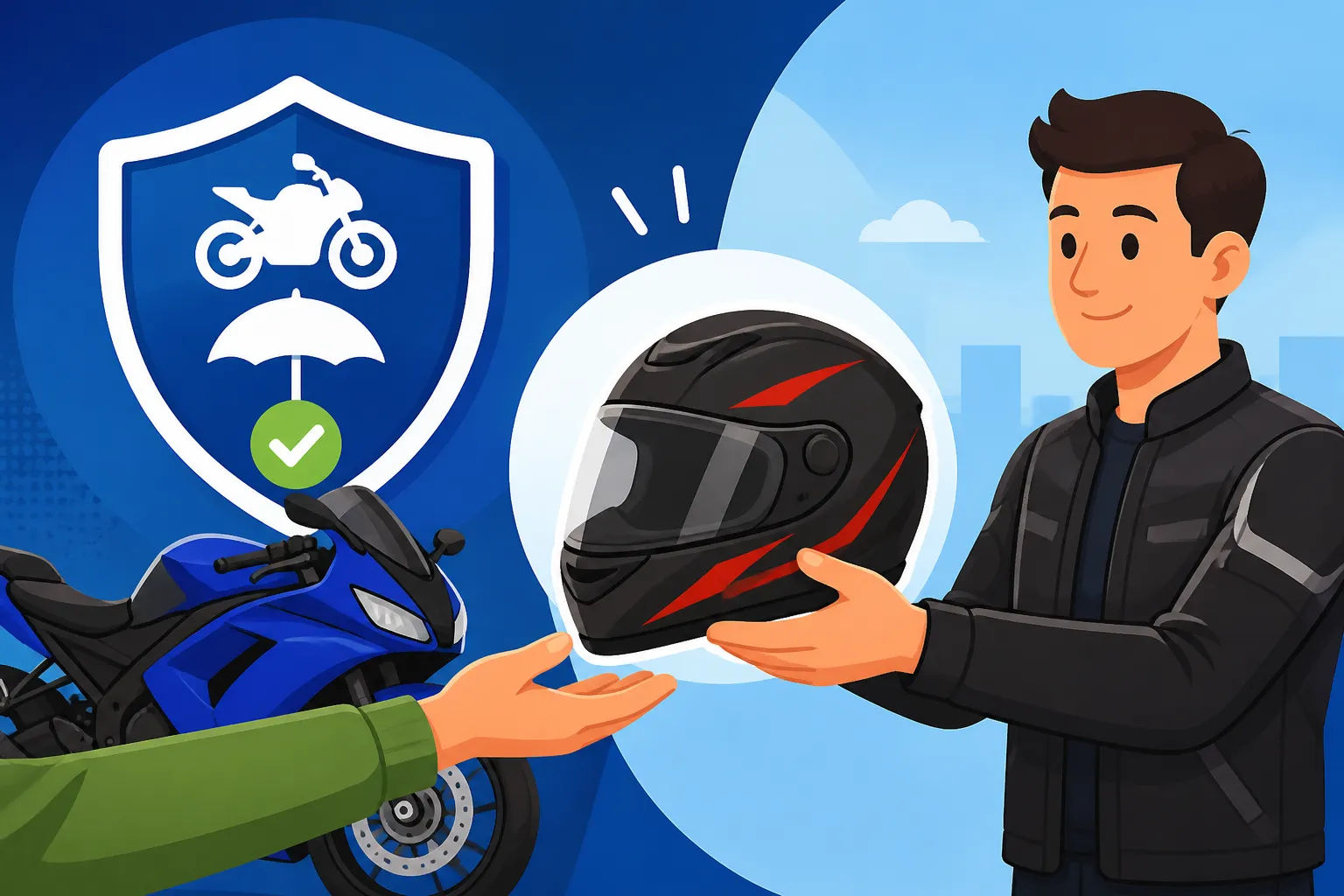
It’s a common scenario for riders: you’re heading out for a cruise, a buddy asks to join, but they don't have a helmet, or maybe their spare is at home. You, being the helpful sort, offer them yours. But then a little voice in the back of your head pipes up: what happens if that loaned helmet gets damaged in an accident or even just dropped? The question of whether your motorcycle insurance covers a helmet you’ve loaned out can be surprisingly tricky, and it’s a concern many riders face. This guide will dive deep into how personal property and specific gear coverage work, helping you understand where you stand when lending out your precious riding gear.
Understanding Standard Helmet Coverage with Your Policy
When it comes to motorcycle insurance, not all helmets are treated equally, and coverage can depend heavily on the specifics of your policy and the circumstances of the damage. It’s not always as straightforward as just "is it covered?" but rather "how is it covered, and under what conditions?"
Basic Inclusions for Your Own Riding Gear
Most comprehensive motorcycle insurance policies will offer some level of coverage for your personal riding gear, including your helmet, leathers, gloves, and boots. This is typically part of your comprehensive or collision coverage, treating your gear as an extension of your motorcycle itself. So, if you're in an accident, and your helmet is damaged alongside your bike, your policy would likely step in to help cover the replacement cost, minus your deductible. For instance, if your Shoei helmet, a staple for many riders, gets scuffed beyond repair in a low-side slide, and you have collision coverage, it would usually be covered. But remember, this is for your gear, damaged in an incident that your policy covers. This standard coverage often has a set limit, say $1,000 or $2,500, which might not cover a full set of premium gear, especially if you're rocking high-end safety equipment.
Exploring Specific Gear and Accessory Coverage Endorsements
Beyond the basic inclusions, many insurers offer specific endorsements that can significantly boost your protection for riding gear. This is where you might find "accessories and custom parts coverage" or "personal effects coverage." These endorsements are specifically designed to protect not just the modifications on your bike but also the expensive helmets and apparel you wear. For example, if you've invested in a top-of-the-line Sena-equipped helmet, custom riding suit, and special racing boots, their combined value can quickly exceed standard gear limits. Adding an endorsement like this can increase the coverage cap, sometimes up to $30,000 or more, ensuring that your valuable gear is replaced with like-kind quality, not just a basic entry-level helmet. It’s always worth reviewing your policy documents or talking to your agent to understand exactly what your current coverage entails and if adding a specific gear endorsement is a smart move for your lifestyle and equipment. You can often compare options by looking at resources that help you understand the different types of motorcycle insurance coverage explained.
The Nuances of Covering a Loaned Helmet
This is where things get a bit more complex. When you lend out your helmet, it changes hands, and so does the potential for how it's covered – or not covered – by an insurance policy. It's less about the helmet itself and more about the context of its use and ownership.
"Whose Property Is It?" The Key Insurance Question
Insurance policies are fundamentally built around ownership and insurable interest. When you lend your helmet to a friend, you still own it, but your friend is using it. This distinction is crucial. Your motorcycle insurance policy, in most cases, is designed to cover your property, primarily your motorcycle and your riding gear, when you or an authorized driver are operating the bike. While some policies extend coverage to permissive users of your motorcycle, that extension might not directly apply to personal items like a helmet that isn't permanently attached to the bike. It's not like your friend is driving your car and their own sunglasses get smashed; the helmet is your property, being used by them, and the liability for its damage becomes a gray area. This is a common point of confusion that The Zebra, an insurance comparison site, often helps consumers navigate by breaking down policy intricacies.
Liability Versus Personal Property Coverage for Loaned Items
Let's clarify the two main types of coverage at play here:
- Liability Coverage: This is designed to cover damages or injuries you cause to others in an accident. If your friend is riding your motorcycle and causes an accident, your liability coverage might kick in for damages to their property (if they sustained injury or their own gear was damaged) or the other party's property/injuries. However, it's unlikely to cover your own helmet, even if your friend was wearing it, because it's your property, not theirs, and liability typically doesn't cover your own items.
- Personal Property Coverage (Comprehensive/Collision/Specific Endorsement): This covers damage to your motorcycle and, by extension, your gear. If your helmet is damaged while being worn by a friend, the claim would likely fall under your comprehensive or collision coverage (assuming the incident was covered by these perils). The catch here is proving the circumstances of the damage. Was the damage directly related to an accident that your motorcycle was involved in, and thus covered by your collision? Or was it dropped in the parking lot, which might fall under comprehensive if it was vandalized, or not covered at all if it was a simple "oops" moment? The specific language of your policy's collision vs comprehensive motorcycle coverage will dictate the outcome.
In essence, while your policy might cover your helmet if it's damaged in a covered incident, the fact that it was loaned complicates things. The insurance company might look to see if your friend's actions contributed to the damage and if their own insurance (homeowners, renters, or even their own motorcycle policy if they have one) might offer secondary coverage for personal property. It really highlights the importance of understanding the fine print.
When Your Policy Might Step In
Despite the complexities, there are scenarios where your motorcycle insurance could cover a loaned helmet. If the helmet is damaged in an accident while your friend is riding your insured motorcycle, and that accident is covered by your policy (e.g., you have collision coverage and the accident was a collision), then the helmet might be covered under your personal riding gear limits. This is because, from the insurer's perspective, the helmet is still part of your insurable property that was being used in conjunction with your covered vehicle.
For example, imagine your friend borrows your Harley-Davidson and helmet for a short ride. If they get into a fender bender that totals your bike, and your helmet is crushed, your collision coverage would likely cover the helmet's replacement value up to your gear limit, just as it would if you were wearing it. The key is that the damage must result from a covered peril as defined in your policy. If your friend simply drops your helmet off your bike while parked, and it cracks, that’s usually not a covered peril under standard comprehensive or collision, unless you have a specific "accidental damage" clause for gear, which is rare. Some specific endorsements, like "personal articles" floaters from a general insurer (like those you might get from State Farm or Allstate for jewelry or art), could cover such incidental damage, but that's separate from your motorcycle policy.
Proactive Measures for Protecting Your Gear
Riding gear is an investment, often a significant one. Protecting that investment, whether it's for your own use or when lending it to a friend, requires a proactive approach and a clear understanding of your coverage limits.
Keeping a Detailed Inventory of Your Riding Apparel
One of the simplest yet most effective ways to protect your valuable riding gear is to keep a meticulous inventory. This isn't just for insurance purposes; it helps you track your investments. Take photos or videos of your helmet, jacket, pants, gloves, and boots, especially any high-value items or custom modifications. Document the make, model, serial number (for helmets), purchase date, and original price. Keep receipts readily accessible. If you ever have to file a claim, whether it's for a stolen helmet or one damaged in an accident, this detailed inventory will be invaluable.
Consider this: if your helmet, worth $700, gets damaged and you don't have proof of purchase or clear photos, the insurance adjuster might only offer you the depreciated value of a generic helmet. With an inventory, you can demonstrate its actual value, making the claims process smoother and ensuring a fairer payout. This also helps you understand if your current coverage limits are sufficient. A resource like The Zebra can help you assess if your current policy’s gear coverage meets your inventory's value, or if you need to look into options like accessories and custom parts coverage explained.
Discussing Coverage and Responsibilities Before Lending
This might feel awkward, but having an open conversation with your friend before lending out your gear is crucial. It’s not about mistrust, but about setting clear expectations and understanding potential risks. Here’s what to discuss:
- Your Insurance Coverage: Briefly explain that your motorcycle insurance generally covers your gear but might be limited when loaned. Mention the deductible.
- Their Insurance: Ask if they have any personal property coverage through their own homeowners, renters, or even a separate personal articles policy that might offer secondary coverage. Some credit cards even offer purchase protection that could cover accidental damage to items bought with them.
- Responsibility for Damage: Clearly state that if the helmet is damaged due to their negligence (e.g., they drop it, scratch it, or don't properly secure it), you expect them to cover the repair or replacement cost. This isn't a legal contract necessarily, but an agreement between friends.
- Scenario Planning: You might even run through a hypothetical: "If we're riding, and something happens, my policy might cover it if it's part of a larger claim. But if you just drop it getting off the bike, that's likely on us to figure out."
This conversation might seem formal, but it prevents misunderstandings and preserves friendships in the event of an unfortunate incident. It’s also a good time to remind your friend about proper helmet care, like not sitting on it or dropping it, which can compromise its structural integrity even without visible damage.
| Damage Scenario | Helmet Owner | Used By | Typical Motorcycle Policy Coverage (Owner's) | Potential Considerations |
|---|---|---|---|---|
| Accident (Collision) | Owner | Owner | Likely covered under collision/comprehensive, up to gear limits, after deductible. | Proving actual cash value or replacement cost. |
| Accident (Collision) | Owner | Friend (Loan) | Likely covered under collision/comprehensive if damage results from covered accident, up to gear limits, deductible. | Policy might scrutinize permissive use, friend's negligence. Friend's homeowners/renters might offer secondary coverage. |
| Theft | Owner | Owner | Covered under comprehensive if stolen with bike or from secure location, up to gear limits. | Proof of ownership, value, police report. |
| Theft | Owner | Friend (Loan) | Potentially covered under comprehensive if stolen while with friend (e.g., from friend's bike), up to gear limits. | Insurer might question how it was secured, location of theft. Friend's homeowners/renters might apply. |
| Accidental Drop | Owner | Owner | Generally NOT covered by standard motorcycle comprehensive/collision. | May be covered by a separate "personal articles" policy or specific accidental damage rider, if purchased. |
| Accidental Drop | Owner | Friend (Loan) | Generally NOT covered by standard motorcycle comprehensive/collision. | Friend is likely responsible for replacement. Their homeowners/renters policy might have some personal property coverage for non-vehicle related items. |
| Vandalism | Owner | Owner | Covered under comprehensive, up to gear limits. | Police report required. |
| Vandalism | Owner | Friend (Loan) | Covered under comprehensive if still considered owner's property, up to gear limits. | Police report, specifics of vandalism event. |
This table illustrates the common scenarios, but remember, every policy is different, and the specifics of your coverage and limits for your motorcycle and gear are paramount.
Smart Practices for Lending or Borrowing Riding Gear
Lending gear to fellow riders is a kind and generous gesture, but it doesn't have to be a gamble. With a few smart practices, you can minimize potential headaches and ensure everyone's protected.
Formalizing the Loan, or At Least Being Clear About Expectations
While you might not need a notarized contract every time you lend a helmet to a pal, having a clear understanding — whether verbal or written — is incredibly helpful. For a casual ride with a trusted friend, a simple conversation might suffice, as discussed earlier. However, if you're lending out a very expensive, custom helmet to someone you don't know intimately, or for an extended period, you might consider a more formal agreement.
This could be as simple as an email outlining:
- The item being loaned (e.g., "My Arai Corsair-X helmet, size Large, black, S/N: 12345, approximate value $800").
- The duration of the loan.
- An agreement that the borrower is responsible for any damage not covered by the owner's insurance, or damage due to misuse or negligence.
This isn't about being bureaucratic; it's about protecting your investment and your friendship. In the unfortunate event of damage, it provides a clear reference point, which can prevent disputes and awkward conversations. When researching options, consider getting a few motorcycle insurance quotes online to see how various companies handle gear coverage.
Considering Personal Articles Policies for High-Value Items
If you own exceptionally expensive riding gear – think custom-painted helmets, premium racing suits, or even vintage leather jackets – relying solely on your motorcycle insurance's standard gear coverage might leave you underinsured. Many policies have limits, and even with a specific endorsement, you might find a gap in coverage, especially for items not damaged in a motorcycle accident but, say, lost or dropped.
This is where a "personal articles floater" or "scheduled personal property" policy comes in handy. These are separate policies, often offered by major insurers like Progressive or Nationwide, that specifically cover high-value items, regardless of where they are or how they get damaged (with few exclusions). For instance, if your $1,200 carbon-fiber helmet is accidentally dropped and cracked in your garage, a personal articles policy could cover it, whereas your standard motorcycle insurance likely would not. These policies are usually "agreed value," meaning you and the insurer agree on the item's value upfront, and that's what you'll get if it's a total loss, rather than a depreciated amount. This can be a smart move, especially if you have a collection of high-end gear or a specific item that holds significant value. The Zebra also points out the value of these standalone policies for unique and expensive possessions that don't fit neatly into standard insurance categories.
Remember, whether you're lending or borrowing, helmets are critical safety equipment. Beyond the financial aspect, ensure any helmet being used is in good condition and fits properly. Safety should always be the top priority for any ride.
Disclaimer
This article is for general informational purposes only and does not constitute professional advice. Laws, prices and regulations vary by location and change over time. Consult a qualified professional for guidance on your specific situation.