Do You Need Comprehensive if You Store Your Bike in Winter?
That crisp autumn air is setting in, the leaves are turning, and for many riders, it means that bittersweet time of year: putting the bike away for winter. It's a real drag, I know. But before you tuck your beauty into the garage for its long nap, a question often nags at us: "Do I really need to keep full comprehensive insurance on it when it's not even on the road?" It’s a completely valid concern, as no one wants to pay for coverage they don't truly need. This guide is here to help you navigate that exact dilemma, breaking down the often-confusing world of winter motorcycle insurance and helping you decide what's right for your ride and your wallet.
Understanding Comprehensive Coverage for Your Motorcycle
Let's start by demystifying comprehensive coverage itself. Unlike liability insurance, which covers damages you might cause to others, or collision coverage, which takes care of your bike if you hit something (or something hits you while you're riding), comprehensive is designed for those "non-collision" events. It's the silent protector for all those unpredictable things that can happen when your bike is parked, stored, or simply minding its own business.
What Exactly Does Comprehensive Cover?
When we talk about comprehensive coverage, we're really talking about a broad safety net. It steps in for damages that aren't the result of an actual road accident. Think about it: your bike is a significant investment, and it's vulnerable to more than just fender benders.
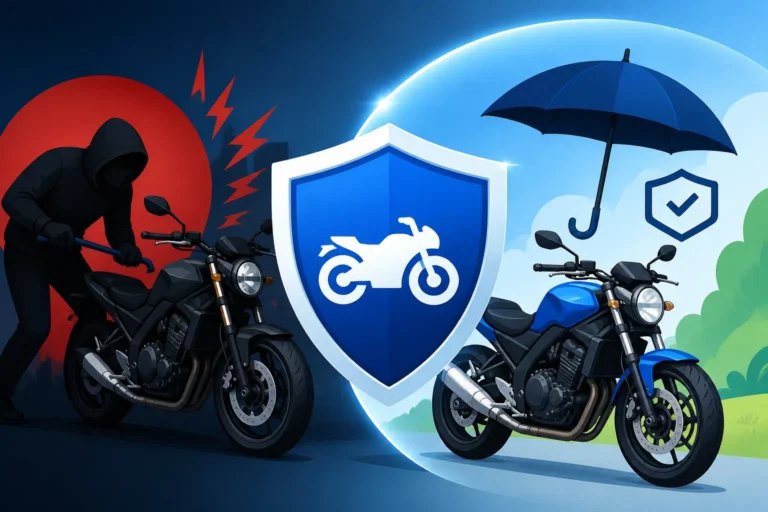
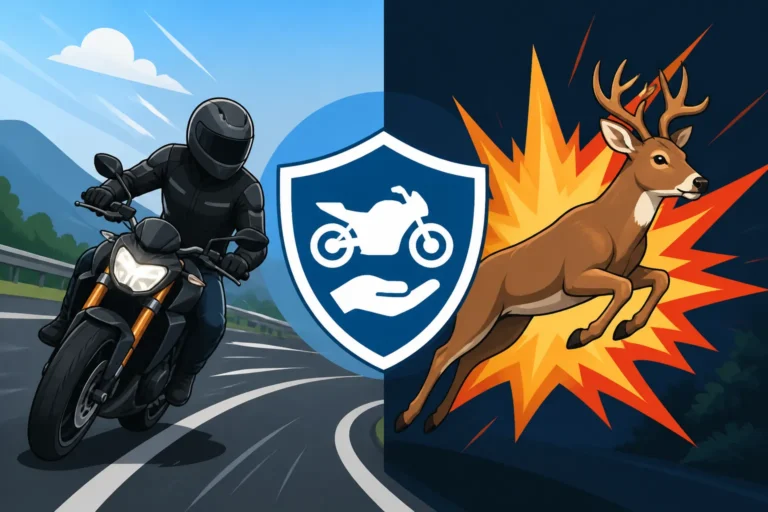
For instance, if your motorcycle is stolen right out of your garage or from a storage unit, comprehensive coverage is what would typically help replace it. This is a huge concern for many riders, as motorcycle theft, unfortunately, remains a persistent issue. It's not just outright theft either; vandalism, like someone keying your tank or breaking off a mirror, would also fall under this type of protection. Beyond human mischief, comprehensive coverage usually covers natural perils. Imagine a severe hailstorm that dents your fairings, a tree falling on your shed where the bike is stored, or even flood damage from heavy rains overwhelming your garage. Fire, whether from an electrical issue in your home or a nearby incident, is another major concern that comprehensive coverage addresses. Even something as seemingly minor as hitting a deer while on a late-season ride, which isn't a collision with another vehicle, is often covered by comprehensive. To get a deeper dive into the different types of protection, you might want to read our guide on Types of Motorcycle Insurance Coverage Explained.
Why Riders Consider Suspending Coverage in Winter
It makes total sense why riders would contemplate scaling back their insurance during the colder months. For many, riding season is a distinct period, typically from spring through late fall. Once the snow flies and the temperatures drop, the bike is parked, often in a garage, a storage unit, or under a cover. If it's not actively being ridden, the logic goes, why pay for full coverage, especially collision? The financial savings can seem appealing, particularly if you have a tight budget or are looking to cut costs wherever possible.
Some riders might think, "My bike is safely locked away; what could possibly happen?" They might believe their homeowner's or renter's insurance will cover any potential damage or theft, which often isn't the case for vehicles unless specifically endorsed. The idea of pocketing those premium payments for several months can be a strong motivator. However, this often overlooks the very real, non-riding risks that comprehensive coverage is designed to address, risks that don't disappear just because the riding season does. This is a common point of confusion, and understanding the nuances is crucial before making any changes to your policy.
The Risks Your Motorcycle Faces in Winter Storage
It's easy to assume that once your motorcycle is tucked away, it's safe from harm. Out of sight, out of mind, right? Unfortunately, that's not always the reality. While the risk of a road accident certainly plummets, your bike is still vulnerable to a whole host of other perils during its winter hibernation.
Theft and Vandalism Risks
You might think your locked garage is Fort Knox, but sadly, thieves are often more resourceful than we give them credit for. Motorcycle theft doesn't stop just because it's cold outside. In fact, some thieves target stored bikes, knowing they're less likely to be moved and more vulnerable to a planned extraction. A locked garage, a shed, or even a self-storage unit can still be breached. A friend of mine in suburban Denver had his Harley-Davidson stolen right out of his "secure" community garage one winter. Thieves cut through the chain link fence, broke the lock, and were gone. If you had dropped your collision and comprehensive coverage, you'd be looking at a total loss out of your own pocket.
Vandalism is another unfortunate reality. Maybe a disgruntled neighbor, a random act of mischief, or even someone trying to break in and damaging your bike in the process. These incidents aren't "collisions," and without comprehensive coverage, you'd be footing the bill for repairs to paint, fairings, or even electrical systems. Our article on Does Motorcycle Insurance Cover Theft? delves deeper into how coverage protects you in such unfortunate events. Even if you're not riding, your motorcycle is still a valuable asset, and protecting it from these types of criminal acts is exactly what comprehensive coverage is for.
Natural Disasters and Environmental Damage
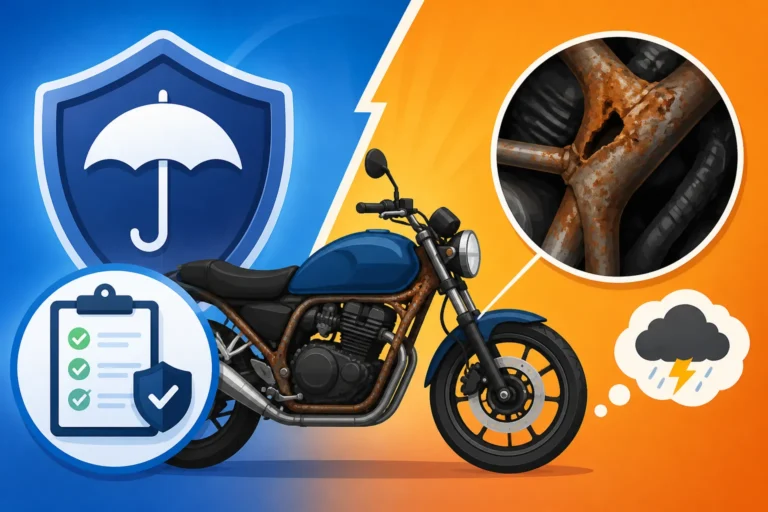
Mother Nature doesn't care if your motorcycle is in storage. Winter storms bring heavy snow, ice, and high winds. A collapsing roof from excessive snow load, a branch falling through a window, or even unexpected flooding in your garage can cause significant damage. These are all events that comprehensive insurance typically covers. I've heard horror stories from riders in states like Florida, where unexpected cold snaps can burst pipes, leading to water damage in garages, or from riders in the Midwest who faced devastating tornadoes that destroyed their entire homes and everything inside.
Furthermore, fire can be an unpredictable destroyer. Whether it's an electrical short in your home, a faulty appliance in the garage, or a wildfire that gets too close to your property, fire damage can turn your cherished motorcycle into a total loss in minutes. Homeowner's insurance may offer some limited coverage for personal property, but it's often not enough to cover the full replacement value of a motorcycle, especially if it's a newer model or has extensive customizations. The specific limits and exclusions of your homeowner's policy often leave a significant gap when it comes to vehicles.
Accidental Damage While Stored
Even in storage, accidents can happen. Maybe you're moving things around in the garage, and a heavy box tips over onto your motorcycle. Or perhaps a shelving unit collapses, causing damage to the paint, tank, or handlebars. It could be something as simple as accidentally backing your car into it while parking in a shared garage space. These aren't intentional acts, nor are they typical "road collisions," but they can still result in costly repairs.
Let's say you're doing some maintenance or cleaning, and the bike slips off a stand, causing it to fall. A dropped or tipped-over bike, even when stationary, can lead to bent levers, scratched fairings, or worse. Without comprehensive, these "oops" moments will come directly out of your wallet. While these incidents might seem less dramatic than a theft or a natural disaster, they are surprisingly common and can still result in significant repair bills. Comprehensive coverage acts as a financial buffer for these everyday mishaps that can occur even in the safest-looking storage environments.
The Benefits of Keeping Comprehensive Coverage During Winter
So, with all these potential risks, the idea of dropping comprehensive coverage during winter starts to look a lot less appealing. There are some very tangible benefits to maintaining this coverage, even when your bike is tucked away for the season.
Peace of Mind and Financial Protection
Let's be honest, as riders, our motorcycles are more than just machines; they're passions, investments, and often, sources of immense joy. Knowing that your bike is protected, even when you can't be out riding it, offers invaluable peace of mind. You wouldn't leave your house uninsured for six months, would you? Your motorcycle, especially a high-value one, deserves similar consideration.
If the worst happens – theft, fire, flood – comprehensive coverage ensures you're not left in a devastating financial hole. Instead of having to pay for a new bike entirely out of pocket, or shoulder the burden of thousands in repairs, your insurance company, like a good friend from The Zebra, can step in to cover the costs, minus your deductible. This financial safety net can prevent a major setback and allow you to get back on two wheels (or replace your bike) much faster and with less stress. This is particularly important for those with newer or financed bikes, where the financial obligation is still significant.
Avoiding Lapses and Potential Rate Hikes
One overlooked consequence of canceling or significantly reducing your coverage (like dropping comprehensive entirely) is the potential for a coverage lapse. Insurance companies don't love gaps in coverage. A lapse, even for a few months, can sometimes signal to insurers that you're a higher risk, potentially leading to increased premiums when you go to reinstate your policy in the spring. Some states might even penalize you for coverage lapses, impacting your driving record, even if it's on a motorcycle. Our guide on What Happens if You Let Coverage Lapse Then Restart? further explores these consequences.
Maintaining continuous comprehensive coverage, even during the off-season, ensures you avoid these potential penalties and maintain a consistent insurance history. This can contribute to lower rates in the long run. Many insurers also offer specific "storage" or "seasonal lay-up" options, which reduce your premium significantly during the non-riding months while still keeping comprehensive protection active. This is often a much smarter financial move than completely canceling coverage.
Protecting Customizations and Accessories
Many riders, myself included, pour a significant amount of money and personal touch into customizing their motorcycles. From performance upgrades and custom paint jobs to aftermarket exhausts and comfortable touring seats, these additions aren't just cosmetic; they add real value and often a deep personal connection to the bike.
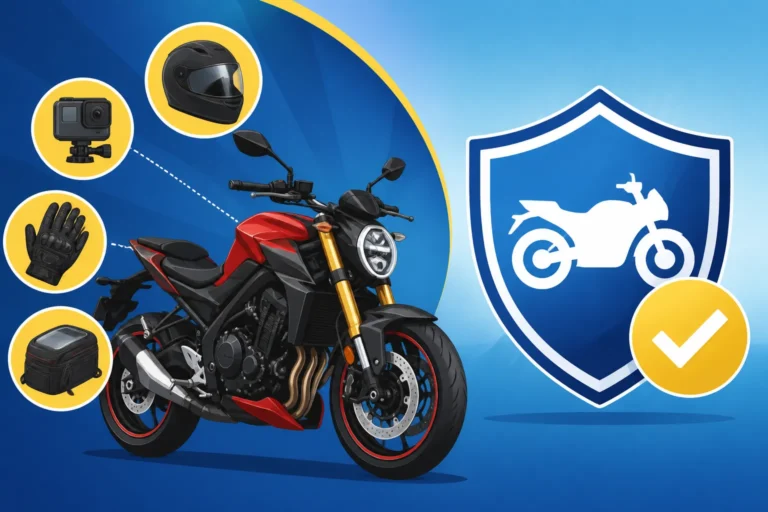
Standard comprehensive coverage typically has a base amount for accessories and custom parts, but often, it's not enough to cover everything. If you've invested heavily in custom work, you'll want to ensure you have adequate coverage for these specific items. Many insurance providers offer separate, additional coverage for accessories and customizations. If your bike is stolen or damaged by fire while in storage, and you only had basic comprehensive, you might find that your custom fairings, upgraded stereo system, or bespoke saddlebags aren't fully covered. It would be a cruel twist of fate to have your bike protected but lose thousands in custom parts. Be sure to discuss this with your insurer to understand your limits and consider adding extra protection, as detailed in our article, Accessories & Custom Parts Coverage Explained.
Alternative Approaches to Winter Motorcycle Insurance
While keeping full comprehensive coverage year-round is often the safest bet, there are a couple of nuanced approaches you can consider, especially if you're looking to trim down your expenses without exposing your bike to undue risk.
Seasonal Lay-Up or Storage Coverage Options
Many insurance companies recognize that motorcycles aren't typically ridden year-round, especially in colder climates. Because of this, they offer specialized policies or endorsements designed for the off-season. These are often called "seasonal lay-up" or "storage" coverage options. The beauty of these plans is that they allow you to temporarily suspend collision and liability portions of your policy, which are only relevant when the bike is actively being ridden, while still maintaining comprehensive coverage.
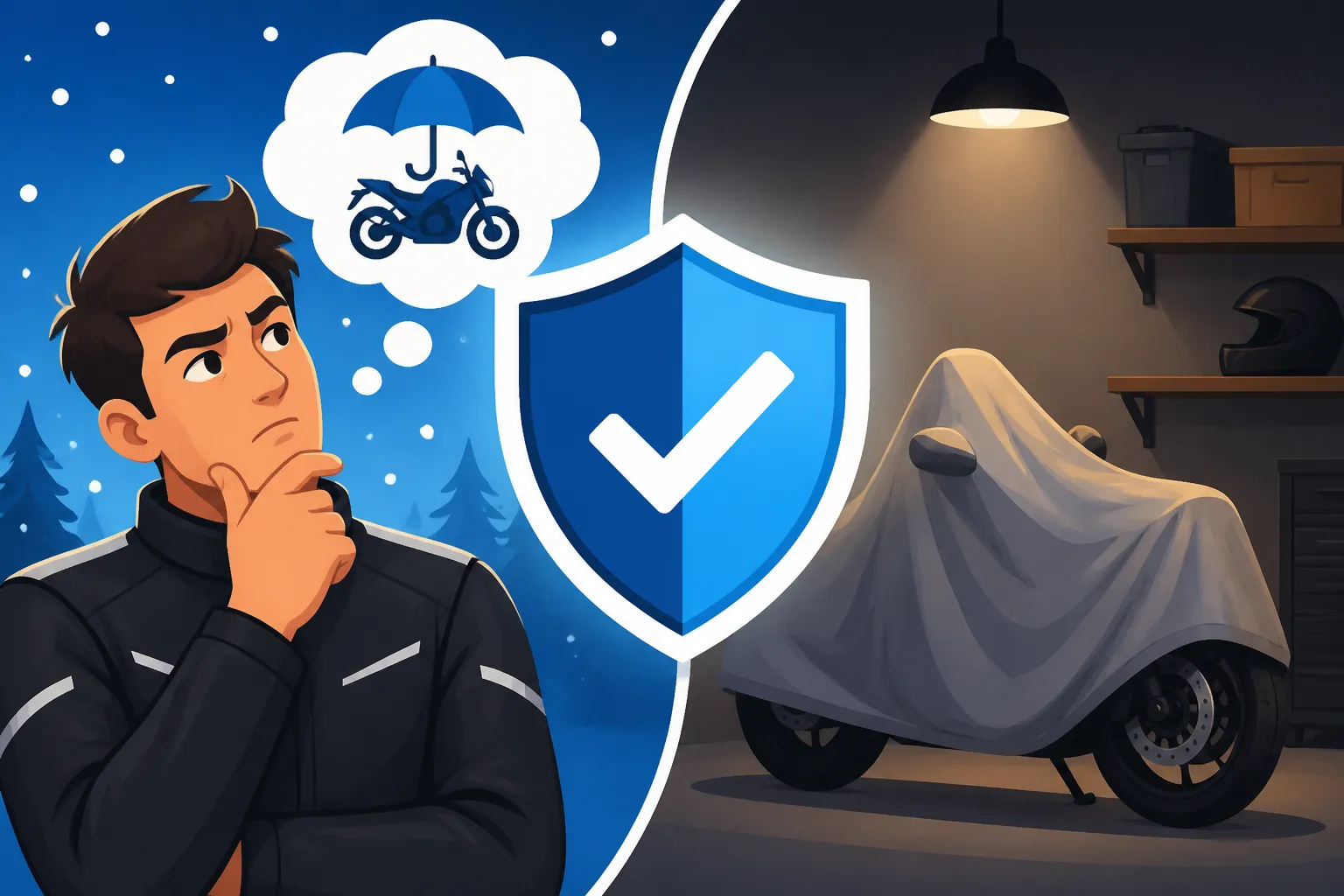
This means you're still protected against theft, vandalism, fire, flood, and other non-collision damages that can occur even when your bike is parked. The premium for such a policy is significantly lower than a full coverage policy because the riskiest elements (on-road accidents) have been removed. It's an excellent middle-ground solution for riders who want to save money but don't want to leave their valuable asset completely exposed. For example, if you live in a state like New York or Michigan, where winters can be harsh, many riders opt for this. It's worth a call to your current insurer to see if they offer this option or if you need to specifically ask for it. Learning more about Seasonal Lay-Up & Winter Storage Insurance can give you further clarity.
Comparing Costs: Full vs. Comprehensive Only
Before making any changes, it's crucial to understand the actual financial impact. Sometimes, the savings from dropping collision and liability during the winter months might be less than you expect, or not enough to justify the increased risk and potential hassle of reinstating full coverage.
Here's a breakdown of what to compare:
- Full Coverage (year-round): This includes liability, collision, and comprehensive. It's the most expensive option but offers continuous, complete protection.
- Comprehensive-Only (winter) & Full Coverage (riding season): This involves calling your insurer to specifically modify your policy for the winter, dropping liability and collision, then calling again in the spring to add them back. This saves money during the winter months.
- Comprehensive-Only (year-round): This means you only ever have comprehensive coverage, which is usually only an option if you don't ride the bike at all, or only store it and never legally ride it on public roads.
Consider the time and effort involved in making these policy adjustments twice a year. Some riders find it a hassle, and the risk of forgetting to reinstate coverage before their first spring ride is a real concern, potentially leading to riding uninsured. It's a good idea to get quotes for both scenarios from your insurance provider or comparison sites like The Zebra to see the actual dollar difference. Don't forget that if you have a financed bike, your lender will almost certainly require you to maintain full coverage at all times, making the "comprehensive-only" option a non-starter.
Here's a simplified example of how costs might compare (these are illustrative figures and vary wildly by location, bike, and rider profile):
| Coverage Type | Annual Cost Estimate | Winter (4 months) Cost | Spring/Summer (8 months) Cost | Notes |
|---|---|---|---|---|
| Full Coverage (Year-Round) | $1,200 | $400 | $800 | Simplest, most protection. |
| Seasonal Lay-Up (Comprehensive Only) | $800 (overall) | $100 ($25/month) | $700 | Requires policy adjustment, good savings. |
| Comprehensive Only (Year-Round) | $300 | $100 | $200 | Lowest cost, but illegal for road use. Only for storage. |
| No Coverage (Winter) | $700 (overall) | $0 | $700 | Maximum risk, potential lapse penalties and higher future rates. |
This table clearly shows the cost differences. While dropping to comprehensive only for winter can save you money, the "no coverage" option, even just for a few months, is almost never advisable due to the significant risks and potential long-term penalties. You can explore how to get Cheap Motorcycle Insurance for more ways to save without sacrificing essential protection.
How to Evaluate Your Specific Needs
Deciding on the right winter insurance strategy isn't a one-size-fits-all situation. Your choice should be a thoughtful one, considering your unique circumstances, your motorcycle, and your personal risk tolerance.
Factors to Consider for Your Bike and Storage Situation
Every rider's situation is different, and what works for one might not work for another. When weighing your options, think about these key factors:
- Motorcycle Value: Is it a brand-new Harley-Davidson Street Glide or a vintage Suzuki GS500 that you picked up for a song? The higher the replacement cost, the more financial risk you're taking by going without comprehensive coverage. For a financed bike, your lender will mandate full coverage regardless.
- Customizations: As we touched on, if you've poured money into custom paint, performance parts, or expensive accessories, that represents an even greater investment that needs protection. Make sure your Accessories & Custom Parts Coverage Explained is up to snuff.
- Storage Location: Where will your bike spend the winter?
- Locked, attached garage: Generally safer, but not immune to theft or fire.
- Detached garage/shed: Can be more vulnerable, especially to theft.
- Self-storage unit: Often has security, but check the specific terms of your lease and if they require vehicle insurance.
- Outdoor, under a cover: This is the highest risk for theft, vandalism, and environmental damage. If this is your situation, cutting comprehensive would be extremely risky.
- Local Risk Factors: Are you in an area with high rates of motorcycle theft, or prone to severe winter weather like heavy snow, ice storms, or even potential flooding?
- Financial Situation: Can you comfortably afford to replace your motorcycle out of pocket if it were stolen or totaled by fire? If not, the relatively small cost of comprehensive coverage is likely a wise investment.
Consider these details honestly. If you live in an area known for severe weather or high theft rates, maintaining comprehensive coverage becomes even more critical.
Getting Quotes and Making an Informed Decision
The best way to figure out what's right for you is to do your homework. Don't just assume what your current policy covers or how much you might save.
- Contact Your Current Insurer: Talk to your agent or call their customer service. Ask specifically about seasonal lay-up options, or what the difference in premium would be if you dropped collision and liability for a few months. Be clear that you want to retain comprehensive. Ask about the process for reinstating full coverage in the spring.
- Shop Around: Don't limit yourself to your current provider. Use online comparison tools, like those offered by The Zebra, to get quotes from multiple insurers. You might find that another company offers a better deal on year-round comprehensive, or has more flexible seasonal options. Comparing motorcycle insurance quotes can reveal significant savings.
- Read the Fine Print: Understand what "comprehensive" truly covers with each policy. Are there specific exclusions? What are the deductibles? Does it include enough coverage for your custom parts?
- Consider the Hassle Factor: Think about whether saving a few dollars is worth the effort of repeatedly modifying your policy and the potential stress of forgetting to reinstate full coverage before hitting the road. Our guide on Canceling or Switching Mid-Policy has valuable insights if you decide to change providers.
Ultimately, the decision to keep comprehensive coverage on your stored motorcycle depends on your individual risk tolerance and financial situation. For most riders, especially those with valuable bikes or in high-risk areas, maintaining at least comprehensive coverage during the winter months offers a sensible balance of cost savings and essential protection. Don't let a few months of "out of sight, out of mind" lead to a major financial headache down the road.
Disclaimer
This article is for general informational purposes only and does not constitute professional advice. Laws, prices and regulations vary by location and change over time. Consult a qualified professional for guidance on your specific situation.