What Is Medical Payments Coverage on a Motorcycle?
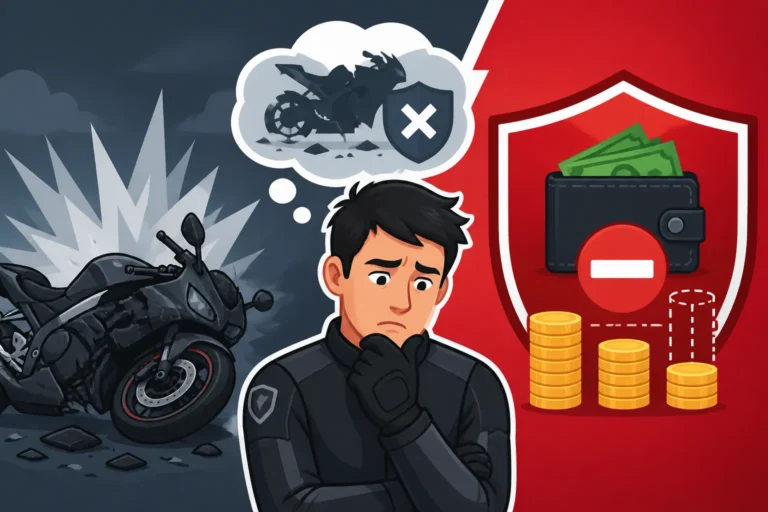
Riding a motorcycle comes with an unparalleled sense of freedom, but it also means acknowledging the inherent risks. One of the biggest worries many riders have isn't just the damage to their bike in an accident, but the crushing weight of medical bills, even if another driver is at fault. It can feel like you're left to fend for yourself when the unexpected happens. This comprehensive guide is here to demystify Medical Payments (MedPay) coverage for motorcycles, explaining exactly what it is, how it works, and why it might be a critical safety net you didn't even know you needed.
Understanding Medical Payments Coverage
Let's cut through the jargon and get to the heart of what Medical Payments coverage, often just called MedPay, actually means for you as a rider. It's a type of coverage designed to help with medical expenses for you and your passengers after a motorcycle accident, regardless of who caused the crash. Think of it as a helpful financial cushion when you’re dealing with the immediate aftermath of an unexpected incident. It’s not about assigning blame; it’s about getting care when you need it most.
What MedPay Actually Covers
When you're dealing with the shock and pain of an accident, the last thing you want to worry about is how you're going to pay for your doctor's visit or a trip to the emergency room. MedPay steps in to cover "reasonable and necessary" medical expenses incurred due to a motorcycle accident. This can include a wide range of services and costs, ensuring you're not left footing the bill entirely out of pocket during a vulnerable time.
For instance, if you take a spill and end up with a broken wrist, MedPay can help cover the ambulance ride, the ER visit, X-rays, and even follow-up physical therapy. It's designed to be pretty broad in what it assists with. This coverage typically extends to you, any passenger on your bike, and sometimes even family members who are injured while operating or riding your insured motorcycle, or even if they're struck by a vehicle as a pedestrian. It often covers things like dental care if your teeth are damaged in an accident, prosthetics if an injury is severe, and even funeral expenses in the worst-case scenario. Unlike some other coverages, MedPay doesn't usually come with a deductible, meaning once it kicks in, it starts paying up to your chosen limit without you having to pay a portion first. This can be a huge relief when medical bills start piling up.
How MedPay Differs from Health Insurance and PIP
It’s easy to get confused with all the different types of insurance out there, especially when it comes to medical costs. Many riders wonder if their regular health insurance is enough, or if MedPay is just a redundant expense. The truth is, MedPay plays a very distinct and valuable role that often complements, rather than duplicates, your health insurance or Personal Injury Protection (PIP). Understanding these differences is key to making an informed decision about your coverage. You can learn more about the various options available in our guide on the Types of Motorcycle Insurance Coverage Explained.
Your personal health insurance is certainly important, but it might not cover all accident-related expenses, especially immediately. Health insurance often has high deductibles and co-pays that you have to meet before it starts paying significantly. Plus, there can be delays in processing claims, leaving you with upfront costs while you wait. MedPay, on the other hand, typically pays out much faster, directly covering immediate medical costs regardless of fault, and often without a deductible. This means quick access to funds for your treatment.
Then there's Personal Injury Protection (PIP), which you might encounter in "no-fault" states. While PIP also covers medical expenses regardless of fault, it's generally more comprehensive than MedPay, often including lost wages and essential services (like if you need help around the house because of your injuries). However, PIP isn't available in all states for motorcycle policies, and where it is, it might have specific limitations. MedPay is often available even in "at-fault" states, offering a similar no-fault medical benefit where PIP isn't an option. For riders in states without PIP, or those wanting extra layers of protection beyond their health insurance's potentially high out-of-pocket costs, MedPay stands as a robust alternative. It's a layer of protection that can make a real difference, especially when you consider that a car driver's liability insurance might take a long time to pay out, or not cover all your expenses if you’re deemed partially at fault.
To make it a little clearer, here's a quick comparison:
| Feature | Medical Payments (MedPay) Coverage | Health Insurance | Personal Injury Protection (PIP) |
|---|---|---|---|
| Payer | Your motorcycle insurer | Your health insurer | Your auto/motorcycle insurer (in no-fault states) |
| Fault Required? | No, pays regardless of fault | No, pays for treatment regardless of cause | No, pays regardless of fault |
| Deductible | Typically no deductible | Often has a deductible and co-pays | May or may not have a deductible |
| Payout Speed | Generally fast, direct to provider or you | Can have delays due to claim processing | Generally fast, similar to MedPay |
| What it Covers | Medical, surgical, dental, funeral expenses | Broad medical expenses, often subject to in-network rules | Medical expenses, lost wages, essential services, funeral expenses |
| Who it Covers | You, passengers, sometimes family members | You, covered family members | You, passengers, covered family members |
| Availability | Widely available for motorcycles | Widely available through employers or private plans | Limited to "no-fault" states and specific policies for motorcycles |
| Subrogation | No (insurer typically won't seek reimbursement from you) | Yes (insurer may seek reimbursement from liable party's insurer) | No (insurer typically won't seek reimbursement from you) |
Why MedPay is Essential for Riders
Let’s be honest, nobody wants to think about getting into an accident. But as riders, we know the road can be unpredictable, and even the most skilled among us can’t control every variable. That’s why having the right protections in place isn't just smart, it's essential for peace of mind. MedPay isn’t just another line item on your policy; it's a vital safety net that addresses some very specific, and often immediate, needs after a crash.
Bridging Gaps in Traditional Insurance
One of the most compelling reasons to consider MedPay is its ability to fill the voids left by other forms of coverage. It’s like having an extra layer of armor for your finances when an accident leaves you physically vulnerable. You might think your health insurance has you covered, but as we touched on, there are often significant gaps that MedPay can effortlessly bridge.
Imagine you're involved in an accident that's clearly the other driver's fault. While their liability insurance should cover your medical bills, the reality is that these things can drag on for months, sometimes even years, in legal battles and negotiations. In the meantime, medical providers want to be paid. Your health insurance might cover some of it, but with a high deductible – say, $5,000 – you're on the hook for that amount upfront. If you have MedPay with a $5,000 limit, it can step in to cover that deductible and get those bills paid while you focus on recovery. This is a critical benefit, because it means you're not depleting your savings or taking on debt just to get the immediate care you need. This quick access to funds can make all the difference during a stressful time, preventing those immediate medical bills from snowballing into a financial crisis. For riders looking for comprehensive protection, understanding coverages like MedPay is as important as understanding Uninsured & Underinsured Motorist Coverage (UM/UIM).
Furthermore, what if the other driver has insufficient liability coverage, or worse, no insurance at all? We've talked about the importance of Uninsured & Underinsured Motorist Coverage (UM/UIM) for property damage and bodily injury, but MedPay can still provide immediate relief for your medical bills without impacting your UM/UIM limits. It’s a separate pool of money specifically earmarked for medical expenses. In certain states, health insurance might even attempt to recover costs from your settlement if you get one – a process called subrogation. MedPay usually isn't subject to subrogation, meaning the payout is for your benefit and generally won't be claimed back by another insurer.
Immediate Payouts and No-Fault Benefits
When you've just been in an accident, speed matters, especially when it comes to medical treatment. The beauty of MedPay is its no-fault nature and the often-expedited payout process. This means less red tape and quicker access to the funds you need for immediate care, which can be a huge relief in a high-stress situation.
Let's consider a scenario: you’re riding through the scenic canyons of Southern California, maybe near Malibu, and you unexpectedly hit a patch of gravel, laying your bike down. No other vehicle is involved, but you’ve got a nasty sprain and some road rash. Since there's no other driver to claim against, your MedPay would kick in immediately to cover your urgent care visit, anti-inflammatories, and follow-up physical therapy. You don’t have to prove fault, and you don’t have to wait for an investigation. This immediate response is invaluable. In many cases, it pays directly to the medical provider or reimburses you quickly, alleviating the financial burden right when you need it most. This peace of mind allows you to focus solely on healing, rather than battling with insurance companies or worrying about mounting bills. For more information on what steps to take after an incident, our guide on What to Do After a Motorcycle Accident (Insurance Steps) offers valuable advice.
This no-fault aspect is particularly important for motorcyclists because, unfortunately, there's often an implicit bias against riders in accident investigations. Even if you believe you were not at fault, proving it can be a lengthy process. MedPay sidesteps this issue entirely, ensuring that your medical needs are met without delay. While it won't cover things like lost wages or pain and suffering (that’s where other parts of your policy or a personal injury claim come in), it does ensure that your physical recovery isn't stalled by financial hurdles. It’s a simple, straightforward solution for getting your medical bills handled, period.
Key Considerations for Medical Payments Coverage
Alright, so MedPay sounds pretty good, right? But before you go adding it to your policy, it's crucial to understand a few more details that can impact how it functions for you. Like any insurance product, there are limits, state-specific rules, and costs involved. Knowing these particulars will help you tailor your coverage to your individual needs and budget.
How Coverage Limits and Deductibles Work
When you purchase MedPay coverage, you'll choose a specific coverage limit. This is the maximum amount your insurance company will pay out for medical expenses per person per accident. These limits can vary widely, typically ranging from $1,000 to $25,000, and sometimes even higher. The higher the limit, naturally, the more protection you have, but it will also mean a slightly higher premium. Deciding on the right limit means thinking about your financial situation, your existing health insurance, and your risk tolerance.
For instance, if your health insurance has a high deductible, opting for a MedPay limit that matches or exceeds that deductible (e.g., $5,000 or $10,000) could be a very smart move. That way, if you get into an accident, your MedPay could cover that initial out-of-pocket health insurance cost, preventing a major financial hit. Let's say you're a responsible rider in Arizona, and you know medical costs can be steep. You might choose a $10,000 MedPay limit to ensure a good buffer. If your medical bills are $8,000, your MedPay would cover that entire amount. If they're $12,000, MedPay would pay $10,000, and then your health insurance or other personal funds would cover the remaining $2,000, after any applicable deductibles. Unlike many other insurance coverages, MedPay typically does not have a deductible, meaning it starts paying from the very first dollar of covered expenses, up to your chosen limit. This no-deductible feature is one of its most attractive qualities for immediate post-accident financial relief.
State Regulations and Availability
The world of motorcycle insurance is a patchwork of state-specific rules, and MedPay is no exception. While it's generally available in most states, the specifics of how it interacts with other coverages, or whether it's offered as a standalone option versus part of a broader package, can differ. It’s never a bad idea to check your local Department of Insurance website or chat with an experienced insurance agent to understand the nuances in your area. Our detailed guides like Motorcycle Insurance Requirements by State (2026 Guide) can also help you navigate this complex landscape.
For example, in some "no-fault" states like Florida, where PIP is often mandated or heavily featured for auto insurance, MedPay might be offered as an optional add-on that complements your existing coverages, or it might be seen as a way to extend medical coverage if PIP limits are exhausted or if PIP isn't standard on motorcycle policies. In "at-fault" states, where the driver who caused the accident is responsible for damages, MedPay takes on an even more critical role by providing that immediate, no-fault medical coverage that might otherwise be missing while fault is being determined. Providers like Progressive and Dairyland often offer MedPay options, allowing you to tailor your policy to meet specific state requirements and your personal risk profile. It's truly a testament to how diverse insurance can be across state lines, emphasizing why a one-size-fits-all approach just doesn't work for riders.
Deciding if Medical Payments Coverage is Right for You
So, you’ve got a handle on what MedPay is and how it works. Now comes the big question: Is it something you truly need on your motorcycle insurance policy? Like any important decision, it boils down to weighing the potential benefits against the costs and considering your personal circumstances. There's no universal "yes" or "no" answer, but by looking at common scenarios and comparing options, you can make the best choice for your riding lifestyle.
Scenarios Where MedPay Shines
There are definitely situations where having MedPay can feel like a godsend, turning a potentially catastrophic financial burden into a manageable one. If any of these scenarios resonate with you, MedPay is absolutely worth a serious look:
- You have a high-deductible health insurance plan: As we discussed, if your health insurance requires you to pay a significant amount (e.g., $3,000 or more) out of pocket before it kicks in, MedPay can cover that deductible in an accident scenario. This means less financial strain when you're already recovering from an injury. Many riders, especially those with younger, often more affordable, bikes, find that even minor incidents can quickly exceed their health insurance deductible.
- You don't have health insurance, or your coverage is limited: This might sound obvious, but if you're one of the many riders without robust health coverage, MedPay is absolutely crucial. It becomes your primary line of defense against sky-high medical bills resulting from a crash. Even if you have basic health insurance, perhaps through a state program, MedPay can supplement it significantly.
- You often ride with passengers: MedPay covers your passengers too, regardless of fault. If you frequently take a friend or loved one along for the ride, this coverage extends a vital layer of protection to them, showing a real sense of responsibility. Imagine your spouse riding pillion, and a sudden stop causes them to injure their knee; MedPay could cover their immediate medical attention, sparing you both additional stress.
- You want immediate medical expense coverage without waiting for fault to be determined: Motorcycle accidents can be complicated, and determining fault can take time. MedPay pays out quickly, regardless of who caused the accident, allowing you to get immediate medical care without delay. This is particularly valuable in single-vehicle accidents or incidents where fault is disputed. It prevents delays in treatment that could prolong recovery or worsen an injury.
- You want to protect against underinsured or uninsured drivers: While Uninsured & Underinsured Motorist (UM/UIM) coverage is essential, MedPay can act as a swift first responder for medical costs, providing funds even if the at-fault driver has no insurance or insufficient coverage. It can help bridge the gap until UM/UIM claims are processed.
If you find yourself nodding along to a few of these, then the small additional cost for MedPay might be one of the best investments you make in your riding career. You can delve deeper into its value with our dedicated article: Is MedPay Worth It on a Motorcycle?
Comparing Costs and Benefits
The cost of MedPay coverage is usually quite affordable, especially when you compare it to the potential expense of medical bills after an accident. It's often one of the less expensive add-ons to a motorcycle insurance policy. The exact price will vary based on your chosen coverage limit, your location, your riding history, and the overall profile of your motorcycle. Generally, adding $5,000 to $10,000 in MedPay coverage might only increase your annual premium by a small percentage, often less than $50-$100 per year, depending on the insurer and other factors.
When considering the cost, always weigh it against the peace of mind and financial security it offers. A broken bone, an ambulance ride, or even just an emergency room visit can easily run into thousands of dollars. Having MedPay means you won't have to stress about paying those bills out of pocket or waiting for an at-fault driver's insurance to eventually pay up. For many riders, this small investment is a no-brainer. Tools like those offered by The Zebra can help you quickly compare quotes from multiple providers, including how much MedPay might add to your overall premium, making it easier to see the tangible benefits versus the minimal cost. This comparison allows you to make an informed decision without feeling pressured.
Ultimately, choosing MedPay is about prioritizing your health and financial well-being. It’s a layer of protection that gives you quick access to funds for medical care, regardless of who is at fault, or even if you're the only one involved in an incident. It works alongside your existing health insurance and other coverages to create a more robust safety net. When you're out on the open road, isn't that extra peace of mind worth it? For more insights into managing your overall costs, check out our guide on How to Get Cheap Motorcycle Insurance.
Disclaimer
Please remember that this information is for educational purposes only and should not be considered legal or financial advice. Insurance policies vary widely, and it's crucial to consult with a licensed insurance professional to discuss your specific needs and obtain quotes tailored to your situation. State laws and regulations regarding motorcycle insurance can change, so always verify the most current requirements.