What Is Comprehensive Motorcycle Insurance?
It's frustrating when you're trying to figure out what motorcycle insurance really covers, especially when terms like "comprehensive" get thrown around without much explanation. You want to make sure your beloved bike is protected from all sorts of unfortunate events that aren't a direct result of a crash with another vehicle. This guide will clarify exactly what comprehensive motorcycle insurance is, what it protects against, and help you decide if it's the right fit for your riding lifestyle and budget.
Demystifying Comprehensive Coverage for Riders
When you're looking at insurance options, it's easy to get lost in the jargon. Comprehensive coverage, in particular, often gets lumped in with "full coverage," but it's actually a very specific component designed to protect your motorcycle from a wide range of non-collision incidents. Think of it as your all-around guardian against the unexpected and unavoidable.
What Exactly Is Comprehensive Coverage?
At its heart, comprehensive motorcycle insurance is designed to cover damages to your motorcycle that aren't caused by a collision with another vehicle or object while you're riding. It's the policy component that steps in for all those "what if" scenarios that make you cringe. Imagine coming out to your garage and finding your bike gone, or a massive hailstorm leaving dents all over your pristine tank. These are the kinds of events where comprehensive coverage becomes your best friend. It’s about protecting your investment from things largely outside your direct control, providing a crucial safety net for riders who value their peace of mind.
This coverage is not universally required by state law. For example, when you're exploring Motorcycle Insurance Requirements by State (2026 Guide), you'll often find that only liability insurance is mandatory. However, if your motorcycle is financed, your lender will almost certainly require you to carry comprehensive coverage, along with collision, to protect their financial interest in the bike. Without it, you wouldn't be able to get the loan, or you'd be in violation of your loan agreement.
How Comprehensive Differs from Collision Coverage
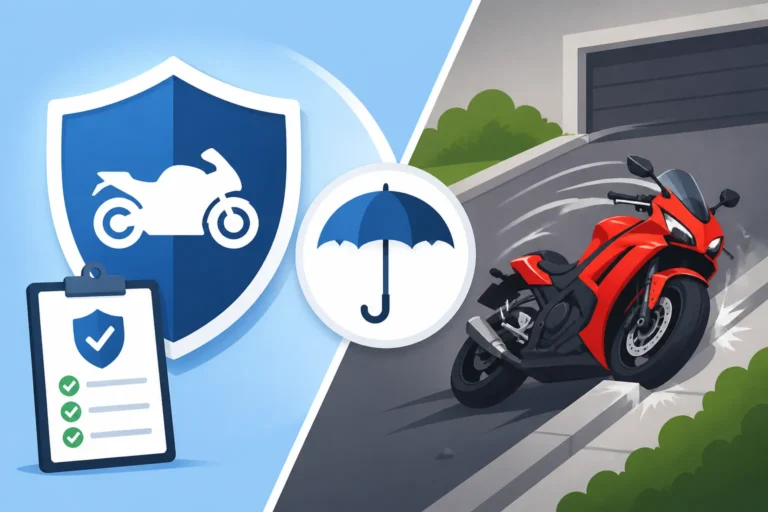
This is where a lot of riders get confused, and understandably so. Both comprehensive and collision coverage often go hand-in-hand under the umbrella of what people call "full coverage motorcycle insurance." However, they address entirely different types of damage. Collision coverage is specifically for when your motorcycle hits another vehicle or object, or rolls over. Think of it as the coverage for accidents where your bike is directly involved in an impact. If you swerve to avoid a deer and hit a guardrail, that's collision. If another driver hits you at an intersection, that's also collision.
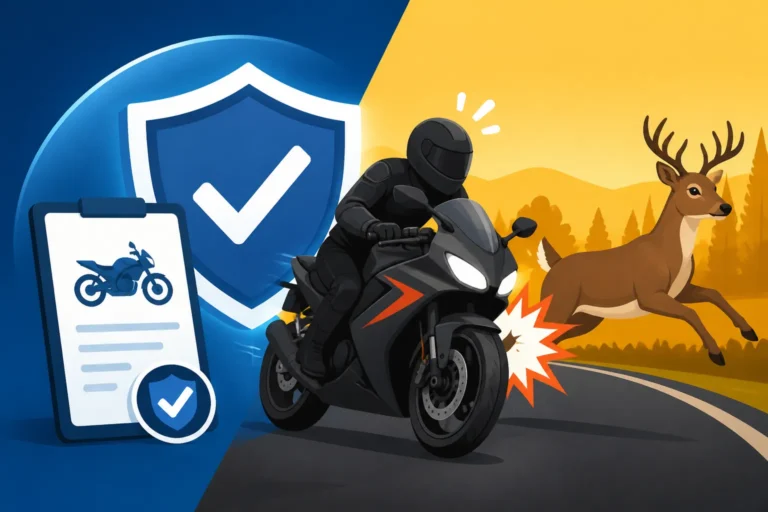
Comprehensive coverage, on the other hand, deals with pretty much everything else. If that same deer jumps out and you manage to avoid the guardrail but the deer still manages to collide with your bike causing damage, that's comprehensive. If your bike is stolen from your driveway, that's comprehensive. They are distinct but complementary policies, and understanding their differences is key to making sure you have the right protection. A clear understanding of these distinctions can save you a lot of headache and heartache if something truly unfortunate happens to your prized possession.
Common Misconceptions About What Comprehensive Covers
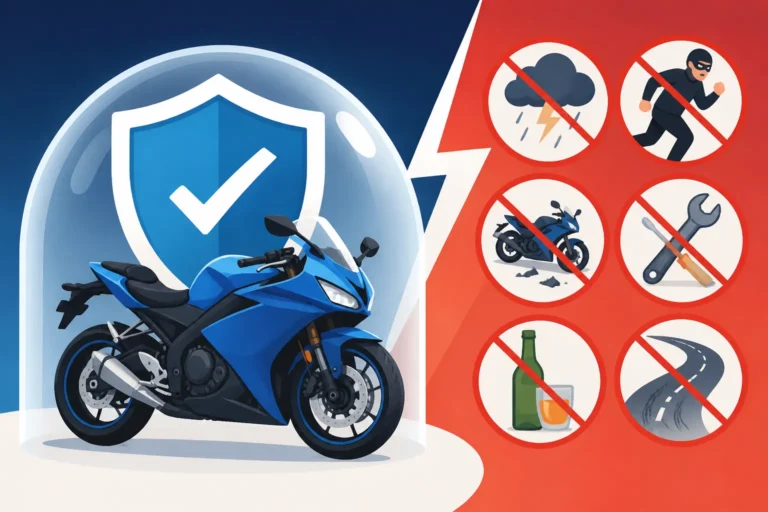
Many riders assume comprehensive covers absolutely everything, but that's not quite true. For instance, comprehensive insurance does not cover mechanical breakdowns or routine wear and tear on your motorcycle. If your engine seizes up or your transmission fails due to age or manufacturing defects, that falls outside the scope of your insurance policy entirely. Likewise, if your bike is damaged during a track day or a professional race, most standard comprehensive policies will exclude that, requiring specialized track insurance instead.
Another common misunderstanding revolves around personal injury. While comprehensive covers damage to your bike, it does not cover medical expenses for you or a passenger if you're injured. For those costs, you'd be looking at your health insurance, or specific motorcycle insurance coverages like Medical Payments (MedPay) or Personal Injury Protection (PIP), depending on your state. It also doesn't cover damage you cause to other people's property or injuries you inflict on them – that's strictly the domain of your Liability Coverage for Motorcycles Explained. Knowing these limitations upfront can help you make informed decisions about supplementary coverages you might need.
Real-World Scenarios Where Comprehensive Shines
When you're out there riding, you're not just thinking about avoiding other cars. There are so many other risks lurking that have nothing to do with another driver. This is precisely where comprehensive coverage steps up to bat, offering protection that basic liability simply can’t. It’s the peace of mind knowing that even when you park your bike and walk away, it’s still looked after.
Protecting Against Theft and Vandalism
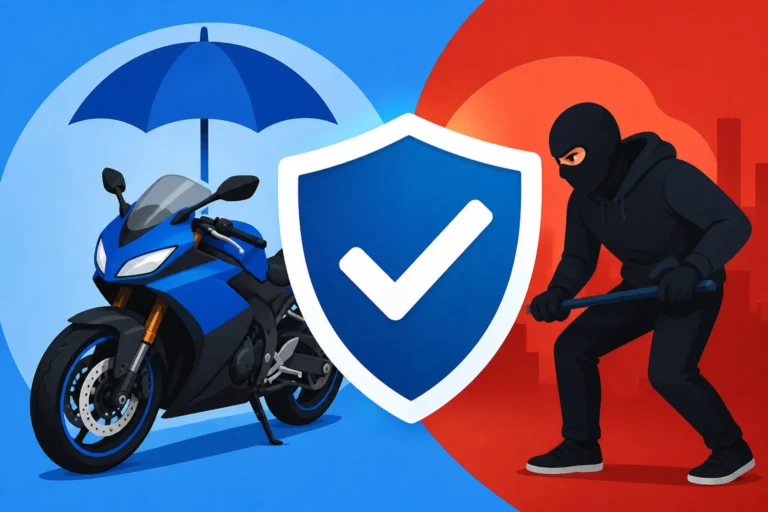
One of the most terrifying things for any motorcycle owner is discovering their bike has been stolen. Motorcycles are sadly prime targets for thieves due to their portability and value. Comprehensive coverage is your primary line of defense here. If your pride and joy is taken from your garage, a public parking lot, or even your buddy's house, your comprehensive policy will cover the cost of replacing it, up to its actual cash value or agreed value (if you have that specific endorsement), after your deductible. This also extends to damage from attempted theft – say, if thieves try to hotwire it and damage the ignition, or break a lock and scratch the paint in the process.
Vandalism is another heartbreaking scenario. You might come back to find your seat slashed, tires deflated, or custom paint job keyed. These senseless acts of destruction are covered by comprehensive. Without it, you'd be footing the bill for repairs entirely out of pocket, which can be thousands of dollars, especially if you have custom parts or a unique finish. Companies like Progressive and Dairyland offer robust comprehensive options that can include coverage for custom parts and accessories, ensuring that your unique modifications are also protected, not just the stock components. This is a crucial consideration, especially if you've invested heavily in personalizing your bike.
Acts of Nature: Weather, Animals, and Falling Objects
Mother Nature can be unpredictable, and sometimes, she has it in for your motorcycle. Imagine a severe hailstorm rolling through, leaving dimples all over your fuel tank and fairings. Or a heavy branch falling during a windstorm and smashing your windshield. These are prime examples of incidents covered by comprehensive insurance. It also covers damage from floods, fires (not collision-related fires), and even earthquakes. If your bike is parked outside and a flash flood rushes through, comprehensive is what will help you recover.
Animal collisions are another common, non-collision risk that comprehensive addresses. Hitting a deer, elk, or even a small dog can cause significant damage to your bike and put you in a dangerous situation. While swerving and hitting a tree would be collision, if the animal itself causes the damage without you hitting another object, that's usually handled under comprehensive. This distinction is vital, as it ensures you're covered whether the animal impact is direct or if you simply lay the bike down to avoid it and it's classified as a collision. This type of incident is a serious concern for riders, especially those who frequently travel on rural roads or during dusk and dawn when wildlife is most active.
Unforeseen Non-Collision Damages
Beyond theft, vandalism, and acts of nature, comprehensive coverage can also step in for a host of other peculiar incidents. For example, if your motorcycle catches fire due to an electrical malfunction while parked, comprehensive would cover the damage. If your bike is damaged by a riot or civil commotion, or even an explosion, these events typically fall under comprehensive. It's the ultimate "catch-all" for those weird, unexpected things that make you shake your head and wonder, "What are the odds?"
Consider this scenario: you park your bike at the local farmers market, and while you're inside, an accidental spill of a harsh chemical cleaner happens nearby, splashes onto your bike, and damages the paint. This would likely be a comprehensive claim. Or perhaps your motorcycle is stored for winter, and a pipe bursts in your garage, causing water damage. Again, comprehensive would be the coverage you'd turn to. It truly covers the gamut of unfortunate events that don't involve hitting another vehicle. For more on winter storage, you might find our article on Do You Need Insurance to Store a Motorcycle? helpful.
The Financial Side of Comprehensive Insurance
Understanding what comprehensive coverage is helps, but knowing how it actually affects your wallet, both in terms of premiums and potential payouts, is equally important. It’s not just about having the coverage, but understanding its mechanics.
Understanding Your Deductible with Comprehensive Claims
Just like with collision coverage, comprehensive insurance comes with a deductible. This is the amount of money you agree to pay out of pocket before your insurance company steps in to cover the rest. So, if you have a $500 comprehensive deductible and your stolen bike is valued at $5,000, the insurance company would pay you $4,500 ($5,000 – $500 deductible). Deductibles are a balancing act: a higher deductible generally means a lower premium, and vice-versa.
It's crucial to choose a deductible you're comfortable with and can realistically afford in an emergency. If you opt for a $2,000 deductible to save a few bucks on your monthly premium but can only scrape together $500 in a pinch, you could find yourself in a bind when you need to make a claim. Many riders choose a mid-range deductible, like $500 or $1,000, to keep premiums reasonable while still ensuring the out-of-pocket cost isn't crippling. This decision is a personal one, but it's vital for effective financial planning.
Actual Cash Value vs. Agreed Value: What You Get Paid
When your motorcycle is deemed a total loss due to a comprehensive claim (e.g., it's stolen and not recovered, or severely damaged by fire), how much your insurance company pays out depends heavily on how your policy values your bike.
-
Actual Cash Value (ACV): This is the most common payout method. ACV pays you the fair market value of your motorcycle at the time of the loss, minus depreciation. This means the insurance company determines what a similar bike (same make, model, year, mileage, condition) would sell for on the open market right before the incident. While it’s standard, it can sometimes be a letdown, especially for older bikes or those with custom modifications that might not be fully accounted for in standard depreciation calculations.
-
Agreed Value: This is a fantastic option, especially for custom bikes, vintage motorcycles, or high-value touring bikes. With an agreed value policy, you and your insurer agree on a specific value for your motorcycle when you purchase the policy. If a total loss occurs, that's the amount you'll be paid, minus your deductible, regardless of market fluctuations. This eliminates disputes over depreciation and ensures you get what you believe your bike is worth. Keep in mind that agreed value policies typically come with higher premiums, and they often require an appraisal or detailed documentation of your bike's condition and modifications. When considering Agreed Value vs Stated Value vs Actual Cash Value, agreed value offers the most certainty.
Factors Influencing Comprehensive Premiums
Just like all other types of motorcycle insurance, the cost of your comprehensive coverage isn't a one-size-fits-all number. Several factors play a significant role in determining your premium.
- Your Motorcycle's Value: More expensive bikes, especially new models or those with high-value custom parts, will naturally cost more to insure comprehensively because the potential payout in case of theft or damage is higher.
- Theft Rates in Your Area: If you live in an area known for high motorcycle theft, your comprehensive premium will likely be higher. Insurers use data on local crime statistics to assess risk. This is one reason why insuring a motorcycle in a dense urban area like Los Angeles or Miami might cost more than in a rural town.
- Where and How You Store Your Bike: Parking your motorcycle in a locked garage versus on the street can make a difference. Insurers often offer discounts if your bike is stored securely, reducing the risk of theft or vandalism.
- Your Deductible Choice: As mentioned, a higher deductible means you pay more out-of-pocket, which lowers the risk for the insurer and, consequently, your premium.
- Your Claims History: A history of previous comprehensive claims (e.g., multiple theft or vandalism claims) could lead to higher premiums.
- Your Credit Score: In many states, your credit-based insurance score can impact your rates, with higher scores generally leading to lower premiums.
- Anti-Theft Devices: Installing approved anti-theft devices, like alarms, GPS trackers, or heavy-duty locks, can sometimes earn you a discount on your comprehensive premium.
Comparing quotes from various providers like Geico, Progressive, and Markel, and even using a comparison tool like The Zebra, can help you find the best rates for your specific situation.
Deciding if Comprehensive Coverage is Right for Your Ride
So, now that we know what comprehensive coverage is and how it works, the big question remains: do you really need it? The answer isn't always a simple yes or no; it depends heavily on your individual circumstances, your bike, and your risk tolerance.
When Comprehensive is a Must-Have (Financed Bikes, New Bikes)
There are definitely situations where comprehensive coverage isn't just a good idea, it's practically non-negotiable.
- Financed Motorcycles: If you have a loan on your motorcycle, your lender will almost certainly require you to carry comprehensive (and collision) insurance until the loan is paid off. This protects their investment, ensuring that if the bike is stolen or totaled by a non-collision event, they can recoup their money. Failing to maintain this coverage could put you in breach of your loan agreement, potentially leading to forced-place insurance at a much higher cost, or even repossession. For more information, check out our guide on Motorcycle Insurance Requirements for Financed Bikes.
- New or High-Value Motorcycles: If you've just bought a brand-new bike or own a particularly expensive model, comprehensive coverage is a no-brainer. The financial hit of replacing a new Harley-Davidson Street Glide or a Ducati Panigale out of pocket after a theft or fire would be astronomical for most people. Comprehensive ensures that your significant investment is protected.
- Custom or Vintage Motorcycles: These bikes often have sentimental value and unique components that are hard or expensive to replace. Without comprehensive, losing a rare vintage Triumph Bonneville or a custom-built chopper to theft or fire could be devastating, both emotionally and financially. In these cases, combining comprehensive with an agreed value policy (as discussed earlier) is often the smartest move to ensure you get full compensation for its true worth.
Assessing the Value for Older or Less Expensive Motorcycles
For riders with older, paid-off bikes, or those with lower market values, the decision on comprehensive coverage becomes a bit more nuanced.
- Is the Cost Worth the Payout? Consider the market value of your motorcycle. If your bike is only worth, say, $3,000, and your comprehensive premium is $300 a year with a $500 deductible, you might wonder if it's worth it. Over several years, you could pay more in premiums than the bike is even worth. You have to weigh the potential payout against the annual cost. If the bike is easily replaceable or you wouldn't be financially devastated by its loss, you might opt to drop comprehensive.
- Your Financial Preparedness: How would you handle the financial impact if your bike was stolen or severely damaged by a non-collision event tomorrow? If you have an emergency fund that could easily cover the cost of replacing or repairing your older bike, then you might feel comfortable foregoing comprehensive coverage. However, if that sudden expense would be a major burden, keeping comprehensive might still be a wise choice, even for a less expensive motorcycle.
- Garage vs. Street Parking: Where you keep your older bike also plays a role. If it's always locked away in a secure garage, the risk of theft or vandalism might be lower, making it easier to consider dropping comprehensive. If it's frequently parked on the street in a high-risk area, however, keeping comprehensive might still be a sensible decision, regardless of its age or value.
This is a good time to remember that you can always explore different options. Services like The Zebra can provide multiple quotes, allowing you to see how much comprehensive coverage actually costs for your specific older model, helping you make an informed decision.
Balancing Cost vs. Risk Tolerance
Ultimately, the decision to carry comprehensive motorcycle insurance boils down to a personal assessment of cost versus your personal risk tolerance.
- High Risk Tolerance: If you're someone who is comfortable with taking on more risk, has a solid emergency fund, and understands that you'd be fully responsible for the costs of theft, vandalism, or natural disasters, then you might choose to only carry liability insurance, especially on a paid-off, older bike.
- Low Risk Tolerance: If the thought of losing your bike to theft or having it severely damaged by a tree branch keeps you up at night, and you'd struggle to replace it financially, then comprehensive coverage offers invaluable peace of mind. The additional premium becomes a worthwhile investment in your financial security and mental well-being.
- The "What If" Factor: Think about the worst-case scenarios that comprehensive covers. What if your bike, your primary mode of transport or a cherished hobby, was gone tomorrow? Could you recover? For many riders, the relatively small annual cost of comprehensive coverage is a small price to pay to avoid a potentially devastating financial loss.
Consider getting a few quotes to see the actual difference in premium between a liability-only policy and one that includes comprehensive. This concrete data can help you make an objective decision based on your budget and desired level of protection. Our article on How to Compare Motorcycle Insurance Quotes can guide you through this process effectively.
Making the Most of Your Comprehensive Policy
Once you’ve decided that comprehensive coverage is the right choice for your motorcycle, it’s not just a matter of signing on the dotted line. To truly get the best value and protection, you need to understand the nuances of your policy and how to utilize it effectively.
Reviewing Your Policy and Understanding Limits
Don't just assume your comprehensive policy covers everything you think it does. Take the time to actually read through your policy documents – yes, the boring stuff! Pay close attention to:
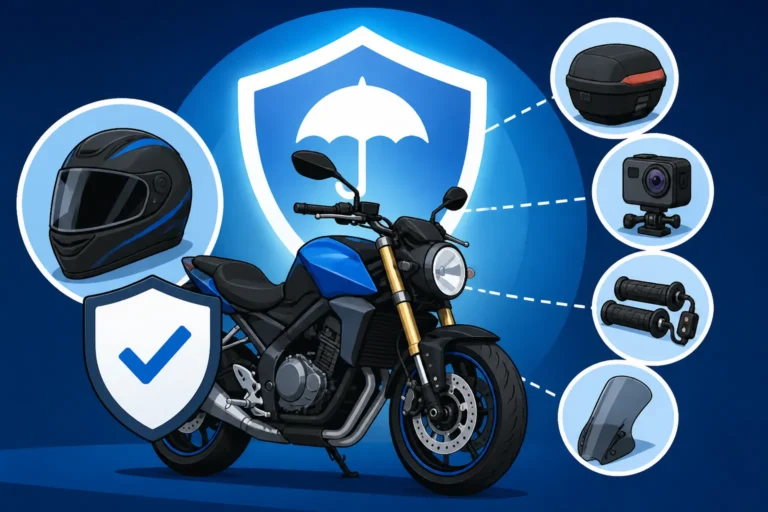
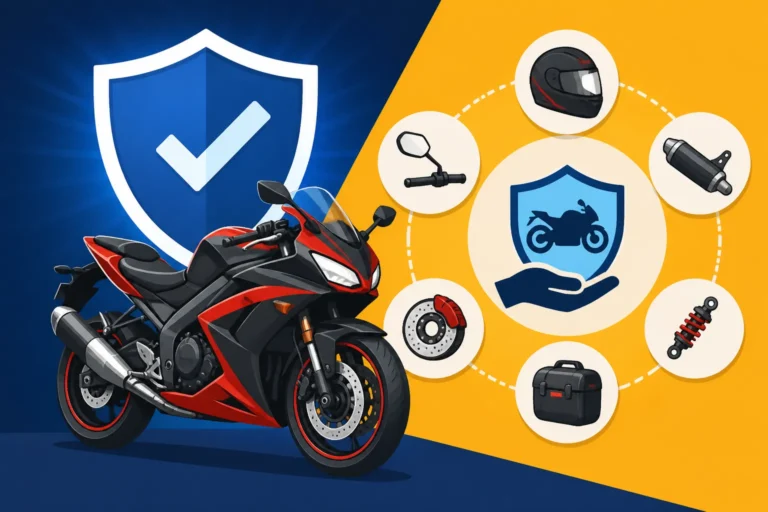
- Coverage Limits: While comprehensive technically covers the actual cash value of your bike, there might be specific limits for things like accessories and custom parts. If you've invested heavily in aftermarket exhaust, custom paint, or saddlebags, ensure you have adequate Accessories & Custom Parts Coverage Explained so you're not left underinsured. Some policies include a basic amount (e.g., $1,000) for accessories, but you might need to purchase additional coverage.
- Exclusions: Look for anything specifically not covered. As mentioned earlier, track day damage or mechanical breakdowns are common exclusions. Knowing these beforehand prevents unpleasant surprises if you ever need to file a claim.
- Deductibles: Confirm your comprehensive deductible amount so you know your out-of-pocket responsibility.
- Endorsements: These are additions to your policy. For custom bikes, an "agreed value" endorsement is often highly recommended. If you plan on doing a cross-country trip, make sure you understand if you have coverage like Trip Interruption Coverage for Motorcycles.
If anything is unclear, don't hesitate to call your insurance agent or the company directly. It's their job to explain it to you in plain language.
Leveraging Discounts for Comprehensive Coverage
Insurance companies offer a surprising number of discounts that can help lower your comprehensive premium. It pays to ask about every single one!
- Anti-Theft Device Discounts: As mentioned, installing approved alarms, tracking devices (like a LoJack system), or even a robust disc lock can often net you a discount. Make sure your insurer recognizes the specific devices you have.
- Safe Storage Discounts: Storing your bike in a locked garage, a gated community, or a secure storage facility can reduce your risk of theft and vandalism, leading to lower rates.
- Multi-Policy/Bundling Discounts: Many insurers offer a discount if you bundle your motorcycle insurance with your auto, home, or renters insurance. This is a common way to save across all your policies. Check out our guide on Should You Bundle Motorcycle Insurance? for more details.
- Rider Safety Course Discounts: While these often impact liability and collision more directly, some insurers may offer a small discount on comprehensive for completing an approved motorcycle safety course, as it demonstrates responsible riding habits.
- Loyalty Discounts: Staying with the same insurer for an extended period can sometimes earn you a loyalty discount.
- Low Annual Mileage Discounts: If you only ride your motorcycle occasionally or seasonally, some insurers will offer a discount based on your limited exposure.
- Pay-in-Full Discounts: Paying your entire annual premium upfront, rather than in monthly installments, can often save you a percentage on your total cost.
Don't assume your insurer has automatically applied every discount you qualify for. Periodically review your policy with your agent or use an online comparison tool like The Zebra to ensure you’re getting all available savings.
How to File a Comprehensive Claim
While no one wants to file a claim, knowing the process can make a stressful situation much smoother if you ever need to.
- Ensure Safety First: If you’ve just discovered your bike stolen or severely damaged by a natural event, your safety is paramount.
- Report to Authorities (if applicable): For theft or vandalism, immediately report it to the local police department. You'll need a police report number for your insurance claim.
- Document Everything: Take photos or videos of all damages. If your bike was stolen, note the last time and place you saw it. Gather any receipts for custom parts or accessories.
- Contact Your Insurer: Call your insurance company as soon as possible. Many have 24/7 claim lines. Be prepared to provide your policy number, details of the incident, and any police report numbers. Our article on How to File a Motorcycle Insurance Claim offers a detailed step-by-step guide.
- Cooperate with the Adjuster: An insurance adjuster will be assigned to your case. They will investigate the claim, assess the damage, and determine the payout. Be honest and provide all requested documentation.
- Understand Your Payout: If your bike is repairable, the insurer will work with you and the repair shop. If it's a total loss (e.g., stolen and not recovered, or damage exceeds its value), they'll determine the payout based on ACV or agreed value, minus your deductible.
Filing a claim can feel daunting, but being prepared and understanding the steps involved can significantly ease the burden.
Comprehensive vs. Collision Coverage: A Quick Reference
To help clarify the differences between comprehensive and collision coverage, here's a handy table summarizing what each typically covers:
| Feature | Comprehensive Coverage | Collision Coverage |
|---|---|---|
| What it Covers | Damages from non-collision incidents: | Damages from collision incidents: |
| – Theft, vandalism | – Hitting another vehicle or object (e.g., tree, pole) | |
| – Fire, flood, hail, wind, falling objects | – Your motorcycle rolling over | |
| – Animal strikes | – Damage when you're at fault | |
| – Riots, explosions, civil commotion | – Damage when another driver is at fault (if they're uninsured, UM/UIM might apply instead) | |
| Primary Focus | Protecting against events largely outside your control. | Protecting against accidents involving impact. |
| Deductible | Yes, you choose a deductible. | Yes, you choose a deductible. |
| Required by Law | Generally no, but often required by lenders. | Generally no, but often required by lenders. |
| Common Scenarios | Stolen bike, hail damage, deer hit, garage fire. | Fender bender with a car, hitting a guardrail, tipping over. |
Disclaimer
Please remember that this article is intended for informational purposes only and does not constitute financial or legal advice. Motorcycle insurance policies can vary significantly by provider and state. It is always recommended to consult with a licensed insurance professional to discuss your specific needs and review your policy documents thoroughly. Laws and regulations regarding motorcycle insurance are subject to change.