Who Has the Cheapest Motorcycle Insurance?
Trying to navigate the wild world of motorcycle insurance can feel like a never-ending quest, leaving you frustrated and wondering if you'll ever find a policy that doesn't break the bank. You just want to ride, but the cost of coverage often feels like a barrier. This guide is here to cut through the confusion and help you understand how to pinpoint your cheapest motorcycle insurance without sacrificing essential protection.
Why "Cheapest" Isn't a One-Size-Fits-All Answer
It's tempting to ask, "Who has the cheapest motorcycle insurance?" and expect a single, definitive answer. The truth is, that perfect, universally cheapest insurer doesn't exist. Insurance rates are intensely personal, tailored to a dizzying array of factors unique to you, your bike, and even where you live. What's affordable for your seasoned rider buddy in Arizona might be astronomical for a new rider in Florida. Understanding these variables is the first step in finding a policy that truly fits your budget.
Personal Factors That Drive Your Rate
Your insurance premium is heavily influenced by who you are as a rider and your history. It’s like a personalized risk assessment, and every detail can shift the numbers.
Age and Riding Experience
Let's be real, if you're a younger rider, especially under 25, you're often staring down higher premiums. Insurers view less experienced riders as a higher risk due to a lack of time on the road and, statistically, a higher likelihood of being involved in an accident. Conversely, mature riders, generally those over 25 and certainly over 50, often benefit from lower rates, assuming they have a clean riding history. They've proven themselves on the asphalt, and that experience pays off in insurance savings. If you’re a beginner rider, securing coverage can feel daunting, but there are ways to find a reasonable rate. You might want to explore resources like our guide on How Much Is Motorcycle Insurance for a Beginner?.
Driving Record and Claims History
This one’s a no-brainer. If you’ve got a spotless record with no accidents, speeding tickets, or DUIs, you're gold in the eyes of an insurance company. Every infraction, though, can nudge your rates higher. A single speeding ticket might make your premium jump, and a major violation like a DUI can send it through the roof, sometimes even requiring an SR-22 filing. Insurers see your past behavior as an indicator of future risk, so keeping your record clean is one of the most powerful ways to keep your costs down.
Location, Location, Location
Where you park your bike at night, and where you primarily ride, significantly impacts your rates. Living in a densely populated urban area, like Los Angeles or New York City, typically means higher premiums due to increased traffic, higher rates of theft, and more potential for accidents. Rural areas, on the other hand, often see lower rates. Even within a city, specific zip codes can have different rates based on crime statistics and accident frequency. It’s not fair, but it’s how the system works. Our guide on Cheapest States for Motorcycle Insurance dives into how your geography can affect your wallet.
Credit Score
Believe it or not, your credit score plays a role in many states when insurers calculate your premium. A higher credit score often correlates with lower insurance rates, as statistical data suggests individuals with better credit tend to file fewer claims. If your credit isn't stellar, don't despair; many companies offer options, but it's an undeniable factor in the equation.
Motorcycle Type and Usage Matters
The bike you ride and how often you ride it are massive determinants of your insurance costs. Not all bikes are created equal in the eyes of an underwriter.
Sport Bikes vs. Cruisers vs. Touring Bikes
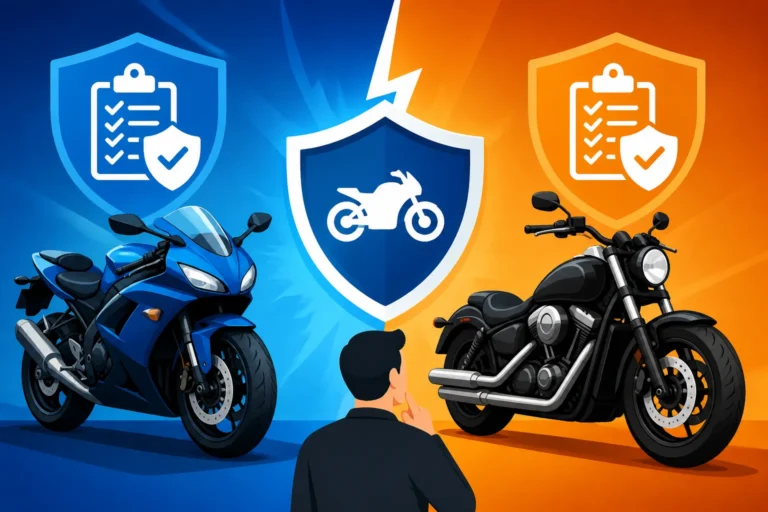
This is a huge one. Sport bikes, with their high performance and perceived higher risk of accidents, almost invariably carry the highest insurance premiums. A Kawasaki Ninja or a Yamaha R6 will cost significantly more to insure than a Harley-Davidson Softail or a Honda Rebel. Cruisers and touring bikes are generally less expensive to insure because they are often associated with more relaxed riding styles and older, more experienced riders. Electric motorcycles, being newer to the market, can sometimes have varying rates, but often fall into a mid-range category depending on their performance metrics.
Engine Size and Modifications
Generally, the larger the engine (measured in cubic centimeters, or CCs), the higher the premium. A 1000cc superbike will cost more to insure than a 250cc beginner bike. Furthermore, any custom modifications or expensive aftermarket parts you add to your bike can increase your premium, as they raise the bike's value and the cost to repair or replace it. If you've invested in a killer custom paint job or performance exhaust, make sure your policy covers these Accessories & Custom Parts Coverage Explained.
Annual Mileage and Storage
How much you ride can also affect your premiums. If you’re a fair-weather rider who only puts a few hundred miles on your bike each year, some insurers might offer a low-mileage discount. On the flip side, if your motorcycle is your primary mode of transportation and you rack up thousands of miles, your risk exposure increases, and so might your premium. Where you store your bike when not in use also matters; a secured, locked garage can often lead to discounts compared to parking it on the street. If you put your bike away for the winter, consider Seasonal Lay-Up & Winter Storage Insurance to save some cash.
Coverage Choices and Deductibles
The type and amount of coverage you choose have a direct impact on your final insurance bill. It’s all about balancing protection with affordability.
Liability-Only vs. Full Coverage
This is perhaps the biggest factor you control. Most states require at least basic liability insurance, which covers damages and injuries you might cause to others in an accident. If your bike is paid off and isn't particularly valuable, opting for liability-only coverage will always be cheaper than full coverage. However, full coverage—which typically includes collision and comprehensive—protects your bike against damage, theft, and other perils, but it comes at a significantly higher price. If you have a financed bike, your lender will almost certainly require full coverage. To understand the differences, check out our guide on Liability-Only vs Full Coverage Cost.
Deductibles
Your deductible is the amount you pay out of pocket before your insurance kicks in for a claim. Generally, choosing a higher deductible (e.g., $1,000 instead of $500) will lower your monthly or annual premium. This is because you’re taking on more of the financial risk yourself. Just be sure you can comfortably afford your chosen deductible if you ever need to file a claim.
Add-On Coverages
While some add-ons like roadside assistance, trip interruption, or custom parts coverage can be invaluable, they all add to your premium. When you're chasing the absolute cheapest rate, carefully consider which, if any, of these extras are truly essential for your specific riding habits and peace of mind. For example, if you often travel far from home, Roadside Assistance & Towing for Motorcycles might be a non-negotiable for you.
Top Contenders Often Cited for Affordability
While no single company is always the cheapest for everyone, certain insurers consistently rank high for competitive pricing and a wide range of discounts. It’s worth getting quotes from these providers, as one of them might just be the perfect fit for your specific needs.
Progressive
Progressive is a giant in the insurance world and often lauded for its competitive motorcycle insurance rates, particularly for riders who qualify for their numerous discounts. They offer various ways to save, from multi-policy discounts (if you bundle your auto and home insurance) to safe rider discounts, and even discounts for getting an online quote. They also cater to a broad spectrum of riders, from cruisers to sport bikes, and provide a user-friendly online platform for quotes and policy management. Their name often comes up when discussing how to find How to Get Cheap Motorcycle Insurance.
Dairyland
Dairyland is often a go-to for motorcycle riders, especially those who might be considered "high-risk" or who have had trouble finding coverage elsewhere. They specialize in motorcycle insurance, which means they often understand the unique needs of riders better than general insurers. They are known for offering flexible payment plans and being more forgiving of less-than-perfect driving records, though this might mean their "cheapest" rate is still higher than what a clean-record rider might get elsewhere. If you’re a newer rider or have a few blemishes on your record, Dairyland could be a surprisingly affordable option.
GEICO
GEICO, famous for its catchy gecko, is another strong contender for affordable motorcycle insurance. They are well-known for their discounts, including those for military personnel and federal employees, bundling multiple policies, and taking a motorcycle safety course. Their online quoting system is efficient, and they often offer competitive rates, especially for riders with a clean record and good credit. If you already have car insurance with GEICO, adding your motorcycle can often unlock significant multi-policy savings.
Markel
Markel is another specialist in the motorcycle insurance space, often praised for its comprehensive coverage options and competitive pricing, especially for unique or custom bikes. They understand the value riders place on their machines and offer things like agreed value coverage, which ensures you're paid what your bike is worth, not just its depreciated actual cash value, in case of a total loss. While not always the absolute cheapest for basic liability, for riders with custom parts or valuable bikes, their specialized offerings can provide the best value without being prohibitively expensive. This is particularly relevant if you're looking for Accessories & Custom Parts Coverage Explained.
State Farm
State Farm brings the benefit of a vast network of local agents, which can be invaluable for personalized service and advice. While sometimes perceived as a more traditional insurer, they offer competitive motorcycle rates, especially when you bundle your motorcycle policy with other insurance products like home or auto. Their discounts for safe driving, defensive rider courses, and anti-theft devices can significantly reduce your premium. If you prefer the human touch and the convenience of having all your insurance needs under one roof, State Farm is definitely worth a look.
Actionable Steps to Pinpoint YOUR Cheapest Rate
Finding the cheapest motorcycle insurance isn't about guessing; it's about being strategic and proactive. You have more control over your rates than you might think!
Get Multiple Quotes (The Golden Rule)
This cannot be stressed enough: always get quotes from several different insurance providers. What one company considers a high-risk factor, another might shrug off. Each insurer has its own proprietary algorithm for calculating risk and pricing policies, so rates can vary wildly for the exact same coverage. Don't stop at just two or three; aim for at least five or six.
Using Comparison Tools
Websites like The Zebra can be incredibly useful. These aggregators allow you to input your information once and receive multiple quotes from various insurers simultaneously, saving you a ton of time and effort. It's an efficient way to cast a wide net and see which companies are offering the most competitive rates for your profile. When comparing, ensure you're looking at identical coverage limits and deductibles to make an accurate, apples-to-apples comparison. This is a crucial step if you want to know How to Compare Motorcycle Insurance Quotes.
Direct Quotes from Insurers
While aggregators are great for initial comparisons, it's also wise to get direct quotes from specific companies, especially those that specialize in motorcycle insurance. Sometimes, direct quotes might reveal additional discounts or specific policy options not fully captured by comparison sites. Don't be afraid to call an agent, even if you prefer to buy online. They might uncover savings you missed.
Maximize Your Discounts
Discounts are your best friend when it comes to lowering your motorcycle insurance costs. Most insurers offer a variety of ways to save, and stacking them can make a huge difference.
Common Discounts to Look For
- Motorcycle Safety Course: Taking an approved rider safety course, like those offered by the Motorcycle Safety Foundation (MSF), often qualifies you for a discount. It also makes you a safer rider, which is a win-win! This is a great way to Lower Your Motorcycle Insurance Premium.
- Multi-Policy/Bundling: Insuring your car, home, or RV with the same company that insures your motorcycle can lead to significant savings. It's why many riders often ask, Should You Bundle Motorcycle Insurance?.
- Experienced Rider: The longer you've held a motorcycle license and maintained continuous insurance, the better your rates typically become.
- Good Rider/Driver: A clean driving record free of accidents and violations will always earn you better rates.
- Anti-Theft Devices: Installing an alarm, GPS tracker, or even keeping your bike garaged can qualify you for anti-theft discounts.
- Paid-in-Full: Paying your annual premium upfront instead of in monthly installments often nets you a discount.
- Motorcycle Club Membership: Some insurers offer discounts for members of approved motorcycle clubs.
It’s always worth asking your potential insurer for a full list of available discounts. You might be surprised at what you qualify for!
Re-evaluate Your Coverage Needs
The cheapest insurance is only truly cheap if it provides adequate coverage when you need it most. It's a delicate balance.
Balancing Cost and Protection
Think realistically about your bike's value, how often you ride, and your financial situation. If you have a vintage bike that’s completely paid off, perhaps full coverage isn't as crucial as it would be for a brand-new, financed sport bike. For an older, less valuable motorcycle, you might consider if Do You Need Comprehensive on an Old Motorcycle? is truly necessary. However, never skimp on liability limits to the point where you're exposed to significant financial risk in an accident. State minimums are often just that – minimums – and might not cover serious injuries or property damage.
| Coverage Type | What it Covers | Typical Scenario | Impact on Cost |
|---|---|---|---|
| Liability | Damage/injuries you cause to others | You hit a car, injure driver/passenger | Lowest |
| Collision | Damage to your motorcycle from a collision | You crash into a tree; another vehicle hits you | Moderate |
| Comprehensive | Damage to your bike from non-collision events | Theft, vandalism, fire, weather, hitting an animal | Moderate |
| UM/UIM | Damage/injuries to you if hit by uninsured driver | Another rider with no insurance hits you | Low |
| Medical Payments | Medical bills for you and your passenger | You fall, sustain injuries, regardless of fault | Low |
Maintain a Clean Riding Record
This goes hand-in-hand with discounts, but it's important enough to emphasize separately. Your riding habits are a direct reflection of your insurance risk.
Impact of Tickets and Accidents
Every speeding ticket, every at-fault accident, and especially every DUI or reckless driving charge, will likely increase your insurance premiums. These incidents flag you as a higher risk to insurers. The impact can last for several years, depending on the severity of the offense and state laws. Investing in a defensive riding course and actively practicing safe riding techniques not only protects you on the road but also directly protects your wallet from higher insurance costs.
Common Misconceptions About Cheap Motorcycle Insurance
There are a lot of myths floating around about how to get the cheapest motorcycle insurance. Let’s clear up a couple of the biggest ones so you can approach your search with realistic expectations.
The Myth of One "Cheapest" Company for Everyone
As we’ve discussed, this is the biggest misconception. There isn't a single insurance company that can definitively claim to be the cheapest for every rider, every bike, in every location. Insurance rates are dynamically priced based on a complex algorithm of personal factors, bike specifics, geographic risks, and the company's own underwriting guidelines.
For instance, one company might offer incredibly low rates for experienced cruiser riders over 50 but be exceptionally expensive for a 20-year-old on a sport bike. Conversely, a company specializing in high-risk policies might be the only "affordable" option for someone with a recent DUI, even if their rates are higher than standard policies. This is why shopping around extensively, perhaps through a platform like The Zebra, and understanding what affects your individual rate, is absolutely essential. Don't let marketing claims mislead you into thinking one company holds the ultimate "cheapest" crown. Instead, focus on finding Which Motorcycle Insurance Companies Are Cheapest? for you.
Sacrificing Coverage for Price
Another dangerous misconception is that to get the cheapest insurance, you simply need to opt for the bare minimum coverage required by your state. While this will indeed result in the lowest premium, it can be a financially devastating decision if you ever get into a serious accident.
State minimum liability requirements, like those detailed in Motorcycle Insurance Requirements by State (2026 Guide), are often incredibly low. If you cause an accident that results in significant property damage or serious injuries, those minimums might be exhausted quickly. The remaining costs? They could come straight out of your pocket, potentially leading to lawsuits, wage garnishment, and even bankruptcy. What initially seemed like "cheap" insurance can quickly become the most expensive mistake you've ever made. Always ensure your liability limits are high enough to adequately protect your assets. For example, if you reside in a state like Texas, understanding What Is the Minimum Motorcycle Insurance in Texas? is critical, but opting for more than the minimum is usually advisable.
It's about finding the best value – the most coverage you can comfortably afford – rather than just the lowest number. A slightly higher premium for robust coverage offers real peace of mind and protection that's truly "cheap" in the long run.
Disclaimer
This article is for general informational purposes only and does not constitute professional advice. Laws, prices and regulations vary by location and change over time. Consult a qualified professional for guidance on your specific situation.