How Do I Cancel SR-22 When It’s No Longer Required?
Riding with an SR-22 filing hanging over your head is a weight no motorcyclist enjoys. It's a constant reminder of a past mistake or an unfortunate incident, often leading to higher insurance premiums and a feeling of being in limbo. When that required period finally comes to an end, the relief is immense, but the question quickly becomes: "Okay, I'm done. Now what? How do I officially cancel this thing?" This guide is here to walk you through the clear, actionable steps to properly cancel your SR-22 filing so you can fully move forward with peace of mind.
The Weight of an SR-22: Understanding Your Past Obligation
Before we jump into the "how-to," let's just take a moment to acknowledge what an SR-22 really is, because there's often a big misconception. An SR-22 isn't a type of insurance policy itself; it's actually a certificate of financial responsibility that your insurance company files with your state's Department of Motor Vehicles (DMV), Secretary of State, or equivalent agency. It's basically a promise from your insurer to the state that you're maintaining the minimum required liability coverage. For riders, this can feel particularly frustrating because it singles you out, often implying a higher risk.
What Exactly Is an SR-22? It's Not Insurance!
Many people mistakenly believe they have "SR-22 insurance." What you actually have is a regular motorcycle insurance policy, and as part of that policy, your insurer files an SR-22 form on your behalf. This form certifies that you're carrying the state's minimum liability coverage. If your policy lapses or is canceled while an SR-22 is required, your insurance company is obligated to notify the state by filing an SR-26 form, which is a Certificate of Cancellation. This notification almost always triggers penalties from the state, like license suspension, vehicle registration suspension, or further fines. It's a serious obligation, which is why handling its cancellation correctly is so vital. If you're curious about the specifics, our guide on SR-22 for Motorcycles: When It's Required dives deep into the scenarios that lead to this requirement.
Why Were You Tagged With an SR-22 in the First Place?
The reasons for an SR-22 requirement can vary, but they all boil down to the state needing reassurance that you're a responsible driver or rider. Common triggers include:
- DUI/DWI Convictions: This is perhaps the most frequent reason. If you've been convicted of driving under the influence, the state will almost certainly mandate an SR-22.
- Driving Without Insurance: If you were caught riding your motorcycle without the legally required insurance coverage and got into an accident or pulled over, an SR-22 might be required for a period after the incident. This ties directly into understanding Penalties for Riding Without Insurance.
- Multiple Traffic Violations: Accumulating too many points on your driving record from speeding tickets or other moving violations can sometimes lead to an SR-22 requirement.
- At-Fault Accidents Without Insurance: If you caused an accident and didn't have insurance at the time, an SR-22 often becomes a condition for getting your license and registration reinstated.
- License Reinstatement: In many cases, an SR-22 is a prerequisite for getting your license back after a suspension or revocation.
The stress and cost of carrying an SR-22 are real. It often means you're considered a "high-risk" driver or rider, which typically translates to significantly higher insurance premiums. If you've wondered How Much Does SR-22 Increase Motorcycle Insurance, you know the financial strain it can impose.
Verifying Your Freedom: Ensuring Your SR-22 Time is Truly Up
This is arguably the most critical step in the entire process: confirming that your SR-22 obligation has, in fact, officially ended. Do not, under any circumstances, assume it's over just because you hit a certain date on the calendar. Prematurely canceling your SR-22 filing can lead to serious consequences, often resulting in renewed suspensions and having to start the SR-22 period all over again.
Why Premature Cancellation Is a Disaster Waiting to Happen
Imagine the scenario: You think your three years are up, so you call your insurance company and tell them to cancel the SR-22 filing. They do. However, due to a clerical error, a miscalculation on your part, or a specific state regulation you weren't aware of, the state still requires it for another few months. The moment your insurer withdraws that filing, the state is automatically notified, and without the proper certification on file, your license and registration could be immediately suspended again. This isn't just an inconvenience; it can mean fines, impounded bikes, and a prolonged period of legal driving restrictions. It's a headache you absolutely want to avoid.
Consulting the DMV/MVA/DOL: The Official Word
The only authoritative source for when your SR-22 requirement ends is the state agency that mandated it. This could be your Department of Motor Vehicles (DMV), Motor Vehicle Administration (MVA), Department of Licensing (DOL), or similar agency. You'll want to:
- Check Your Original Order: When the SR-22 was first imposed, you should have received official paperwork outlining the duration. Dig out those documents.
- Contact Them Directly: The best way to be sure is to call or visit your state's relevant agency. Be prepared with your driver's license number, date of birth, and any case numbers related to your past violation. Politely ask them to confirm the exact date your SR-22 financial responsibility requirement ends. Make sure you get the information in writing if possible, or at least note down the name of the representative you spoke with and the date/time of the call.
For instance, if you were required to have an SR-22 in Virginia, you'd contact the Virginia DMV. They maintain the official record of your driving abstract and any outstanding requirements.
Connecting With Your Current Insurer for Verification
While your state's DMV is the ultimate authority, your insurance company can also provide helpful insight, as they are the ones who filed the SR-22 on your behalf. They should have a record of when the filing began and when it's scheduled to end based on the state's instructions.
Reach out to your current motorcycle insurance provider, whether that's Progressive, The Zebra, or another company. Explain that you believe your SR-22 period has concluded and you'd like to confirm the exact termination date. They can often cross-reference their records with state data and give you a clear answer. This double-check with both the state and your insurer adds an extra layer of security. Remember, your insurer files the SR-22 for Motorcycles: When It's Required.
Looking for Your "SR-22 Release" Date or Letter
Ideally, when your SR-22 period ends, the state will send you some form of official notification, often called an "SR-22 release" letter or a similar document. This letter explicitly states that you are no longer required to carry the SR-22 filing. If you receive such a letter, keep it in a safe place! It's definitive proof that your obligation is over. If you don't receive one, that's why direct contact with the DMV is so important. You might need to specifically request proof of termination.
You'll also want to understand How Long Do I Need an SR-22 for a Motorcycle as this varies by state and the nature of the offense. Knowing your specific state's rules is paramount.
The Practical Steps to Officially Withdraw Your SR-22 Filing
Once you've definitively confirmed that your SR-22 obligation has ended with the state, it's time to take action. The process itself is fairly straightforward, but it requires direct communication with your insurance provider.
Communicating With Your Insurance Provider
Your insurance provider is the gatekeeper here. They are the ones who initiated the SR-22 filing with the state, and they are the only ones who can officially withdraw it.
- Call Your Insurer: Pick up the phone and call your motorcycle insurance company. Speak to a representative in their compliance or SR-22 department.
- State Your Intent Clearly: Inform them that your SR-22 requirement has officially ended (and you've confirmed this with your state's DMV/MVA/DOL) and that you would like them to file the necessary paperwork to withdraw the SR-22 certificate.
- Provide Proof (If Requested): If you received a letter from the state confirming the end of your requirement, have it ready. Your insurer might ask you to send them a copy for their records before they process the withdrawal.
- Confirm the Filing of an SR-26: The form your insurance company will file to tell the state you no longer need an SR-22 is typically called an SR-26, or sometimes a "Certificate of Cancellation" for the SR-22. This form lets the state know that the original SR-22 filing is no longer active. Make sure to confirm that they will file this form.
Companies like Progressive are very familiar with these procedures, as they frequently issue SR-22 filings for their customers. They can guide you through their internal process efficiently.
Requesting the SR-26 Form (Certificate of Cancellation)
After you've spoken with your insurer and they've agreed to withdraw the SR-22, ask them to send you a copy of the SR-26 form, or whatever equivalent document they use to notify the state of the cancellation. This is your personal record that the process has been initiated and completed on their end. While the insurer sends this directly to the state, having your own copy provides invaluable peace of mind and proof should any questions arise later.
What Your Insurer Does on Their End
Once you give the green light, your insurance company will electronically or physically mail the SR-26 (or similar cancellation notice) to your state's DMV/MVA/DOL. This is an official notification that they are no longer certifying your financial responsibility. The state then updates its records, removing the SR-22 requirement from your driving profile.
Your Role in Confirming With the State Authorities
Even after your insurer confirms they've filed the SR-26, it's always a good idea to follow up with your state's DMV/MVA/DOL after about 7-10 business days. Call them again (or check their online portal if available) to ensure their records have been updated and that the SR-22 requirement has been fully removed from your file. This proactive step helps catch any potential administrative delays or errors before they become problems. It’s also wise to check your driving record periodically after this process to confirm the removal.
Navigating Post-SR-22 Waters: What Comes Next for Your Motorcycle Insurance
The official withdrawal of your SR-22 filing is a significant milestone. It's not just about removing a piece of paperwork; it often opens up opportunities for better insurance rates and a fresh start.
The Immediate Impact on Your Current Policy
Once the SR-22 filing is officially withdrawn, you're no longer considered a "high-risk" driver due to the SR-22 requirement itself. This is key. Your current insurance policy may immediately see a reduction in the "SR-22 surcharge" that was likely applied to your premiums. However, this doesn't automatically mean your rates will plummet. Your driving record that led to the SR-22 (e.g., DUI, multiple tickets) will still factor into your rates for several years, depending on state laws and the insurer's policies.
It’s important to understand the different Types of Motorcycle Insurance Coverage Explained because even without the SR-22, you still need to ensure you have adequate protection for yourself, your bike, and others.
Shopping for New Rates: A Chance to Save
This is perhaps the biggest silver lining after completing your SR-22 obligation. With the SR-22 requirement gone, you are now eligible for a wider range of insurance providers and potentially much lower rates. Insurance companies often price policies differently for individuals who require SR-22 filings.
Now is the perfect time to shop around for new motorcycle insurance quotes.
You can use comparison tools, like those offered by The Zebra, to get quotes from multiple providers quickly. This allows you to compare prices and coverage options from various companies side-by-side. Many companies, including Progressive, offer competitive rates for riders who no longer carry an SR-22 burden. Don't be afraid to leverage this opportunity to significantly lower your annual premium. It's often the single best way to find How to Get Cheap Motorcycle Insurance once your record has improved.
Maintaining Continuous Coverage: The Golden Rule
Regardless of your SR-22 status, one rule always stands: never let your motorcycle insurance lapse. If you're switching insurers after your SR-22 is canceled, ensure there's no gap in coverage. A lapse in coverage, even a short one, can lead to new penalties from the state and can also signal to future insurers that you're a higher risk, potentially negating some of the savings you hoped for. Our guide on What Happens if My Motorcycle Insurance Lapses explains the severe repercussions.
Plan your switch carefully. Get your new policy active before you cancel your old one. Your old policy won't have the SR-22 filing attached once it's withdrawn, but you still need liability coverage to legally ride.
The Critical Distinction: Filing vs. Policy
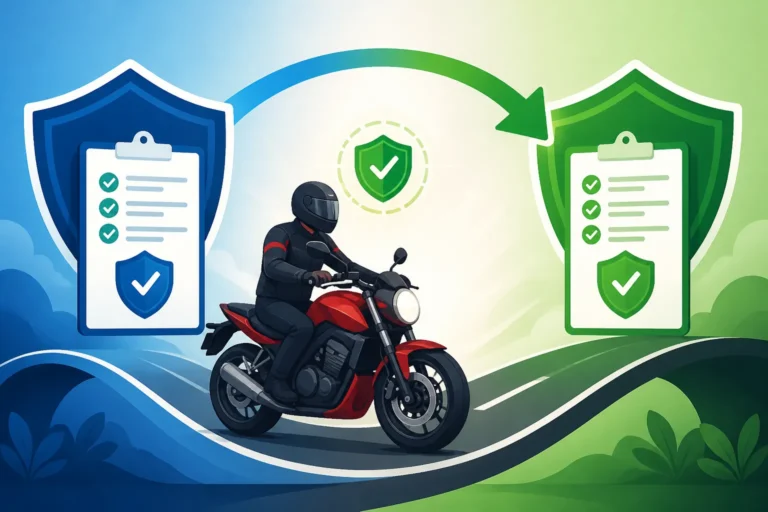
It's crucial to differentiate between canceling the SR-22 filing and canceling your motorcycle insurance policy. You are withdrawing the state-mandated certificate that was attached to your policy. You are not canceling the actual insurance coverage that protects you and your motorcycle. You will still need an active insurance policy to ride legally, even if you no longer require an SR-22 filing. If you decide to switch providers, you'll cancel your old policy and start a new policy, but the SR-22 filing itself is a separate administrative action. This distinction is vital to avoid any misunderstandings with your insurer or the state.
State SR-22 Durations and General Requirements
While the process of canceling an SR-22 filing is broadly similar across states, the initial duration of the requirement can vary. This table provides a general overview, but always confirm with your specific state's DMV.
| State | Typical SR-22 Duration | Common Triggers | Notes |
|---|---|---|---|
| California | 3 years | DUI, At-fault uninsured accidents | May require an SR-22 even for non-drivers for license reinstatement. |
| Texas | 2 years | DUI, Driving without insurance | Can be up to 5 years depending on offense. |
| Florida | 3 years | DUI, Multiple moving violations | May extend if there are further violations. |
| New York | Not typically required | Other financial responsibility laws often apply | New York uses different systems for high-risk drivers. |
| Illinois | 3 years | DUI, Auto accidents with no insurance | Must be continuously maintained. |
| Virginia | 3 years | DUI, Uninsured motorist judgment | FR-44 may be required for DUI convictions, not just SR-22. |
| Ohio | 3-5 years | DUI, License suspension, No insurance accidents | Varies based on violation severity. |
| Washington | 3 years | DUI, Habitual traffic offenses | Requires continuous coverage. |
Disclaimer: This table provides general information. Specific requirements and durations can change and depend on the nature of the offense and individual driving history. Always confirm with your state's Department of Motor Vehicles or equivalent agency.
Common Missteps and Smart Moves When Canceling Your SR-22
Navigating the post-SR-22 landscape can feel like uncharted territory, and it's easy to make mistakes if you're not careful. Here are some common pitfalls to avoid and smart strategies to adopt.
Pitfall: Assuming the State "Knows"
One of the biggest mistakes riders make is assuming that because their required period is over, the state automatically updates its records and lifts the SR-22 requirement. This is almost never the case. The system relies on communication from your insurance provider. If you don't instruct your insurer to file the SR-26 (the cancellation form), the state will likely continue to believe you need an SR-22, even if the actual timeframe has passed. This could lead to a notification of a lapse and subsequent penalties. Always confirm with both your insurer and the state. This is especially important when considering Moving to Another State: Motorcycle Insurance, as state agencies don't always communicate seamlessly.
Pitfall: Canceling Your Entire Policy Too Soon
We touched on this earlier, but it bears repeating: do not cancel your entire motorcycle insurance policy the moment you withdraw the SR-22 filing. The SR-22 filing is an addition to your policy, not the policy itself. If you immediately cancel your entire policy, you'll be riding without insurance, which is illegal in almost every state and comes with its own set of severe penalties. You need to ensure you have continuous liability coverage. If you're planning to switch insurers to get a better rate, ensure your new policy is active before you cancel your old one. Our guide on How to Cancel Motorcycle Insurance provides a detailed walkthrough.
Smart Move: Leveraging This Opportunity to Find Better Rates
As soon as your SR-22 is officially off your record, you are no longer constrained to the higher rates often associated with that filing. This is your prime opportunity to shop around. Don't just stick with your current insurer out of habit. While they might adjust your rate down slightly, other companies might offer significantly better deals now that you're no longer considered a "high-risk" client due to the SR-22.
Use online comparison tools like The Zebra, or directly request quotes from several motorcycle insurance providers, including large carriers like Progressive, Geico, and Dairyland. You'll likely be surprised by the difference in pricing. Be sure to ask about any discounts you might now qualify for, such as safe rider discounts or multi-policy bundles. This is the moment to truly optimize your motorcycle insurance costs. Our article on How to Switch Motorcycle Insurance Companies offers excellent advice on making this transition smoothly.
Smart Move: Documenting Every Step
From the initial call to the DMV confirming your release date to the final confirmation from the state that the SR-22 is removed, keep meticulous records. This includes:
- Dates and times of calls.
- Names of representatives you spoke with.
- Confirmation numbers.
- Copies of any letters or forms (like the SR-22 release letter or the SR-26 cancellation form).
- Screenshots of online confirmations.
Having this documentation can save you a world of trouble if there's ever a dispute or an administrative error down the line. It's your ultimate proof that you fulfilled your obligations and properly managed the cancellation.
Disclaimer
This article is for general informational purposes only and does not constitute professional advice. Laws, prices and regulations vary by location and change over time. Consult a qualified professional for guidance on your specific situation.