Can I Get a New Bike if Mine Is Totaled and I Have Replacement Coverage?
Dealing with a totaled motorcycle is a nightmare. One minute you're enjoying the open road, the next your beloved machine is a mangled mess, leaving you wondering if you'll ever get back in the saddle without a massive financial hit. If you’ve invested in replacement cost coverage, you might be asking: "Can I actually get a new bike if mine is totaled?" This guide dives deep into how this crucial coverage works and what to expect when navigating a total loss claim.
Understanding Total Loss on Your Motorcycle
When your motorcycle is involved in a severe accident or suffers extensive damage from things like fire or theft, your insurance company might declare it a "total loss." This can be a crushing blow, both emotionally and financially, as it means your bike is beyond economical repair or the cost to fix it exceeds a certain percentage of its value.
What "Total Loss" Really Means for a Rider
For an insurance company, a motorcycle is declared a total loss when the estimated cost to repair the damage, plus the salvage value of the wrecked bike, meets or exceeds a certain threshold. This threshold varies by state and insurer, but it often hovers around 70-80% of the bike's actual cash value (ACV) right before the incident. For example, if your bike was worth $10,000, and repairs are estimated at $7,500, the insurer might total it. They look at the numbers and decide it’s simply not worth repairing, or that it’s cheaper to pay out its value than to attempt to fix it, especially considering the potential for hidden damages and diminished value. This calculation helps them manage risk and costs, but for you, it means your trusty ride is officially retired. For more insights on this, you can check out our comprehensive guide on what happens when your motorcycle is totaled.
The Gut Punch: Why a Total Loss Is More Than Just Numbers
Beyond the cold, hard math, a total loss is often a deeply personal experience for riders. It’s not just a vehicle; it’s a passion, a lifestyle, a source of freedom. The bike you customized, the memories you made on long rides, the feeling of the wind – all of that can feel lost when your motorcycle is totaled. The financial reality can sting too, especially if you owe money on the bike or if its market value has depreciated significantly since you bought it. Many riders initially fear they'll be left with little to nothing, perhaps even still owing on a bike they can no longer ride. This is precisely where having the right coverage, like replacement cost, can turn a devastating situation into a manageable one.
The Golden Ticket: How Replacement Cost Coverage Works
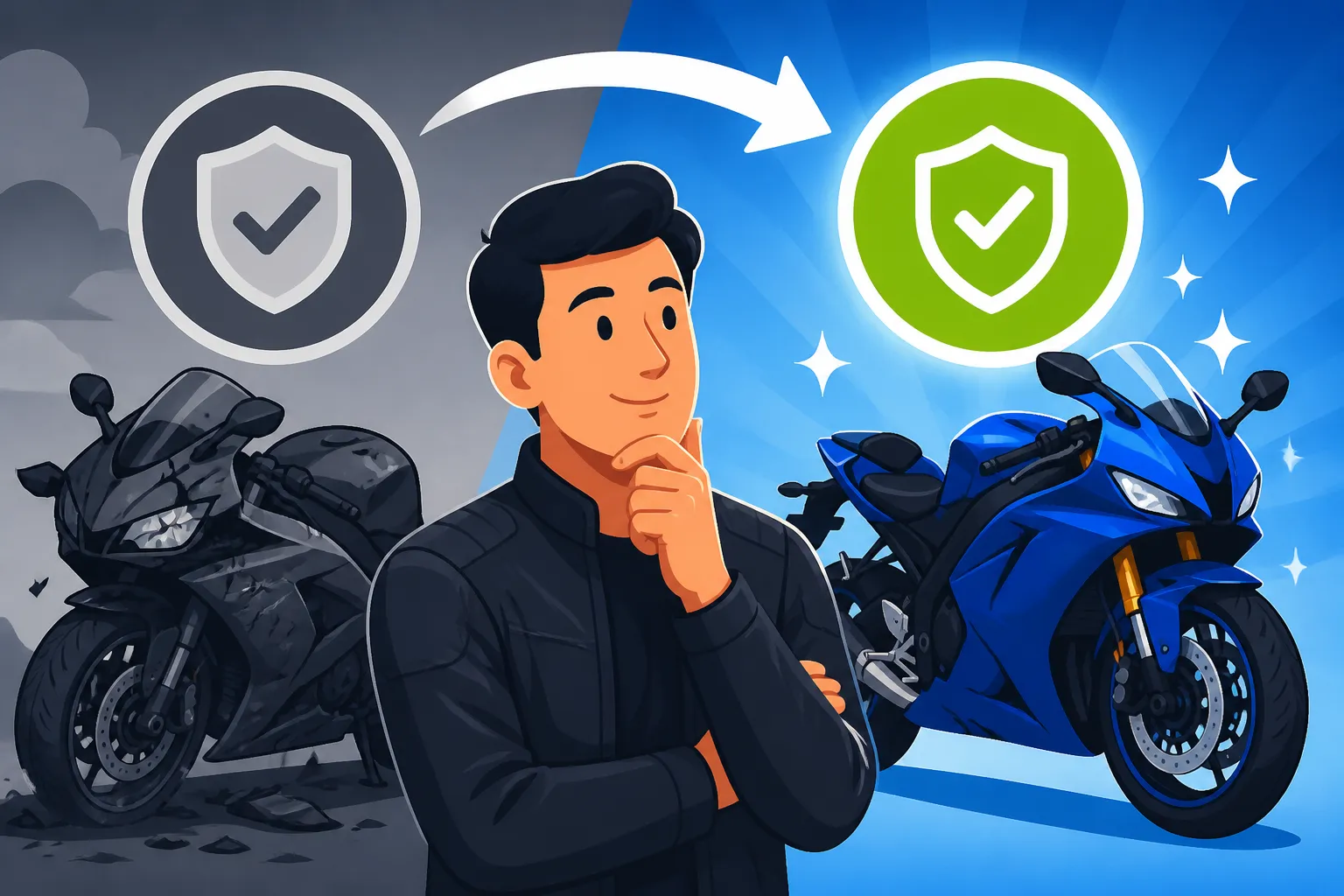
Now, let's talk about the silver lining in this cloudy scenario: replacement cost coverage. This is a powerful add-on to your standard motorcycle insurance policy that can make a monumental difference when your bike is totaled. Instead of just getting what your bike was "worth" at the moment it was damaged, this coverage aims to put you back on a comparable, brand-new motorcycle.
Actual Cash Value (ACV) vs. Replacement Cost: A Critical Difference
To truly understand the value of replacement cost coverage, we first need to understand its counterpart: Actual Cash Value (ACV). Most standard comprehensive and collision policies will pay out based on your bike's ACV. What does that mean? ACV is the market value of your motorcycle right before the loss, minus depreciation for age, mileage, and wear and tear. So, if your pristine 2020 Harley-Davidson Street Glide, which you bought new for $22,000, is totaled in 2024, its ACV might only be $15,000. That $15,000 might not even cover what you still owe, let alone buy you a new one.
Replacement cost coverage, however, often waives that depreciation. It's designed to pay for the cost of a brand-new motorcycle of the same make, model, and year, or a comparable one if yours is no longer produced. This means if that same Harley was totaled, and you had replacement cost coverage, the insurer would likely pay closer to the price of a new 2024 Street Glide, significantly reducing your out-of-pocket expenses for a new ride. This distinction is absolutely vital when comparing different types of motorcycle insurance coverage explained.
Let's visualize the difference:
| Feature | Actual Cash Value (ACV) | Replacement Cost Coverage |
|---|---|---|
| Payout Basis | Market value right before the incident, minus depreciation. | Cost of a brand-new, comparable model. |
| Depreciation | Deducted from the payout. | Waived or reimbursed. |
| Goal | Restore value of the used motorcycle. | Provide funds for a new replacement motorcycle. |
| Best For | Older, fully paid-off bikes where value isn't a concern. | Newer bikes, financed bikes, or those you want to replace with new. |
| Premium Impact | Generally lower premiums. | Higher premiums due to greater potential payout. |
What Your Replacement Cost Policy Might Cover
While the core idea of replacement cost is to get you a new bike, the specifics can vary wildly between insurers and policies. Some policies, often from companies like Progressive or The Zebra, might cover the actual purchase price of a new, identical motorcycle. Others might offer a "depreciation waiver" where they pay out the ACV initially, and then pay the difference to a new bike's cost once you purchase it.
There are often limits on how old your bike can be to qualify for replacement cost coverage – usually only available for motorcycles less than one to three years old. Some policies also have specific payout limits, meaning they won't pay above a certain dollar amount regardless of the new bike's price. Always dig into the policy language for maximum limits, how long the coverage is valid (e.g., 1-2 years from purchase), and any specific conditions that must be met to receive the full benefit. Accessories and custom parts coverage is a separate beast, but good replacement cost policies might include coverage for aftermarket parts up to a certain limit or allow you to purchase additional coverage for them.
Navigating the Process of Getting a New Bike After a Total Loss
So, your bike's been totaled, and you have that sweet replacement cost coverage. What now? The process might seem daunting, but breaking it down into steps makes it much more manageable.
Reporting the Claim and Initial Assessment
The very first thing you need to do, after ensuring your safety and fulfilling any immediate legal requirements, is to report the incident to your insurance company. Do this as quickly as possible. Provide them with all the details: date, time, location, cause of damage, and any police reports or photos you took. This is the official start of how to file a motorcycle insurance claim.
Once reported, your insurer will assign an adjuster who will inspect your damaged motorcycle. They'll assess the extent of the damage, determine if it's repairable, and get estimates. This is where the "total loss" determination officially happens. If they deem it a total loss, they will evaluate your policy, including the replacement cost coverage, to calculate the payout. They’ll likely ask for documentation like your bill of sale, loan information (if applicable), and possibly even recent maintenance records to confirm your bike’s condition prior to the loss. Make sure you have all your ducks in a row.
Working with Your Insurer and Finding a New Ride
After the total loss determination, your adjuster will inform you of their estimated payout. This is where your replacement cost coverage really shines. If your policy pays the full replacement cost, they’ll provide you with a settlement that allows you to purchase a brand-new, comparable motorcycle. Sometimes, the insurer might have a preferred dealership network, or they might simply give you a check, leaving you to find your new ride.
It's crucial to understand that even with replacement cost, you might still have a deductible to pay. This amount will be subtracted from your payout. Also, ensure the "comparable" new bike truly matches your old one in features and value. Don't be afraid to negotiate if you feel their offer for a new bike doesn't quite measure up to what you had. They want to settle the claim, and you want to be made whole. If you’re working with a brand like Harley-Davidson Insurance, they might be particularly adept at valuing their specific models for replacement. Once you settle on a new bike and complete the purchase, you'll need to promptly add it to your insurance policy. Our guide on how to add a new motorcycle to your policy can walk you through that.
Key Considerations and Potential Hurdles with Replacement Coverage
While replacement cost coverage is a fantastic safety net, it's not a magical "get a free new bike" card. There are always details and potential snags that you, as a savvy rider, need to be aware of.
Policy Limits and Deductibles
Even with replacement cost coverage, there are usually limits to the payout. Your policy will state a maximum amount it will pay for a new motorcycle, or a specific duration (e.g., within the first two years of ownership). If the cost of a brand-new bike of the same make and model exceeds this limit, you'll be responsible for the difference. For example, if your policy has a replacement cost limit of $25,000, and the new bike you want costs $27,000, you'll pay $2,000 out of pocket.
Then there's your deductible. This is the amount you agree to pay out of pocket before your insurance coverage kicks in. If your deductible is $1,000, that amount will be subtracted from your total replacement cost payout. While higher deductibles usually mean lower premiums, they also mean a larger out-of-pocket expense at claim time. It's a balance you need to strike when choosing your policy. Understanding how much is motorcycle insurance for your specific needs, including deductibles, is key.
Specific Policy Language and Exclusions
This is where the fine print really matters. Every insurance policy is a contract, and the wording can dramatically affect your payout. Some replacement cost policies might specify that the replacement bike must be purchased from a certain type of dealer, or within a specific timeframe after the total loss. Others might have exclusions for certain types of damage, or for bikes used in competitive events.
It’s crucial to thoroughly read your policy documents or discuss them in detail with your agent. Don't assume anything. Ask explicit questions like: "If my bike is totaled, will I literally get enough money to buy a brand-new version of it, or a similar one, without factoring in depreciation?" Companies like The Zebra or Progressive can provide clear policy breakdowns, but it's ultimately your responsibility to understand what you're buying. This also ties into understanding what full coverage motorcycle insurance means, as replacement cost is an enhancement to those core coverages.
Timeline and Availability of a New Motorcycle
Getting a new bike after a total loss isn't always an instantaneous process. The claims adjustment can take time, especially if liability is disputed or if there's extensive damage to assess. You might also encounter delays in finding an exact replacement for your motorcycle, particularly if you ride a niche model or if there are supply chain issues affecting new bike inventory.
For instance, if you had a specialized touring model, finding an identical one might require waiting for the manufacturer to produce it or for a dealership to receive it. During this time, you might be without a ride, which can be a significant inconvenience. Factor in the time for insurance paperwork, finding a new bike, and then registering and insuring your new vehicle. Being patient and proactive in communicating with both your insurer and dealerships can help streamline this process. It’s also wise to keep an eye on how to compare motorcycle insurance quotes for your new ride.
Disclaimer
This article is for general informational purposes only and does not constitute professional advice. Laws, prices and regulations vary by location and change over time. Consult a qualified professional for guidance on your specific situation.