How Do I Transfer Insurance From My Old Bike to My New One?
Getting a new motorcycle is an exhilarating experience, a fresh start on two wheels. But amidst the excitement of picking out your new ride, whether it's a sleek sport bike or a laid-back cruiser, the thought of insurance can feel like a nagging chore. Many riders worry about coverage lapses, skyrocketing premiums, or simply navigating the confusing process of moving their policy. This comprehensive guide will walk you through exactly how to seamlessly transfer your motorcycle insurance from your old bike to your new one, helping you hit the road with confidence and proper protection.
The Critical First Steps When Getting a New Ride
That feeling of riding off on a new motorcycle is pure freedom, but it comes with a responsibility to ensure you're covered. It's a common mistake to assume your insurance automatically updates itself or that you have unlimited time to sort out the details. Taking immediate and informed action is crucial to protect your investment and avoid unnecessary stress.
Understanding Your Current Policy's Grace Period
Many riders, myself included, get caught up in the sheer joy of a new bike and inadvertently overlook the paperwork. It's easy to assume your old policy just "moves over" to the new machine, but that's rarely the full picture. Most reputable insurance companies do offer a brief grace period, typically ranging from 7 to 30 days, during which your newly acquired motorcycle might be covered under your existing policy's terms. This can be a huge relief, offering a temporary safety net, but it's not a free pass to delay. This grace period is usually specifically for existing customers who are purchasing a replacement vehicle, and critically, the coverage often mirrors precisely what you had on your old bike.
For example, if your trusty old cruiser had only basic liability coverage, your brand-new, top-of-the-line sport bike might only be protected by that same minimal liability during this temporary grace period. This leaves it incredibly vulnerable to theft, collision damage, or even acts of nature. You absolutely do not want to find out the hard way that your comprehensive coverage didn't transfer automatically when that shiny new Harley-Davidson or Kawasaki Ninja gets dinged in the parking lot, or worse, stolen from your driveway. Always, always check directly with your provider immediately to confirm the exact terms and limitations of your grace period.
It's also worth noting that some policies, particularly those for motorcycles, might not offer a grace period at all, or the terms could be significantly different than what you might expect for a car. You might be covered for liability if you're deemed at fault in an accident, but what about damage to your own bike? That's where knowing the specifics of your grace period becomes an absolutely vital piece of information. Don't rely on assumptions or hearsay; a quick, direct call to your insurer can save you a world of trouble and potential financial heartache if anything goes wrong in those first few days.
Why Immediate Action is Crucial
That grace period, however generous it might initially seem, is emphatically not an invitation to procrastinate. The very moment you take possession of your new motorcycle, even if you're just riding it home from the dealership, you need to ensure it's properly and fully insured. Riding a motorcycle without adequate coverage, even for a short trip across town, can lead to severe legal penalties. These can range from hefty fines and points on your driving record to license suspension, and in some unfortunate cases, even vehicle impoundment. Beyond the legal ramifications, the potential financial risk is truly immense. Imagine the unthinkable: getting into an accident on the short ride home, only to discover your new bike isn't covered for collision damage, or even worse, that you're personally held liable for someone else's injuries and property damage.
Many states have extremely strict Motorcycle Insurance Requirements by State (2026 Guide), and failing to meet these could mean significant legal trouble the moment you're pulled over or involved in an incident. Moreover, if your new bike is financed, the lender will almost certainly require full coverage from day one. They have a substantial vested interest in protecting their asset, and they'll likely demand concrete proof of insurance before you're even allowed to leave the dealership lot. Ignoring this critical step could potentially void your financing agreement or, at best, result in the lender forcing you to purchase expensive "lender-placed" insurance, which is almost always pricier and offers less coverage than a policy you'd choose yourself.
Even if you're paying cash for your new motorcycle, protecting your investment should be your absolute top priority. A new motorcycle represents a significant financial expense for most riders, and without the right coverage, a single incident—whether it's an accident, theft, or vandalism—could wipe out your savings, leave you with a heavily damaged or unrideable bike, and no means to repair or replace it. Taking immediate action to transfer or secure your insurance isn't just about legal compliance; it's fundamentally about securing your peace of mind and safeguarding your financial future as a dedicated rider. It's a key part of the larger picture of What to Do After a Motorcycle Accident (Insurance Steps) if something unforeseen occurs.
A Step-by-Step Guide to Transferring Your Coverage
The process of transferring your motorcycle insurance doesn't have to be complicated, but it does require attention to detail. By following a clear, step-by-step approach, you can ensure a smooth transition and get back to enjoying the open road on your new machine without a lingering worry about your coverage.
Gathering Necessary Information
Before you even think about picking up the phone or logging onto your insurer's website, make sure you have all the essential details about your new motorcycle at your fingertips. This isn't just about knowing the make and model; insurance providers require specific, granular details to accurately calculate your premium and tailor your coverage appropriately. You'll definitely want to have the full Vehicle Identification Number (VIN) readily available. The VIN is like your bike's unique fingerprint, a 17-character code that identifies it precisely. Along with the VIN, have its exact year, make, model, and engine size (in CCs) noted down.
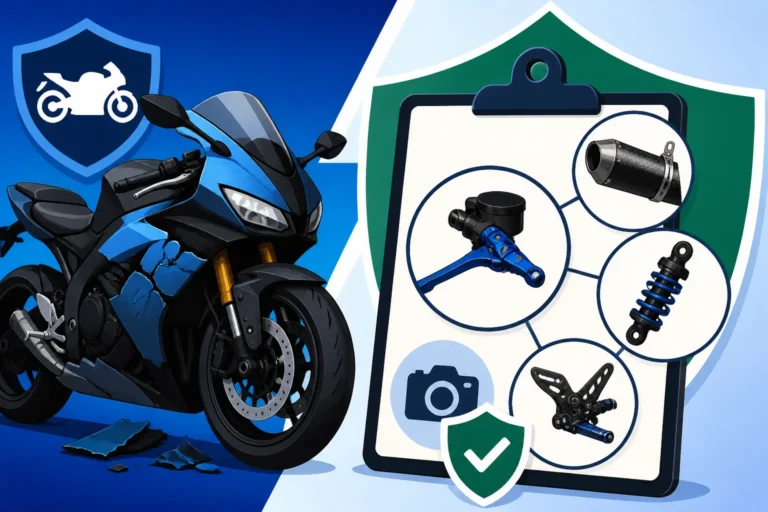
Additionally, be prepared to share information about any advanced safety features your new bike might have, such as Anti-lock Braking Systems (ABS), traction control, or integrated anti-theft systems. Details about how and where you plan to store the bike (e.g., in a locked garage, carport, or outdoors) and its estimated annual mileage are also important factors. If your new machine is a custom build, has extensive aftermarket modifications, or boasts valuable accessories, you'll need a detailed list of those too. This is especially crucial if you want to ensure specific Accessories & Custom Parts Coverage Explained is included in your new policy.
You'll also need pertinent details about the purchase itself, such as the exact date of purchase, the name and contact information of the dealership or private seller, and whether the bike is financed or owned outright. If it's financed, have your financing company's name and address ready, as they'll need to be listed as a loss payee on your policy. This comprehensive approach to gathering information ensures that there are no surprises or delays down the line, allowing your insurer to accurately assess the risk and confirm that your new machine is protected from the very moment you roll it off the lot.
Contacting Your Insurance Provider
Once you are thoroughly armed with all the necessary information, it's time to connect with your current motorcycle insurance provider. You typically have several convenient options for doing this: you can call their customer service line, log into their secure online portal if they offer that functionality, or visit a local agent in person if you prefer a face-to-face interaction and have an agent relationship. When you make contact, clearly and concisely state that your purpose is to "transfer" your motorcycle insurance from your old bike to your newly acquired one. Be explicit in your request; don't just assume they know what you mean by simply saying "new bike."
The insurance representative will then guide you through the process, asking for the details of your old bike (which they should have readily on file) and, critically, all the new bike's information that you meticulously gathered earlier. They will then generate a new quote for insuring your new motorcycle. It is absolutely crucial at this stage to engage in a detailed discussion about your specific coverage needs. Your new bike might have a significantly different value, performance characteristics, or risk profile compared to your old one, so simply mirroring your previous policy might not be sufficient or even appropriate. This is an excellent opportunity to reassess whether you truly need What Does Full Coverage Motorcycle Insurance Mean? or if a liability-only policy is still suitable for your new situation.
Before concluding the call or online process, confirm the exact effective date of your new policy, ensuring there is absolutely no lapse in coverage between your old and new protection. Ask for immediate proof of insurance; this usually comes in the form of a temporary ID card or a declaration page that you can keep with you right away. Many states nowadays accept Proof of Insurance: Digital vs Paper for Riders, but it's always a wise practice to have a physical copy or at least immediate digital access on your smartphone. Do not hang up or exit the online portal until you have concrete confirmation that your new motorcycle is officially covered and you possess valid proof of that coverage.
Reviewing and Adjusting Your New Policy
Simply transferring your coverage isn't always a straightforward, one-to-one swap, particularly if your new motorcycle is significantly different from your old one. You'll need to carefully and critically review the proposed policy for your new bike. The first question to ask is: Does the liability coverage still meet your state's Minimum Liability Insurance Explained (The Three Numbers) requirements? More importantly, does it align with your personal comfort level and financial protection needs? If you've upgraded from a basic, low-power cruiser to a high-performance sport bike, for instance, your inherent risk profile changes dramatically. In such a scenario, you might seriously consider higher liability limits or adding crucial coverages like uninsured and underinsured motorist protection, which can be invaluable in an accident where the other party is at fault and lacks sufficient insurance.
Consider the actual cash value or replacement cost of your new motorcycle. If it's a brand-new model, fresh off the showroom floor, you might want to explore additional options such as "New Bike Replacement Coverage" or "Gap Insurance," especially if the bike is financed. These specialized coverages can be lifesavers, protecting you from significant financial loss if your bike is totaled early in its life, when depreciation can leave you owing more than the bike is worth. For motorcycles with extensive custom work or unique modifications, ensuring your Accessories & Custom Parts Coverage Explained is robust and accurately reflects the value of those additions is paramount. Never hesitate to ask your agent or insurance representative detailed questions about what is covered, what specific exclusions exist, and what your deductibles will be for various types of claims.
This policy review is also a prime opportunity to discuss any potential discounts you might be eligible for. Have you recently completed a recognized motorcycle safety course, like those offered by the Motorcycle Safety Foundation? Do you have anti-theft devices installed on your new bike? Are you bundling your motorcycle insurance with your auto or home insurance policy? Companies like Progressive often boast a wide variety of discounts that could help to significantly offset any potential premium increase stemming from a more expensive or powerful new motorcycle. Taking the extra time to thoroughly review and adjust your policy ensures that you not only have the right level of protection tailored specifically for your new ride but also that you are securing the best possible rate.
Navigating Common Scenarios and Potential Hurdles
Even with the best intentions, transferring insurance can sometimes hit a snag. Understanding common scenarios and being prepared for potential hurdles can save you a lot of headache and ensure your new ride is always covered.
Dealing with Different Bike Types and Values
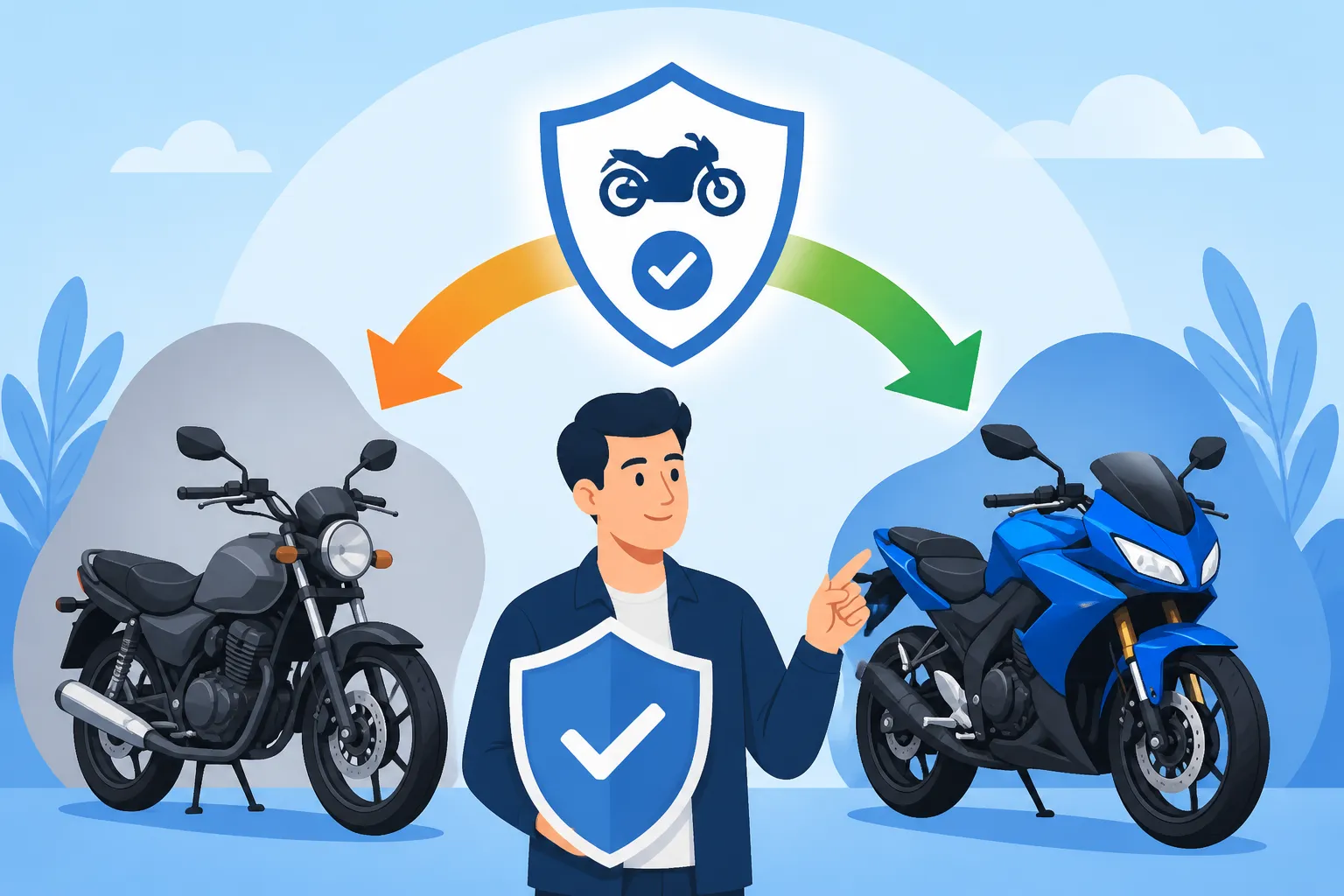
It's an exciting rite of passage for many riders: upgrading or switching styles when buying a new motorcycle. You might be moving from a nimble 250cc beginner bike to a powerful 1000cc sport bike, or perhaps from a classic standard to a luxurious, feature-packed touring model. It’s crucial to understand that each type of motorcycle carries a distinct risk profile and inherent value, both of which directly and significantly impact your insurance premium. Sport bikes, for instance, almost invariably command significantly higher insurance costs compared to other motorcycle types. This is due to a combination of factors: their higher theft rates, the increased accident risk associated with their performance capabilities, and the generally more expensive cost of their specialized parts and repairs. The topic of Sport Bike Insurance Cost (Why So High) is a common concern and discussion point among many riders.
When you're in the process of transferring your policy, be mentally prepared for your rates to change, sometimes quite dramatically. An insurer such as Progressive will meticulously recalculate your premium. This recalculation is based on the new bike's specific characteristics (like engine size, make, model, and safety features), your updated risk profile as a rider, and the most current actuarial data and market trends. If your new motorcycle is a high-value cruiser or a limited-edition model, you'll need to absolutely ensure that your comprehensive and collision coverages are robust enough to cover its full replacement cost should it be totaled. This might necessitate adjusting your deductibles or even exploring specialized options like "Agreed Value" or "Stated Value" coverage, particularly for unique or custom bikes, which differ significantly from "Actual Cash Value" policies.
Don't be surprised or immediately alarmed if your new premium quote is higher than your old one, but by the same token, never be afraid to politely and firmly ask for a detailed explanation. Understanding the specific factors that are influencing your new premium empowers you to make well-informed decisions about your coverage limits and deductible levels. This might even prompt you to actively How to Get Cheap Motorcycle Insurance by thoroughly investigating additional discounts you might qualify for, or by proactively comparing quotes from several different insurance providers if the initial increase from your current insurer feels excessive or unjustifiable.
Avoiding Lapses and Coverage Gaps
One of the most absolutely critical aspects of transferring your motorcycle insurance is ensuring a completely seamless transition, leaving no room for any gaps in coverage whatsoever. Even a single day without proper insurance can expose you to immense financial risk, not to mention severe legal penalties. Furthermore, having a lapse in coverage on your insurance record can, unfortunately, lead to significantly higher premiums in the future, as insurers tend to view it as an indicator of higher risk or irresponsibility. To meticulously avoid this perilous situation, it is paramount to precisely coordinate the effective date of your new insurance policy with the exact date you take physical possession of your new motorcycle.
My strong recommendation is to never, under any circumstances, cancel your old policy before your new policy for the new bike is firmly in place and confirmed. It is always a much safer strategy to have a brief overlap in coverage, even if it means you're technically paying for two policies for a few days. This short overlap acts as an ironclad guarantee of continuous protection, preventing any potential gaps. For instance, if you're selling your old motorcycle and simultaneously purchasing a new one, you might choose to keep the policy on the old bike active until the sale is officially finalized. Only then should you either transfer the coverage to the new bike or cancel the old policy and initiate an entirely new one for your recently acquired ride. This meticulous timing is essential to prevent any dreaded situations where you might find yourself inadvertently riding uninsured.
This careful planning and execution are particularly vital if you are dealing with a private sale, where timelines can be less predictable, or if there are any unforeseen delays in processing paperwork. Always make it a non-negotiable priority to obtain concrete proof of your new insurance policy before you even think about riding the new motorcycle off the dealership lot or out of the private seller's driveway. Your state's Department of Motor Vehicles will unquestionably require proof of financial responsibility, and a lapse in coverage, even a short one, could lead to severe legal and financial consequences. As highlighted in Penalties for Riding Without Insurance, these penalties can range from hefty fines to license suspension, making diligent preparation an absolute must.
What If Your Rates Change Dramatically?
It's a common and very real fear among riders: you get that fantastic new bike, call your insurer with anticipation, and the new premium quote leaves you reeling from sticker shock. Rates can indeed change dramatically for a multitude of reasons when you transfer coverage. The new motorcycle's specific type, its engine size, its theft rating (which insurers closely track), and even the typical cost of its parts and associated repair labor can all contribute to a significantly higher premium. For example, insuring a high-performance sport bike will almost always be considerably more expensive than insuring a more sedate touring cruiser, even if you boast a stellar, unblemished riding record. Your age and overall riding experience also play a huge role in these calculations, especially if you fall into the category of Motorcycle Insurance Cost for Young Riders Under 25.
If you find yourself facing a much higher premium than you anticipated or feel is fair, do not simply accept it as an unavoidable fact. First, take the time to thoroughly review all your coverage options with your current provider. Are there any discounts you might be eligible for but haven't yet applied? Think about discounts for completing a motorcycle safety course, installing factory-standard or aftermarket anti-theft devices, or bundling your motorcycle policy with your auto or home insurance. Sometimes, even a slight adjustment to your deductibles can significantly impact your premium, although this does mean you'd have more out-of-pocket expenses in the unfortunate event of a claim.
Secondly, and this is crucial, do not hesitate to shop around aggressively. Just because your current insurer was fantastic and affordable for your old bike doesn't automatically mean they are the best or most competitive fit for your new one. This is precisely where modern tools like The Zebra become incredibly valuable, allowing you to quickly and efficiently compare quotes from multiple insurance providers side-by-side. You might discover that another company, perhaps Dairyland or Markel, offers much better rates or more favorable terms specifically for your new motorcycle model and your unique rider profile. Getting several competitive quotes is undoubtedly one of the most effective ways to truly understand How to Get Cheap Motorcycle Insurance and secure the best value for your protection.
When Transferring Isn't Enough: Shopping for New Coverage
While transferring your existing motorcycle insurance policy might initially seem like the easiest and most convenient path, it's essential to recognize that it's not always the most cost-effective or comprehensive solution, especially when you're getting a brand-new bike. Every motorcycle is unique, with its own set of risks and requirements, and every rider's personal and financial situation is equally distinct. What worked perfectly well for your old, perhaps paid-off, Honda Rebel might simply not be ideal or even affordable for your new, financed BMW GS. This fundamental truth is precisely why comparing quotes from various insurance providers is a critical step you should never skip, even if you're deeply loyal to your current insurer.
The insurance market is dynamic, and different companies often specialize in, or at least offer more competitive rates for, different types of motorcycles or specific rider demographics. For example, one insurer might offer exceptionally fantastic rates for cruisers, while another might excel in providing competitive pricing for high-end touring bikes or even Best Motorcycle Insurance for Sport Bikes. You might find that while Progressive was an excellent choice for your previous bike, another company could offer more favorable terms for your new model, or provide more robust and specialized coverage for specific features like extensive custom parts or enhanced roadside assistance packages.
Comparison shopping extends far beyond just comparing the quoted price; it's fundamentally about finding the best overall value for your money and peace of mind. As you compare, closely examine the coverage limits offered, the various deductible options, the availability of valuable add-ons, and importantly, the insurer's customer service reputation, especially regarding claims processing. A policy with a slightly higher premium from one provider might actually come with significantly better claims handling, a more user-friendly interface, or more robust and extensive coverage options that truly protect you in unforeseen circumstances. Websites like The Zebra significantly simplify this often-tedious process, allowing you to input your information once and receive multiple, comparable quotes, thereby empowering you to make a truly informed decision and potentially save a significant amount on your annual premium. It's an indispensable part of understanding How to Compare Motorcycle Insurance Quotes.
Special Situations Requiring a Fresh Start
There are certain unique situations where merely attempting to transfer your old policy might not be the best strategy, or in some cases, not even possible. In these scenarios, a fresh start—either with an entirely new policy or by switching to a completely different insurance provider—is not just warranted, but often highly advisable. For instance, if you've recently been involved in an accident that was your fault, or if you've received a significant moving violation, your old insurer might reassess your risk profile. This could lead to a new quote from them being astronomically high. In such challenging cases, actively exploring other providers, perhaps those that specialize in catering to Best Motorcycle Insurance for SR-22/High-Risk riders, could yield much better and more affordable results.
Another common scenario that warrants a fresh look at your insurance is a drastic change in your riding habits or a relocation to a new area. Moving to a new state, for example, often comes with entirely different Motorcycle Insurance Requirements by State (2026 Guide). Your old policy might no longer be compliant with the new state's laws, or it simply might not be competitively priced in your new geographical area. Similarly, if you've decided to undertake significant custom modifications to your new bike – perhaps adding a turbocharger, extensive chromework, or a bespoke paint job – you'll need an insurer that offers specific and robust Accessories & Custom Parts Coverage Explained. Your current provider might not specialize in this niche, or they might offer such coverage only at an exorbitant rate.
Sometimes, the need for a fresh start is simply a matter of finding better and more appropriate options for a completely different type of motorcycle. If you've transitioned from a standard street bike to a dedicated off-road or dirt bike, you'll likely require specialized Off-Road & Dirt Bike Insurance Requirements that your current mainstream insurer might not even offer. In all these instances, embracing the opportunity to shop for a completely new policy isn't a tedious chore; it's a smart, strategic move. It ensures that you acquire the best possible protection tailored precisely for your new ride and your evolving riding adventures, fostering a holistic approach to your insurance that truly fits your new reality.
Essential Information for a Smooth Transfer
To help you keep track of all the important details when transferring your motorcycle insurance, here's a handy table summarizing the key information you'll need at your fingertips. Being prepared will make the process much faster and less stressful.
| Information Category | Specific Details Needed | Why It's Important |
|---|---|---|
| New Motorcycle Info | Year, Make, Model (e.g., 2024 Harley-Davidson Street Glide) | Determines the basic risk, value, and repair costs. |
| VIN (Vehicle Identification Number) | Unique identifier for accurate policy creation and avoiding errors. | |
| Engine Size (CC) | A major factor in calculating risk and premium rates. | |
| Odometer Reading (approx.) | Helps assess estimated annual mileage for potential discounts. | |
| Purchase Date & Price | Required for policy setup, especially for financed motorcycles. | |
| Anti-theft Devices (e.g., alarm, GPS tracker) | May qualify you for valuable insurance discounts. | |
| Customizations/Accessories (e.g., custom paint, exhaust) | Essential for ensuring adequate coverage for added value. | |
| Old Motorcycle Info | VIN (if selling or trading in) | To accurately remove it from your policy or process a trade-in. |
| Sale Date (if applicable) | For proper removal of coverage and potential premium refund. | |
| Rider Information | Driver's License Number/Motorcycle Endorsement | For identity verification and rider rating. |
| Existing Policy Number (if transferring) | To quickly locate and access your current account. | |
| Desired Coverage Levels | To tailor liability, collision, comprehensive, and other coverages to your needs. | |
| Financing Company Info (if applicable) | Lender requires to be listed as a loss payee on your policy. |
Disclaimer
Please remember that insurance policies and requirements can vary significantly by state, provider, and individual circumstances. The information provided in this guide is for general informational purposes only and should not be considered as professional legal or financial advice. Always consult directly with your insurance provider or a qualified agent to discuss your specific needs and ensure you have the appropriate coverage for your motorcycle.