How to Switch Insurers Without Coverage Gap
Feeling stuck with your current motorcycle insurance but terrified of the potential chaos involved in switching to a new provider? You're not alone. Many riders postpone getting a better deal or more suitable coverage because they dread the nightmare of a "coverage gap," leaving them exposed and vulnerable. This guide is here to walk you through exactly how to switch motorcycle insurers seamlessly, ensuring you stay fully protected every single mile of the way.
Why Switching Motorcycle Insurance Can Feel Like a Tightrope Walk
Let's be real, dealing with insurance paperwork and policy changes is nobody's idea of a good time. It often feels like you need a law degree just to understand the terms, and the thought of making a mistake that could leave you uncovered is enough to make anyone put it off.
The Fear of the Unknown: What if Something Goes Wrong?
Riders often worry about accidentally creating a lapse in coverage. Imagine this scenario: you cancel your old policy, thinking your new one starts immediately, but there's a processing delay, or worse, a misunderstanding about the effective date. For even a single day, or an hour, you could be riding without insurance, completely unaware. If you were to get into an accident during that time, you'd be on the hook for everything—property damage, medical bills, legal fees, you name it. That kind of financial exposure is a scary thought for any rider. The peace of mind that comes with continuous coverage is invaluable, and the fear of losing it, even temporarily, can be a major deterrent to exploring better insurance options.
Common Pitfalls Riders Face When Changing Policies
It’s easy to stumble when trying to switch motorcycle insurance. One common pitfall is canceling your old policy before the new one is officially active. Another is assuming that because you've applied for new insurance, you're covered. Applying and being covered are two very different things; coverage only begins when the policy is bound and the effective date kicks in. Riders might also overlook specific state requirements, failing to ensure their new policy meets minimum liability limits, or forgetting that a lienholder on a financed bike might have additional, stricter requirements. These small details can lead to big headaches, including fines, license suspension, or even vehicle impoundment if caught riding without proper insurance.
Understanding the "Coverage Gap" and Why It's a Big Deal
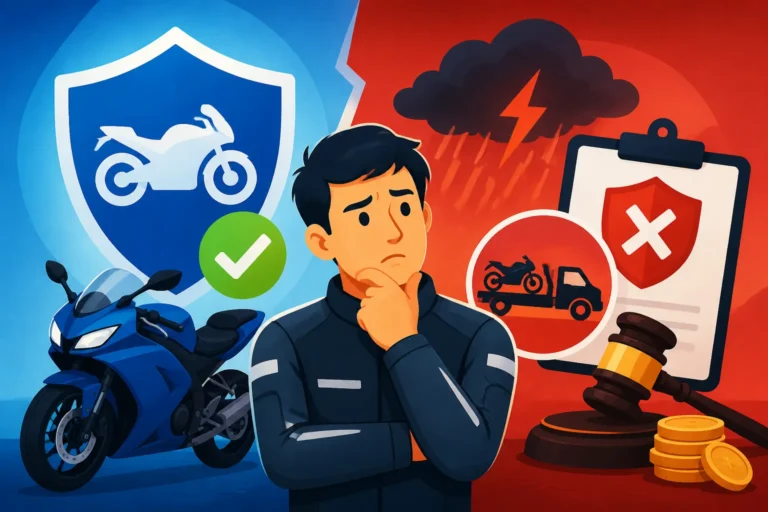
The term "coverage gap" might sound like insurance jargon, but it's a very real and dangerous situation for any motorcycle owner. It's not just a minor inconvenience; it's a significant risk that could have devastating financial and legal consequences.
What Exactly Is a Coverage Gap?
Simply put, a coverage gap is any period, no matter how short, where your motorcycle is not insured. This could be a day, a week, or even just a few hours between the cancellation of one policy and the activation of another. It's often an accidental occurrence, stemming from miscommunication, oversight, or rushed transitions. For instance, if you tell your old insurer to cancel on Tuesday but your new policy doesn't officially start until Wednesday morning, you've got a coverage gap for that Tuesday night. During this time, your bike is unprotected, and you're personally responsible for any incident that might occur. Think about it: if your bike is stolen overnight, or you hit a pothole on your way to work the next morning during that gap, you're left holding the bag.
The Real-World Risks of Riding Uninsured, Even for a Day
The consequences of a coverage gap can be severe and far-reaching. Legally, riding without insurance is a serious offense in most states. Even if you're just moving your bike a few blocks and you get pulled over, you could face hefty fines, points on your driving record, and even suspension of your motorcycle license and registration. In some states, like New York, you might even have your motorcycle impounded. You can learn more about the specific Penalties for Riding Without Insurance in various places, but trust me, they're not minor.
Financially, the risks are even greater. If you're involved in an accident, even a minor fender bender, during a coverage gap, you'll be personally liable for all damages. This includes the cost to repair or replace your own motorcycle, the medical bills for any injuries you sustain, and potentially hundreds of thousands of dollars for damages and injuries to other parties. Without insurance, there's no safety net, no adjuster to call, and no company to step in and pay those bills. This could easily lead to bankruptcy or years of financial struggle, turning a simple ride into a life-altering event.
The Step-by-Step Guide to a Seamless Switch
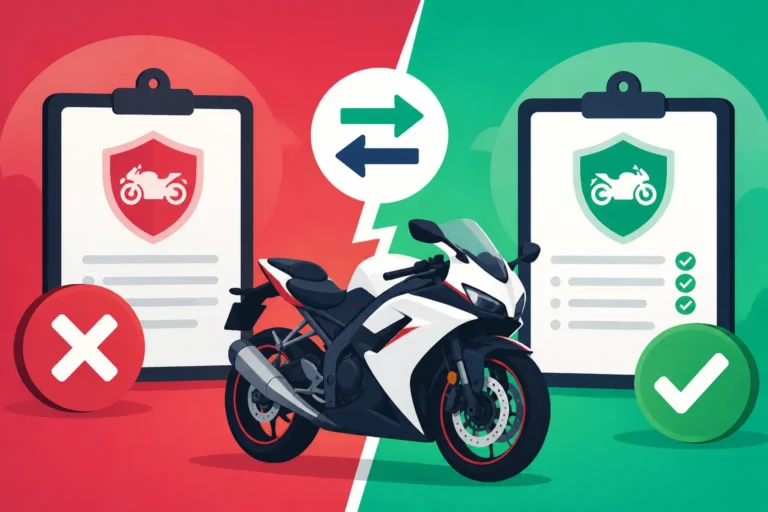
Okay, deep breaths. Switching insurers doesn't have to be a nightmare. With a little planning and careful execution, you can make the transition smooth, secure, and completely gap-free. The key is to be proactive and never, ever cancel your old policy before your new one is firmly in place.
Step 1: Research and Compare Your Options Thoroughly
Before you even think about hitting the cancel button, you need to do your homework. Start by gathering all the details of your current policy: coverage limits, deductibles, specific endorsements, and your current premium. This will serve as your baseline for comparison. Next, cast a wide net and research various motorcycle insurance providers. Don't just stick to the big names; smaller, specialized insurers might offer better rates or more tailored coverage for your specific bike or riding style.
Tools like comparison websites or independent agents can be incredibly helpful here. For example, using a platform like The Zebra allows you to input your information once and receive multiple quotes from different carriers, making it much easier to compare apples to apples. Pay close attention not just to the price, but also to the types of coverage offered. Do they have good Types of Motorcycle Insurance Coverage Explained? Are there any special coverages that would benefit you, like custom parts coverage for your aftermarket exhaust or trip interruption for your cross-country tours? Think about what truly matters to you in terms of protection and service.
Step 2: Get New Quotes and Choose Your Next Insurer
Once you have a clear picture of what you're currently paying and what kind of coverage you need, it's time to actively solicit quotes. You can usually get free, no-obligation quotes online, often within minutes. When you're requesting quotes, be as accurate and detailed as possible. Provide precise information about your motorcycle's make, model, year, and any modifications, your riding history, your age, and your location. Even small inaccuracies can lead to wildly different quotes.
As you compare, look beyond the bottom-line premium. Dive into the policy details. Does the new policy offer the same level of liability? Are the deductibles similar or different? Do they offer discounts you might qualify for, such as a multi-policy discount if you also insure your car with them? Reputable companies like Progressive often highlight various discounts and bundling options upfront. Don't be afraid to call and speak with an agent to clarify any questions you have. They can explain complex coverages like What Does Full Coverage Motorcycle Insurance Mean? Once you've reviewed several quotes and feel confident you've found a better fit, make your decision, but do not purchase yet.
Step 3: Secure Your New Policy Before Canceling the Old One
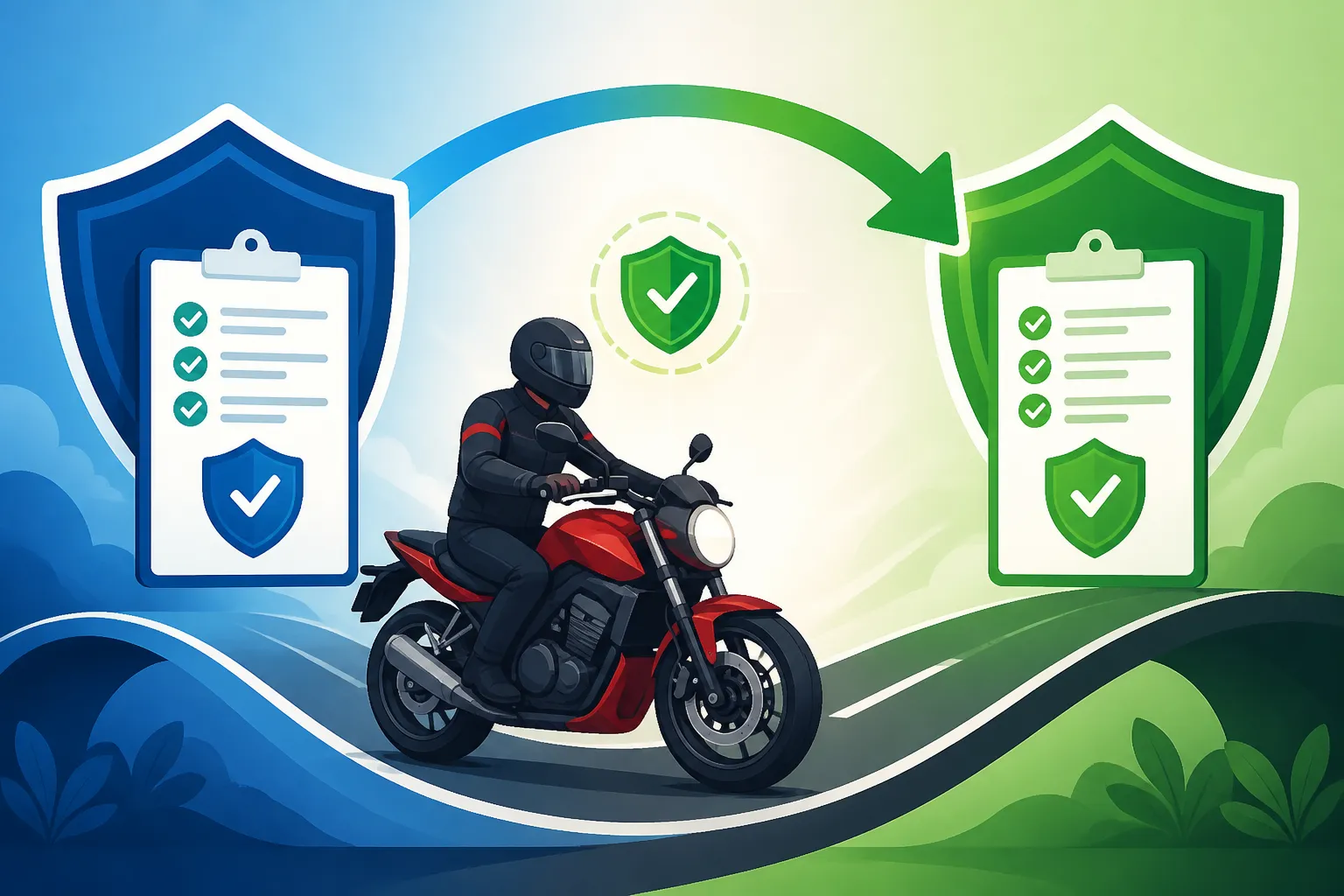
This is the absolute most critical step to avoid a coverage gap. Once you've chosen your new insurer, work with them to finalize and purchase your new policy. Set the effective date of your new policy to be the same day or, even better, one day before the cancellation date of your old policy. For example, if you want your old policy to end on June 15th, set your new policy to begin on June 15th. This overlap, even for a few hours, ensures you're never uninsured.
It's crucial to get a confirmation of your new policy in writing, typically via email, showing the policy number and the exact effective date and time. Double-check all the details to ensure they are accurate. Once you have this confirmation in hand and know for certain your new policy is active and valid, then and only then, should you contact your old insurer to cancel your existing policy. When you call your old insurer, clearly state the exact date and time you want your policy to be canceled. This precision helps prevent any ambiguity. Remember to ask about any potential refunds you might be owed, as you can often get a prorated refund if you cancel mid-policy. For more details on this, check out our guide on Do You Get a Refund When You Cancel Mid-Policy?
Step 4: Confirm Cancellation and Get Proof
After you've contacted your old insurer to cancel, don't just assume it's done. Follow up to ensure the cancellation has been processed correctly. Request written confirmation of your policy cancellation, including the exact date and time it was terminated. This documentation is your proof that you successfully switched without a gap and can be invaluable if any questions arise later from your state's DMV or your previous insurance provider. Keep this confirmation along with your new policy documents in a safe place. You can also monitor your bank or credit card statements to ensure no further premiums are charged by your old insurer after your requested cancellation date. This diligent approach helps you maintain full coverage and complete peace of mind throughout the entire transition.
Key Factors to Consider When Shopping for a New Policy
Switching insurance providers isn't just about saving a few bucks. It's about finding the right balance of cost, coverage, and customer service that aligns with your specific needs as a rider. Rushing the decision can leave you underinsured or overpaying in the long run.
Don't Just Chase the Cheapest Rate: Value Matters
It's tempting to jump at the lowest premium, but a cheap policy often means minimal coverage. While saving money is great, it’s not worth sacrificing essential protection. Think about what truly matters: if you have a brand-new Harley-Davidson, do you really want only state-minimum liability coverage, leaving you to pay for your bike's repairs out of pocket if you're at fault in an accident? A slightly higher premium for robust coverage could save you tens of thousands of dollars if something goes wrong.
Consider the insurer's reputation for claims handling, too. You want an insurer that’s known for being responsive and fair when you need them most. Some companies might offer lower rates, but their customer service might be difficult to reach or their claims process could be notoriously slow. Reading reviews and asking other riders about their experiences can give you valuable insights into an insurer's true value, not just their price tag.
Comparing Coverage Types and Limits
Understanding the different types of coverage and what they actually protect is crucial. You'll generally encounter liability, collision, and comprehensive coverage. Liability Coverage for Motorcycles Explained is the bare minimum required by law in most states, covering damages and injuries you cause to others. Collision coverage pays for damage to your own bike in an accident, regardless of who is at fault. Comprehensive coverage protects against non-collision incidents like theft, vandalism, fire, or hitting an animal.
Beyond these core coverages, look into extras like uninsured/underinsured motorist (UM/UIM) coverage, medical payments (MedPay), and roadside assistance. If you have custom parts or accessories on your bike, ensure the new policy offers adequate Accessories & Custom Parts Coverage Explained to protect those investments. The limits you choose for each coverage type are also vital. Minimum state limits might satisfy the law, but they often fall far short of what you'd actually need in a serious accident. Consider what you could realistically afford to pay out of pocket if your insurance limits were exhausted, and choose limits that offer you genuine financial security.
Leveraging Discounts and Bundling Opportunities
Many riders overlook the numerous discounts available that can significantly lower their premiums. Always ask about every possible discount when getting quotes. Common motorcycle insurance discounts include:
- Multi-policy discount: If you insure multiple vehicles (car, home, boat) with the same company, you often get a discount. This is a big one; Should You Bundle Motorcycle Insurance is almost always a good idea.
- Safe rider discount: Completing a motorcycle safety course can often net you a discount, especially with companies like Progressive that actively promote rider education.
- Multi-bike discount: Insuring more than one motorcycle on the same policy can reduce the cost per bike.
- Good driver discount: A clean driving record with no accidents or violations can lead to lower rates.
- Anti-theft device discount: Installing an alarm or GPS tracker on your bike can sometimes qualify you for savings.
- Seasonal riding discount: If you only ride certain months of the year, some insurers offer options to reduce coverage during off-season storage, though this needs to be managed carefully to avoid gaps.
Factors like your age, riding experience, credit score, and even where you live can also What Affects Your Motorcycle Insurance Rate. Being proactive and asking about every possible discount can help you find genuinely cheap motorcycle insurance without compromising on the quality of your coverage. Don't be shy; your wallet will thank you!
Special Considerations for Different Rider Scenarios
While the core principles of switching insurance remain the same, certain situations require extra attention to ensure a smooth, gap-free transition and compliance with specific requirements.
Financed Motorcycles: Lienholder Requirements
If your motorcycle is financed, you don't fully own it yet; the bank or lender holds the title. This means they have a vested interest in protecting their asset, and they'll have specific insurance requirements you must meet. Typically, lenders require full coverage (collision and comprehensive) in addition to the state-mandated liability. They'll also require themselves to be listed as a "loss payee" on your policy, ensuring that if the bike is totaled, they are paid first from the insurance settlement.
When switching insurers with a financed bike, it is absolutely crucial to notify both your old and new insurance companies of your lienholder's information. Your new policy must reflect the lienholder's requirements from day one. You'll usually need to provide the lienholder's name and address to your new insurer, who will then send proof of coverage directly to them. Failure to maintain the required coverage can put you in breach of your loan agreement, potentially leading to forced-place insurance (which is usually very expensive) or even repossession of your motorcycle. Always refer to your loan documents for the precise Motorcycle Insurance Requirements for Financed Bikes to ensure you're fully compliant during the switch.
High-Risk Riders and SR-22 Filings
For riders who've had serious violations like a DUI/DWI, multiple traffic tickets, or caused an accident while uninsured, you might be classified as a "high-risk" driver. In many states, this means you'll be required to carry an SR-22 form (or an FR-44 in Florida and Virginia) for a specified period, typically three years. This form is not insurance itself, but a certification from your insurance company to the state DMV proving that you carry the minimum required liability insurance.
Switching insurers when you have an SR-22 requirement can be a bit more complex. Not all insurance companies offer SR-22 filings, and those that do may charge significantly higher premiums. Before you even get quotes, confirm that the prospective new insurer is willing and able to file an SR-22 on your behalf. When you switch, your new insurer must file the new SR-22 with the DMV before your old insurer cancels their SR-22 filing. Any lapse in this filing, even for a day, can result in your driving privileges being suspended again. It's a delicate dance, so communicate clearly with both your old and new insurers about the SR-22. Our guide on SR-22 for Motorcycles When It's Required offers more in-depth information on this specific topic. You'll need to coordinate carefully to avoid any administrative hiccups that could impact your ability to ride legally.
Multi-Bike Households and Bundling Strategies
If you're lucky enough to have more than one motorcycle in your garage, or if you have other vehicles and a home to insure, you're in a prime position to benefit from bundling discounts. Many insurance companies offer significant savings if you consolidate multiple policies with them. This isn't just about motorcycles; it extends to car insurance, homeowners or renters insurance, and even RVs or boats.
When switching, explore options to bundle all your insurance needs with a single provider. This can often lead to substantial discounts across all your policies, making your overall insurance costs much more manageable. For instance, if you insure your car and your two motorcycles with the same company, you might get a multi-vehicle discount for the bikes and a multi-policy discount for bundling them with your auto policy. Reputable insurers like Progressive and State Farm are well-known for their bundling programs. Just remember that while bundling usually saves money, always compare the total cost and coverage across all policies to ensure you're still getting the best value. Sometimes, even with bundling, one aspect of your insurance might be cheaper elsewhere, but the overall savings often make it worthwhile. When you're ready to make the move, checking out How to Switch Motorcycle Insurance Companies effectively can help you manage all these elements at once.
Streamlining Your Switch: A Pre-Cancellation Checklist
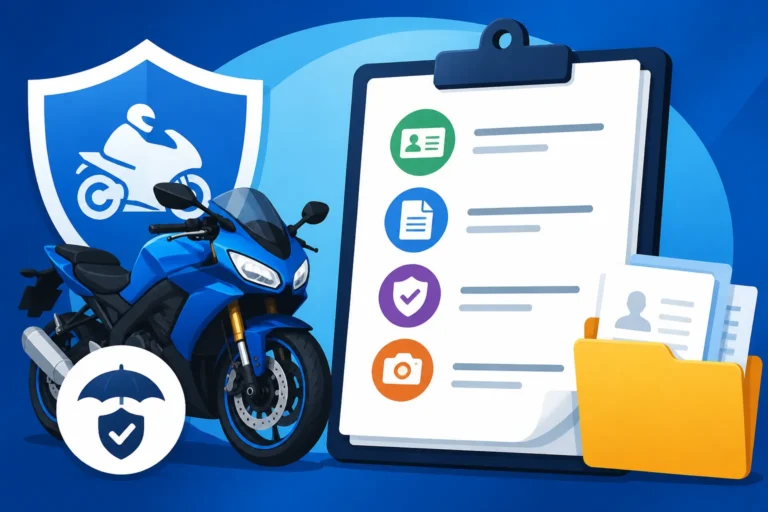
To ensure a smooth transition and avoid any unexpected hitches, a bit of organization goes a long way. Here’s a handy checklist to keep everything in order when you're preparing to switch motorcycle insurers:
| Task | Status (Check When Done) | Notes |
|---|---|---|
| Gather Current Policy Info | [ ] | Policy number, coverage types, limits, deductibles, premium, effective/expiration dates. |
| Identify Riding Needs | [ ] | Annual mileage, specific routes, accessories/modifications, passenger frequency, storage details. |
| Research New Insurers | [ ] | Look into different companies, their reputations, and specific motorcycle offerings. Use comparison tools like The Zebra. |
| Obtain Multiple Quotes | [ ] | Get at least 3-5 quotes. Be precise with information (e.g., VIN, rider history). Learn How to Get Motorcycle Insurance Quotes Online. |
| Compare Coverage & Costs | [ ] | Ensure new quotes offer comparable (or better) coverage. Factor in deductibles and extras. Understand How to Lower Your Rate When Switching Insurers. |
| Confirm Lienholder Requirements | [ ] | If financed, verify new policy meets lender's specific full coverage and loss payee requirements. |
| Check for SR-22/FR-44 Need | [ ] | If applicable, confirm new insurer files these forms and coordinate filing dates with old insurer. |
| Choose New Policy & Effective Date | [ ] | Select your new insurer. Set new policy's effective date on or before old policy's cancellation date. |
| Purchase New Policy | [ ] | Complete the purchase and receive confirmation (policy number, effective date). |
| Contact Old Insurer to Cancel | [ ] | Provide the exact cancellation date/time. This should be after your new policy is active. |
| Request Cancellation Confirmation | [ ] | Get written proof of cancellation from your old insurer. |
| Update Lienholder (if applicable) | [ ] | Ensure your lienholder has the new insurance information to avoid issues. |
| Review New Policy Documents | [ ] | Double-check all details, coverages, limits, and listed riders on your new policy. |
This checklist empowers you to stay organized and proactive, making the process of switching insurance providers a structured and stress-free endeavor.
Disclaimer
The information provided in this article is for general informational purposes only and does not constitute financial, legal, or insurance advice. While we strive to keep the information up-to-date and accurate, laws and insurance policies can change. Always consult with a qualified insurance professional or legal advisor to discuss your specific circumstances and needs. Insurance requirements and coverages vary by state and individual policy.