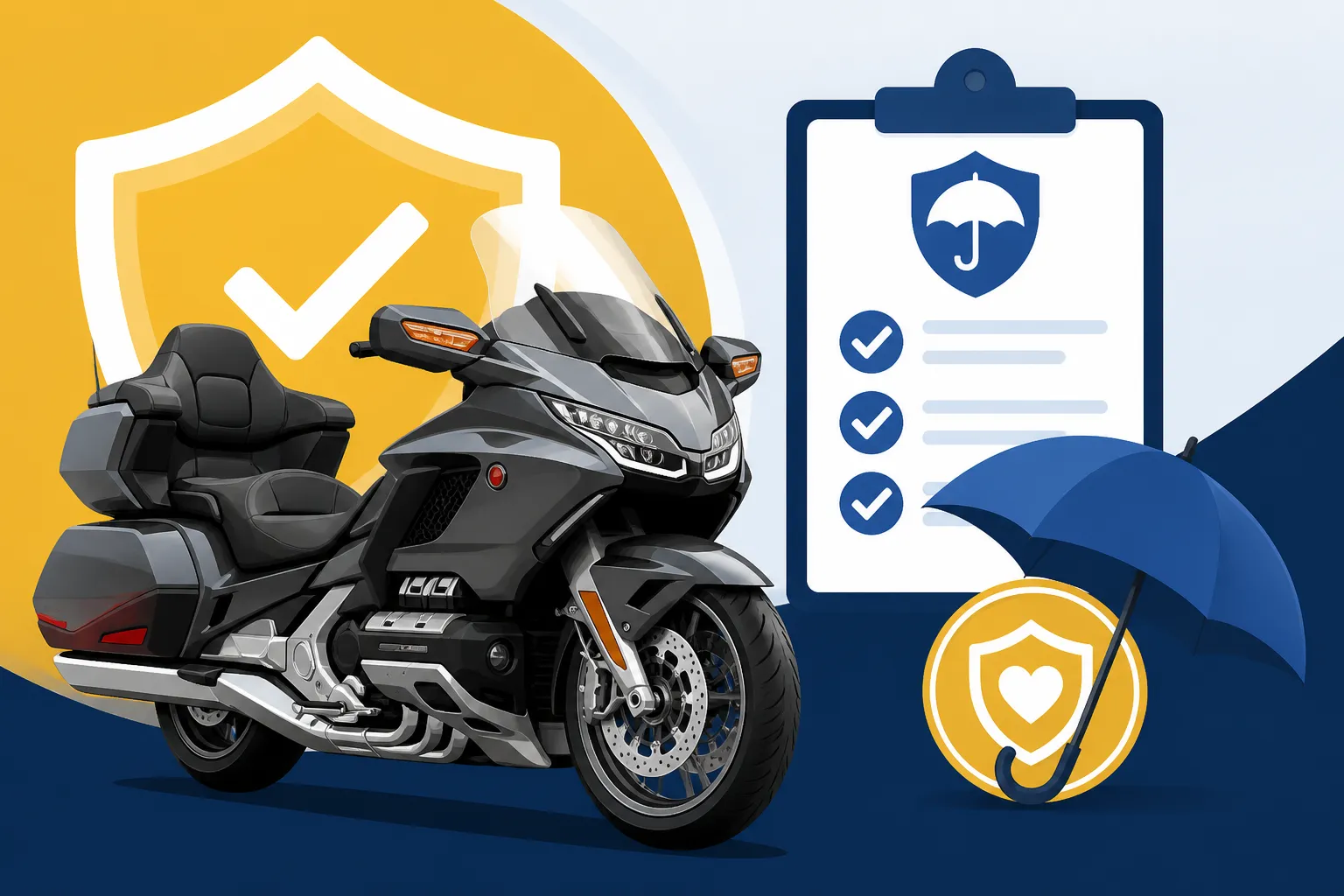
Honda Gold Wing Insurance Cost
Dreaming of cruising down the open road on a Honda Gold Wing is a common fantasy for many riders. These magnificent touring machines offer unparalleled comfort and features, making long journeys a true pleasure. But often, the excitement is quickly followed by a nagging question: "How much is this going to cost to insure?" It’s a valid concern, as the sophisticated nature and high value of a Gold Wing can sometimes lead to unexpectedly high premiums. This comprehensive guide is here to shed light on the typical insurance costs for a Honda Gold Wing, break down the myriad factors that play into those rates, and, most importantly, equip you with the knowledge to potentially reduce your annual premiums without sacrificing essential coverage.
Understanding the Honda Gold Wing and Its Insurance Profile
When you're looking at insurance for a vehicle as substantial and feature-rich as a Honda Gold Wing, it's immediately clear that it's not going to be treated the same as a lightweight sport bike or a bare-bones cruiser. The Gold Wing occupies a unique space in the motorcycle world, and its insurance profile reflects that distinctiveness.
The Gold Wing's Unique Characteristics
The Honda Gold Wing is an icon, a true king of the road, known for its luxurious features, powerful engine, and exceptional comfort. These characteristics, while making for an incredible riding experience, also contribute to its specific insurance considerations. We're talking about a large, heavy machine with a big engine, often exceeding 1800cc, packed with advanced electronics like navigation, heated seats, high-end audio systems, and even an airbag on some models. All these bells and whistles contribute to a higher Manufacturer's Suggested Retail Price (MSRP) compared to many other motorcycles.
Because of this higher initial investment, the cost to repair or replace a Gold Wing after an accident or theft can be significantly higher. Parts are more expensive, and the labor involved in fixing complex electronic systems adds up quickly. This naturally translates to higher potential payouts for insurance companies, which is then factored into your premium. However, Gold Wing riders also tend to be a more mature, experienced demographic. This can sometimes be a positive factor, as insurers often view older, more seasoned riders as less risky, potentially offsetting some of the cost increases associated with the bike's value.
Why Touring Bikes Have Specific Insurance Considerations
The very purpose of a touring motorcycle like the Gold Wing—to cover vast distances in comfort—also shapes its insurance landscape. These bikes are built for the long haul, meaning they're often on the road more frequently and for longer periods than a casual weekend cruiser. More mileage on the road inherently means more exposure to potential risks, from minor incidents to serious accidents.
Furthermore, Gold Wing owners often carry passengers and significant amounts of luggage, including expensive personal belongings or specialized touring gear. If an accident occurs, the potential for bodily injury to a passenger and damage to or loss of carried contents increases the stakes. This often leads riders to opt for more robust coverage, like higher liability limits, passenger liability, and coverage for personal belongings, all of which will impact the overall premium. It's a pragmatic choice for many, as protecting such a valuable asset and its occupants during frequent, extensive travel is paramount.
Key Factors Influencing Honda Gold Wing Insurance Premiums
It’s easy to feel like insurance rates are pulled out of thin air, but in reality, they're the result of a complex algorithm that considers numerous variables. For your Honda Gold Wing, these factors boil down to three main categories: you, the bike itself, and the choices you make about your coverage.
Rider Demographics and History
Let's start with you, the rider, because your personal profile is a massive determinant of your insurance costs.
- Age and Riding Experience: Generally, older, more experienced riders tend to pay less for motorcycle insurance. If you're over 25 and have several years of riding under your belt, insurers often see you as a lower risk compared to a younger, less experienced rider. This is especially true for a powerful touring bike like the Gold Wing, which attracts a more seasoned clientele.
- Driving Record: This one is huge. A clean driving record—free of accidents, speeding tickets, or other moving violations—is your golden ticket to lower premiums. Even a single accident or a few minor tickets can significantly increase your rates. If you've had an incident, understanding How Much Is Motorcycle Insurance After an Accident? can give you some perspective on the impact. Insurers look at your record to gauge your risk level; the riskier you appear, the more you'll pay.
- Motorcycle Endorsement and Safety Courses: Having a proper motorcycle endorsement on your driver's license is non-negotiable for riding legally, and it also signals to insurers that you've passed the necessary tests. Going a step further and completing a certified motorcycle safety course, like those offered by the Motorcycle Safety Foundation (MSF), often qualifies you for a discount. This shows a proactive commitment to safe riding practices. You can learn more about how this impacts your rates in our guide on Does a Motorcycle Safety Course Lower Insurance?.
The Gold Wing Itself: Model, Age, and Value
The specific details of your Honda Gold Wing also play a crucial role in determining your insurance premium.
- Model Year and Value: Newer Gold Wings, especially those with advanced features and higher MSRPs, typically cost more to insure because their replacement value is higher. For instance, a brand-new Honda Gold Wing Airbag Tour model will have a higher premium than a 10-year-old standard Gold Wing due to its higher market value and cost of components.
- Engine Size and Performance: While Gold Wings are large, their performance profile (touring rather than aggressive sport riding) can sometimes be a mitigating factor compared to a high-performance sport bike with a similar engine displacement. Insurers classify motorcycles by type, and touring bikes often receive a more favorable rating than supersports.
- Customizations and Accessories: This is where many Gold Wing owners invest heavily. Adding aftermarket exhaust systems, custom paint, upgraded audio, or additional chrome can significantly increase the value of your bike. While these enhancements make your Gold Wing truly yours, they also increase its replacement cost. If you don't declare these modifications and get appropriate coverage, like Accessories & Custom Parts Coverage Explained, you might find yourself underinsured in the event of a claim.
Coverage Choices and Deductibles
The types and amounts of coverage you choose are perhaps the most direct levers you have over your Gold Wing's insurance cost.
- Types of Coverage: You might be legally required to carry only liability insurance, but for a Gold Wing, most owners opt for much more comprehensive protection. Liability coverage only covers damages and injuries you cause to others. To protect your own bike from collision damage, theft, vandalism, or natural disasters, you'll need Collision and Comprehensive coverage. The more types of coverage you add, the higher your premium will be. For a deep dive into the cost difference, check out Liability-Only vs Full Coverage Cost.
- Coverage Limits: These are the maximum amounts your insurance company will pay out for a covered claim. Higher limits provide greater protection but come with higher premiums. Given the value of a Gold Wing and the potential severity of motorcycle accidents, many riders choose higher liability limits than the state minimums to protect their assets in case of a serious at-fault accident.
- Deductibles: Your deductible is the amount you pay out of pocket before your insurance coverage kicks in for collision and comprehensive claims. Choosing a higher deductible typically results in a lower premium, as you're taking on more of the initial financial risk. Conversely, a lower deductible means higher premiums but less out-of-pocket expense if you need to file a claim.
- Add-On Coverages: Many riders choose to add extra protection for their Gold Wing, such as Roadside Assistance & Towing for Motorcycles, trip interruption coverage (especially useful for touring bikes), or even medical payments coverage. These additions provide peace of mind but will also increase your overall premium.
Estimated Honda Gold Wing Insurance Costs
So, what kind of numbers are we actually looking at? It's tough to give an exact figure without knowing all your personal details, your Gold Wing's specifics, and where you live. However, we can certainly provide some realistic estimates and explain why they fluctuate.
Average Cost Ranges for Popular Models
Generally speaking, insuring a Honda Gold Wing is going to be on the higher end of the motorcycle insurance spectrum. This is largely due to its high MSRP, the cost of parts, and the fact that most owners wisely choose comprehensive coverage to protect their investment. For a typical rider – someone between 35 and 55 with a clean driving record and a well-maintained Gold Wing – you might expect to pay anywhere from $400 to $1,500 annually for full coverage. This range can be influenced heavily by the factors we just discussed.
Let's break it down by rider age and experience for a rough estimate:
- Younger Riders (under 25): If you're a younger rider with a Gold Wing, expect significantly higher premiums, potentially ranging from $1,500 to $3,000+ per year. This is largely due to the perception of higher risk associated with age and less experience, regardless of the Gold Wing's touring nature.
- Mid-Age Riders (30s-50s): This demographic often enjoys the most favorable rates. For a clean record and full coverage, annual premiums could sit anywhere from $500 to $1,500.
- Senior Riders (60s+): Often, riders in this age group also benefit from lower rates due to extensive experience, but rates can start to creep up again at very advanced ages. Expect something in the $400 to $1,000 range for full coverage.
Keep in mind these are just broad estimates. Your actual quote could be higher or lower. The key takeaway is that luxury touring bikes like the Gold Wing, while often ridden by experienced individuals, still command premiums reflecting their value and the typical robust coverage options chosen by their owners. Tools like The Zebra can help you get a personalized estimate by comparing rates from multiple providers.
Impact of Location and State Minimums
Where you live can have a surprisingly big impact on your insurance costs. Insurance rates are highly localized, reflecting regional risks like population density, accident rates, theft statistics, and even weather patterns.
- State Insurance Requirements: Each state has its own minimum motorcycle insurance requirements, which can vary wildly. Some states might only require minimal liability, while others might mandate Personal Injury Protection (PIP) or Uninsured/Underinsured Motorist (UM/UIM) coverage. Knowing the Motorcycle Insurance Requirements by State (2026 Guide) is crucial for understanding your baseline cost. For example, if you reside in a state like Florida, which has a higher rate of uninsured motorists, your UM/UIM coverage might be more expensive.
- Urban vs. Rural: Living in a densely populated urban area, like Miami or Chicago, typically leads to higher insurance rates compared to a rural town in Montana. Urban environments usually have more traffic, a higher risk of accidents, and unfortunately, higher rates of vehicle theft. A Gold Wing, being a desirable and valuable machine, could be a target for theft, driving up comprehensive coverage costs in high-crime areas.
- Specific Zip Code Factors: Even within the same city, rates can vary by zip code due to localized crime statistics, accident frequency, and even the local availability of repair shops. For instance, insuring a Gold Wing in a bustling neighborhood of Dallas will likely incur different costs than in a quiet suburb just a few miles away.
Sample Annual Honda Gold Wing Insurance Costs by Rider Profile
To give you a clearer picture, here's a hypothetical table illustrating how different rider profiles and coverage choices could influence annual Gold Wing insurance premiums. Remember, these are estimates and real costs will vary.
| Rider Age | Driving Record | Coverage Type | Estimated Annual Premium |
|---|---|---|---|
| 25 | Clean | Full Coverage (High Limits) | $1,800 – $3,500+ |
| 35 | Minor Incident | Full Coverage (Std Limits) | $1,000 – $2,200 |
| 45 | Clean | Full Coverage (Std Limits) | $700 – $1,500 |
| 55 | Clean | Liability Only | $400 – $800 |
| 65 | Clean | Comprehensive & Collision | $600 – $1,200 |
Note: "Full Coverage" typically includes liability, collision, and comprehensive. "Std Limits" means standard industry-recommended liability limits (e.g., 50/100/25), while "High Limits" would be above those recommendations.
Strategies for Reducing Your Honda Gold Wing Insurance Costs
Even with a premium machine like the Gold Wing, there are always ways to shave off some costs without compromising the crucial protection you need. Being a savvy consumer and a responsible rider can lead to significant savings.
Smart Coverage Choices and Deductibles
The easiest way to influence your premium is by carefully reviewing your coverage.
- Re-evaluate Coverage as Your Bike Ages: A brand-new Gold Wing definitely warrants comprehensive and collision coverage. But as your bike ages and its market value depreciates, you might consider adjusting your coverage. For example, if your Gold Wing is 15 years old and fully paid off, the cost of full coverage might begin to outweigh the potential payout in a total loss scenario. Our guide Do You Need Full Coverage on a Paid-Off Motorcycle? can help you decide. Assess the actual cash value of your bike versus your annual premium.
- Adjust Your Deductibles: If you have a solid emergency fund, consider increasing your deductibles for collision and comprehensive coverage. Moving from a $250 deductible to a $500 or even $1,000 deductible can noticeably lower your monthly or annual premium. Just be sure you're comfortable with the higher out-of-pocket expense should you need to file a claim.
- Scrutinize Add-On Coverages: While many add-ons like Roadside Assistance & Towing for Motorcycles are incredibly useful for touring riders, review all additional coverages. Do you genuinely need trip interruption every year? Are your personal belongings in your saddlebags truly valuable enough to warrant extra coverage, or is your homeowner's insurance sufficient? Cut what you don't truly need.
Leverage Discounts and Bundling
Insurance companies offer a surprising array of discounts, and it's your job to find and claim every single one you qualify for.
- Rider Training Discounts: As mentioned earlier, completing a certified motorcycle safety course is a fantastic way to not only enhance your skills but also earn a discount on your insurance. Providers like Progressive and Dairyland frequently offer these. Our article Does a Motorcycle Safety Course Lower Insurance? provides more details on how much you can save.
- Bundling Policies: One of the most significant discounts often comes from bundling multiple insurance policies with the same provider. If you have auto insurance, homeowner's, or renter's insurance with one company, ask about adding your Gold Wing policy. Many insurers offer substantial multi-policy discounts that can make a big difference. Explore if Bundling Motorcycle and Auto Insurance: Worth It? for your specific situation.
- Anti-Theft Discounts: Given the value of a Gold Wing, equipping it with an approved anti-theft device (alarm, GPS tracker, immobilizer) can often lead to a discount on your comprehensive coverage.
- Mature Rider and Loyalty Discounts: Many companies offer discounts for riders over a certain age (often 50 or 55) who have a good driving record. Additionally, simply staying with the same insurer for several years can earn you a loyalty discount.
- Seasonal Coverage: If you store your Gold Wing for several months during winter, ask your insurer about suspending collision coverage during that period. You can often keep comprehensive coverage for theft or fire, but temporarily drop collision to save money while the bike is off the road.
Shop Around and Compare Quotes Regularly
This is arguably the single most effective strategy for finding the cheapest Honda Gold Wing insurance without sacrificing coverage quality.
- Don't Settle for the First Quote: Insurance rates are not fixed across the industry. Each company uses its own underwriting criteria, so what might be expensive with one insurer could be significantly cheaper with another. Even major brands like Geico, State Farm, and Allstate will offer different rates for the exact same coverage.
- Use Comparison Tools: Instead of calling each insurance company individually, use online comparison tools. Websites like The Zebra allow you to enter your information once and receive multiple quotes from various providers. This saves a huge amount of time and effort and ensures you're seeing a broad spectrum of prices.
- Shop Annually: Your rates can change year to year, even if your circumstances haven't. New discounts might become available, or an insurer's risk assessment models might shift. Make it a habit to shop for new quotes every year or two. Our guide on How to Compare Motorcycle Insurance Quotes offers excellent advice on how to do this effectively.
- Consider Company Reputation: While getting the cheapest rate is appealing, remember that good customer service and a solid reputation for handling claims are invaluable. Read reviews and ask other riders for their experiences with different insurers before making a final decision. What Affects Your Motorcycle Insurance Rate? is another great resource for understanding how different factors influence your costs.
By diligently applying these strategies, you can significantly reduce the financial impact of insuring your magnificent Honda Gold Wing, allowing you to focus more on the joy of the ride.
Disclaimer
Please remember that the information provided in this article is for general informational purposes only and does not constitute financial or legal advice. Insurance policies and rates vary widely based on individual circumstances, location, specific motorcycle models, chosen coverage, and current market conditions. It is essential to consult with a qualified insurance professional to discuss your specific needs and obtain personalized quotes. Always read your policy documents carefully to understand your coverage, limits, and exclusions.