How Much Is Motorcycle Insurance in Illinois?
Riding a motorcycle in Illinois brings a sense of freedom that's hard to match, but one question always looms large for new and experienced riders alike: "How much is motorcycle insurance going to cost me?" It's a question that can feel like a moving target, with prices fluctuating wildly based on a myriad of factors. You're not alone if you find yourself scratching your head trying to figure out what you'll really pay. This guide is here to cut through the confusion, providing a clear, detailed look at what influences motorcycle insurance rates in Illinois and how you can get the best deal.
Understanding the Average Cost of Motorcycle Insurance in Illinois
Let's get straight to it: the cost of motorcycle insurance in Illinois isn't a one-size-fits-all number. It really depends on who you are, what you ride, and where you live. However, to give you a ballpark idea, most riders in Illinois can expect to pay anywhere from $400 to $700 annually for basic liability-only coverage. If you're looking for more robust protection, like full coverage that includes collision and comprehensive, those premiums can jump significantly, often falling in the range of $800 to $1,500 or more per year. These figures are just averages, and your specific quote could be higher or lower.
Compared to the national average, Illinois motorcycle insurance costs tend to be pretty much in line, perhaps a little higher in urban centers. States with a longer riding season or higher population densities often see slightly elevated rates due to increased risk. Illinois's mix of dense urban environments like Chicago and sprawling rural areas contributes to this variability. Someone living in a quiet town downstate, for example, might find their rates considerably lower than a rider navigating the bustling streets of Naperville or the congested highways around O'Hare.
The difference between liability-only and full coverage is substantial because they protect against entirely different risks. Liability coverage is what most states, including Illinois, legally require. It covers damages and injuries you might cause to other people and their property in an accident. It doesn't, however, cover damage to your own bike or your own medical bills. Full coverage, on the other hand, usually combines liability with collision (for damage to your bike in an accident, regardless of fault) and comprehensive (for non-collision incidents like theft, vandalism, fire, or hitting an animal). The added protection, naturally, comes with a higher price tag, but it's often essential for newer, more valuable, or financed motorcycles.
Illinois Minimum Motorcycle Insurance Requirements You Need to Know
Before we dive into what you could pay, it's crucial to understand what you must pay for to ride legally in Illinois. Just like with cars, the state mandates specific minimum coverage levels for motorcycles. These requirements are in place to ensure that if you cause an accident, you have at least some financial means to cover the damages to others.
Illinois law requires all motorcyclists to carry liability insurance with minimum limits of 25/50/20. This "split limit" translates to:
- $25,000 for bodily injury liability per person
- $50,000 for total bodily injury liability per accident (if more than one person is injured)
- $20,000 for property damage liability per accident
So, if you accidentally rear-end a car in Springfield, your insurance would cover up to $25,000 for injuries to one person in the car, up to $50,000 if multiple people are injured, and up to $20,000 for the damage to their vehicle. It's important to remember that these are the minimums. While meeting these limits allows you to legally operate your motorcycle, they might not be enough to fully cover the costs of a serious accident, leaving you personally responsible for the difference. For a deeper dive into these numbers, you can check out our guide on Minimum Liability Insurance Explained (The Three Numbers).
Beyond liability, Illinois also has a mandatory requirement for Uninsured/Underinsured Motorist (UM/UIM) coverage. This is a critical protection for motorcyclists, as unfortunately, many drivers on the road don't carry adequate insurance, or any at all. This coverage is designed to step in if you're injured or your bike is damaged by a driver who either has no insurance (uninsured) or not enough insurance to cover your costs (underinsured). The minimums for UM/UIM in Illinois are typically set at the same 25/50 bodily injury limits as your liability coverage. Property damage UM/UIM is usually optional but highly recommended. Given the vulnerability of motorcyclists on the road, having robust UM/UIM coverage can be a lifesaver, both literally and financially. Without it, you could be left footing massive medical bills or repair costs after an accident that wasn't your fault. Understanding all your options is key, and our article on Types of Motorcycle Insurance Coverage Explained can offer more insights.
Key Factors That Drive Your Illinois Motorcycle Insurance Rates
Understanding the average cost is one thing, but pinpointing your specific rate in Illinois requires looking at a variety of individual factors. Insurance companies are all about assessing risk, and everything from your age to your bike's engine size plays a role in how they calculate your premium.
Your Riding Profile and Experience
This is one of the biggest determinants of your insurance cost. Insurers look at you, the rider, first and foremost.
- Age and Experience: Younger riders, especially those under 25, typically face much higher premiums. Why? Statistics show they're simply more prone to accidents. As you gain more years and riding experience, your rates tend to decrease, assuming you maintain a clean record. A 20-year-old on their first bike in Chicago will pay significantly more than a 45-year-old veteran rider in Peoria with decades of experience.
- Driving Record: This one is non-negotiable. Any past accidents, speeding tickets, or, heaven forbid, a DUI, will send your rates soaring. Insurers see these as clear indicators of future risk. Even minor infractions can push your premiums up. A clean driving record is your best friend when it comes to keeping costs down. If you've had a lapse in coverage or a major violation, you might even need an SR-22 filing, which can significantly impact your rates, as discussed in SR-22 for Motorcycles When It's Required.
- Gender and Marital Status: Believe it or not, these can also factor into the equation, albeit usually to a lesser degree than age or driving history. Statistically, married individuals are often seen as less risky than single ones.
Your Motorcycle's Make, Model, and Value
The bike you ride is almost as important as who you are as a rider. Different motorcycles present different risk profiles to insurers.
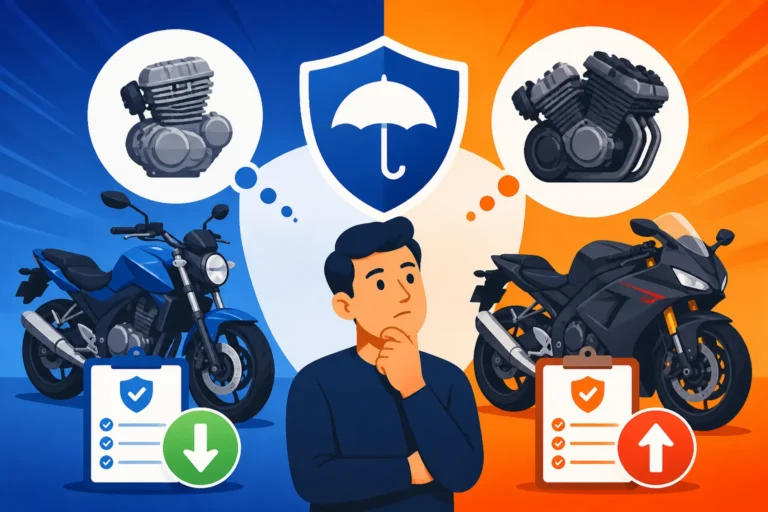
- Type of Motorcycle: Sport bikes, with their high performance and often higher accident rates, are consistently the most expensive to insure. A Suzuki GSX-R in Evanston will cost you more to cover than a Harley-Davidson Softail cruiser in Rockford. Cruisers, touring bikes, and standard motorcycles are generally cheaper to insure due to their lower risk profile and typically less aggressive riding styles.
- Engine Size (CCs): Bikes with larger engines often correlate with higher performance and thus higher premiums. A 1000cc superbike will almost certainly be more expensive to insure than a 300cc beginner bike.
- Value and Age: The newer and more expensive your motorcycle, the more it will cost to repair or replace, which means higher premiums, especially for full coverage. If you have a vintage or classic bike, its value might be assessed differently, sometimes requiring specialized "agreed value" coverage. Customizations and aftermarket parts also add value and can increase your premium, though you'll need specific Accessories & Custom Parts Coverage Explained to protect them.
Where You Live in the Prairie State
Location, location, location! Even within Illinois, where you park your bike at night makes a huge difference.
- Urban vs. Rural: Living in a densely populated urban area like Chicago, Aurora, or Joliet almost always means higher insurance rates. There's more traffic, a greater chance of accidents, and unfortunately, higher rates of motorcycle theft and vandalism compared to smaller, more rural towns. For example, a rider in Carbondale might pay considerably less than someone with the exact same bike and record in the Loop.
- Local Crime Rates: Areas with higher vehicle theft rates or vandalism statistics will lead to increased comprehensive coverage costs. Insurers track these local risks very closely.
- Weather and Riding Season: While Illinois has distinct seasons, the length of the riding season can subtly influence rates. Fewer riding days in winter might seem to reduce risk, but overall regional factors still apply. You might even consider Seasonal Lay-Up & Winter Storage Insurance options to save money if you don't ride year-round.
Your Chosen Coverage Levels and Deductibles
This is where you have the most direct control over your premium.
- Liability Limits: While Illinois has minimums, opting for higher liability limits offers more protection and is often recommended. If you increase your limits from 25/50/20 to, say, 100/300/50, your premium will go up, but often not proportionally to the increase in coverage, making it a good value for the added peace of mind.
- Full Coverage vs. Liability Only: As discussed, adding collision and comprehensive coverage will significantly increase your premium, but it also protects your investment.
- Deductibles: This is the amount you pay out-of-pocket before your insurance kicks in for a collision or comprehensive claim. Choosing a higher deductible (e.g., $1,000 instead of $500) will lower your premium, but means you'll pay more upfront if you need to file a claim. It's a balance between monthly cost and potential out-of-pocket expenses.
- Add-On Coverages: Things like roadside assistance, medical payments, or trip interruption coverage will increase your premium but can be incredibly useful. Think about what truly benefits you, perhaps a Roadside Assistance & Towing for Motorcycles plan, especially if you tour often.
The Zebra, a popular online insurance comparison platform, often highlights how these factors interact, demonstrating that even small changes in coverage or lifestyle can impact your quote. They emphasize the importance of inputting accurate details to get the most precise estimate.
Smart Ways to Save Money on Illinois Motorcycle Insurance
Alright, now that we've covered why your rates are what they are, let's talk about how to bring those numbers down. Nobody wants to pay more than they have to, and thankfully, there are several savvy strategies Illinois riders can employ to get cheaper motorcycle insurance.
Maximizing Discounts
Insurance companies offer a surprising array of discounts, and it's up to you to make sure you're getting every single one you qualify for. Don't be shy about asking your agent about these!
- Motorcycle Safety Course Discount: This is perhaps one of the most impactful discounts you can get. Completing a Motorcycle Safety Foundation (MSF) approved course not only makes you a safer, more skilled rider, but it can also net you a significant discount, often 10-15% or more on certain coverages. Many riders take these courses for the training alone, and the insurance savings are a fantastic bonus. It proves to insurers you're serious about safety.
- Multi-Policy/Bundling Discount: If you have other insurance policies with the same company—like car insurance, homeowner's insurance, or renter's insurance—bundling them together can lead to substantial savings on all your policies, including your motorcycle coverage. Companies like Progressive and State Farm are well-known for offering attractive bundling options. This is a primary reason many riders opt for a Separate Motorcycle Policy vs Adding to Auto comparison.
- Anti-Theft Device Discount: Installing approved anti-theft devices, such as alarms, GPS trackers, or even simple wheel locks, can earn you a discount on your comprehensive coverage, especially in areas with higher theft rates.
- Renewal/Loyalty Discount: Some insurers reward long-term customers with discounts for renewing their policies year after year.
- Paid-in-Full Discount: If you can afford to pay your annual premium in one lump sum instead of monthly installments, many companies will offer a small discount for doing so.
- Riding Association Discounts: Being a member of certain riding clubs or associations (like the H.O.G. for Harley-Davidson owners) can sometimes qualify you for exclusive discounts.
- Good Driver/Accident-Free Discount: Maintaining a spotless driving record for a certain number of years will almost always result in lower premiums. This reinforces the idea that a safe rider is a cheap-to-insure rider.
Shopping Around and Comparing Quotes
This is arguably the most effective way to ensure you're getting the best possible rate. Insurance rates can vary wildly from one provider to another, even for the exact same coverage.
- Don't Settle for the First Quote: Never, ever just take the first quote you receive. Different companies weigh risk factors differently. One insurer might heavily penalize a sport bike, while another might offer better rates for experienced riders with good credit.
- Use Comparison Tools: This is where services like The Zebra truly shine. Instead of going to 10 different company websites and entering your information over and over, platforms like The Zebra allow you to input your details once and get multiple quotes from various insurers simultaneously. This saves an enormous amount of time and helps you easily compare policies side-by-side. They help demystify the process of comparing what can often seem like confusing offers.
- Review Annually: Your circumstances change, and so do insurance rates. It’s a good practice to shop around for new quotes at least once a year, or whenever you have a significant life event (like moving, getting married, or buying a new bike). You might be surprised at how much you can save by simply taking the time to compare. Our comprehensive guide on How to Compare Motorcycle Insurance Quotes can walk you through the process.
Adjusting Your Coverage Wisely
While cutting coverage isn isn't always the best idea from a protection standpoint, there are smart ways to adjust your policy to reduce costs without leaving yourself dangerously exposed.
- Re-evaluate Full Coverage on Older Bikes: If you have an older motorcycle that's fully paid off and its market value has significantly depreciated, you might consider dropping collision and comprehensive coverage. If the cost of these coverages approaches or exceeds the bike's actual cash value, it might make more financial sense to self-insure for damage to your own bike and stick with liability-only. However, always weigh the risk; even an old bike can be expensive to repair after an accident.
- Increase Your Deductibles: As mentioned earlier, opting for a higher deductible on your collision and comprehensive coverage will lower your premium. Just make sure you have enough in your emergency fund to comfortably cover that deductible if you ever need to make a claim.
- Be Mindful of Add-Ons: While coverages like roadside assistance or trip interruption are convenient, they do add to your premium. Consider if you genuinely need them or if you have alternative solutions (e.g., a membership with AAA or an existing roadside assistance plan through your credit card).
By combining these strategies—being proactive about discounts, diligently comparing quotes, and making informed decisions about your coverage—you can significantly reduce the cost of your motorcycle insurance in Illinois and enjoy the open road with greater peace of mind. For a general overview, consider our article on How to Get Cheap Motorcycle Insurance.
Comparing Motorcycle Insurance Options in Illinois
To give you a clearer picture, here's a simplified table illustrating potential average annual costs for motorcycle insurance in Illinois, demonstrating the wide range based on location and coverage type. Remember, these are estimates and your personal quote will vary.
| City/Region (Illinois) | Coverage Type | Estimated Annual Cost Range |
|---|---|---|
| Chicago (Urban) | Liability Only | $550 – $900 |
| Chicago (Urban) | Full Coverage | $1,200 – $2,500+ |
| Springfield (Mid-Size) | Liability Only | $450 – $700 |
| Springfield (Mid-Size) | Full Coverage | $900 – $1,800 |
| Rural Illinois | Liability Only | $380 – $600 |
| Rural Illinois | Full Coverage | $750 – $1,500 |
Note: These ranges are illustrative and depend heavily on individual factors like rider age, bike type, driving record, and specific insurer.
When you're comparing policies, it's not just about the lowest price. It's about finding the right balance of coverage, cost, and a reliable insurance company. The cheapest policy might not always offer the best protection or customer service when you need it most. Many Illinois riders find great value with well-known national carriers like Progressive, Geico, and State Farm, which often have robust online quoting tools and competitive rates. However, specialized motorcycle insurers like Dairyland or Markel might offer more tailored coverages for unique bikes or riding styles. The Zebra, for instance, frequently features a wide range of these providers, allowing you to easily see how different companies stack up. Don't forget to look at customer reviews and claims handling reputations before making a final decision. You want an insurer who will be there for you when an accident happens, not just when it's time to pay the premium.
Disclaimer
This article is for general informational purposes only and does not constitute professional advice. Laws, prices and regulations vary by location and change over time. Consult a qualified professional for guidance on your specific situation.