Can You Get Pulled Over for No Motorcycle Insurance?
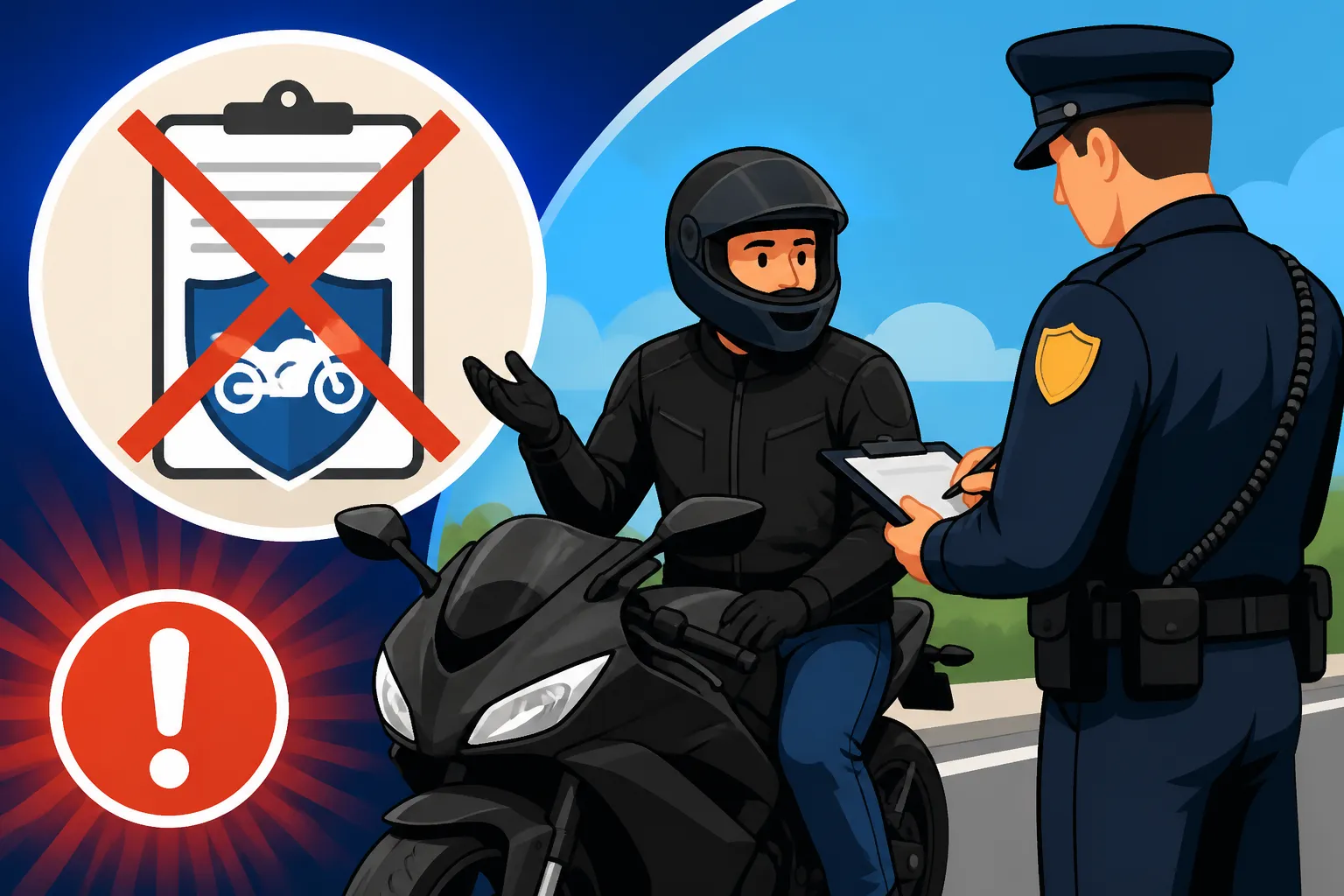
Imagine you're cruising down a scenic backroad, the sun setting and the wind hitting your face, when suddenly those blue and red lights flicker in your rearview mirror. The immediate panic isn't just about a potential speeding ticket; it's the cold realization that your insurance policy lapsed three weeks ago. This guide explores whether police can pull you over specifically for lacking coverage and the cascading legal headaches that follow.
Can a Police Officer Pull You Over Just for Not Having Insurance
The short answer is: it depends on where you are and what technology the officer is using. In the past, an officer generally needed a primary reason to pull you over—like a burnt-out tail light, weaving within your lane, or exceeding the speed limit. Once the stop was initiated, they would then ask for your "license, registration, and proof of insurance." If you couldn't provide that pink slip or a digital equivalent, the secondary violation of riding uninsured would be added to the ticket.
However, the "primary reason" rule is rapidly evolving due to technology. Many patrol cars today are equipped with Automated License Plate Readers (ALPR). These high-speed cameras scan every plate that passes by or sits in front of the cruiser. These systems are often linked directly to state DMV and insurance databases. If the database shows that the registration associated with your plate is flagged for an insurance lapse, the officer now has a perfectly legal reason to pull you over. In states like Texas or California, where databases are updated in near real-time, the lack of insurance itself effectively becomes the primary reason for the stop.
Think about a rider in a busy metro area like Dallas. You might be riding perfectly—hitting every apex, staying exactly five miles per hour above the limit, and using your turn signals religiously. But if an ALPR-equipped cruiser passes you and sees a "no insurance" flag on their dashboard, they have the authority to initiate a stop immediately. This is why understanding Minimum Liability Insurance Explained (The Three Numbers) is so vital; even a minor oversight in your coverage limits can lead to a state database flagging your account.
How Law Enforcement Verifies Your Coverage on the Scene
When you are pulled over, the officer will almost certainly ask for proof of financial responsibility. For many veterans of the road, this means digging through a jacket pocket for a crumpled piece of paper. For others, it’s pulling up a PDF on a smartphone. While most states now accept digital proof, the officer still has to verify that the policy is active.
In some jurisdictions, the officer won't just take your word or your paper's word for it. They will run your VIN or plate through a state-wide verification system. If there is a discrepancy between the paper you handed them and what the screen in their cruiser says, you are in for a long afternoon. This is often where riders get caught in the "grace period" trap. Many believe there is a 30-day window where they are "safe" after a policy expires. In reality, while some companies offer a short window to pay a late bill, the state often considers you uninsured the moment the clock strikes midnight on your expiration date.
If you find yourself in a situation where your current provider has hiked rates or dropped you, using a comparison tool like The Zebra can help you secure a new policy instantly, often providing a digital card you can show right away. It is much easier to spend ten minutes on a site like The Zebra than it is to spend four hours waiting for a tow truck at the side of the highway.
The Immediate Consequences of Riding Uninsured
If you are caught without coverage, the officer has several tools at their disposal, and none of them are pleasant. Depending on the state's specific laws, they may have a mandatory impoundment rule. This means you aren't riding your bike home. You'll watch your pride and joy get hoisted onto a flatbed while you're left standing on the shoulder or calling a rideshare.
Beyond the tow, there are the fines. What Happens If You Ride Without Insurance? can vary wildly from one state to the next. In some places, a first offense might be a $500 fine. In others, it could be $1,500 plus court costs. When you factor in the towing fee (usually $150–$300) and the daily storage fee at the impound lot ($50–$100 per day), a single afternoon of riding "dirty" can easily cost you more than an entire year of premium insurance coverage.
Then there is the issue of your license. In many states, the DMV is automatically notified of an uninsured motorist conviction. This can lead to an immediate suspension of your motorcycle endorsement. To get it back, you won't just need to pay a reinstatement fee; you'll likely be required to have your insurance company file an SR-22 form. This is a certificate of financial responsibility that proves you carry the state-mandated minimums, and it marks you as a high-risk rider for three to five years. You can learn more about this in our guide on SR-22 for Motorcycles: When It's Required.
State Specific Realities and the Florida Exception
It is a common myth in the riding community that some states are "free" zones where insurance doesn't matter. While it is true that a very small number of states have different rules, the "No Insurance" flag will still get you in trouble in 49 out of 50 states if you are deemed at fault in an accident or if you are riding a financed bike.
Florida is perhaps the most misunderstood state in this regard. While there is a common sentiment that Is Motorcycle Insurance Required in Florida? is a "no," the reality is much more complex. If you are involved in an accident in Florida and don't have insurance, you can lose your license and tags for up to three years, and you may be required to purchase a high-cost policy for the future. Even in "Live Free or Die" New Hampshire, you must prove you have the financial assets to pay for a crash if you don't carry a policy.
| State | Typical First-Offense Fine | Mandatory Impound? | License Suspension? |
|---|---|---|---|
| California | $100 – $200 (plus fees) | Officer Discretion | Possible |
| Texas | $175 – $350 | No (Usually) | After 2nd Offense |
| New York | $150 – $1,500 | Yes | Immediate |
| Illinois | $500 – $1,000 | Yes | 3 Months |
For those riding in the Lone Star State, the Penalty for No Motorcycle Insurance in Texas can escalate quickly if you are caught a second time, leading to the permanent impoundment of the vehicle in some municipal jurisdictions.
The "I Just Bought It" Defense
A frequent scenario involves a rider who just picked up a new bike from a private seller and is riding it home. You have the title in your pocket, but no insurance yet. Does the officer care? Generally, no. While some states offer a very narrow Motorcycle Insurance Grace Period When Buying, this usually only applies if you already have an active policy on another motorcycle. If this is your only bike, or your first bike, you are technically riding illegally the moment you pull out of the seller's driveway.
The best way to handle a new purchase is to have the VIN ready and use a service like The Zebra to bind a policy before you even shake hands on the deal. Most major insurers allow you to start a policy with a future effective date or an immediate one. Riding home without insurance is a massive gamble; if a distracted driver clips you three blocks from the seller's house, you are not only looking at a totaled bike but a legal nightmare because you lacked the proper Proof of Insurance & Registration for Motorcycles.
What to Do if You Get Pulled Over Without Insurance
If the lights are behind you and you know you’re uncovered, the best policy is honesty and cooperation. Do not try to fake a digital card or show an old, expired document hoping the officer won't check the date. They check the date. They also check the policy number. Falsifying insurance documents is a felony in many states, which is significantly worse than a traffic citation.
- Be Respectful: Pull over safely, turn off the engine, and keep your hands visible. Officers are naturally more lenient with riders who aren't acting combative.
- Admit the Oversight: If you know it’s lapsed, say so. "Officer, I realized this morning my autopay failed and I haven't fixed it yet." This might not save you from the ticket, but it might save you from the tow truck if the officer decides to let you park the bike safely and call for a trailer yourself.
- Check for Digital Alternatives: If you think you might have coverage through a bundled auto policy, look for it. Sometimes Motorcycle Insurance vs Car Insurance Requirements allow for a temporary bridge, though this is rare.
- Fix it Immediately: Use your phone to get covered. If you can show the officer a brand-new, active binder on your phone while they are still writing the ticket, they may be willing to reduce the charge to a "failure to provide proof" rather than "operating an uninsured vehicle."
Finding a quick policy through The Zebra while on the side of the road might feel frantic, but it provides a legal safety net that could prevent your license from being suspended for months.
The Long-Term Impact on Your Wallet
Getting caught once doesn't just result in a one-time fine. It fundamentally changes how insurance companies view you. Once that "Uninsured Motorist" conviction hits your driving record, you are categorized as high-risk. When you finally go to buy legitimate coverage, you might find that your quotes are double or triple what they would have been otherwise.
This is where the Financial Responsibility Laws for Riders really bite. In addition to the higher premiums, you might be forced into "Liability Only" plans because many companies won't offer comprehensive or collision coverage to someone with a history of insurance lapses. This leaves you vulnerable to theft or weather damage.
To avoid this, it's better to maintain a basic policy even during the winter months. Many riders wonder, "Do You Need Insurance to Store a Motorcycle?" and the answer is often yes, especially if you want to avoid a "gap in coverage" penalty when you try to renew in the spring. A gap of even a few days can trigger a rate increase that costs more than the storage insurance would have.
Final Thoughts on Roadside Insurance Verification
In the modern age, you cannot outrun the database. Between ALPR technology and integrated DMV records, the chances of being pulled over specifically for a lack of insurance are higher than ever. It isn't just about the "bad luck" of a traffic stop; it's about the very real possibility of losing your bike to an impound lot and your license to a state suspension.
Whether you are a seasoned rider on a touring bike or a newcomer on a 250cc starter, the law remains the same. If you’re unsure of your current status, take five minutes today to verify your paperwork. If you find your rates have skyrocketed, use a comparison engine like The Zebra to see if there's a better fit for your budget. It is a small price to pay for the peace of mind that comes with knowing the only thing you have to worry about when you see a police officer is whether your speedometer was a few digits too high.
Disclaimer
This guide is for informational purposes only and does not constitute legal or professional insurance advice. Insurance laws and law enforcement procedures vary significantly by state and jurisdiction. Always consult with a licensed insurance agent or legal professional regarding your specific situation and local requirements.