Best Motorcycle Insurance for a Adventure
You’ve invested in an adventure motorcycle, a machine built to conquer everything from daily commutes to remote dirt trails and cross-country expeditions. But let’s be real, the thought of what happens if something goes wrong on one of those far-flung adventures can keep you up at night. Standard motorcycle insurance often falls short when it comes to the unique risks and needs of adventure riders. This guide is all about helping you understand what makes adventure bike insurance different and how to secure the best coverage to protect your ride, your gear, and your peace of mind, no matter where the road (or lack thereof) takes you.
Understanding Adventure Motorcycles and Their Unique Insurance Needs
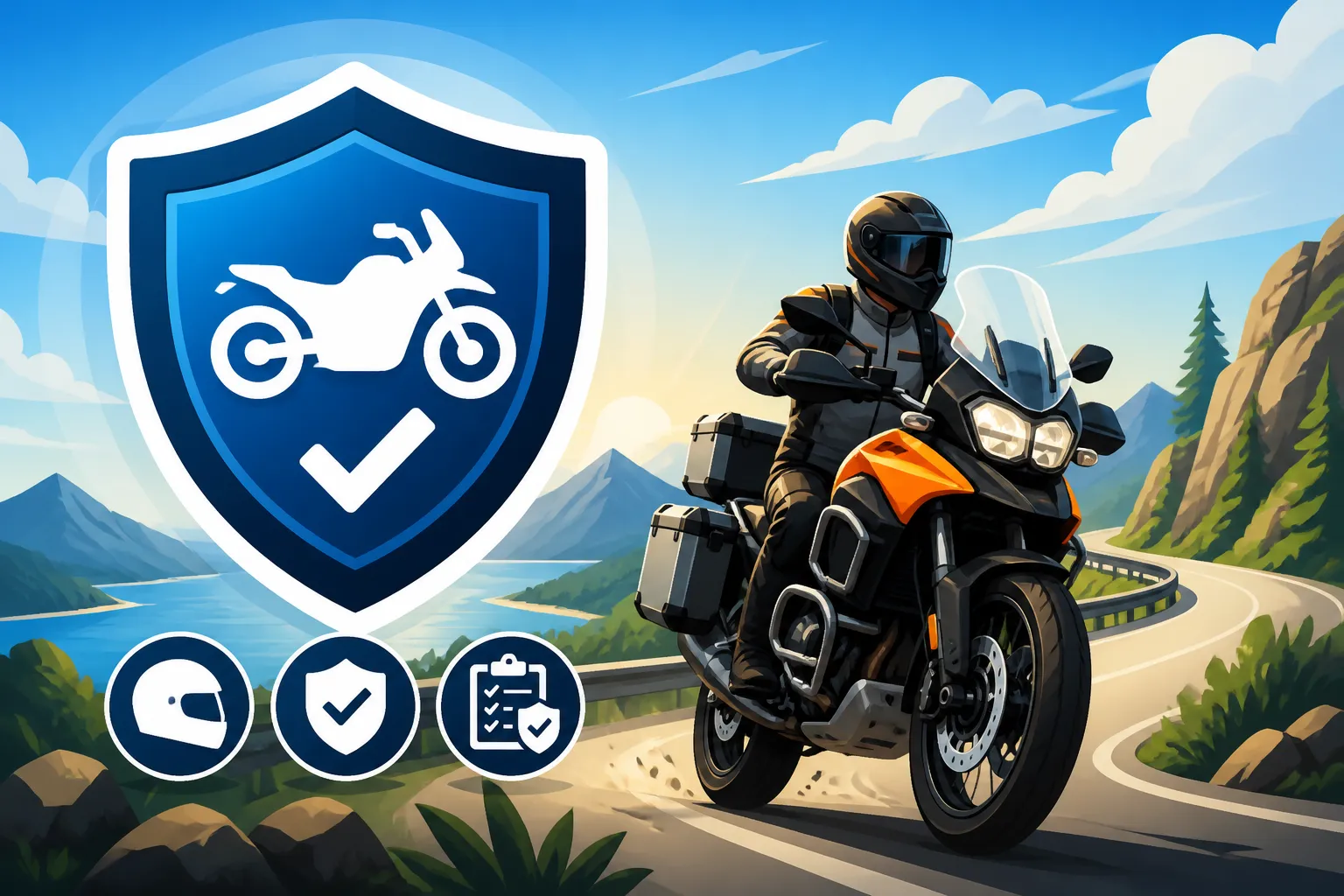
Adventure bikes, often called ADV bikes, are a special breed. They’re designed for versatility, capable of handling paved roads with highway comfort, yet robust enough to tackle rough terrain, gravel roads, and even light off-roading. Think BMW GS, KTM Adventure, Honda Africa Twin, or Triumph Tiger models. These aren't your typical cruisers or sport bikes, and their insurance needs reflect that versatility and the potential for a wider range of incidents.
What Defines an Adventure Motorcycle?
Unlike a dedicated dirt bike that might only see trails, or a street bike that rarely leaves asphalt, adventure motorcycles blur the lines. They typically feature longer suspension travel, higher ground clearance, larger fuel tanks for extended range, comfortable ergonomics for long rides, and often come equipped with luggage systems. Their construction emphasizes durability and adaptability. This means they are often ridden in more varied and sometimes more challenging environments than other types of motorcycles.
For an insurance provider, these characteristics translate into different risk assessments. The very things that make an ADV bike amazing for exploring — like its ability to go off-pavement — also introduce unique perils. An insurance company might look at the higher likelihood of a tip-over on a rocky trail or the increased exposure to wildlife strikes in rural areas. It’s not about being more dangerous, but about being differently exposed to risk compared to, say, a city scooter.
Why Standard Policies Fall Short for Adventure Riding
Many basic motorcycle insurance policies are structured around the risks associated with on-road riding. They might offer adequate liability and collision coverage for a fender-bender on the highway but might not fully account for specialized adventure riding gear, expensive aftermarket modifications, or the need for unique roadside assistance in remote locations.
Imagine you're miles down a logging road, and you hit an unexpected pothole, leading to a bent rim and a cracked fairing. A standard policy might cover the bike damage under collision, but what about your new, expensive ADV helmet and riding suit that also got scuffed? Or perhaps your GPS unit, usually secured but jostled loose, is now lost in the bushes. These specific scenarios, common in adventure riding, demand a closer look at your coverage options beyond the bare minimum required to legally ride. Understanding What Motorcycle Coverage Do You Actually Need? is crucial here.
Essential Motorcycle Insurance Coverages for Adventure Riders
When you're out exploring on your adventure bike, you need more than just the basics. You need a suite of coverages that anticipate the unique challenges and potential incidents that come with venturing off the beaten path. Let's delve into the key coverages every adventure rider should consider.
Comprehensive and Collision Coverage
These are arguably the most fundamental protections for your adventure motorcycle itself.
- Collision Coverage: This pays for damages to your motorcycle resulting from a collision with another vehicle or object, regardless of who is at fault. For an adventure rider, "object" isn't just a guardrail or a car bumper. It could be a fallen tree on a forest service road, a large rock you misjudged, or even the ground when you lay your bike down trying to navigate a tricky mud patch. Given the off-road capabilities of ADV bikes, incidents like these are more common than with street-only bikes. Having robust collision coverage means you won't be solely on the hook for repairs after an unexpected tumble in the wilderness.
- Comprehensive Coverage: This is your protection against non-collision events. Think of it as your "Acts of God and Misfortune" coverage. For adventure bikes, this is incredibly valuable. It covers theft (a significant risk, especially for popular ADV models), vandalism, fire, natural disasters like floods or hail, and most importantly for riders, hitting an animal on a remote road. Imagine a deer jumping out on a backcountry highway – comprehensive coverage steps in to cover the damage to your bike. It also covers incidents like your bike getting knocked over while parked, which, let's be honest, can happen anywhere. Without these, you’re looking at potentially massive out-of-pocket expenses. To understand more about these crucial coverages, you can explore the differences in Collision vs Comprehensive Motorcycle Coverage.
Uninsured/Underinsured Motorist and Medical Payments
These coverages protect you and your passengers when other drivers aren't adequately insured, which is a distressingly common occurrence.
- Uninsured Motorist (UM): This coverage steps in when you're involved in an accident with a driver who has no insurance at all. If that uninsured driver causes damage to your bike and injuries to you, UM coverage can help pay for your medical bills and property damage. On those long stretches of highway between adventure points, the risk of encountering an uninsured driver is ever-present.
- Underinsured Motorist (UIM): Similar to UM, UIM comes into play when the at-fault driver has insurance, but their policy limits aren't high enough to cover all your damages and medical expenses. Given the potentially serious nature of motorcycle accidents, especially at highway speeds, it's not uncommon for medical bills alone to quickly exceed another driver's minimum liability coverage. Both UM and UIM are vital for protecting your financial future after an accident that isn't your fault.
- Medical Payments (MedPay): This coverage helps pay for medical expenses for you and any passengers, regardless of who caused the accident. This is especially important for adventure riders who might find themselves far from immediate medical care after an incident. It can cover ambulance rides, emergency room visits, and other immediate medical costs. Even if you have excellent health insurance, MedPay can act as a crucial gap filler, covering deductibles or co-pays, or simply getting you faster access to care without waiting for fault to be determined.
Accessories and Custom Parts Coverage
Adventure riders love to customize their bikes. From robust skid plates and engine guards to upgraded suspension, auxiliary lights, GPS systems, premium luggage, and even specialized riding apparel, the cost of these additions can quickly add up.
Standard motorcycle policies often have very limited or no coverage for aftermarket parts and accessories. You might get a basic allowance, say $1,000, but an extensive setup on an ADV bike can easily run into thousands of dollars beyond that. This is where dedicated Accessories & Custom Parts Coverage Explained becomes indispensable. This coverage allows you to insure your specific modifications and gear for their actual value, often requiring you to itemize them and provide receipts. Make sure to discuss this with your insurance provider, like The Zebra, to ensure all your hard-earned upgrades are properly protected. Without it, you could lose thousands of dollars in added value if your bike is stolen or totaled.
Roadside Assistance and Trip Interruption
These are the unsung heroes for any long-distance or remote rider, especially on an adventure bike.
- Roadside Assistance and Towing: Imagine you're deep in the wilderness, miles from the nearest town, and you get a flat tire or your bike breaks down. Standard towing services might balk at accessing remote locations or charge exorbitant fees. Motorcycle-specific roadside assistance often includes specialized towing that can handle motorcycles and reach you even off paved roads. Many policies include this as an add-on, and it’s a must-have for adventure riders. It can cover towing to the nearest repair shop, fuel delivery, or even a jump start. It’s a small premium for enormous peace of mind. Check if your insurer, like The Zebra, offers this crucial add-on.
- Trip Interruption Coverage: If you're on a multi-day tour and your bike breaks down or is involved in an accident far from home, trip interruption coverage can be a lifesaver. This coverage helps reimburse you for unexpected expenses like lodging, alternative transportation (rental car or flight home), and meals while your bike is being repaired or if you have to return home early. For adventure riders who plan epic cross-country or cross-state journeys, this coverage ensures that a mechanical failure doesn't completely derail your financial planning for the trip. It acknowledges the unique travel aspects of adventure riding and provides a safety net when things go awry far from your comfort zone.
Factors That Influence Adventure Motorcycle Insurance Costs
When you’re looking to insure your adventure bike, it’s not just about the bike itself. Many variables contribute to your premium, and understanding them can help you find ways to save money without sacrificing essential coverage.
Your Riding Profile and Experience
Just like with any vehicle, who you are as a rider plays a huge role in what you pay.
- Age and Experience: Generally, younger riders (under 25) with less riding experience face higher premiums. This is because statistics show they are more likely to be involved in accidents. As you gain more years of riding experience and maintain a clean record, your rates tend to decrease. This also applies to a Motorcycle Endorsement vs Motorcycle License; showing you’re properly licensed and endorsed helps. Many insurers look at continuous riding experience, so even if you've been riding for decades, a long gap in motorcycle ownership might temporarily push your rates up a bit.
- Riding Record: A clean driving record is your best friend when it comes to insurance costs. Accidents, speeding tickets, or any other moving violations will almost certainly increase your premiums. A DUI or a reckless driving charge can dramatically hike your rates and might even require an SR-22 filing, making insurance significantly more expensive. Insurers see these as indicators of higher risk.
- Motorcycle Safety Courses: Many insurance companies offer discounts if you complete an approved motorcycle safety course, like those offered by the Motorcycle Safety Foundation (MSF). Not only do these courses make you a safer, more skilled rider, but they also demonstrate to insurers that you are committed to safety. It's a win-win situation: you improve your skills for challenging adventure riding conditions and potentially save money on your policy. This is one of the most straightforward ways to lower your How Much Is Motorcycle Insurance for a Beginner?.
The Motorcycle Itself
The specific model of your adventure bike and how it's equipped impacts your insurance cost.
- Make, Model, and Engine Size: While adventure bikes aren't typically classified as "sport bikes" (which often have higher insurance rates due to their performance capabilities), some high-performance ADV models with larger engines (e.g., KTM 1290 Super Adventure, BMW R 1250 GS Adventure) might command higher premiums than smaller, less powerful bikes (e.g., Kawasaki KLR 650, Honda CRF300L). Insurers consider the bike's value, repair costs, and performance potential when setting rates. Generally, the more expensive or powerful the bike, the more it costs to insure.
- Anti-Theft Devices: Installing an approved anti-theft device (like an alarm, GPS tracker, or disc lock) can often earn you a discount on your comprehensive coverage. Adventure bikes are popular and can be targets for theft, so showing you've taken steps to protect your investment can pay off.
- Modifications and Aftermarket Parts: As mentioned, extensive modifications, especially performance-enhancing ones or highly valuable accessories like premium suspension, custom exhaust systems, or advanced navigation setups, will increase the value of your bike and, consequently, the cost of insuring it. While crucial to cover these, ensure you discuss their value transparently with your insurer to get appropriate Accessories & Custom Parts Coverage Explained without over-insuring.
Geographic Location and Storage
Where you live and how you store your bike also matter.
- Location: Insurance rates vary significantly by state, and even by zip code within a state. Urban areas with higher traffic density, greater rates of theft, and more reported accidents tend to have higher premiums than rural areas. If you live in a region known for more extreme weather (hail, floods), that can also influence comprehensive rates. For example, How Much Is Motorcycle Insurance in California? might differ significantly from a less populous state.
- Storage: Where you park your adventure bike when it's not in use is a factor. A bike stored in a locked garage is generally considered less risky than one routinely parked on the street or in an open driveway. Many insurers offer discounts for secure overnight storage. This is particularly relevant if you're concerned about theft or vandalism. Some riders even opt for Do You Need Insurance to Store a Motorcycle? during the off-season, which can affect costs.
Finding the Right Adventure Motorcycle Insurance Policy
Navigating the world of motorcycle insurance can feel daunting, but with an adventure bike, it’s even more important to be strategic. You need a policy that truly understands your lifestyle and offers robust protection for those epic journeys.
Researching and Comparing Insurance Providers
Don't settle for the first quote you get. The landscape of motorcycle insurance is competitive, and different providers excel in different areas or offer specialized coverages.
- Look for Specialty Insurers: While major carriers like Progressive, Geico, and State Farm offer motorcycle insurance, some companies specialize in or have extensive experience with motorcycle coverage, such as Dairyland or Markel. These companies might have a deeper understanding of the unique risks associated with adventure riding and offer more tailored packages, including better options for custom parts or trip interruption. They might also have more experience handling claims related to off-road incidents. Checking out Best Motorcycle Insurance Companies (2027) can give you a great starting point.
- Compare Multiple Quotes: This is perhaps the most critical step. The only way to truly know if you're getting a good deal and comprehensive coverage is to compare quotes from several different companies. Don’t just look at the price; scrutinize the coverage limits, deductibles, and any exclusions that might be particularly relevant to adventure riding. Websites like The Zebra can be incredibly helpful here, allowing you to input your information once and receive multiple quotes from various carriers, streamlining the comparison process. It helps you see side-by-side what different insurers are offering, making it easier to spot gaps or better deals.
- Read Reviews and Ask for Recommendations: Check online reviews for customer service and claims handling experiences. A cheap policy isn't a good deal if the company is impossible to deal with after an accident. Talk to other adventure riders in forums or local groups; they often have firsthand experience with different insurers and can offer valuable insights into who truly "gets" the adventure riding community.
Key Questions to Ask Your Insurance Agent
When you're talking to an agent or getting quotes, don't be afraid to ask specific questions tailored to your adventure riding habits.
- "What specifically is covered if I drop my bike on a gravel road, or hit a ditch off-pavement?": This question helps clarify the scope of your collision coverage beyond typical road accidents. You want to ensure those "adventure incidents" are clearly covered.
- "How much coverage do I have for my aftermarket parts and accessories, like my skid plate, panniers, and GPS?": This is where you dig into Accessories & Custom Parts Coverage Explained. Be ready to provide a list of your modifications and their estimated values. You might need to explicitly request higher limits for these items.
- "Do you offer robust roadside assistance that can handle off-road recovery if I'm truly stuck?": Standard roadside assistance might only cover paved roads. For an ADV rider, knowing you can get help in a more remote location is priceless. Confirm the towing limits and geographical reach.
- "What are my options for trip interruption or rental reimbursement if my bike breaks down far from home?": For those cross-state or cross-country adventures, this can be a game-changer. Understand the daily limits and total coverage amounts.
- "Are there any discounts available for riders with an advanced motorcycle safety course?": Always ask about discounts! Besides safety course discounts, inquire about multi-bike discounts (if you have other motorcycles), multi-policy discounts (if you bundle your motorcycle insurance with car or home insurance), and mature rider discounts.
- "Does my policy cover me when I'm riding across state lines?": Most policies do, but it's always good to confirm, especially if you plan extended tours, as detailed in Riding Across State Lines: Insurance & Helmet Rules.
By asking these pointed questions and leveraging comparison tools like The Zebra, you can ensure your adventure motorcycle insurance policy is as rugged and reliable as your bike itself, truly providing the protection you need for every journey.
Table: Key Coverages for Adventure Motorcycles
| Coverage Type | What It Covers | Why It's Crucial for Adventure Riders |
|---|---|---|
| Collision | Damage to your bike from hitting another vehicle or object (e.g., car, tree, ground after a fall). | Essential for off-pavement tumbles, hitting unexpected obstacles on trails, or any accident, regardless of fault. |
| Comprehensive | Damage from non-collision events (e.g., theft, vandalism, fire, natural disaster, hitting an animal). | Protects against theft (common for popular ADV models), animal strikes in rural areas, and weather damage far from home. |
| Uninsured/Underinsured Motorist | Medical bills and bike damage if hit by a driver with no or insufficient insurance. | Vital for protecting yourself against negligent drivers on highways between adventure spots, where uninsured rates can be high. |
| Medical Payments (MedPay) | Medical expenses for you and passengers, regardless of fault. | Provides immediate medical funds, covers deductibles, and ensures care, especially important when an incident occurs far from home. |
| Accessories & Custom Parts | Damage or theft of aftermarket parts, gear, and modifications (e.g., panniers, GPS, engine guards). | ADV bikes are heavily customized; this ensures expensive additions are covered beyond basic policy limits. Itemize your gear! |
| Roadside Assistance | Towing, fuel delivery, tire changes, jump-starts. | Critical for breakdowns in remote, off-pavement locations where standard services may not reach. |
| Trip Interruption | Reimburses for lodging, food, and alternative transport if your bike breaks down far from home on a trip. | A must-have for multi-day tours, providing a financial safety net if mechanical issues derail your planned journey. |
Disclaimer
This article is for general informational purposes only and does not constitute professional advice. Laws, prices and regulations vary by location and change over time. Consult a qualified professional for guidance on your specific situation.