Motorcycle Insurance Requirements for Passengers
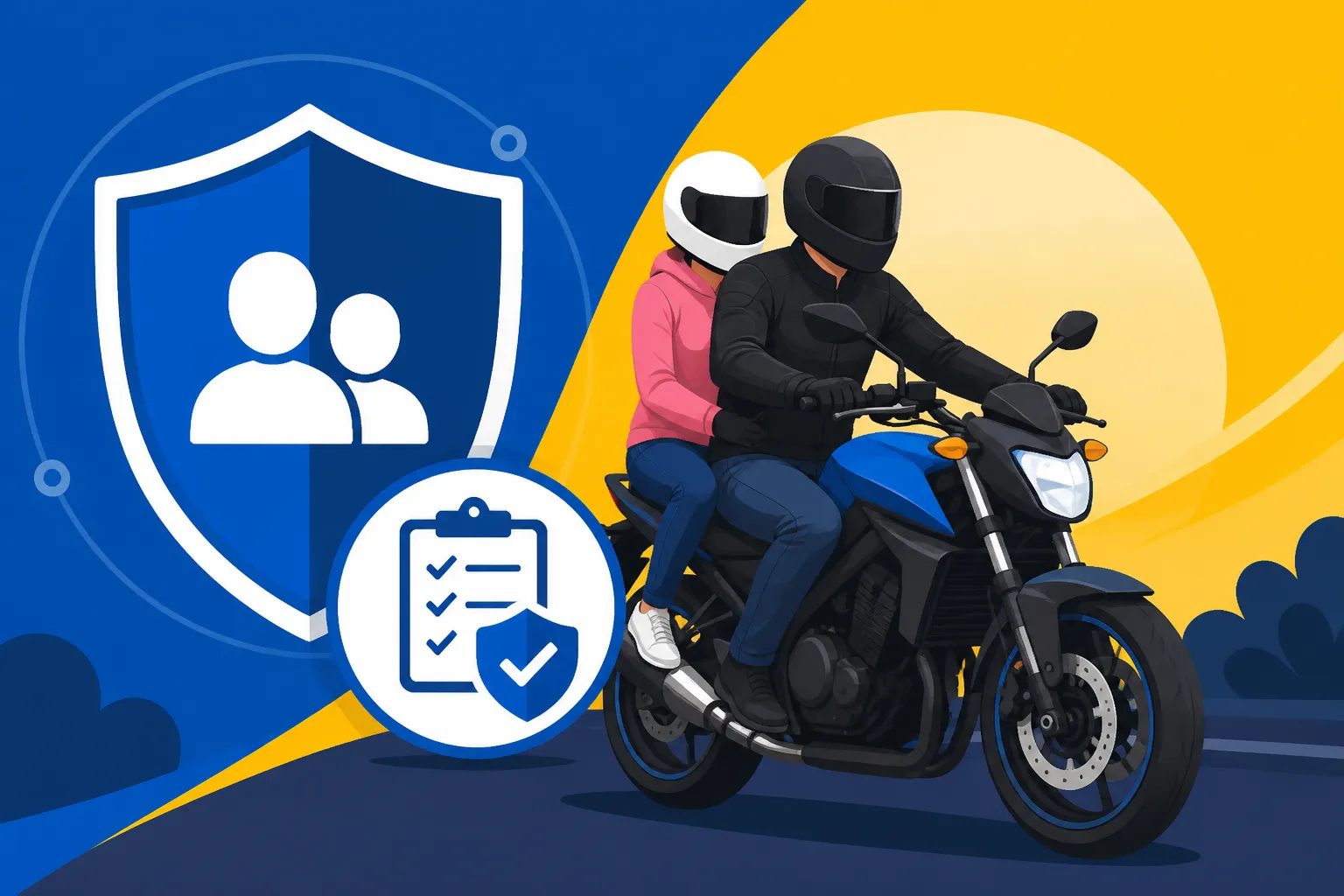
Riding with a passenger on your motorcycle can be an incredible experience, sharing the open road and making memories. But let's be real, the thought of what happens if something goes wrong, especially when you have someone else's well-being in your hands, can be incredibly daunting. It's a huge responsibility, and figuring out if your motorcycle insurance actually covers your passenger's injuries in an accident is a common worry that keeps many riders up at night. This guide is here to untangle all of that for you, explaining exactly what coverages come into play and what you need to know to protect your pillion rider.
The Core Question: Does My Motorcycle Insurance Cover Passengers?
This is often where the confusion begins, and it's totally understandable why. You assume your insurance is there to protect everyone involved when you're riding, especially a passenger. The reality is, it's a bit more nuanced than a simple "yes" or "no," and it heavily depends on the specific types of coverage you carry and the circumstances of an accident. It's not a one-size-fits-all situation, and understanding the details can save you a world of heartache and financial stress down the road.
Understanding Liability Coverage for Passengers
When we talk about motorcycle insurance, the first thing most people think of is liability coverage. This is the bedrock of any policy, and it's what protects you financially if you're at fault for an accident and cause injury or damage to other people or their property. Now, here's where it gets interesting: if you cause an accident and your passenger is injured, your bodily injury liability coverage can potentially extend to cover their medical expenses. Essentially, from an insurance perspective, your passenger is considered another party you might be liable to.
For example, imagine you're riding with a friend on the back through the scenic routes of the California coast. You misjudge a curve, cross the center line, and collide with an oncoming car. Because you were at fault for the accident, your bodily injury liability coverage would kick in to pay for the other driver's injuries and your passenger's medical bills, up to your policy limits. It sounds straightforward, but there’s a critical caveat: this coverage only applies if you are deemed at fault. If the accident wasn't your fault, or if it was a single-vehicle incident where no other party was involved, your liability coverage wouldn't do much for your passenger. That's a crucial distinction many riders miss until it's too late.
When Standard Liability Falls Short for Your Passenger
So, what happens if your liability coverage doesn't apply? This is where the gaps in basic insurance can become painfully clear. Think about a scenario where you're riding alone, hit a patch of gravel, and lay the bike down. Your passenger is thrown off and sustains injuries. In this case, there's no other vehicle involved, and no other driver is at fault. Your standard bodily injury liability coverage, designed to protect others from your negligence, won't cover your passenger's injuries because there's no other party to whom you are legally liable in the context of a "fault" scenario. This is a common and often devastating situation for riders who thought they had "enough" insurance.
Another complex situation arises in "no-fault" states, like Michigan. In these states, your own medical expenses and those of your passengers are typically covered by your Personal Injury Protection (PIP) coverage, regardless of who caused the accident. However, motorcycles often have different rules or exemptions in no-fault systems. For instance, in Michigan, motorcyclists are often not covered under the standard auto no-fault system and may need specific medical coverage options on their motorcycle policy or rely on their own health insurance. This divergence from standard auto insurance requirements can lead to significant confusion and potential underinsurance for riders and their passengers. Understanding these state-specific intricacies is vital, as the Motorcycle Insurance Requirements by State (2026 Guide) can vary wildly.
Essential Coverage Options for Passenger Protection
Given that your standard liability might not always cover your passenger, what other options do you have? This is where specific add-on coverages become incredibly valuable, offering a safety net that goes beyond the basic requirements. These coverages are designed to address the very gaps that can leave a passenger vulnerable after an accident, regardless of who was at fault.
Medical Payments (MedPay) for Riders and Passengers
Medical Payments coverage, often called MedPay, is one of the most important coverages for protecting your passenger. Unlike liability, which only kicks in if you're at fault, MedPay covers reasonable and necessary medical expenses for you and your passenger, regardless of who caused the accident. This means if you hit that patch of gravel and lay the bike down, or if an uninsured driver clips you, MedPay can help pay for your passenger's immediate medical needs, ambulance rides, hospital stays, and more. It acts as a primary or secondary layer of protection, often covering deductibles and co-pays that your health insurance might require.
Think of it as a crucial first line of defense. If your friend on the back of your Harley-Davidson slips a disc when you hit a pothole you didn't see, your MedPay coverage would kick in to help cover their chiropractic care, physical therapy, and even emergency room visits. The beauty of MedPay is its no-fault nature – it's there for immediate medical care, easing the financial burden during a stressful time. The amounts available typically range from a few thousand dollars up to $25,000 or more, so it’s worth discussing with your insurer about what limits make sense for your situation. You can learn more about this vital coverage in a dedicated resource like What Is Medical Payments (MedPay) for Riders?.
Uninsured/Underinsured Motorist (UM/UIM) Bodily Injury for Passengers
This coverage is another non-negotiable for passenger protection, especially given the number of drivers on the road who are either uninsured or carry only the bare minimum liability. Uninsured/Underinsured Motorist (UM/UIM) Bodily Injury coverage protects you and your passenger if you're involved in an accident with another driver who is at fault but doesn't have any insurance (Uninsured) or doesn't have enough insurance to cover the damages (Underinsured).
Consider this common scenario: you and your passenger are cruising down a highway in Florida, and another driver, distracted by their phone, swerves into your lane, causing you to lose control. The other driver is clearly at fault, but it turns out they only carry Florida's notoriously low minimum liability coverage, which barely covers their own fender bender, let alone your passenger's fractured leg and mounting medical bills. In this instance, your UM/UIM Bodily Injury coverage would step in to cover your passenger's medical expenses, lost wages, and pain and suffering, up to your policy limits. It’s a sad reality that not everyone on the road plays by the rules, making UM/UIM coverage a critical safety net. Many states highly recommend or even require this coverage, so it’s important to understand Uninsured & Underinsured Motorist Coverage (UM/UIM).
Personal Injury Protection (PIP) in No-Fault States
In certain "no-fault" states, Personal Injury Protection (PIP) is a key component of auto insurance policies, and sometimes motorcycle policies, though often with specific carve-outs. PIP is similar to MedPay in that it covers medical expenses and sometimes lost wages, regardless of fault. However, the exact application for motorcycles varies significantly by state. In states like New York, PIP typically covers occupants of a vehicle, but motorcycles are often excluded from standard PIP requirements. This means motorcyclists and their passengers in these states might need to rely more heavily on MedPay or their personal health insurance.
However, in states where PIP does extend to motorcycles, it can be a comprehensive benefit for your passenger. If you're riding through Pennsylvania, a modified no-fault state, and get into an accident, your PIP could cover your passenger's medical treatment regardless of who caused the collision. It's designed to streamline the claims process for medical expenses and get people the care they need without waiting for fault to be determined. Always check the specific laws in your state, as the nuances between auto and motorcycle PIP can be considerable.
State-Specific Nuances: It's Not Always the Same Everywhere
Just like helmet laws, motorcycle insurance regulations are not uniform across the United States. What's required or recommended for passenger coverage in one state might be completely different in another. This patchwork of rules means you can't assume your policy from Texas will offer the same passenger protections if you move to Washington. It's a frustrating reality for riders who just want to understand their coverage, but it's vital to acknowledge these differences.
States with Specific Passenger Requirements or Recommendations
While very few states have explicit, mandatory insurance requirements specifically for passengers, many have regulations concerning the safe transport of passengers. For instance, most states require a motorcycle to be equipped with a designated passenger seat and footrests if carrying a pillion rider. These aren't insurance requirements directly, but they tie into the overall legality and safety, which an insurance company might look at if a claim arises. For example, if you're in Oregon and carrying a passenger on a sport bike that wasn't designed with adequate passenger provisions, an insurer could argue negligence if an accident occurred.
Some states also have recommendations or stricter rules about passenger age or ability to reach footrests. While not directly linked to insurance, failing to adhere to these safety guidelines could potentially impact a claim down the line if an insurer finds you weren't operating your motorcycle in a safe and legal manner. It's always a good idea to consult your state's DMV handbook in addition to your insurance agent to ensure you're compliant on all fronts. For a broader view, check out Motorcycle Helmet Laws by State, as helmet use is often a critical safety factor for both rider and passenger.
The Impact of No-Fault vs. At-Fault Systems on Passenger Claims
The fundamental difference between "at-fault" and "no-fault" insurance systems profoundly impacts how a passenger's injuries are handled after a motorcycle accident.
In at-fault states, which represent the majority of the country (think Georgia, Arizona, or Virginia), the party responsible for the accident is financially liable for the damages and injuries caused. If you, the rider, are found to be at fault, your bodily injury liability coverage would generally be the primary source of compensation for your passenger's medical bills and other damages. If another driver is at fault, their bodily injury liability would cover your passenger. The challenge here is the time and legal process involved in determining fault and then pursuing a claim against the at-fault party's insurer. For a passenger, this can mean delays in receiving compensation for critical medical needs.
In no-fault states (like Florida or Michigan, although with significant nuances for motorcycles), the idea is that each party's own insurance policy pays for their medical expenses and lost wages, regardless of who caused the accident. This system is designed to reduce litigation and speed up compensation for injuries. However, as mentioned earlier, motorcycles are often treated differently. In Florida, for example, while car drivers are required to carry PIP, motorcyclists are not, meaning a passenger on a motorcycle in Florida would typically not be covered by PIP unless they have their own, specific policy, or the rider has purchased MedPay. This often means relying on your MedPay or personal health insurance if you or your passenger are injured in a no-fault state. Always clarify your specific situation with a local insurance professional, as knowing What Are the Motorcycle Insurance Laws in Florida? is key.
Factors That Influence Passenger Insurance Needs and Costs
Beyond the legal frameworks, several practical aspects of riding with a passenger can influence your insurance needs and even the cost of your premium. Insurers look at risk, and carrying a passenger can subtly shift that risk profile. It's not just about the "what ifs" of an accident but also how you ride and what you ride.
Rider Experience and Passenger Comfort
Believe it or not, your experience level as a rider and how frequently you carry passengers can play a role. New riders, especially those still getting comfortable with the dynamics of a motorcycle, are generally seen as a higher risk. Adding a passenger, who significantly changes the bike's balance, braking, and acceleration, further compounds that risk. An insurance company might view a seasoned rider with years of experience carrying passengers differently than a novice. While this usually doesn't lead to specific "passenger surcharges," it's often baked into the overall risk assessment that determines your premium.
More importantly, it directly influences the need for robust passenger coverage. An experienced rider who knows how to communicate with their passenger and adjust their riding style might still encounter unexpected hazards. A new rider is even more susceptible to such situations. The psychological comfort of knowing your passenger is covered, regardless of fault, can make a huge difference in your peace of mind on the road. This is why exploring Types of Motorcycle Insurance Coverage Explained and opting for strong MedPay or PIP is so crucial.
Motorcycle Type and Passenger Capacity
The kind of motorcycle you ride also has a bearing. A large touring bike like a Honda Gold Wing or a Harley-Davidson Electra Glide is designed specifically to carry two people in comfort and stability. These bikes typically have ample seating, robust suspensions, and powerful engines to handle the extra weight without significantly compromising handling. Insurers recognize this design intent. On the other hand, a high-performance sport bike with a tiny, often uncomfortable pillion pad is inherently less suited for regular passenger carrying, and the dynamic changes with a second person can be much more pronounced.
While the bike type itself won't typically dictate whether you can get passenger injury coverage, it can certainly influence the risk an insurer associates with your policy. Furthermore, some policies might have exclusions if you're carrying a passenger on a motorcycle not designed for two riders, or if you exceed the manufacturer's weight limits. Always verify your motorcycle's specifications and your policy's terms regarding passenger transport. This can be particularly relevant for riders who like to customize their bikes; ensuring Accessories & Custom Parts Coverage Explained is one thing, but making sure your custom seat is still safe for a passenger is another.
Practical Tips for Riding with a Passenger Safely and Legally
Ensuring your passenger is covered by insurance is just one piece of the puzzle. Their safety, comfort, and the legality of your ride are equally, if not more, important. A smart rider knows that prevention is the best protection, and that means being prepared for every ride, especially when you're not riding solo.
Pre-Ride Checks and Communication
Before you even turn the key, a thorough pre-ride check is essential when carrying a passenger. This means checking your tire pressure (often needs to be increased for two-up riding), adjusting your suspension for the added weight, and ensuring all lights and brakes are in perfect working order. But beyond the mechanics, communication with your passenger is paramount. Talk to them about how to mount and dismount the bike safely, how to lean with you in turns, and the importance of keeping their feet on the pegs at all times. Establish hand signals or verbal cues for things like "slow down" or "stop."
Educate them on the importance of proper gear, including a DOT-approved helmet, a sturdy jacket, gloves, and boots. An accident can happen anywhere, and while Does Motorcycle Insurance Cover Riding Gear? might be a question for your insurer, protecting your passenger physically is always the first priority. Good communication can prevent accidents caused by unexpected shifts in weight or misinterpretations, making the ride safer and more enjoyable for both of you.
Reviewing Your Policy Annually
Insurance isn't a "set it and forget it" kind of deal, especially if your riding habits or life circumstances change. If you've recently started regularly carrying a passenger, it's absolutely critical to review your motorcycle insurance policy annually, or even semi-annually. Sit down with your insurance agent and explicitly discuss your concerns about passenger coverage. Ask direct questions: "If I'm at fault, how much will my liability cover for my passenger's injuries?" and "If I crash by myself, what coverage will pay for my passenger's medical bills?"
This review is also a good opportunity to evaluate your overall coverage limits. Minimum liability requirements in states like Arizona or Ohio are often woefully inadequate for serious injuries. Consider increasing your bodily injury liability, adding or increasing MedPay, and ensuring robust UM/UIM coverage. Don't just assume your "full coverage" policy (which itself is a bundle of different coverages) adequately protects a passenger. The peace of mind that comes from knowing you've proactively addressed this vital aspect of your policy is priceless. If you're looking for ways to keep costs reasonable, discussing How to Lower Your Motorcycle Insurance Premium during this review can help you optimize your policy without sacrificing essential coverage.
Here’s a quick overview of how different coverages typically apply to passengers:
| Coverage Type | Covers Passenger If Rider is At Fault? | Covers Passenger If Rider is Not At Fault? | Covers Passenger in Single-Vehicle Accident? | What It Primarily Covers for Passenger |
|---|---|---|---|---|
| Bodily Injury Liability | Yes (as a third party) | No (not liable) | No (not liable) | Medical bills, pain & suffering if rider is liable |
| Medical Payments (MedPay) | Yes | Yes | Yes | Medical bills, regardless of fault |
| Personal Injury Protection (PIP) | Yes (in applicable no-fault states/policies) | Yes (in applicable no-fault states/policies) | Yes (in applicable no-fault states/policies) | Medical bills, lost wages, regardless of fault |
| Uninsured/Underinsured Motorist (UM/UIM) Bodily Injury | No (other driver is at fault) | Yes (if other driver is uninsured/underinsured) | No (no other driver involved) | Medical bills, lost wages, pain & suffering if at-fault driver has no/low insurance |
| Collision Coverage | No (covers damage to your bike) | No (covers damage to your bike) | No (covers damage to your bike) | N/A |
| Comprehensive Coverage | No (covers damage to your bike from non-collision events) | No (covers damage to your bike from non-collision events) | No (covers damage to your bike from non-collision events) | N/A |
As you can see, relying solely on basic liability or even "full coverage" isn't enough to fully protect your passenger. Dedicated medical coverages are key.
Disclaimer
This article is for general informational purposes only and does not constitute professional advice. Laws, prices and regulations vary by location and change over time. Consult a qualified professional for guidance on your specific situation.