Do You Need Collision Coverage on a Motorcycle?
When you're a motorcycle rider, especially a new one or someone looking to save a few bucks, the sheer number of insurance options can feel like navigating rush hour traffic on a sportbike – overwhelming and a little scary. One of the biggest questions that often pops up is whether you really need collision coverage for your prized two-wheeled machine. It's a valid concern, as adding collision can significantly impact your premium, and nobody wants to pay for something they don't truly need. This guide is here to break down exactly what collision coverage entails, when it's absolutely essential, and when you might consider going without, helping you make an informed decision for your unique riding situation.
Understanding Collision Coverage for Motorcycles
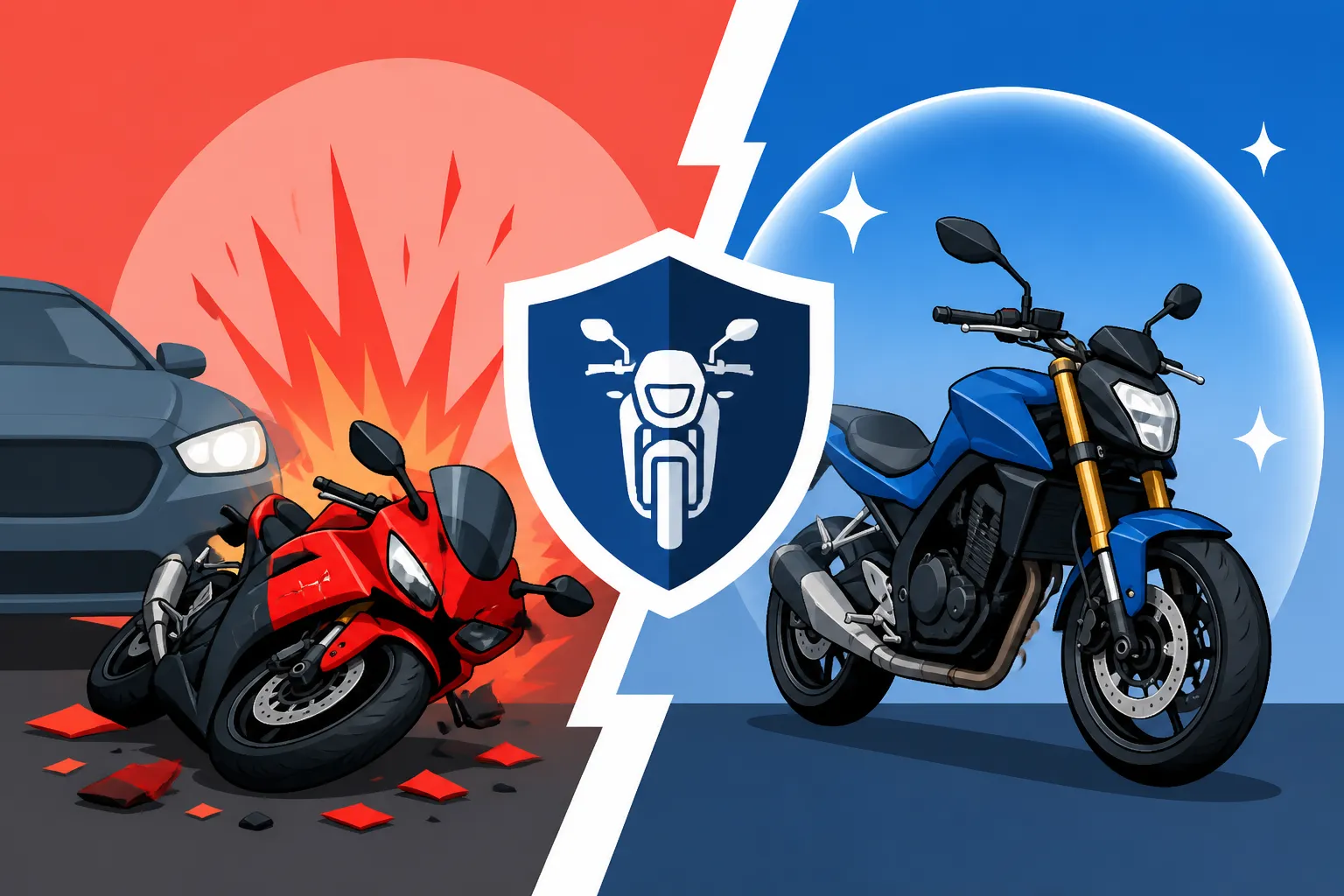
Let's cut through the jargon and get to the heart of what collision coverage actually does. Many riders confuse it with comprehensive, or simply think "full coverage" means everything, but it's more nuanced than that. Collision coverage is specifically designed to protect your wallet when your motorcycle gets damaged in an accident involving another vehicle or object.
What Collision Covers and What It Doesn't
Think of collision coverage as your shield against impacts. If you're riding down a busy street in, say, Dallas, and an inattentive driver swerves into your lane, causing a collision, your collision coverage would kick in to pay for the repairs to your motorcycle. This applies whether the other driver is at fault, or even if you are. It's about damage to your bike, plain and simple.
But it's not just about other vehicles. Collision also covers single-vehicle accidents, like if you misjudge a curve on a winding back road and lay your bike down, or if you accidentally back into a pole in a parking lot. These kinds of "oops" moments are unfortunately common for riders, and collision coverage is there to pick up the tab for the damage to your motorcycle. It doesn't matter if it's a bent fender, a shattered fairing, or major frame damage; if it's a result of striking another vehicle or object, collision is your go-to.
Now, what doesn't it cover? This is where the distinction from other coverages, especially comprehensive, becomes crucial. Collision will not cover damages from things like theft, vandalism, fire, natural disasters (hail, floods, wind), or hitting an animal. For those scenarios, you'd be looking at your comprehensive coverage. Nor does collision cover injuries to yourself or others, or damage to other people's property; that's the domain of liability coverage. It's strictly for the physical damage to your motorcycle from a collision event.
The Deductible Factor in Collision Coverage
Before your collision coverage starts paying out, you'll have to pay your deductible. This is the amount you agree to pay out-of-pocket for each claim before your insurance company steps in. Common deductibles for motorcycle collision coverage range from $250 to $1,000, or even higher.
Let's imagine you have a $500 deductible. If your bike sustains $2,000 worth of damage in a collision, you'd pay the first $500, and your insurance would cover the remaining $1,500. The higher your deductible, generally the lower your monthly or annual premium will be. This is a balancing act you need to consider carefully. Can you comfortably afford a $1,000 deductible in a pinch, or would a lower one, even with a slightly higher premium, give you more peace of mind? It's a personal financial decision that often comes down to your emergency savings and your tolerance for risk.
For an in-depth look at how these different coverages stack up, check out our guide on Collision vs Comprehensive Motorcycle Coverage.
Determining If You Need Motorcycle Collision Coverage
Deciding whether to carry collision coverage isn't a one-size-fits-all answer. It largely depends on your personal circumstances, the value of your motorcycle, and your financial situation. It's a decision that weighs potential costs against potential risks.
Financed or Leased Motorcycles
Here's the easiest answer: if your motorcycle is financed or leased, you almost certainly need collision coverage. Lenders and leasing companies want to protect their investment. If something happens to the bike you're still paying off, they want to ensure it can be repaired or, if totaled, that the outstanding loan balance can be covered. Most financing agreements explicitly state that you must maintain "full coverage," which invariably includes both collision and comprehensive coverage.
Ignoring this requirement isn't just risky; it could put you in breach of contract. If you fail to maintain adequate coverage, your lender might purchase force-placed insurance on your behalf, which is typically much more expensive and offers minimal protection to you. To understand more about these requirements, read our article on Motorcycle Insurance Requirements for Financed Bikes.
The Value of Your Bike
The actual cash value of your motorcycle plays a huge role in this decision.
- Newer, Expensive, or Custom Bikes: If you're riding a brand-new Harley-Davidson Street Glide, a high-performance Ducati Panigale, or a heavily customized chopper with thousands invested in aftermarket parts, collision coverage is almost a no-brainer. The repair costs for these machines can quickly climb into the thousands, easily exceeding what most people can afford out-of-pocket. Without collision, even a relatively minor accident could leave you facing a massive bill or the complete loss of your investment. Think about a minor fender bender in congested traffic; replacing a fairing alone could cost more than a year's worth of collision premiums.
- Older, Low-Value, or Project Bikes: On the flip side, if you're riding a vintage Honda Rebel that you picked up for $1,500, or an older, paid-off bike with significant mileage, the math changes. If the cost of the collision premium over a year or two approaches the actual value of the bike, or if repairs would quickly total it out anyway, it might not be worth it. For example, if your annual collision premium is $300 and your bike is only worth $2,000, a minor accident might result in a $1,000 repair bill, but your insurer might deem it a total loss since repairs exceed a certain percentage of its value. After your deductible, you might not get much back, and you've been paying those premiums. Many riders with older, less valuable bikes opt for liability-only coverage.
Your Financial Cushion and Risk Tolerance
This is a deeply personal assessment. Can you comfortably afford to pay for significant repairs or even replace your motorcycle entirely out-of-pocket if you get into an accident?
- Strong Emergency Fund: If you have a robust emergency fund specifically earmarked for such incidents, and your bike isn't outrageously expensive, you might decide to "self-insure" for collision. This means you skip the coverage, keep the premium savings, and promise yourself that if an accident happens, you'll use your savings to cover the costs. This strategy requires discipline and a realistic understanding of potential repair costs.
- Limited Savings: If an unexpected $5,000 repair bill would put a serious dent in your finances, collision coverage becomes much more vital. For many, the peace of mind knowing that a major financial setback from an accident is mitigated by insurance is well worth the premium cost. No one wants to be stranded with a damaged bike and no way to fix it.
Riding Habits and Location
How, where, and how often you ride also play a part.
- Daily Commuter in a Busy City: If you commute daily on your motorcycle in a bustling urban environment like Los Angeles or Chicago, your risk of being involved in a collision is inherently higher due to heavy traffic, distracted drivers, and more complex road situations. In this scenario, collision coverage offers a significant layer of protection.
- Weekend Rider in Rural Areas: If your riding is limited to occasional weekend cruises on quiet country roads, your exposure to collision risk might be lower. However, even rural roads have their own hazards, from unexpected gravel to deer crossings. A single-vehicle accident can still be costly.
Pros and Cons of Carrying Motorcycle Collision Coverage
Like any financial decision, there are trade-offs to consider when deciding on collision coverage. It’s important to weigh the benefits against the drawbacks specific to your situation.
Advantages of Collision Coverage
The upside of having collision coverage is primarily financial protection and peace of mind.
- Financial Protection for Repairs or Replacement: This is the most obvious benefit. If you're involved in an accident, your policy helps cover the costs to repair or replace your damaged motorcycle, minus your deductible. This can prevent a significant financial hit, especially if your bike is newer or expensive. Imagine totaling your brand-new Indian Challenger. Without collision, you'd be out the entire value of the bike. With it, your insurer helps you recoup a substantial portion.
- Peace of Mind: Knowing that you're covered in case of an accident can make your rides much more enjoyable. You don't have to constantly worry about the "what ifs" of unexpected collisions, allowing you to focus on the road and the joy of riding. This psychological benefit is often underestimated but very real.
- No Fault, No Problem: Collision coverage pays for damage to your bike regardless of who is at fault. If you accidentally lay your bike down, or hit an object, you're covered. If another driver hits you and they're uninsured, your collision coverage can still step in (though Uninsured Motorist Property Damage coverage is also key here). For more on comprehensive "full coverage," see What Does Full Coverage Motorcycle Insurance Mean?.
- Faster Claims Process: When you use your own collision coverage, the claims process can often be quicker and simpler, especially if fault is disputed or the other party's insurance company is slow to respond. Your insurer pays to get your bike fixed, then they may pursue reimbursement from the at-fault party's insurance.
Disadvantages of Collision Coverage
While the benefits are strong, there are legitimate reasons why some riders choose to forgo collision.
- Increased Premium Costs: Collision coverage is often one of the most expensive components of a motorcycle insurance policy. Adding it can significantly increase your annual premium. For example, a rider in Florida with a sportbike might see their premium jump hundreds of dollars a year with collision versus just liability. This is a primary reason riders consider dropping it, especially as their bike ages.
- Deductibles: As discussed, you still have to pay your deductible out-of-pocket. For minor damage, the repair cost might not be much more than your deductible, making you wonder if the claim was worth it in the first place, or if it might impact your future rates.
- Potential for Premium Increases After a Claim: Filing a collision claim, particularly if you are deemed at fault, can lead to higher premiums upon renewal. Insurers view claims as an indicator of increased risk. This is a common concern that makes riders hesitant to use their coverage for smaller incidents.
- "Total Loss" Scenario for Older Bikes: For older motorcycles, even moderate damage can lead to a "total loss" declaration by the insurer if the repair costs exceed a certain percentage of the bike's actual cash value. In such cases, you might get a payout for the bike's value (minus deductible), but it might not be enough to buy a comparable replacement, especially if you have an emotional attachment to your specific bike.
Here’s a quick overview of when collision coverage is typically advisable:
| Factor | Collision Coverage Recommended? | Explanation |
|---|---|---|
| Financed/Leased Bike | Absolutely | Lenders require it to protect their investment. Breach of contract without it. |
| High-Value Bike | Strongly | Repair or replacement costs can be astronomical; insurance protects your significant investment. |
| Limited Savings | Yes | If you can't easily cover major repair/replacement costs out-of-pocket, collision provides crucial financial safety. |
| Daily Commuter | Highly | Increased exposure to accidents in heavy traffic or urban areas means higher risk. |
| Older/Low-Value Bike | Often Not | Premiums might be high relative to the bike's value; minor damage could lead to a total loss with a small payout after deductible. Consider self-insuring. |
| Robust Savings | Optional | If you have ample funds to self-insure for repairs or replacement, you might consider foregoing it to save on premiums. |
Alternatives to Collision and How to Make Your Decision
If you're on the fence about collision coverage, it's worth exploring all your options and ensuring you have a holistic view of your insurance needs.
Self-Insuring and Savings
For riders with older, less valuable motorcycles that are paid off, and who have a healthy emergency fund, self-insuring for collision might be a viable strategy. The idea is to take the money you would have spent on collision premiums and put it into a dedicated savings account. If an accident happens, you use those savings for repairs or to buy a new bike. If no accident occurs, you've saved that money.
This approach demands financial discipline. You must be realistic about how much repairs could cost – a simple fork replacement can run several hundred dollars, while engine damage can easily hit thousands. You also need to be prepared for the worst-case scenario: a total loss where you're solely responsible for replacing the bike. This option is generally not recommended if your bike is financed or if you wouldn't be able to easily cover a few thousand dollars in unexpected expenses.
Reviewing Other Important Coverages
Remember, collision is just one piece of the puzzle. Even if you decide against collision, you absolutely must carry other essential coverages.
- Liability Coverage: This is almost always legally required. It covers damages and injuries you cause to other people and their property in an accident. Without it, you could face massive lawsuits and financial ruin. Understanding your state's minimums is crucial; our guide on Minimum Liability Insurance Explained (The Three Numbers) offers a detailed breakdown.
- Uninsured/Underinsured Motorist (UM/UIM) Coverage: This is incredibly important for motorcyclists. If you're hit by a driver who has no insurance or not enough insurance to cover your injuries and bike damage, UM/UIM steps in to protect you. Given the number of uninsured drivers on the road, this coverage is often considered non-negotiable for riders. Learn more about Uninsured & Underinsured Motorist Coverage (UM/UIM).
- Comprehensive Coverage: Even if you skip collision, comprehensive coverage is relatively inexpensive and covers theft, vandalism, fire, natural disasters, and hitting an animal. These are risks that apply to any bike, regardless of age or value, and can be devastating without protection.
- Medical Payments (MedPay) or Personal Injury Protection (PIP): These coverages help pay for your medical bills after an accident, regardless of fault. Given the higher risk of injury for motorcyclists, these are often invaluable.
Getting Quotes to Compare Your Options
The best way to make an informed decision is to get personalized quotes. Don't guess what your collision coverage will cost.
- Get Multiple Quotes: Contact several different insurance providers, like Progressive, Geico, Dairyland, and Markel. Ask for quotes with and without collision coverage, and try different deductible amounts. This will give you a clear picture of the cost difference. Many companies specialize in motorcycle insurance and can offer competitive rates and specialized coverages.
- Use Comparison Tools: Online tools, like those offered by The Zebra, allow you to compare multiple insurance quotes side-by-side with just one entry. This can save you a ton of time and help you easily visualize how different coverage options, including collision, impact your overall premium. The Zebra can be a great resource to quickly see your options.
- Consider Bundling: If you have auto insurance with a specific provider, ask about bundling your motorcycle policy. Many companies offer multi-policy discounts that can lower your overall costs, potentially making collision coverage more affordable.
- Explore Discounts: Ask about all available discounts. Completing a motorcycle safety course, having anti-theft devices, being a member of certain riding organizations, or having a clean driving record can all lead to savings. Check out our guide on Motorcycle Insurance Discounts You're Missing to find potential savings.
Ultimately, the decision to carry collision coverage comes down to balancing the cost of the premium against your potential financial exposure in an accident. For most riders with newer or financed motorcycles, it's a non-negotiable layer of protection. For others, a careful financial assessment might lead them to different conclusions. Do your homework, get those quotes, and choose what makes the most sense for your bike and your budget.
Disclaimer
Please remember that insurance policies and requirements can vary significantly by state and individual circumstances. This guide provides general information and recommendations. Always consult with a licensed insurance professional to discuss your specific needs and ensure you have adequate coverage for your motorcycle. Insurance laws and regulations are subject to change.