Is Passenger Coverage Worth It on a Motorcycle?
That feeling of hitting the open road, the wind in your face, the roar of the engine—it's exhilarating. But for many riders, that joy is amplified when you have a passenger sharing the experience. Whether it's a significant other, a buddy, or a family member, there's a unique bond formed riding two-up. However, amidst the freedom and camaraderie, a nagging question often creeps in: what if something goes wrong? Will my insurance actually cover my passenger if we're involved in an accident? It’s a valid concern, and navigating the nuances of motorcycle passenger coverage can feel like trying to read a policy document in a strong crosswind. This guide is here to untangle all of that, helping you understand if passenger coverage is truly worth it for your riding style.
Understanding Motorcycle Passenger Coverage Essentials
When you first dive into the world of motorcycle insurance, it’s easy to get overwhelmed by all the different terms and policy types. You hear about liability, collision, comprehensive, and suddenly, you’re wondering where your passenger fits into all of this. It's a common point of confusion, and frankly, it's one of the most important things to get right if you ever plan on riding with someone else.
What Standard Liability Does Not Cover for Your Passenger
Let’s clear up a major misunderstanding right off the bat. When you buy standard motorcycle liability insurance, which is often legally required in most states, its primary purpose is to cover damages and injuries you cause to others. Think of it this way: if you’re involved in an accident and it’s determined to be your fault, your liability coverage will help pay for the other driver’s medical bills, their damaged vehicle, and possibly even property damage to a fence or storefront. This is crucial for protecting your assets from lawsuits by third parties.
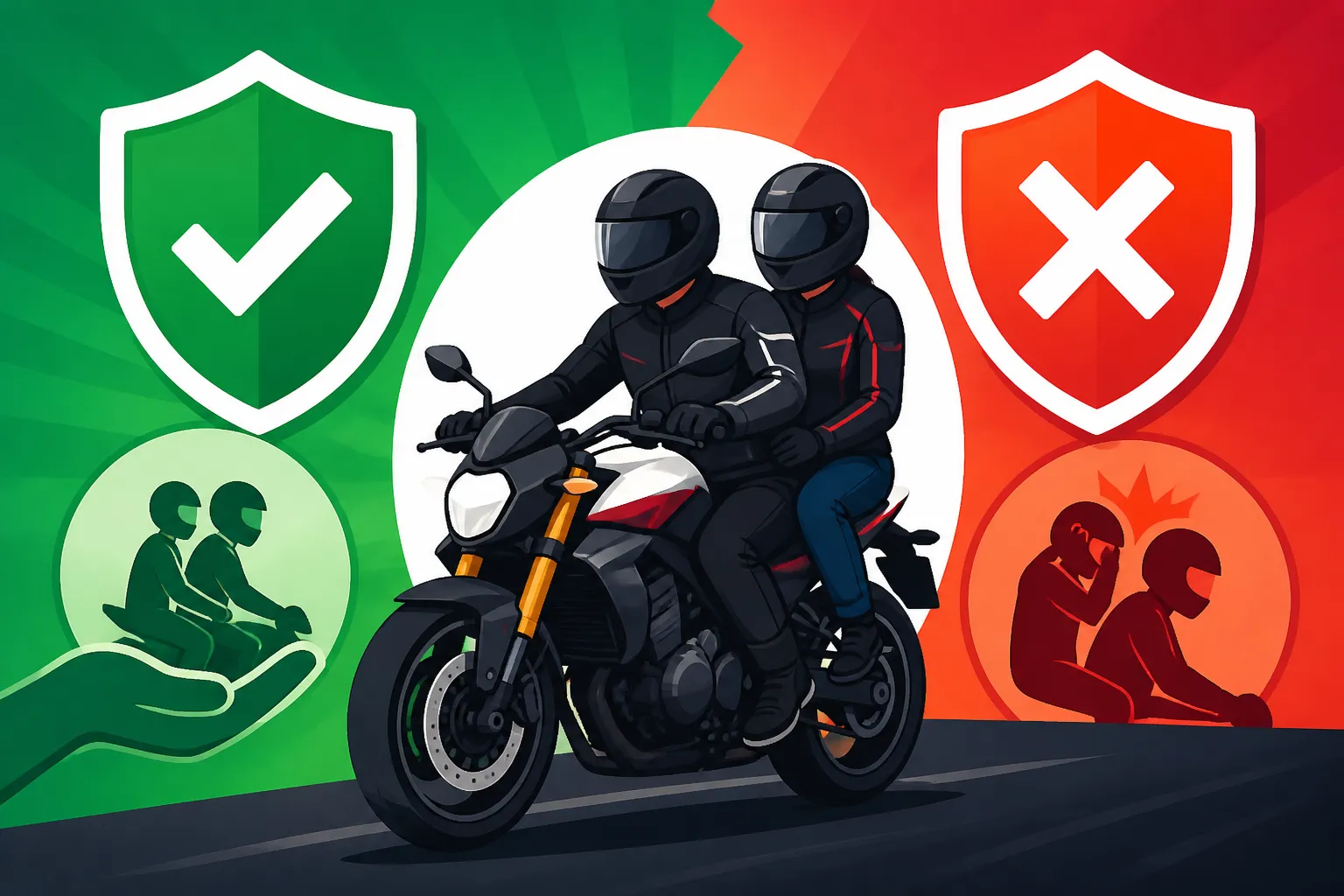
However, here's the kicker: standard bodily injury liability does not typically cover injuries sustained by your own passenger. Your passenger, in the eyes of your policy, is often considered a "first party" or an "occupant" of your vehicle, not a "third party" that you've caused damage to. This means if your passenger breaks a leg in an accident where you were at fault, your basic liability coverage isn't going to step in to pay their medical bills. This revelation can be a real gut punch for many riders who assumed they were covered. It’s why understanding the ins and outs of your policy, as explored in our guide on Types of Motorcycle Insurance Coverage Explained, is so important.
Dedicated Passenger Injury Coverage Options
So, if standard liability doesn't cut it, what does? Thankfully, insurance companies offer specific add-ons and coverages designed precisely for this scenario. These are the coverages you need to seriously consider if you ever carry a passenger.
One of the most common options is Medical Payments (MedPay) coverage, or sometimes Personal Injury Protection (PIP), depending on your state. MedPay is a fantastic addition because it pays for reasonable and necessary medical expenses for you and your passengers, regardless of who was at fault in an accident. This means if you and your passenger are both injured, MedPay can help cover ambulance rides, emergency room visits, hospital stays, and even ongoing treatment up to your policy limits. It’s a no-fault coverage, which simplifies things immensely when it comes to getting immediate care. Our article on What Is Medical Payments MedPay for Riders goes into much greater detail about how this works and why it's a smart choice for many.
Beyond MedPay, some insurers might offer specific "passenger liability" endorsements. These are less common than MedPay but essentially extend your bodily injury liability to cover injuries to your passenger if the accident is your fault. This is different from MedPay because it's fault-based; it kicks in if you're deemed responsible for the accident that injured your passenger. It's vital to speak with your insurance agent directly to understand which options are available in your state and how they differ, especially since Motorcycle Insurance Requirements by State 2026 Guide can vary significantly. Some insurance providers, like Progressive and Dairyland, are well-known for offering robust motorcycle-specific options, including these kinds of passenger protections.
The Real Risks and Why Passenger Coverage Matters
It's easy to think, "An accident won't happen to me," especially when you're a careful rider. But the reality is, motorcycles are inherently more vulnerable, and even the most skilled riders can't control what other drivers do. When you add a passenger to that equation, the stakes become even higher, both in terms of physical injury and financial responsibility.
Accidents Happen: Financial Fallout for Your Passenger
Imagine this scenario: you're cruising down a scenic highway near the Blue Ridge Mountains with your spouse on the back, enjoying a beautiful fall afternoon. Suddenly, a car pulls out from a side road, misjudging your speed. You swerve to avoid a direct hit, but you both go down. The bike is damaged, you sustain some scrapes and bruises, but your passenger takes the brunt of it—a broken arm, a concussion, and some nasty road rash requiring extensive medical attention.
Now, without specific passenger injury coverage like MedPay, who pays for those mounting medical bills? Your standard health insurance might cover some, but what about deductibles, co-pays, and services that aren't fully covered? What if your passenger misses weeks of work and loses income? If the accident was your fault, or even partially your fault, your passenger could potentially sue you to recover those costs. They're injured, they're out of pocket, and they have a right to seek compensation. A broken arm and a concussion can easily lead to tens of thousands of dollars in medical expenses and lost wages, an amount that could devastate both your personal finances and your relationship. This is where the financial responsibility becomes very real, very quickly. It’s not just about repairing your bike; it's about repairing lives.
Protecting Your Finances and Relationships
Beyond the immediate medical expenses, the absence of proper passenger coverage can have long-lasting, damaging effects. If your passenger is a friend or family member, the thought of them suing you is probably unfathomable. However, when faced with overwhelming medical debt, difficult decisions sometimes have to be made. Even if they never take legal action, the stress, guilt, and financial burden on everyone involved can strain even the strongest relationships.
Think about the psychological impact. Knowing you were responsible for someone else's injury, and then being unable to help them financially, can be a heavy cross to bear. Having the right coverage isn't just about avoiding a lawsuit; it's about showing care and responsibility for the people you choose to share your ride with. It protects your financial future from unexpected and massive payouts, and perhaps more importantly, it protects your peace of mind and the integrity of your personal relationships. This foresight can literally save friendships and prevent immense personal distress, making it truly part of what What Does Full Coverage Motorcycle Insurance Mean? should encompass for any responsible rider. Companies like The Zebra can help you quickly compare quotes to find policies that offer these crucial protections, ensuring you don't overlook something vital.
Deciding If Passenger Coverage Is Right for You
The decision to add passenger coverage isn't black and white for everyone. It depends heavily on your individual riding habits, financial situation, and how you weigh potential risks against policy costs. However, for most riders who anticipate carrying passengers, the benefits far outweigh the relatively modest expense.
How Often Do You Ride Two-Up?
This is perhaps the most straightforward question to ask yourself. Do you regularly take your partner for weekend rides, commute with a friend, or plan extensive touring trips with a pillion? Or do you only ride solo, with the rare exception of giving a quick spin around the block to a curious neighbor once a year?
If you're frequently riding with a passenger, then the argument for comprehensive passenger coverage becomes overwhelmingly strong. The more often you ride two-up, the higher the statistical probability of an incident occurring that could involve your passenger. For the avid duo rider, skimping on this coverage is a gamble that carries enormous personal and financial risk. On the other hand, if a passenger is an extreme rarity for you, the urgency might feel less immediate. However, even a single incident can be catastrophic, so it’s never a zero-risk scenario. Many riders find that for peace of mind, it’s worth having, even if they don’t always ride with a passenger.
The Cost Versus Peace of Mind Equation
Let's be honest, everyone wants to save money on insurance. You might be wondering, How Much Is Motorcycle Insurance 2026 Cost Guide, and then look for ways to cut corners. Adding MedPay or passenger liability coverage will indeed increase your premium, but often, the increase is quite modest compared to the potential costs of an uninsured accident involving a passenger. We're often talking about an extra few dollars a month, not hundreds.
Consider the alternative: if an accident causes $50,000 in medical bills for your passenger, and you're suddenly on the hook for that because your policy only covered external damages, that small monthly saving will seem insignificant. The peace of mind that comes from knowing you've done everything you can to protect your passenger and your own financial well-being is often priceless. It allows you to truly enjoy those rides without that underlying current of anxiety. Many riders, after evaluating the risk, quickly realize that the added cost is a small price to pay for such significant protection. When considering What Affects Your Motorcycle Insurance Rate?, factors like the type of coverage you select, especially for passengers, play a direct role.
Checking Your State's Regulations and Your Existing Policy
It’s absolutely crucial to not just assume anything about your coverage. Start by thoroughly reviewing your current motorcycle insurance policy documents. Look specifically for "Medical Payments," "Personal Injury Protection," or any endorsements related to "passenger liability." If you’re unsure, call your insurance provider directly. Don’t rely on assumptions or what a friend told you.
Also, be aware that state regulations can influence what's available or even how certain coverages are structured. For instance, states with no-fault auto insurance laws sometimes have different rules or mandatory PIP requirements that might extend to motorcycles, but this is not universal. Our guide on Motorcycle Insurance Requirements for Passengers delves deeper into state-specific nuances. Always verify with your insurer what your base liability policy covers, or more accurately, doesn't cover, for your passenger, before making any decisions. This due diligence ensures you're fully informed and can make the best choice for your particular situation.
Finding and Customizing Your Passenger Protection
Once you’ve decided that passenger coverage is a smart move (and for most riders who carry passengers, it definitely is!), the next step is to actually secure it. This process involves talking to insurance professionals and carefully comparing your options to ensure you get the best fit for your riding lifestyle and budget.
Talking to Your Insurance Provider
This might seem obvious, but it's often overlooked or done hastily. Don’t just click "add MedPay" online without understanding the specifics. Call your current insurance agent and have a frank discussion. Explain that you frequently ride with a passenger and want to ensure they are adequately protected in the event of an accident, regardless of fault.
Ask precise questions:
- "What specific coverage options do you offer for injuries sustained by my motorcycle passenger?"
- "What are the limits for these coverages, and what do they cost?"
- "Does this coverage apply regardless of who is at fault?"
- "Are there any exclusions I should be aware of?"
- "If I don't have this, what are the potential out-of-pocket costs for my passenger if they're injured?"
A good agent will walk you through the options, explain the differences between MedPay and any available passenger liability endorsements, and help you choose appropriate limits. For example, if you routinely ride with a passenger, a higher MedPay limit (e.g., $10,000 or $25,000) might be a wise investment, considering today’s medical costs. Remember, their job is to help you understand and protect yourself, so don’t hesitate to ask every question that comes to mind.
Comparing Options and Rider Needs
While your current insurer might offer suitable options, it’s always a good idea to shop around. Just like motorcycles themselves, insurance policies aren't one-size-fits-all. Different companies often specialize in different types of riders or offer unique bundles and discounts. What might be expensive with one insurer for passenger coverage could be quite affordable with another.
Platforms like The Zebra can be incredibly useful for this. They allow you to input your information once and get multiple quotes from various providers, showing you a side-by-side comparison of coverages and costs. You might find that one company offers a more comprehensive MedPay package at a similar price to another’s basic offering. When you use tools like this, you can actively put into practice what you learn from resources like How to Compare Motorcycle Insurance Quotes. You’ll be looking not just at the total premium, but at the specific line items for passenger protection, ensuring that the quotes truly meet your needs.
When comparing, consider:
- Coverage Limits: How much will the policy pay out for medical expenses?
- Deductibles: Are there any deductibles associated with the passenger injury coverage? (MedPay typically does not have a deductible.)
- Exclusions: Are there any specific situations or types of injuries that are not covered?
- Overall Policy Cost: How does adding this coverage affect your total premium across different insurers?
By carefully comparing and customizing, you can confidently hit the road knowing that you and your beloved passenger are protected, allowing you to focus on the joy of the ride.
Here's a quick look at how passenger coverage can make a critical difference:
| Scenario | No Dedicated Passenger Coverage (e.g., just basic liability) | With Dedicated Passenger Coverage (e.g., MedPay) |
|---|---|---|
| Your Fault Accident – Passenger Injured | Passenger's medical bills likely fall to their health insurance, or they might seek reimbursement from you personally. Your liability doesn't pay for your passenger. | MedPay/PIP immediately helps pay for your passenger's medical expenses, regardless of fault, up to policy limits. Reduces their out-of-pocket costs. |
| Other Driver's Fault Accident – Passenger Injured | Passenger seeks compensation from the at-fault driver's insurance. If the driver is uninsured/underinsured, your passenger may have limited recourse. | MedPay/PIP can still cover your passenger's medical expenses even if the other driver is at fault, providing immediate relief while a claim against the other driver processes. Your UM/UIM might also kick in. |
| Single-Vehicle Accident – Passenger Injured | Passenger's medical bills fall to their health insurance. No third party to claim against, and your liability doesn't cover them. You could face personal financial responsibility. | MedPay/PIP covers your passenger's medical costs, offering crucial support in accidents where no other vehicle is involved. |
| Impact on Relationship/Finances | High risk of financial strain, potential lawsuits from passenger, damaged relationships, immense personal stress for the rider. | Significant reduction in financial burden and stress. Demonstrates responsibility and care, protecting relationships and your assets. |
Disclaimer
This article is for general informational purposes only and does not constitute professional advice. Laws, prices and regulations vary by location and change over time. Consult a qualified professional for guidance on your specific situation.