Does Motorcycle Insurance Cover a Dropped Bike at a Stop?
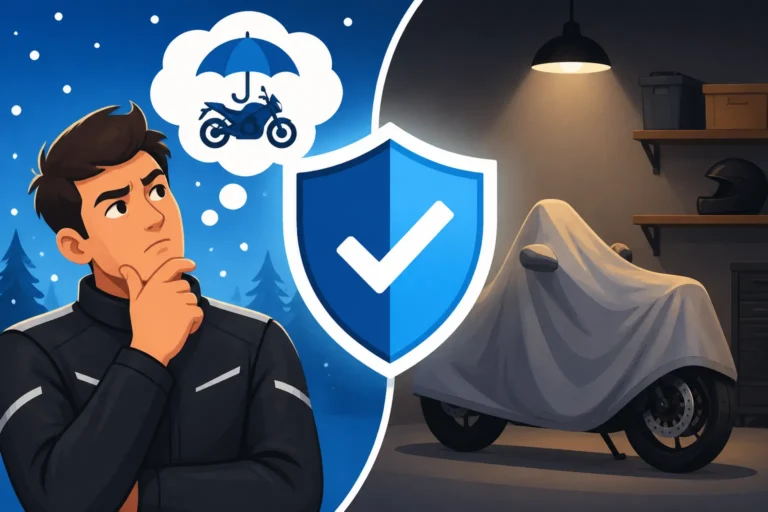
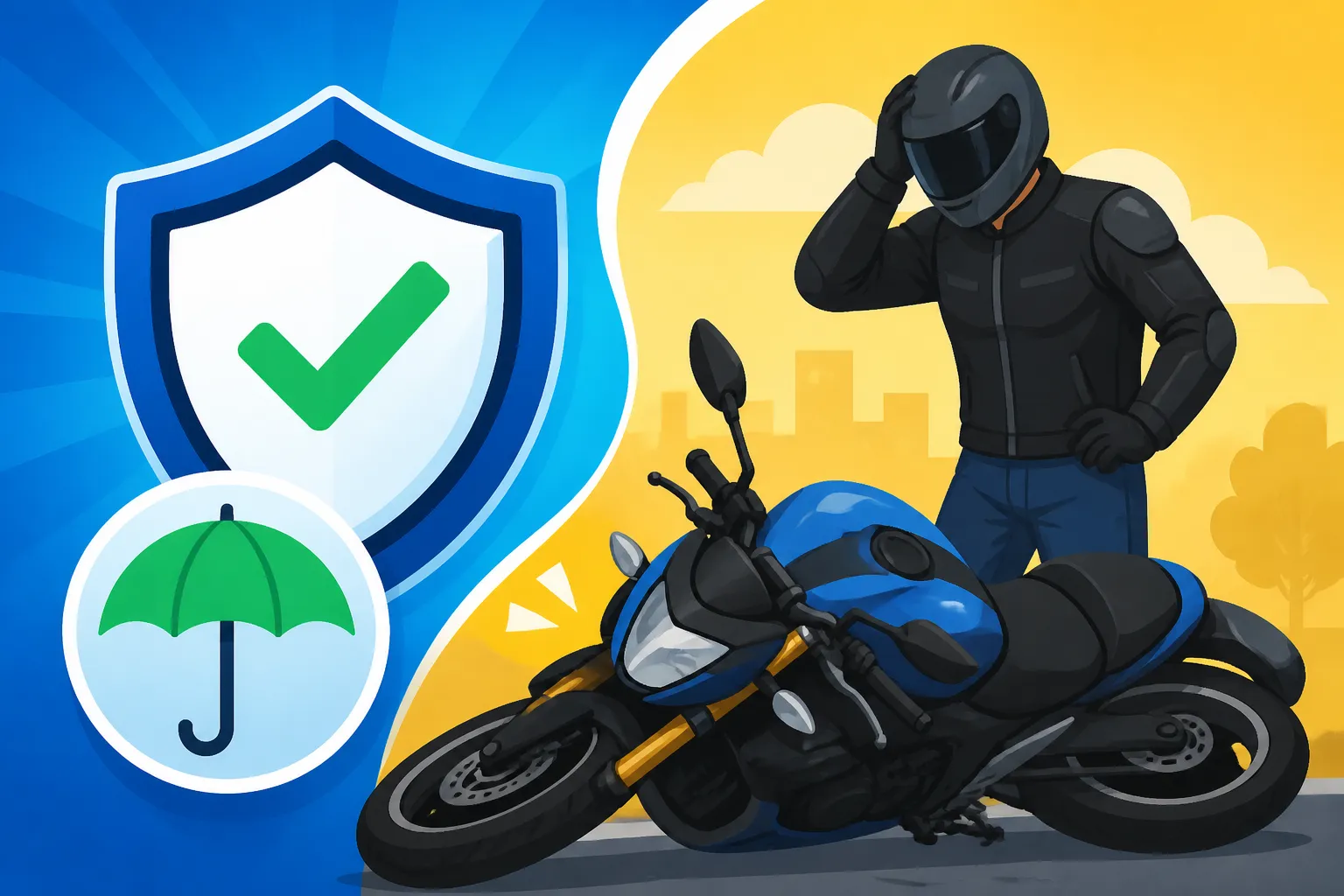
It's a moment every rider dreads, that sickening lurch and then the metallic crunch as your beloved motorcycle tips over, often at a standstill. Whether it's a gravel patch, a misstep, or just plain old fatigue, dropping your bike at a stop can feel incredibly frustrating and embarrassing, leaving you wondering if your motorcycle insurance policy will even bother to cover such an "avoidable" mishap. This guide is here to demystify the complexities of motorcycle insurance when your bike takes an unexpected nap.
The Frustration of a Still-Stand Drop: Understanding the Core Issue
There's a unique sting to dropping your motorcycle when you're barely moving, or even completely stopped. It's not a high-speed crash, not a fender bender with another vehicle, and often, it feels like it shouldn't have happened at all. But those moments, whether it's an unstable kickstand, a sudden gust of wind, or losing your footing while maneuvering in a parking lot, can lead to real damage—scratched paint, bent levers, cracked fairings, or even worse. The common misconception is that insurance only covers "accidents" involving another vehicle or a significant impact. However, a dropped bike, even at zero miles per hour, is still an incident that can result in damage that needs repair, and your policy might just be your saving grace.
The core of the issue for many riders is figuring out which part of their policy, if any, will kick in. It's not always obvious, and sometimes it depends on the specifics of the fall and the type of coverage you've elected. The language in insurance policies can be dense, and what one company considers a "collision" another might interpret differently in these low-speed, single-vehicle scenarios. That's why it's so important to dig into the details of your coverage before you're in the stressful position of needing it.
Collision Coverage: Your Primary Shield for Dropped Bike Incidents
When your motorcycle takes an unexpected dive, the most likely savior in your insurance policy is usually your collision coverage. Many riders mistakenly think collision coverage only applies when you collide with another vehicle or object while in motion. However, insurance companies broadly define "collision" to include incidents where your bike overturns or rolls over, even if it's not explicitly crashing into something else.
How Collision Coverage Works for a Dropped Bike
Imagine you're pulling into a gas station, hit a patch of loose gravel you didn't see, and your front wheel washes out, sending your bike to the pavement. Or perhaps you're backing your Harley-Davidson out of the garage, lose your footing, and it tips over. These are exactly the kinds of scenarios where collision coverage is designed to help. It’s important to understand that collision covers damage to your own motorcycle resulting from an accident, regardless of who is at fault. In the case of a dropped bike, you are, in essence, "colliding" with the ground.
Once you file a claim for a dropped bike under your collision coverage, your insurer will assess the damage. If the repair costs exceed your deductible, the insurance company will cover the remaining amount up to the actual cash value of your motorcycle or the cost of repairs, whichever is less. This means if you have a $500 deductible and the damage amounts to $1,500, your insurance would pay $1,000. It's crucial to consider your deductible when deciding whether to file a claim for minor cosmetic damage, as a small claim might not be worth the deductible and potential impact on future rates.
Understanding Deductibles and Claim Impact
Every collision policy comes with a deductible, which is the amount you agree to pay out of pocket before your insurance company starts paying for the damage. A higher deductible usually means a lower premium, and vice-versa. For a dropped bike scenario, if the damage is superficial – say, just a scuffed mirror or a minor scratch that can be buffed out – it might not even meet your deductible, making an insurance claim less practical. You'd pay for those repairs yourself anyway.
Furthermore, filing a claim, even for a single-vehicle incident like a dropped bike, can potentially affect your insurance rates in the future. Insurance companies look at your claims history to assess your risk profile. While one small claim might not drastically increase your premium, it's a factor to consider. It's always a good idea to weigh the cost of repairs against your deductible and the potential long-term impact on your rates before initiating a claim. Some riders with long, clean records might find their rates unaffected by a minor, first-time claim, while others might see a noticeable bump. You might want to check out an article like What Happens to My Rate After a Motorcycle Claim? for more details on this.
Exploring Other Coverage Options: Comprehensive and Accessory Protection
While collision coverage is your primary go-to for a dropped bike, other parts of your policy can be surprisingly helpful, especially if specific items were damaged or the drop was due to an external, non-collision factor.
Comprehensive Coverage and Unexpected Events
Comprehensive coverage is usually associated with events like theft, vandalism, fire, or hitting an animal. It generally covers damage to your motorcycle that isn't caused by a collision. So, if your bike simply tips over due to an external force not involving you riding or operating it—for example, if a strong gust of wind knocks it over while it's parked and unattended, or if someone maliciously pushes it over—then comprehensive coverage might actually be applicable.
In such cases, the incident isn't a "collision" in the operational sense, but rather damage from a non-collision event. This is where the lines can sometimes blur, and it's essential to communicate clearly with your insurance provider about the circumstances of the drop. For example, if your bike is parked outside your home in Phoenix, Arizona, and a sudden, violent monsoon storm blows it over, that would likely fall under comprehensive. The exact wording of your policy and the specific cause of the drop are key here.
Accessories and Custom Parts Coverage
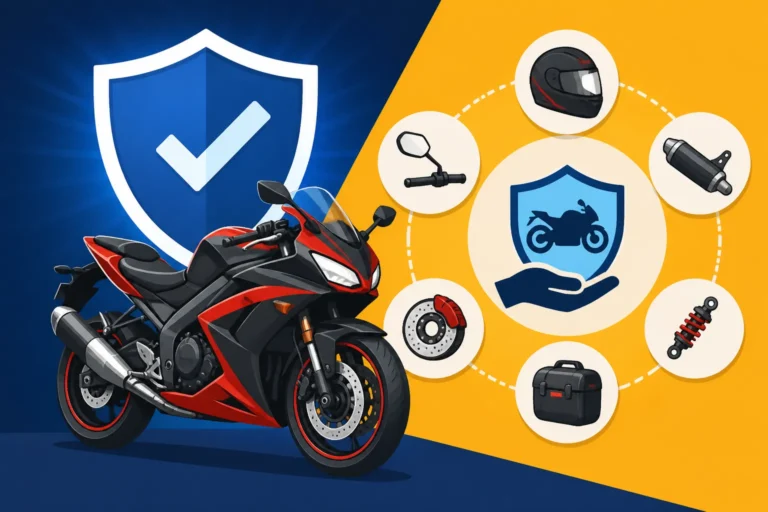
Many riders invest significant time and money into customizing their bikes. From aftermarket exhaust systems to custom paint jobs, fairings, saddlebags, and navigation units, these additions can quickly add up in value. Standard motorcycle insurance policies often have limited coverage for accessories and custom parts, typically a low default amount like $1,000 or $3,000. If your dropped bike had expensive custom components that were damaged, this standard limit might not be enough.
This is where specific add-on coverage for accessories and custom parts becomes incredibly valuable. If you've opted for this additional coverage, it will pay to repair or replace those specific modifications that were damaged in the fall, beyond the standard limits of your comprehensive or collision policy. When you're comparing motorcycle insurance quotes, especially through platforms like The Zebra, make sure to specifically ask about and customize your coverage limits for accessories. You can learn more about this in our detailed guide on Accessories & Custom Parts Coverage Explained. Without it, you could be left footing the bill for a lot of expensive upgrades.
Practical Steps and Considerations When Your Bike Takes a Tumble
When your motorcycle drops, whether it's a gentle lay-down or a more dramatic tip-over, knowing what to do immediately can make a significant difference in how smoothly any potential insurance claim proceeds.
Assessing the Damage and Safety First
The immediate aftermath of dropping your bike can be a mix of shock, frustration, and adrenaline. First, and most importantly, check yourself for any injuries. Even a low-speed drop can result in scrapes, bruises, or sprains. If you're injured, seek medical attention immediately. Once you've confirmed you're okay, assess the immediate surroundings for safety. If your bike is blocking traffic, try to move it to a safer location, but only if you can do so without causing further injury to yourself or damage to the bike.
Next, carefully inspect your motorcycle for damage. Look for bent levers, broken mirrors, cracked fairings, leaking fluids, or any obvious structural damage. Take photos or videos from multiple angles, capturing both the overall scene and close-ups of specific damage. These visual records are crucial evidence for your insurance claim. Note the time, date, and exact location of the incident. This detailed documentation will be incredibly helpful when you eventually file a claim.
Deciding Whether to File a Claim
This is often the tricky part. As discussed earlier, if the damage is minor and the repair cost is less than or only slightly more than your deductible, it might not be financially sensible to file a claim. You could end up paying for most of the repairs yourself, and the claim could potentially lead to a rate increase.
Consider getting an estimate from a reputable motorcycle repair shop before contacting your insurer. This will give you a clear picture of the costs involved. If the damage is significant, clearly exceeding your deductible, then filing a claim is probably the way to go. Remember, policies like Full coverage motorcycle insurance are designed precisely for these kinds of scenarios, offering peace of mind even for unexpected mishaps. When you're shopping for coverage, consider platforms like The Zebra, which allows you to easily compare options from various providers to ensure you have the right protection for your ride.
The Role of Roadside Assistance
If your bike is too damaged to ride or you can't lift it yourself, roadside assistance coverage can be a lifesaver. Many motorcycle insurance policies offer this as an add-on, or it might be included in a premium package. This coverage will arrange for your bike to be towed to a repair shop or your home, saving you the hassle and cost of organizing a tow truck yourself. It's one of those coverages you hope you never need, but are incredibly grateful for when you do.
Navigating the Claims Process for a Dropped Motorcycle
So, you've assessed the damage, gathered your photos, and decided to file a claim. What's next? The process is generally straightforward, but knowing what to expect can ease some of the stress.
Initiating Your Claim
The first step is to contact your insurance company as soon as possible. Most insurers have a dedicated claims line or an online portal for filing claims. Be prepared to provide them with all the details you collected: the date, time, location, a description of what happened, and information about the damage. You'll also likely need your policy number.
When describing the incident, be precise and honest. If your bike tipped over because you lost your balance, state that clearly. If a sudden gust of wind pushed it over while parked, explain that. The specifics will help your insurer determine which part of your policy—collision or comprehensive—is most appropriate for your claim. This is where understanding Types of Motorcycle Insurance Coverage Explained really helps, as you can speak confidently about your policy.
Working with the Adjuster
Once your claim is filed, an insurance adjuster will be assigned to your case. Their job is to investigate the incident, review your documentation, and assess the damage to your motorcycle. They may ask for additional photos, details, or even arrange for an in-person inspection of your bike at a chosen repair shop.
It's crucial to be responsive and cooperative with your adjuster. Provide them with any requested information promptly. If you have repair estimates already, share them. Remember that their goal is to fairly evaluate the claim based on your policy terms. If you have a custom or vintage bike, make sure to highlight any unique features or expensive modifications that might not be immediately obvious. For complex claims, you might even consider getting multiple repair estimates to ensure you're getting a fair assessment. For a deeper dive, check out our guide on How to File a Motorcycle Insurance Claim.
Understanding the Settlement
After the adjuster has completed their assessment, they will typically provide you with a settlement offer. This offer will be based on the cost of repairs, minus your deductible, and factoring in the actual cash value of your bike if it's deemed a total loss. Review the offer carefully. If you believe the offer is too low, or if the repairs aren't fully covered, don't hesitate to discuss it with your adjuster.
Sometimes, there's room for negotiation, especially if you have detailed documentation of expensive parts or unique features. Ensure that all damaged items are accounted for, including those specific accessories and custom parts you might have added coverage for. Once you accept the settlement, the funds will be disbursed, and you can proceed with getting your bike repaired and back on the road. Navigating your policy, and understanding what to expect when you compare motorcycle insurance quotes, is made simpler by tools like The Zebra, which can help you understand your options upfront.
Summary of Coverage for Dropped Bikes
To help you quickly grasp how different coverages apply to a dropped motorcycle, here’s a simple table:
| Coverage Type | What it Generally Covers | Typical Scenario for a Dropped Bike | Deductible Applies? | Potential Impact on Rates? |
|---|---|---|---|---|
| Collision Coverage | Damage to your own motorcycle from an accident (hitting an object, overturning). | You lose balance at a stop sign and your bike tips over; you accidentally drop it while moving it in your driveway. | Yes | Yes |
| Comprehensive Coverage | Damage to your motorcycle from non-collision events (theft, vandalism, fire, natural disasters). | Your parked bike is blown over by strong winds; someone intentionally pushes your bike over; it falls due to an earthquake. | Yes | Less likely for natural events |
| Accessories & Custom Parts Coverage | Damage to aftermarket parts, custom paint, or added equipment. | Your custom exhaust is bent, or expensive saddlebags are torn when your bike drops. (Requires additional, specific coverage beyond standard limits). | Yes | Yes (if filed with collision/comprehensive) |
| Roadside Assistance | Towing services if your bike is disabled. | Your bike is too damaged to ride after dropping it, or you can't lift it back up yourself. | No (often a separate fee) | Generally No |
Disclaimer
Please remember that this article provides general information and is not a substitute for professional legal or insurance advice. Every insurance policy is a legal contract, and coverage can vary significantly based on your specific policy, the insurance provider, and the laws of your state. Always review your own policy documents and consult with your insurance agent to understand your coverage details and limitations.