What Is Uninsured Motorist Coverage on a Motorcycle?
Riding a motorcycle comes with an incredible sense of freedom, but it also carries unique risks, especially when other drivers aren't as careful as they should be. One of the scariest scenarios is being hit by someone who doesn't carry proper insurance, leaving you to shoulder massive medical bills and repair costs alone. This comprehensive guide is here to shed light on uninsured motorist coverage, explaining what it is, why it's a lifesaver for riders, and how to make sure you're adequately protected against the financial fallout from irresponsible drivers.
What Exactly Is Uninsured Motorist Coverage?
Let's cut right to it: Uninsured Motorist (UM) coverage is your personal shield against the financial catastrophe of an accident caused by a driver who either has no auto insurance at all or whose insurance isn't enough to cover your damages. Think of it as insurance for when the other guy doesn't have insurance. As riders, we're acutely aware of our vulnerability on the road, and this coverage addresses a very real, very common problem that can turn a bad day into a financial nightmare.
The Core Concept: Protection from the Unknown
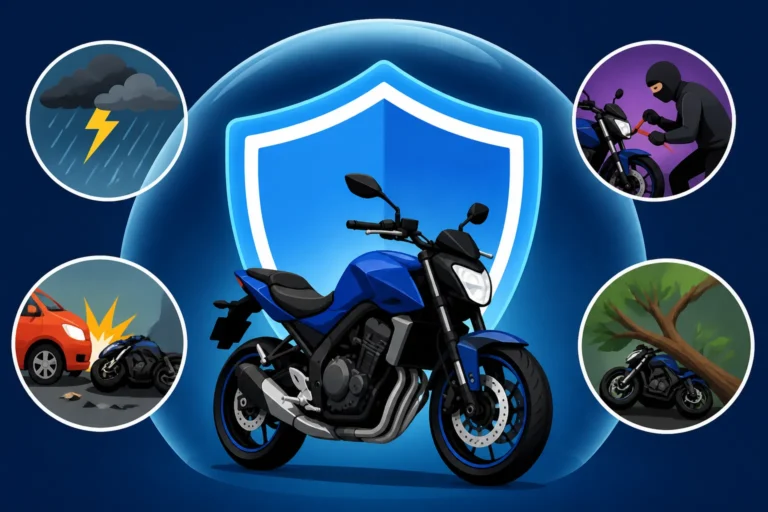
It’s a sobering statistic, but across the United States, roughly one in eight drivers is uninsured, and in some states, that number can climb to over 20%. That's a huge portion of drivers out there who, if they hit you, could leave you with significant damages and no clear path for compensation. Imagine you're cruising down a scenic highway in California, enjoying a beautiful day, when suddenly an erratic driver swerves into your lane, causes you to lay down your bike, and then flees the scene. Or maybe they stop, and you find out they simply don't have insurance. Without UM coverage, you'd be looking at potentially tens of thousands of dollars in medical bills, lost income, and motorcycle repairs, all coming directly out of your pocket. That's a terrifying thought, and it's why this coverage is so vital.
How it Differs from Your Own Liability
It's easy to get confused about the various types of motorcycle insurance coverage, especially when terms like "liability" and "uninsured motorist" are thrown around. Let's clarify: your own liability insurance protects other people if you're at fault in an accident. If you cause a crash, your liability coverage pays for their medical bills and property damage, up to your policy limits. Uninsured motorist coverage, on the other hand, works in the opposite direction. It steps in to protect you, the policyholder, and your passengers when another driver is at fault but doesn't have the necessary insurance. It ensures that even if the at-fault party can't pay, you won't be left financially devastated. This crucial distinction highlights why you need both: liability to protect others from you, and UM to protect you from others.
The Critical Need for UM Coverage as a Motorcyclist
While uninsured motorist coverage is important for all drivers, it takes on an even greater significance for motorcyclists. Our inherent vulnerability on two wheels means that even minor collisions can result in severe injuries and extensive damage to our bikes.
Vulnerability on Two Wheels
When you're riding, you don't have the protective cage of a car around you. There are no airbags, no seatbelts, no crumple zones. This reality means that a collision with another vehicle, even at relatively low speeds, can lead to serious injuries like broken bones, head trauma, spinal cord injuries, and road rash, all requiring extensive and costly medical care. Lost wages due to recovery time can also quickly pile up. If the driver who caused such an accident is uninsured, those overwhelming expenses fall squarely on your shoulders. It's a cruel twist of fate: you're doing everything right, riding responsibly, wearing your gear, and then someone else's negligence and lack of financial responsibility threatens to derail your life. This is why having comprehensive protection like UM coverage is not just a good idea; it's practically a necessity for any rider. For a deeper understanding of broad protection, you might want to look into What Does Full Coverage Motorcycle Insurance Mean?.
The Financial Aftermath of an Uninsured Collision
Let's paint a realistic picture. Say you're riding your beloved Harley-Davidson through the scenic routes of rural Texas, and an uninsured driver runs a stop sign, T-boning you. You're rushed to the emergency room, your bike is totaled, and you're facing months of physical therapy. Your health insurance might cover a portion of your medical bills, but deductibles, co-pays, and services not fully covered can still leave you with a mountain of debt. Furthermore, health insurance typically won't cover your lost income during recovery, nor will it compensate you for your totaled motorcycle, pain, and suffering. That's where uninsured motorist coverage becomes your financial lifeline. It's designed to step in and cover these costs, ensuring that you don't have to sacrifice your life savings or go into deep debt because of someone else's illegal decision to drive without insurance. Without this coverage, the financial burden can be devastating, far outweighing the cost of the premium. Many riders try to understand How Much Is Motorcycle Insurance? 2026 Cost Guide, but sometimes skimp on essential coverages like UM.
Understanding the Different Types of UM Coverage
Uninsured motorist coverage isn't a one-size-fits-all solution; it generally comes in two primary forms, each designed to address a different aspect of the damages you might incur after an accident with an uninsured driver. Understanding these distinctions is key to building a robust insurance policy that truly protects you.
Uninsured Motorist Bodily Injury (UMBI)
This is arguably the most critical component of uninsured motorist coverage for motorcyclists. UMBI is designed to cover your medical expenses, lost wages, and pain and suffering if you or your passengers are injured by an uninsured or hit-and-run driver. Think about the costs associated with serious injuries: ambulance rides, emergency room visits, surgeries, physical therapy, prescription medications, and potentially long-term care. All these add up incredibly fast. UMBI typically mirrors your liability limits, often expressed as a split limit, like 25/50. This means it would pay up to $25,000 for injuries per person and a maximum of $50,000 for all injuries in a single accident.
While many states require a minimum amount of liability coverage, not all mandate UMBI, leaving it up to you to decide whether to add it. Given the severity of potential motorcycle injuries, opting for UMBI limits that are as high as your liability limits is often a wise decision. Don't rely solely on your health insurance, as it often won't cover lost wages or the full extent of your recovery, and it certainly won't compensate for non-economic damages like pain and suffering. For more on how these numbers work, check out Minimum Liability Insurance Explained The Three Numbers.
Uninsured Motorist Property Damage (UMPD)
While UMBI focuses on your physical well-being, Uninsured Motorist Property Damage (UMPD) is concerned with your motorcycle itself. This coverage pays for repairs or replacement of your bike if it's damaged by an uninsured driver. Just like with collision coverage, UMPD typically comes with a deductible, which is the amount you pay out-of-pocket before your insurance kicks in.
It's important to note that UMPD isn't available in every state, and in some cases, collision coverage might also cover damage from an uninsured driver, effectively making UMPD redundant if you already carry collision. However, if you opt for liability-only coverage on your motorcycle to save money, adding UMPD could be a smart way to protect your bike without purchasing full collision coverage. Always check with your insurance provider to understand how these coverages interact and what makes the most sense for your specific situation.
Here's a quick comparison of the two types:
| Feature | Uninsured Motorist Bodily Injury (UMBI) | Uninsured Motorist Property Damage (UMPD) |
|---|---|---|
| What it Covers | Your and your passengers' medical bills, lost wages, pain & suffering | Damage to your motorcycle, helmet, and sometimes riding gear |
| When it Applies | When an uninsured/hit-and-run driver injures you | When an uninsured/hit-and-run driver damages your bike |
| Deductible | Typically no deductible | Usually has a deductible (similar to collision) |
| Purpose | Protects your physical and financial health after injury | Protects your motorcycle from physical damage |
| Availability | Widely available, often state-mandated or highly recommended | Varies by state; may be redundant if you have collision coverage |
How Uninsured Motorist Coverage Works in a Real Accident
It's one thing to understand the theory, but it's another to know what to do when an actual accident happens. Navigating the aftermath of a motorcycle crash, especially one involving an uninsured driver, can be incredibly stressful. Knowing how your UM coverage kicks in can provide some peace of mind during a difficult time.
The Initial Shock and Steps to Take
Okay, let's say it happens. You're riding and an uninsured driver causes a crash. The adrenaline is pumping, and you might be injured. First and foremost, if you're able, prioritize your safety and the safety of others. Move yourself and your bike to a safe location if possible. Immediately call 911 to report the accident and request medical assistance. Even if you feel fine, some injuries aren't apparent right away. A police report is absolutely critical, especially when dealing with a potentially uninsured driver or a hit-and-run. This official documentation verifies the incident and often includes details about the other party's insurance status (or lack thereof).
Gather as much information as you can: the other driver's name, contact details, license plate number, and driver's license number. Take photos of the scene, your motorcycle's damage, and any visible injuries. If there are witnesses, get their contact information too. Don't argue with the other driver about fault or insurance at the scene. Once you're safe and medical attention is sought, contact your insurance provider as soon as possible. Delaying this can complicate your claim. For more detailed steps, you can refer to our guide on What to Do After a Motorcycle Accident Insurance Steps.
Navigating the Claim Process
After reporting the incident to your insurance company, they will open a claim under your uninsured motorist coverage. This is where your UM policy truly shines. Your insurer will investigate the accident, just as if you were filing a collision claim. They'll verify that the other driver was indeed uninsured or underinsured, or that it was a legitimate hit-and-run. They might contact the other driver (if they stopped) to confirm their lack of coverage.
Once fault and the uninsured status are confirmed, your insurance company will then work with you to assess your damages. This includes reviewing your medical bills, any documentation of lost wages, repair estimates for your motorcycle, and even accounting for your pain and suffering if you have UMBI. They essentially step into the shoes of the uninsured driver's hypothetical insurance company and pay for your damages up to your policy limits. This process can be complex, and having an advocate within your own insurance company can be a huge relief. Knowing How to File a Claim When Hit by an Uninsured Driver can further empower you during this stressful time. Companies like The Zebra can sometimes help you compare how different insurers handle claims, even after an accident.
How to Determine Your UM Coverage Needs
Choosing the right amount of uninsured motorist coverage isn't just about meeting state minimums; it's about genuinely protecting your financial future. It requires a thoughtful assessment of your personal circumstances and potential risks.
Assessing Your Personal Risk and Financial Situation
When considering how much UM coverage you need, you really have to think about the worst-case scenario. As a motorcyclist, the potential for severe injury is higher than in a car. So, ask yourself:
- What are your current medical insurance deductibles and out-of-pocket maximums? While health insurance helps, it won't cover everything, especially lost wages or pain and suffering.
- How much income would you lose if you were unable to work for weeks or months? UMBI can help replace that lost income.
- What assets do you have to protect? If you have significant savings, a home, or other assets, a catastrophic injury could put them at risk if your UM limits are too low.
- How much is your motorcycle worth? If you have a brand-new touring bike or a custom build, you'll want sufficient UMPD (or collision) to cover its value.
- What's the prevalence of uninsured drivers in your state? States with higher uninsured rates might warrant higher coverage.
Don't just default to the state's minimum requirements for liability, as these are often far too low to cover serious injuries in a motorcycle accident. Many seasoned riders choose UM limits that match or even exceed their liability coverage, recognizing the unique risks they face. While Motorcycle Insurance Requirements by State (2026 Guide) outlines the legal minimums, remember that "legal" doesn't always mean "adequate."
Shopping for the Best Coverage
Once you have a clearer idea of your needs, it's time to shop around and compare policies. This isn't just about finding the cheapest premium; it's about finding the best value that offers robust protection.
- Get multiple quotes: Don't settle for the first quote you receive. Reach out to several different insurance providers like Progressive, Geico, Dairyland, and Markel. Each company has its own underwriting criteria and may offer different rates or bundling options.
- Compare coverage limits and deductibles: Make sure you're comparing apples to apples. A policy might seem cheaper upfront, but it could have lower UM limits or higher deductibles, leaving you more exposed.
- Understand policy exclusions: Read the fine print. Are there any specific situations where your UM coverage wouldn't apply?
- Ask about stacking: In some states, you might be able to "stack" UM coverage, meaning you can combine the UM limits from multiple vehicles on your policy, or even from multiple policies if they cover the same driver. This can significantly increase your payout potential in a severe accident.
- Consider your options: Online comparison tools, like those offered by The Zebra, can be incredibly helpful here. They allow you to input your information once and receive multiple quotes from various insurers, making it much easier to compare options side-by-side without having to visit each company's website individually. This way, you can easily see how different UMBI and UMPD limits impact your premium. When you compare quotes, always look for the option to increase your UM coverage beyond the basic recommendations. It's often a small increase in premium for a huge boost in financial protection. You can also refer to How to Compare Motorcycle Insurance Quotes to help you through the process.
Disclaimer
This article is for general informational purposes only and does not constitute professional advice. Laws, prices and regulations vary by location and change over time. Consult a qualified professional for guidance on your specific situation.