Does Motorcycle Insurance Cover Weather Damage?
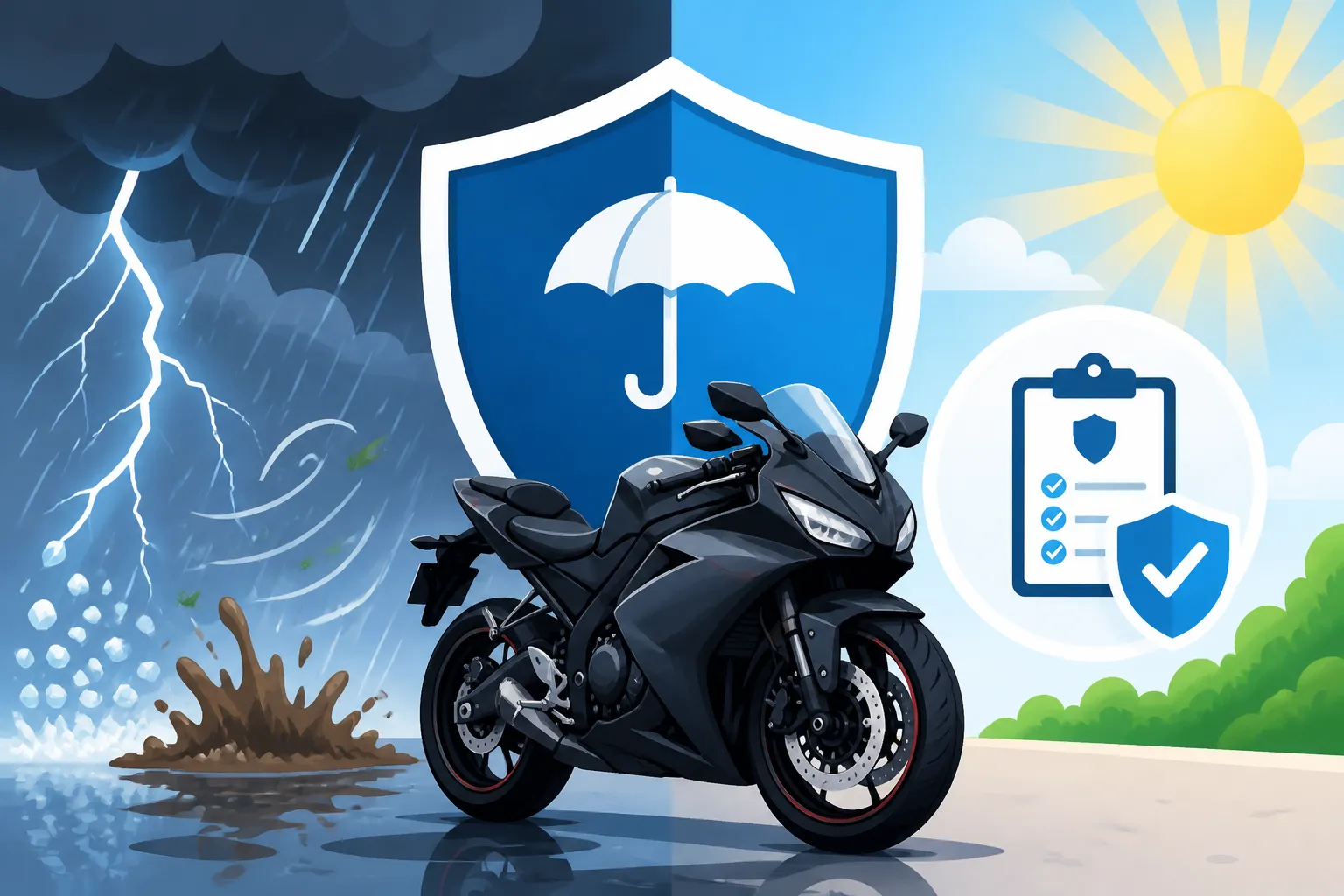
It's a familiar dread for any rider: you're out on the road, the sky suddenly turns ominous, and you realize you might be caught in a downpour, or worse, a full-blown storm. Or maybe you wake up to find your beloved motorcycle has been battered by an overnight hailstorm, or even worse, submerged in unexpected floodwaters. It's in these moments that the real questions hit: Does motorcycle insurance actually cover weather damage? And what kind of protection do you really have against Mother Nature's unpredictable fury? This guide is here to untangle the complexities of motorcycle insurance and explain exactly how it responds when Mother Nature decides to throw a curveball at your ride.
The Role of Comprehensive Coverage in Weather Events
Let's cut right to the chase: when it comes to safeguarding your motorcycle from weather-related perils, your best friend is almost always comprehensive coverage. Unlike liability insurance, which is primarily focused on covering damages you might inflict on others, comprehensive coverage is designed to protect your bike from a whole host of non-collision events. Think of it as your policy's built-in bodyguard against the unpredictable, and that includes a significant chunk of what Mother Nature can dish out.
Understanding Comprehensive Protection
Comprehensive coverage steps in when your motorcycle suffers damage from events that aren't a direct result of a collision with another vehicle or object. This is a huge distinction because many weather incidents fall squarely into this category. For instance, if a tree limb falls on your parked bike during a windstorm, or if a flash flood engulfs your garage, that's where comprehensive coverage typically comes to the rescue. It's not about who was at fault in an accident; it's about external forces beyond your control damaging your property. Without it, you'd be looking at paying for those costly repairs or even a total loss out of your own pocket, and nobody wants that. It's wise to understand the various Types of Motorcycle Insurance Coverage Explained to see how comprehensive fits into the overall picture of protection.
How It Differs from Collision and Liability
It’s easy to get these different coverage types mixed up, especially if you're relatively new to the world of insurance. Collision coverage, as the name suggests, covers damage to your motorcycle resulting from a collision, whether it's with another vehicle, a stationary object like a fence, or even if you lay your bike down. Liability coverage, on the other hand, is all about the damage you cause to other people or their property. If you hit someone else's car, their medical bills, and the damage to their vehicle would be covered by your liability insurance. Weather damage, by its very nature, isn't a collision with another vehicle, nor is it damage you're causing to someone else. That’s why comprehensive coverage is so crucial for these types of claims. It fills a critical gap that neither collision nor liability alone can address, making it the primary coverage to consider for scenarios like a surprise Does Motorcycle Insurance Cover Flood Damage? or strong winds.
Specific Weather-Related Damages and What's Covered
Now, let's dive into some common weather scenarios and how your comprehensive motorcycle insurance typically responds. It’s important to remember that while comprehensive is broad, the specifics can sometimes vary, so always check your policy details or chat with your insurer.
Flood and Water Damage
This is one of the most devastating types of weather damage for a motorcycle owner. Water can wreak absolute havoc on a bike's electrical system, engine, and frame, often leading to a total loss. If your bike is parked in a garage or on the street and is caught in a flood, comprehensive coverage is typically what will help you. This applies whether it's a flash flood, rising river waters, or even a burst pipe in your own home that causes extensive water damage. The key here is that the water damage isn't a direct result of you riding the bike into a flood (which could complicate things depending on your actions). If your bike is deemed a total loss due to flood damage, your insurer would pay out its actual cash value, minus your deductible. This is also where understanding concepts like What Is Total Loss on a Motorcycle? becomes critically important.
Windstorm and Hail Damage
Wind can be surprisingly destructive, especially to a motorcycle. Strong gusts can easily knock a parked bike over, leading to scrapes, dents, and broken mirrors or fairings. If a tree branch falls on your bike during a severe windstorm, causing significant damage to the bodywork, tank, or even the engine, your comprehensive coverage would typically kick in. Similarly, hail can leave a motorcycle looking like a dimpled golf ball. Even small hailstones can dent tanks, damage paint, crack plastic fairings, and shatter headlights or windshields. For these kinds of damages, comprehensive coverage is designed to cover the repair costs, again, minus your deductible. This is also usually the coverage that protects you if Does Comprehensive Cover Motorcycle Vandalism? occurs during a storm, like flying debris hitting your bike.
Fire and Lightning Damage
While lightning strikes are rare, they do happen, and the resulting electrical surge can completely fry a motorcycle's sensitive electronics. Comprehensive coverage almost always includes protection against fire, whether it's from a lightning strike, a garage fire, or even a wildfire encroaching on your property. If your bike catches fire due to an electrical issue caused by lightning, or if your storage shed burns down, comprehensive coverage would cover the damage or the loss of the bike. This is critical for peace of mind, knowing that your investment is protected from such catastrophic events. This also links directly to specific coverage like Does Motorcycle Insurance Cover Fire Damage? which is usually a component of comprehensive.
What Might Not Be Covered by Standard Policies
While comprehensive coverage is robust, it's not a magical shield for every single scenario. There are certain situations or types of damage that might not be covered, or where coverage could be limited, even with a full comprehensive policy. It’s crucial to understand these distinctions to avoid unpleasant surprises down the road.
Wear and Tear and Neglect
Insurance is designed to cover unexpected, sudden incidents, not the inevitable degradation that comes with age and use, or issues arising from a lack of maintenance. If your motorcycle's paint starts peeling due to sun exposure over years, or if rust develops because it was stored improperly, that's generally considered wear and tear or neglect, and your comprehensive policy won't cover the repairs. Similarly, if your engine seizes because you didn't check the oil, that’s a maintenance issue, not a weather event. Insurers expect you to maintain your vehicle, and damages resulting from a failure to do so are typically excluded. This is a common point of confusion, as riders might sometimes hope insurance could cover "old age" issues, but that's not its purpose.
Damage from Riding into Hazardous Conditions
Here's where things can get a bit murky. If you knowingly ride your motorcycle into a dangerous situation, like attempting to cross a heavily flooded road against warnings, and your bike gets damaged or totaled, your insurance company might argue that your actions contributed to the damage. While comprehensive coverage covers acts of nature, intentionally putting your bike at undue risk can lead to a denial of claims. Insurers could view this as gross negligence. Always use good judgment when riding, especially in adverse weather. If conditions are too severe, it's always safer to pull over and wait it out, or better yet, stay home. Common sense and rider safety often go hand-in-hand with valid insurance claims.
Exclusions and Limitations in Policy Language
Every insurance policy has its fine print, and it's absolutely vital to read yours thoroughly. Some policies might have specific exclusions related to certain types of natural disasters if you live in a high-risk area (e.g., specific flood zones or hurricane-prone coasts, where you might need separate flood insurance for your home, though often comprehensive covers vehicles). Certain geographical limitations might also apply if you regularly ride outside of specified regions. Moreover, if your motorcycle has extensive customizations or aftermarket parts, standard comprehensive coverage might only cover the factory-installed components. To protect those shiny chrome additions or performance upgrades, you'd typically need to purchase additional Accessories & Custom Parts Coverage Explained. This is especially important for Harley-Davidson riders or those with highly modified sport bikes, where the value of customizations can easily exceed the base bike's value. Comparing quotes from various providers like Progressive or The Zebra can help you find policies that offer robust add-ons for custom parts.
Preparing Your Bike and Policy for the Elements
Being proactive is key to protecting your motorcycle from weather damage and ensuring your insurance policy is ready when you need it. A little foresight can save you a lot of heartache and expense down the road.
Proper Storage and Maintenance
One of the easiest ways to mitigate weather damage is through proper storage. During severe weather warnings, move your bike to a secure, covered location like a garage, shed, or even an underground parking facility if available. Avoid parking under trees where branches could fall, or in low-lying areas prone to flooding. For winter or long-term storage, consider a Seasonal Lay-Up & Winter Storage Insurance policy or discussing storage options with your current insurer. Even a simple, breathable motorcycle cover can offer a surprising amount of protection against dust, UV rays, and light rain. Regular maintenance also plays a role. Ensuring seals are in good condition, fluids are at proper levels, and the battery is charged can help your bike better withstand adverse conditions, and also prevent problems that insurers might deem as neglect.
Reviewing Your Coverage Limits and Deductibles
It's not enough to just have comprehensive coverage; you need to ensure the limits are adequate and your deductible is manageable. Your coverage limit is the maximum amount your insurer will pay out for a claim. If your motorcycle is heavily customized, or if it's a newer, more expensive model, you'll want to make sure your limits reflect its current value. Otherwise, in the event of a total loss, you could find yourself significantly underinsured.
Your deductible is the amount you pay out of pocket before your insurance kicks in. A higher deductible usually means a lower premium, but it also means you'll pay more upfront if you need to file a claim. Consider what you could comfortably afford if disaster struck. If you have an older, less valuable bike, you might ask yourself, Do You Need Comprehensive on an Old Motorcycle? and weigh the cost of the premium against the bike's actual cash value and your deductible. Regular reviews of your policy, perhaps annually, are a good habit to ensure your coverage aligns with your bike's value and your financial situation. You can often get a feel for how these factors impact your monthly costs when looking into How Much Is Motorcycle Insurance? 2026 Cost Guide.
| Weather Event Type | Common Damage Examples | Typically Covered By | Notes/Considerations |
|---|---|---|---|
| Flood/Standing Water | Engine hydrolock, electrical system failure, rust, frame damage | Comprehensive | If rider intentionally drove into flood, claim may be denied. |
| Windstorm | Bike blown over, fairing damage, broken mirrors, debris impact | Comprehensive | Ensure bike is securely parked or stored during high winds. |
| Hail | Dents on tank/fenders, cracked plastics/windshield, broken lights | Comprehensive | Damages are often numerous; total loss possible for severe hail. |
| Lightning | Electrical system failure, fire | Comprehensive | Direct strike or fire caused by lightning. |
| Falling Objects | Tree branches, signs, poles falling onto bike | Comprehensive | This is often a result of high winds or storms. |
| Ice/Snow | Damage from collapsing structures (e.g., carport), severe cold causing cracks | Comprehensive | Damage needs to be sudden and accidental, not gradual. |
Filing a Claim for Weather Damage
No one ever wants to file a claim, but if the unexpected happens, knowing the right steps can make the process much smoother and less stressful. The process for a weather-related claim is slightly different than for a collision, but it still requires prompt and thorough action.
Immediate Steps After Discovering Damage
The first thing to do, after ensuring your own safety, is to document everything. Take clear, well-lit photos and videos of the damage from multiple angles, showing the overall scene and close-ups of specific damaged areas. Note the date and time you discovered the damage, and if possible, the specific weather event that caused it (e.g., "Hurricane Laura," "June 15th hailstorm"). Do not attempt any major repairs before speaking with your insurance company, as this could complicate the claims process. Make sure your motorcycle is in a safe location to prevent further damage or theft. If there's a risk of further damage (e.g., exposed electrical components), take minimal steps to secure it, but save the significant repairs for after the adjuster has seen it. You'll want to reach out to your insurer as soon as reasonably possible. Knowing What to Do After a Motorcycle Accident Insurance Steps gives you a good framework, even for non-collision events.
The Claims Process for Weather-Related Incidents
Once you've gathered your initial documentation, contact your insurance provider directly. You can typically do this through their website, a mobile app, or by calling their claims department. When you initiate the claim, clearly state that the damage is weather-related and specify the type of weather event (e.g., "flood damage," "hail damage," "windstorm damage").
Your insurer will assign a claims adjuster who will evaluate the damage. This might involve an in-person inspection or, for minor damage, they might ask for additional photos or video. Be prepared to provide all the documentation you collected earlier. The adjuster will determine the extent of the damage, estimate the cost of repairs, and ascertain if the bike is a total loss. They will then provide you with a settlement offer, minus your deductible. This process can sometimes take a little time, especially after widespread natural disasters when many people are filing claims simultaneously. It's a similar process to How to File a Motorcycle Insurance Claim for any type of incident.
What to Expect from the Insurance Adjuster
When the insurance adjuster comes to inspect your motorcycle, they're looking to understand the full scope of the damage and confirm that it aligns with your claim. Be honest and cooperative, but also be prepared to advocate for your bike if necessary. If you have records of recent maintenance, photographs of your bike before the damage, or receipts for any custom parts (if you have custom parts coverage), have them ready. The adjuster will meticulously inspect the damage, often taking their own photos and notes. They'll assess the repair costs and, if the repair cost exceeds a certain percentage of the bike's actual cash value (the "total loss threshold," which varies by state and insurer), they may declare it a total loss. Don't be afraid to ask questions about their assessment or how they arrived at their repair estimate. Understanding the nuances of What Is Actual Cash Value on a Motorcycle? is helpful here.
Key Takeaways and Smart Choices
Navigating the world of motorcycle insurance, especially when it comes to the unpredictable forces of nature, can feel a bit overwhelming. But armed with the right information, you can make smart choices that protect your ride and your wallet.
The Indispensable Value of Comprehensive Coverage
If there’s one message you take away from all of this, it’s the importance of comprehensive coverage. For many riders, especially those who cherish their bikes and view them as more than just transportation, comprehensive insurance is absolutely non-negotiable. It's the primary line of defense against almost all non-collision damages, including the various forms of weather damage we've discussed. While Liability Coverage for Motorcycles Explained is usually the minimum required by law, comprehensive is what truly safeguards your investment from theft, vandalism, and the wrath of Mother Nature. Don't just settle for the bare minimum; invest in the protection your motorcycle deserves.
Shopping Around for the Right Policy
Not all comprehensive policies are created equal, and premiums can vary significantly between providers. This is where shopping around becomes your best strategy. Don't just stick with the first quote you get; take the time to compare policies from multiple reputable insurers. Online comparison tools, like those offered by The Zebra, can be incredibly helpful for this, allowing you to see side-by-side comparisons of coverage options and prices. Look beyond just the bottom line; consider the insurer's reputation for handling claims, their customer service, and any specific add-ons that might be valuable to you, such as roadside assistance or custom parts coverage. A slightly higher premium for an insurer known for excellent claims handling can be well worth it when you're in a stressful situation. It’s also good to consider factors like What Affects Your Motorcycle Insurance Rate and how you can potentially lower your premiums.
Regularly Reassessing Your Insurance Needs
Life changes, and so do your insurance needs. Did you get a new, more expensive motorcycle? Did you add a bunch of custom parts? Have you moved to a different region with different weather risks? All of these factors should prompt a review of your motorcycle insurance policy. What might have been adequate coverage two years ago might leave you dangerously underinsured today. I highly recommend doing a yearly check-in with your insurance agent or logging into your online portal to review your policy details. This ensures your coverage continues to match your current bike, riding habits, and financial situation. It’s also a good time to ask about new discounts or bundling opportunities that might help you get How to Get Cheap Motorcycle Insurance without sacrificing essential protection.
Remember, your motorcycle is more than just a machine; it's a source of freedom and joy. Protecting it from the unexpected, especially the unpredictable whims of weather, is a crucial part of responsible ownership. Stay safe out there, and ride smart!
Disclaimer
Please remember that insurance policies can vary greatly depending on the provider, your specific policy details, and state laws. This guide provides general information and recommendations. Always consult your personal insurance policy documents or speak directly with your insurance agent or provider for the most accurate and up-to-date information regarding your coverage.