What Is Medical Payments (MedPay) for Riders?
Riding a motorcycle comes with an undeniable sense of freedom, but it also carries unique risks. One of the biggest worries for any rider, beyond the joy of the open road, is the thought of an accident and the massive medical bills that can follow. This guide will meticulously break down Medical Payments (MedPay) coverage for motorcyclists, explaining exactly what it is, why it's a critical component of your protection, and how it can be a true lifesaeline when you need it most.
Understanding Medical Payments MedPay Coverage
Navigating the world of motorcycle insurance can feel like trying to read a foreign language sometimes, and "Medical Payments" or "MedPay" is one of those terms that often gets glazed over. But for motorcyclists, understanding this specific type of coverage is absolutely crucial. Unlike some other parts of your policy that focus on damage to your bike or the other guy's property, MedPay is all about taking care of you and your passengers when medical bills start piling up after an accident, regardless of who was at fault. It's a layer of protection that often surprises riders with its immediate and broad benefits.
What MedPay Actually Covers for Motorcyclists
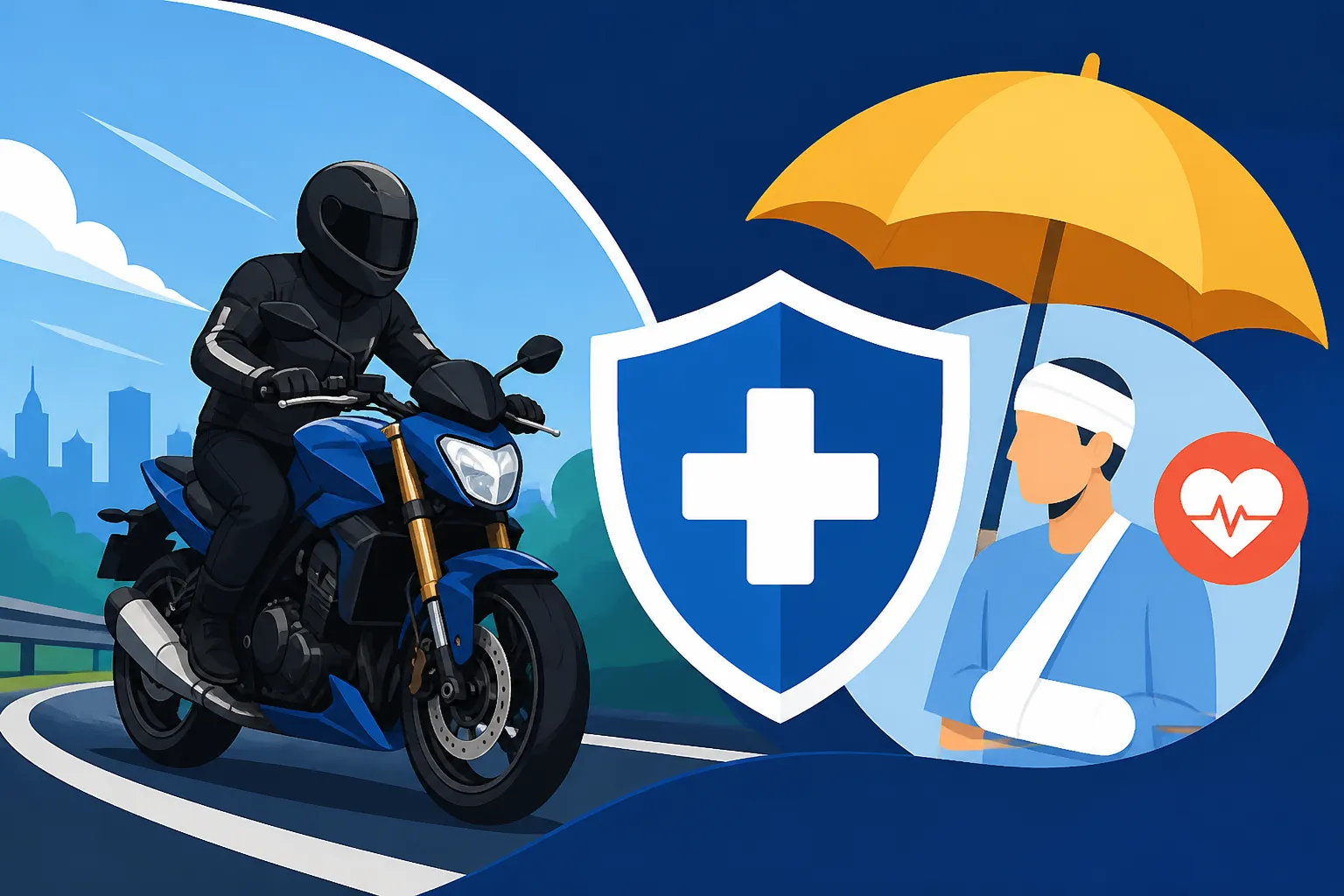
When you're out on two wheels, even a minor spill can lead to significant injuries, from road rash and sprains to broken bones or worse. That's where MedPay steps in. It's designed to cover reasonable and necessary medical and funeral expenses for you and any passengers injured in a motorcycle accident. This isn't just about hospital stays; it can extend to a whole host of related costs. Think about the ambulance ride that can cost hundreds, if not thousands, of dollars, or the emergency room visit for initial assessments. MedPay is there for those immediate, often unexpected, costs.
Beyond the initial emergency, MedPay can also help with ongoing treatment. This includes doctor visits, X-rays, physical therapy sessions to get you back on your feet, dental care if your teeth are impacted, and even prosthetic devices if the worst happens. It's a comprehensive approach to medical expenses, providing financial relief directly to you or the medical providers. The beauty of it is that it pays out quickly, regardless of who caused the accident, which can be a huge stress reliever when you're dealing with pain and recovery. For a broader look at protective options, you might want to explore the different types of motorcycle insurance coverage explained.
How MedPay Differs from Other Medical Coverages
It's easy to confuse MedPay with other types of insurance, especially if you also have health insurance or live in a "no-fault" state with Personal Injury Protection (PIP). But MedPay has its own distinct role. Unlike standard health insurance, MedPay typically has no deductible, and it often covers a wider range of accident-related services that health insurance might limit or deny. For example, some health insurance policies might have exclusions for injuries sustained in motorcycle accidents, or they might not cover things like an ambulance ride at 100%. MedPay steps in without those hurdles.
Furthermore, MedPay is different from the medical coverage you might get through liability insurance. Your liability coverage is there to pay for injuries you cause to other people in an accident. It doesn't typically cover your own medical bills or those of your passenger. In states with no-fault insurance, PIP also covers your medical expenses regardless of fault, but PIP isn't universally available for motorcycles in all no-fault states, and its limits and coverage scope can vary. MedPay provides an additional layer, often complementing your health insurance and acting as primary coverage for smaller bills or filling gaps when your health insurance has high deductibles or co-pays. When you're trying to figure out what coverage you actually need for your motorcycle, understanding these nuances is key.
The Real-World Benefits of MedPay for Riders
It's one thing to understand the technical definition of MedPay, but it's another to grasp how incredibly valuable it can be when you're actually faced with the aftermath of a motorcycle accident. Riders, more than anyone, know that even the most careful among us can't control every variable on the road. When the unexpected happens, having MedPay isn't just a policy number; it's a lifeline that can alleviate immense financial strain and allow you to focus on healing.
Bridging Gaps in Health Insurance
Let's be real: health insurance, while vital, isn't always a silver bullet, especially for motorcycle-related injuries. Many health plans come with high deductibles that you have to pay out of pocket before your coverage even kicks in. Imagine a scenario where you're involved in a low-speed tip-over that results in a fractured wrist and some nasty road rash. You're looking at an emergency room visit, X-rays, specialist consultations, and potentially weeks of physical therapy. Your health insurance deductible might be $2,500, and you're suddenly on the hook for all of that until you meet it.
This is precisely where MedPay shines. With a MedPay policy, your medical bills are covered up to your chosen limit, often without a deductible. So, in that fractured wrist scenario, your MedPay could immediately cover the ambulance, ER visit, and initial doctor's fees, helping you meet that health insurance deductible or covering the costs entirely if they're below your MedPay limit. It effectively bridges the gap between the immediate costs of an accident and when your broader health insurance starts to fully contribute. It’s like having an emergency medical fund specifically for accident-related injuries, helping you manage those immediate out-of-pocket expenses.
Immediate Payouts for Critical Care
Time is often of the essence after a serious motorcycle accident. You need medical attention, and you need it fast, without worrying about upfront costs or insurance approvals. One of the most significant advantages of MedPay is its prompt payout structure. Because it's a "no-fault" coverage, meaning it pays regardless of who caused the accident, the claims process for MedPay is typically much faster than waiting for liability investigations to conclude. You don't have to wait for the other driver's insurance to admit fault or for lengthy legal battles.
This immediate access to funds can be crucial for getting critical care without delay. For instance, if you're transported via air ambulance after a severe accident, the bill for that alone can be staggering. MedPay can often pay directly to the service provider, or reimburse you quickly, ensuring that financial barriers don't stand in the way of necessary treatment. This peace of mind allows you and your family to focus solely on your recovery, rather than battling insurance companies or stressing over impending medical debt. It's a safety net that catches you right when you fall.
Common Misconceptions and Clarifications About MedPay
It's common for riders to have questions about MedPay, often confusing it with other types of coverage or misunderstanding its specific applications. Let's clear up some of those prevalent misconceptions to give you a crystal-clear picture of what MedPay is and isn't, so you can make informed decisions about your motorcycle insurance. Understanding these nuances can save you a lot of headache and heartache down the road.
MedPay vs. Health Insurance Deductibles
One of the biggest areas of confusion revolves around how MedPay interacts with your existing health insurance, particularly regarding deductibles. Many riders assume that if they have robust health insurance, MedPay is redundant. This couldn't be further from the truth. As we touched on, health insurance policies often have significant deductibles – sometimes thousands of dollars – that you must pay entirely out-of-pocket before your health plan even begins to cover expenses. For an unexpected motorcycle accident, these immediate costs can be a huge financial burden.
MedPay, however, usually kicks in without a deductible. This means that for medical bills incurred due to a motorcycle accident, MedPay can pay directly, up to your chosen limit, from the very first dollar. This can be incredibly powerful for covering those initial emergency room visits, ambulance fees, and immediate follow-up care that would otherwise fall squarely within your health insurance deductible. Essentially, MedPay acts as a first responder for your wallet, covering those immediate costs and often reducing or eliminating the need to tap into your health insurance deductible for accident-related care. It’s a layer of protection that many riders find invaluable, especially if their health insurance has a high deductible.
Who is Covered Under a MedPay Policy?
Another common misconception is about who exactly is protected by MedPay. Riders often wonder if it's just for them, or if it extends to others. A motorcycle MedPay policy typically covers the named insured (you, the policyholder) and any passengers who are injured while riding your motorcycle, regardless of who was at fault in the accident. This "no-fault" aspect is key; it means you don't have to wait for an investigation to determine fault before medical bills are addressed.
Let's imagine you're cruising through the scenic routes of the Pacific Northwest with a friend riding pillion, and you hit some unexpected gravel, causing a minor accident where both of you sustain injuries. Even though you were operating the bike, your MedPay coverage would typically extend to both your injuries and your passenger's injuries, up to the policy limits. This is a critical distinction that offers peace of mind when you have a loved one riding with you. Some policies might even extend to injuries sustained as a pedestrian or bicyclist if hit by a motor vehicle, though this can vary by insurer and specific policy terms. It’s always best to review your policy details or discuss with your insurer, like a representative from The Zebra, to understand the exact scope of coverage.
Deciding if MedPay is Right for Your Riding Style
Every rider is unique, with different bikes, riding habits, financial situations, and risk tolerances. What might be essential coverage for one person could be less of a priority for another. When it comes to Medical Payments (MedPay), it’s not a one-size-fits-all solution. Taking a moment to consider your personal circumstances and how you use your motorcycle can help you determine if adding or increasing MedPay limits is a smart move for your overall financial and physical well-being. After all, protecting yourself should always be a top priority.
Factors to Consider When Choosing MedPay Limits
Selecting the right MedPay limits involves a bit of self-reflection and a look at your broader financial picture. While it's generally an affordable addition to most policies, the specific amount you choose can make a significant difference in the event of an accident. Start by thinking about your current health insurance. Does it have a high deductible? If you've got a plan with a $5,000 deductible, a MedPay limit of $5,000 or $10,000 could be incredibly valuable to cover those initial costs without hitting your wallet hard. If your health insurance has a low deductible or fantastic coverage, you might consider a lower MedPay limit as more of a supplemental layer.
Next, consider your riding habits and the typical routes you take. Do you mostly stick to short, low-speed commutes, or do you embark on long-distance tours on highways with higher speeds and more potential for severe accidents? The higher the potential for serious injury, the more you might want to consider robust MedPay limits. Also, do you often ride with a passenger? Remember, MedPay covers both you and your passengers, so if you frequently carry a co-rider, higher limits would offer better protection for them as well. Ultimately, think about the maximum out-of-pocket medical expense you could comfortably afford if an accident occurred, and aim for a MedPay limit that cushions you against that. For more on what coverage you actually need, you might find this guide on what motorcycle coverage do you actually need useful.
When MedPay Might Not Be Your Top Priority
While MedPay offers significant advantages, there are scenarios where it might not be the absolute top priority, or where lower limits might suffice. For instance, if you have exceptionally comprehensive health insurance with a very low deductible and robust coverage for accident-related injuries, you might feel less urgent about maxing out your MedPay. Some employer-sponsored health plans, particularly those with excellent benefits, can already provide strong medical protection. However, even with great health insurance, remember that MedPay can offer faster payouts and cover some incidentals your health plan might not.
Another consideration is if you primarily ride in a "no-fault" state where your motorcycle insurance legally must include Personal Injury Protection (PIP) that covers your medical expenses regardless of fault. In such cases, PIP often serves a similar function to MedPay, providing immediate medical coverage. However, PIP rules vary greatly by state, and sometimes MedPay can offer a supplemental layer or cover different specific expenses. Always understand the nuances of your state's requirements, like those detailed in a guide about motorcycle insurance requirements by state. Even then, many riders still opt for MedPay as a supplementary layer, acknowledging that in an accident, too much medical coverage is rarely the problem.
How MedPay Claims Work and What to Expect
No one wants to think about making an insurance claim, especially for medical expenses after an accident. It’s a stressful time, filled with pain, recovery, and often, confusion. However, understanding how Medical Payments (MedPay) claims work can significantly ease that burden, allowing you to focus on getting better rather than battling bureaucracy. MedPay is designed to be relatively straightforward, but knowing the process and what to expect can make all the difference when you're at your most vulnerable.
Step-by-Step: Filing a MedPay Claim
If you find yourself in the unfortunate position of needing to use your MedPay coverage, the process generally starts right after the accident. First and foremost, ensure your safety and seek any necessary medical attention. Once you're stable, you'll need to notify your insurance company as soon as reasonably possible. This is usually done by calling their claims department or filing a report online. You'll explain what happened, and they'll likely open a claim file. For a comprehensive guide, check out how to file a motorcycle insurance claim.
Next, you'll gather and submit your medical bills. This includes everything from ambulance reports and emergency room invoices to doctor's statements, prescription receipts, and physical therapy bills. Your insurer will typically ask for these directly from you or, with your authorization, can obtain them from your healthcare providers. Once received and reviewed, the insurance company will process the payments directly to the medical providers or reimburse you, depending on how the bills were paid. The great thing about MedPay is that because it's a no-fault coverage, the approval process is generally quicker than liability claims, as there's no need to determine who caused the accident before benefits are paid.
Navigating Multiple Medical Coverages
One common scenario that can cause confusion is when you have multiple forms of medical coverage, such as MedPay, your personal health insurance, and perhaps even coverage from the at-fault driver's liability policy (if applicable). Understanding which one pays first, or how they coordinate, is crucial. Generally, MedPay is often considered "primary" coverage for smaller, immediate bills and can pay out quickly. It helps to cover those initial costs or to chip away at a high health insurance deductible.
After MedPay limits are exhausted or for larger, ongoing medical expenses, your personal health insurance typically becomes the next payer. This is where your health insurance deductible and co-pays would come into play. If the accident was caused by another driver, their liability insurance would eventually come into play to cover your medical expenses (beyond what your MedPay or health insurance has already paid), lost wages, and pain and suffering. This coordination of benefits can be complex, and some insurers, such as Progressive or The Zebra, have specialists who can help you understand the order of payments. Keeping detailed records of all your medical expenses and communications with each insurer is vital to ensure you receive all the benefits you're entitled to.
Finding and Customizing MedPay for Your Needs
Getting the right motorcycle insurance isn't just about meeting state minimums; it's about crafting a shield that truly protects you and your unique riding lifestyle. Medical Payments (MedPay) coverage is a prime example of an add-on that offers substantial peace of mind and financial security. It’s not just about getting some MedPay, but about getting the right amount and understanding how to optimize it within your overall insurance portfolio.
Comparing MedPay Options Across Insurers
The availability and specifics of MedPay can vary between insurance providers, so it’s always a good idea to shop around and compare. While most major motorcycle insurers like Progressive, Geico, Dairyland, and Markel offer MedPay, the available coverage limits, pricing, and specific terms might differ. One company might offer a broader range of limits, from $1,000 to $25,000, while another might cap it lower. Always ask about the maximum limits available, even if you initially think you'll only need a smaller amount.
When you're getting quotes, don't just look at the bottom-line premium. Dive into the details of the MedPay offering. Are there any unique exclusions? How does their claims process for MedPay typically work? Websites like The Zebra can be a great resource for comparing multiple quotes and seeing how different insurers price their MedPay options side-by-side. Remember, a slightly higher premium for robust MedPay could save you tens of thousands in out-of-pocket medical expenses down the line, making it a wise investment for many riders. When you're comparing motorcycle insurance quotes, make sure MedPay is a clear line item in your comparison.
Boosting Your Overall Medical Protection
MedPay doesn't exist in a vacuum; it's one piece of your comprehensive medical safety net. To truly boost your overall medical protection as a rider, you need to consider how MedPay works in conjunction with your health insurance, Uninsured/Underinsured Motorist (UM/UIM) coverage, and potentially even Personal Injury Protection (PIP) if available in your state. Thinking strategically about these layers ensures you're covered from multiple angles.
For example, if you opt for a solid MedPay limit, say $10,000, and pair it with strong UM/UIM Bodily Injury coverage, you've created a formidable defense. MedPay will handle your immediate medical bills regardless of fault, and if you're hit by an uninsured or underinsured driver, your UM/UIM bodily injury coverage will step in to cover your medical costs beyond your MedPay limits, lost wages, and even pain and suffering. This layered approach provides maximum security. It's about building a robust fortress around your health and finances, ensuring that even the most severe accidents don't derail your life.
| Feature | Medical Payments (MedPay) | Personal Health Insurance | Personal Injury Protection (PIP) |
|---|---|---|---|
| Purpose | Covers medical/funeral expenses for you/passengers after accident. | Covers medical care (accident or illness) | Covers medical/rehab/lost wages for you/passengers (no-fault states). |
| No-Fault | Yes | N/A (based on medical need, not fault) | Yes |
| Deductible | Typically none | Often has high deductibles | Can have a deductible |
| Covers Lost Wages | No | No | Yes (in states where offered) |
| Covers Funeral Costs | Yes | No | Yes (in states where offered) |
| Primary/Secondary | Often primary for accident-related bills | Usually secondary to MedPay/PIP for accidents | Often primary (in no-fault states) |
| Availability | Widely available as an add-on to motorcycle insurance | Standard separate policy | Only available in "no-fault" states, may not always apply to motorcycles |
| Payer | Motorcycle insurance company | Health insurance company | Auto/Motorcycle insurance company |
Disclaimer
Please remember that this article is intended for informational purposes only and should not be considered legal or financial advice. Motorcycle insurance laws and coverage options can vary significantly by state and individual circumstances. It is always recommended to consult with a licensed insurance professional to discuss your specific needs and obtain personalized advice.