Progressive vs Geico for Motorcycle Insurance
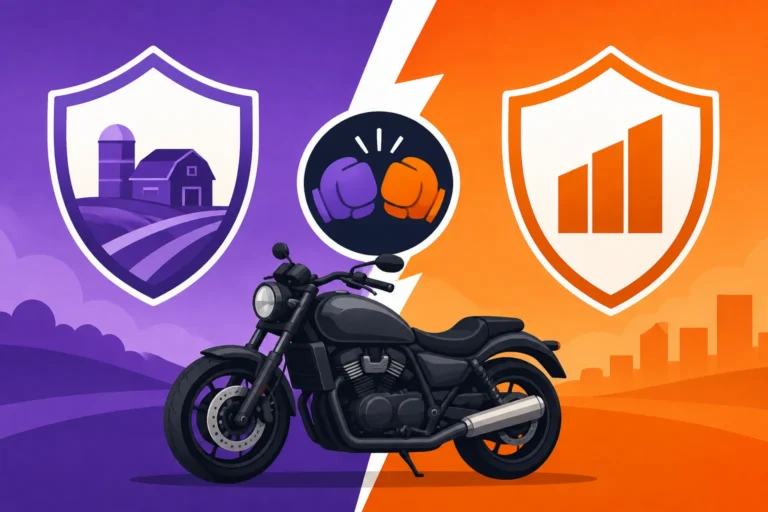
Choosing motorcycle insurance can feel like navigating a maze, especially when you're caught between two giants like Progressive and Geico. Many riders get frustrated trying to figure out which one truly offers the best balance of coverage, cost, and customer experience without getting lost in endless quotes and confusing jargon. This comprehensive guide is here to cut through the noise, breaking down what each insurer brings to the table specifically for motorcyclists, so you can confidently pick the policy that fits your ride and your wallet.
Understanding Progressive Motorcycle Insurance
Progressive is a household name in the insurance world, and they’ve certainly made their mark in the motorcycle insurance arena. They're often one of the first names that comes to mind when you start shopping around, and for good reason. They've invested heavily in marketing their motorcycle-specific offerings, aiming to show riders they understand their unique needs.
Progressive's Coverage Options and Strengths
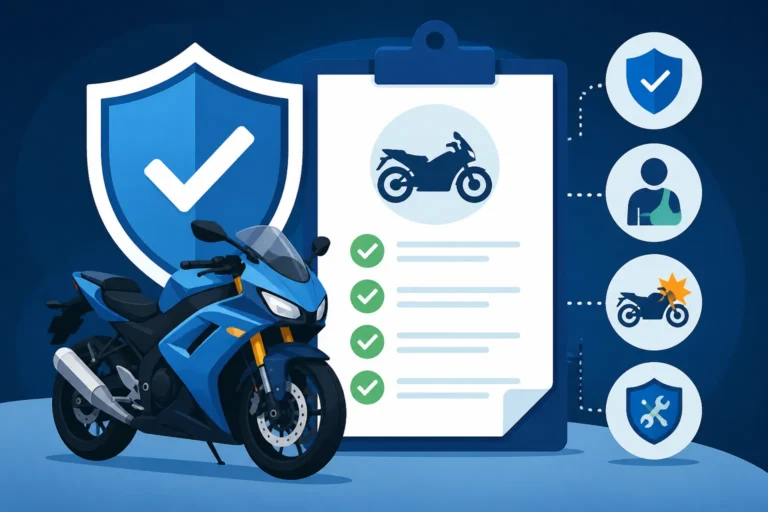
When you look at Progressive's motorcycle insurance, you'll find a robust suite of coverage options that go beyond the basic legal requirements. They understand that a motorcycle isn't just a vehicle; it's often a passion project, a custom build, or a significant investment. Their core offerings include the essentials like Liability Coverage for Motorcycles Explained for bodily injury and property damage, which pays for damages you cause to others in an accident. Beyond that, they offer comprehensive and collision coverage, which are vital for protecting your own bike. Collision covers damage from an accident, regardless of fault, while comprehensive handles non-collision incidents like theft, vandalism, fire, or hitting an animal.
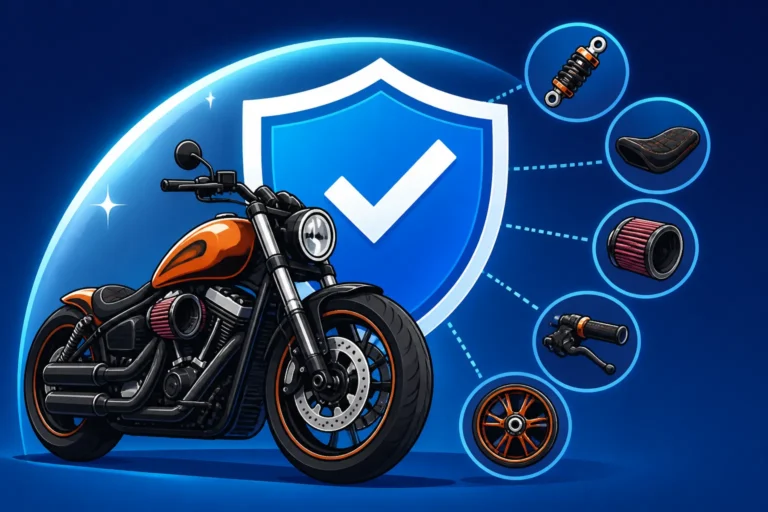
One of Progressive's notable strengths is its focus on specialized coverages that cater to motorcyclists. They offer excellent coverage for custom parts and accessories, which is a huge deal for riders who pour their heart (and a lot of money) into personalizing their bikes. Think chrome accents, aftermarket exhausts, custom paint jobs, or upgraded suspension – these aren't always covered adequately by basic policies. Progressive also provides roadside assistance and trip interruption coverage, which can be invaluable when you're stranded far from home. Their original equipment manufacturer (OEM) parts coverage is another perk, ensuring that if your bike needs repairs, it gets original factory parts rather than aftermarket equivalents, preserving its value and performance.
Potential Drawbacks and Considerations with Progressive
While Progressive has a lot going for it, it's not a one-size-fits-all solution. Some riders might find their pricing to be higher, especially if they don't qualify for many discounts or if they live in an area with higher claim rates. The actual cost of coverage, like How Much Is Motorcycle Insurance? 2026 Cost Guide, can vary wildly depending on your age, riding experience, bike type (sport bikes, for instance, often cost more), and even your credit score.
Another consideration can be the customer service experience. While many riders report positive experiences, others occasionally mention that interactions can feel less personal compared to smaller, specialized insurers. It's a large company, and sometimes that means a more standardized approach. For those who prefer a dedicated agent they can build a long-term relationship with, Progressive's model, which often relies on direct online sales or call centers, might feel less ideal. Also, while their custom parts coverage is good, it's essential to understand the limits and ensure they align with the true value of your modifications, as some exceptionally high-value custom work might require an even more specialized policy.
Diving into Geico Motorcycle Insurance
Geico, famous for its gecko mascot and catchy slogans, is another major player that offers motorcycle insurance. Known for its competitive rates and strong digital presence, Geico appeals to a broad demographic, including many budget-conscious riders.
Geico's Coverage Offerings and Advantages
Geico provides a solid foundation of motorcycle insurance coverages, mirroring many of Progressive’s standard offerings. You’ll find liability coverage, comprehensive, and collision to protect against the unexpected. They also offer important add-ons such as uninsured/underinsured motorist (UM/UIM) coverage, which is crucial because, let's face it, not everyone on the road carries enough, or any, insurance. Read more about Uninsured & Underinsured Motorist Coverage UM/UIM to understand its importance. Medical payments coverage, or MedPay, is another offering that can help with your medical bills regardless of fault, a significant benefit for riders given the inherent risks.
One of Geico's major advantages often lies in its pricing. They are frequently cited as one of the most affordable options, especially for riders with clean records and good driving histories. Their online quoting system is incredibly user-friendly, making it easy to get a quick estimate and even purchase a policy entirely online. For those who value convenience and a streamlined digital experience, Geico can be a strong contender. They also offer a variety of discounts, including multi-vehicle discounts, motorcycle safety course discounts, and discounts for members of certain organizations, including military personnel, which is a big draw for many.
What Riders Might Find Less Appealing about Geico
While Geico’s competitive pricing and digital efficiency are attractive, there are some aspects that might not suit every rider. Historically, Geico has been more known for its auto insurance, and while their motorcycle offerings are comprehensive, some riders feel that the depth of specialization for unique bikes or highly customized machines isn't quite as pronounced as with some dedicated motorcycle insurers. For instance, while they offer accessory coverage, riders with extremely high-value custom work might need to double-check their limits and specific policy details carefully.
Another point of consideration can be the customer service structure. Similar to Progressive, Geico primarily operates through direct sales online and over the phone. While this can be efficient, some riders miss the personalized touch of a local agent who knows their name and understands their specific riding lifestyle. If you prefer in-person interactions or a more hands-on approach to managing your policy, you might find Geico's model less appealing. Additionally, while their general discounts are great, riders with niche needs or specific high-performance bikes might find that the tailored discounts and unique coverage options offered by some competitors might be a better fit, even if the base premium is slightly higher.
Head-to-Head Comparison: Progressive vs Geico
When you're trying to decide between two strong contenders like Progressive and Geico, it really boils down to how their strengths and weaknesses align with your individual priorities as a rider. They both offer solid insurance products, but their emphasis and typical customer experiences can differ.
Coverage Similarities and Key Differences
Both Progressive and Geico offer the foundational motorcycle insurance coverages that every rider needs to be legal and protected. We’re talking about liability, collision, comprehensive, and usually options for UM/UIM and medical payments. Where they start to diverge, however, is often in the nuances of their specialty coverages and how they're structured.
Progressive tends to shine when it comes to custom parts and accessories. They've built a strong reputation for offering generous default limits for custom parts (often starting at a few thousand dollars and easily increasing), understanding that riders pour significant money into their bikes. They also emphasize OEM parts coverage, ensuring your bike gets original manufacturer components in a repair. Geico does offer accessory coverage, but the default limits might be lower, requiring you to actively seek out and pay for higher limits if you have extensive modifications.
When it comes to roadside assistance, both offer it, but the specifics of towing distance, battery jump-starts, or fuel delivery can vary slightly. For instance, Progressive often promotes its network and quick response times, while Geico integrates it seamlessly into its mobile app experience. Riders looking for additional perks like Trip Interruption Coverage for Motorcycles might find similar options with both, but the precise terms and payout limits are worth comparing.
Here's a quick comparison table to give you a snapshot:
| Feature/Coverage | Progressive | Geico |
|---|---|---|
| Liability Coverage | Standard, comprehensive options | Standard, comprehensive options |
| Comprehensive/Collision | Yes, with various deductible choices | Yes, with various deductible choices |
| Custom Parts/Accessories | Strong offering, often higher default limits | Available, potentially lower default limits |
| OEM Parts Coverage | Yes, often promoted as a key benefit | May be available as an add-on, less emphasized |
| Roadside Assistance | Robust, often included or easily added | Available, integrated with digital tools |
| Uninsured/Underinsured | Yes, highly recommended | Yes, highly recommended |
| Medical Payments | Available | Available |
| Bundling Discounts | Significant, strong focus on multi-policy | Significant, strong focus on multi-policy |
| Online Experience | User-friendly, good for quotes | Highly streamlined, excellent digital tools |
| Agent Access | Primarily direct/call centers | Primarily direct/call centers |
Pricing, Discounts, and Customer Service Showdown
The bottom line for many riders is cost, and this is where the comparison really heats up. There's no single answer to "which is cheaper?" because Average Motorcycle Insurance Cost by State varies immensely, as do personal factors like your riding history, zip code, type of bike, and chosen coverage limits. However, broadly speaking, Geico has historically been known for its aggressive pricing and often comes in slightly lower for basic liability or standard coverage, especially for riders with a clean record. They really lean into the budget-friendly angle.
Progressive, while competitive, might sometimes be slightly higher on initial quotes, but their extensive list of discounts can quickly bring the price down. Discounts like multi-policy (bundling your motorcycle with auto or home insurance), responsible driver, safety course completion (like MSF courses, which can lead to significant savings), and even paid-in-full discounts can make a substantial difference. Both offer a variety of discounts; it’s about which ones you qualify for and which company offers a better combined rate. This is where tools from comparison sites like The Zebra can really help you see side-by-side quotes tailored to your specific profile, revealing which insurer truly offers the best deal for you.
When it comes to customer service, it's often a mixed bag with any large insurer, and both Progressive and Geico are no exception. Riders often report positive experiences with claim resolution and general inquiries. However, the sheer volume of their customer base means that individual experiences can vary. Progressive has invested in making its claims process straightforward, often allowing you to track your claim online. Geico is also highly praised for its digital tools, including its mobile app, which allows you to manage policies, access ID cards, and even file claims on the go. If you're a "set it and forget it" kind of person who prefers digital interaction, Geico might edge out slightly. If you prefer the comfort of knowing there's a wider range of specialty options, and slightly more robust custom coverage baked in, Progressive could be your pick.
Who Wins for Which Rider? Making Your Choice
Ultimately, deciding between Progressive and Geico isn't about one being objectively "better" in every single scenario. It's about finding the best fit for your unique riding style, your motorcycle, your budget, and your preferences for how you interact with an insurance company. Both are reputable and reliable choices, but they cater to slightly different needs and priorities.
When Progressive Might Be Your Best Bet
Progressive often comes out ahead for riders who:
- Have a highly customized motorcycle: If you've invested heavily in aftermarket parts, custom paint, or performance upgrades, Progressive's potentially higher default limits for custom parts and accessories, coupled with options for OEM parts coverage, can provide peace of mind. You don't want to be caught off guard after an accident realizing your custom exhaust isn't fully covered.
- Are looking to bundle multiple policies: Progressive is a leader in multi-policy discounts. If you also need auto, home, or renters insurance, bundling them together with Progressive can often lead to significant savings across all your policies, making your overall insurance cost, including your motorcycle, much more palatable. It's always worth checking if Bundling Motorcycle and Auto Insurance: Worth It? for your situation.
- Value a wide array of specialized coverage options: Beyond custom parts, Progressive often has more granular options for things like total loss coverage, personal belongings, or even gap insurance if you have a financed bike. These specialized add-ons can offer a deeper layer of protection for those who want it.
- Are comfortable with a slightly higher baseline premium for potentially more comprehensive perks: If you’re willing to pay a little more for potentially better default coverage limits or a wider range of unique add-ons, Progressive could be the stronger choice.
For example, imagine you just dropped $5,000 on a new paint job and chrome for your Harley-Davidson. You’d want an insurer like Progressive that genuinely values and covers those additions properly, without you having to jump through hoops.
When Geico Could Be the Better Option
Geico tends to be a strong contender for riders who:
- Are primarily budget-conscious and seeking the lowest possible premium: If your main goal is to get legal coverage at the absolute lowest price, Geico often delivers. Their streamlined operations and aggressive pricing strategy frequently result in some of the most competitive rates, especially for standard coverage.
- Prefer a fully digital and self-service experience: If you’re comfortable managing your policy, getting quotes, and even filing claims through a user-friendly website or mobile app, Geico's strong digital infrastructure is a huge advantage. They make it incredibly easy to handle everything without needing to speak to an agent.
- Have a straightforward or less customized bike: If you ride a standard cruiser, a touring bike without extensive modifications, or an older model where custom parts coverage isn't as critical, Geico's standard offerings are usually more than sufficient and more affordable.
- Qualify for specific discounts like military affiliation: Geico has a long-standing reputation for offering excellent discounts to military personnel and federal employees, which can make their rates unbeatable for those who qualify.
Consider a new rider on a Honda Rebel who needs reliable, affordable coverage to get on the road. Geico’s combination of competitive pricing and a simple online process could make it the ideal first choice. When it comes down to it, the best way to make your final decision is to get personalized quotes from both Progressive and Geico. Don't just look at the bottom line; compare the specific coverages, deductible options, and see which company's offerings truly align with your needs and priorities. Websites like The Zebra make this easy by allowing you to compare multiple quotes side-by-side after entering your information just once, taking the hassle out of shopping around. Also, don't forget to ask about all possible discounts, as these can significantly impact your final premium for both insurers.
Disclaimer
Please remember that insurance policies, coverage limits, terms, and availability can change. This information is intended for general guidance and informational purposes only. It does not constitute professional insurance advice. You should always obtain and review current quotes, policy documents, and terms directly from insurance providers or a licensed insurance professional to ensure accuracy and suitability for your specific situation.