Is Motorcycle Insurance Required in New Hampshire?
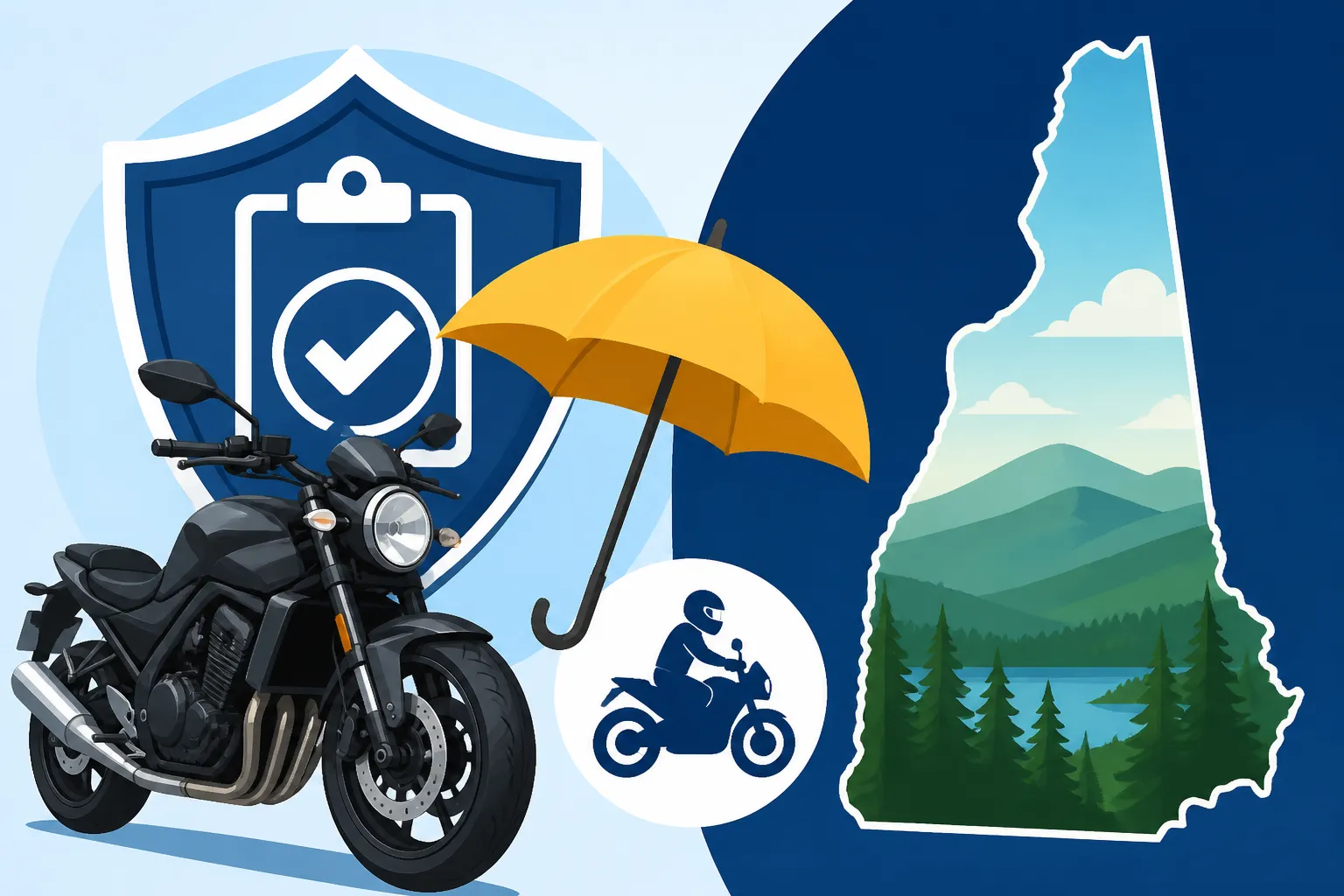
Riding the open roads of New Hampshire, with its stunning scenery from the White Mountains to the coastline, is a dream for many motorcyclists. But amidst the freedom and the fresh air, a gnawing question often pops up: do you really need motorcycle insurance in the Granite State? It's a question that trips up many riders, largely because New Hampshire operates under a system that's a bit different from most places, and that difference can lead to serious misunderstandings and even bigger problems if you're not fully informed. This guide is here to untangle that confusion, explain the unique aspects of New Hampshire's laws, and help you understand why, even when it's not strictly mandated upfront, having the right coverage is always your smartest move.
The Straight Answer: Motorcycle Insurance in New Hampshire
Let's cut right to the chase, because this is where a lot of riders get confused and sometimes, unfortunately, get themselves into trouble. New Hampshire is known for its "Live Free or Die" motto, and that philosophy extends to its vehicle insurance laws in a way that truly sets it apart.
No, It's Not Required – But Seriously, Why Risk It?
Here’s the deal: New Hampshire is one of the few states that does not legally require motorcyclists, or any drivers for that matter, to purchase an insurance policy before hitting the road. You heard that right – you can legally register and ride your motorcycle in New Hampshire without having an active insurance policy in your pocket. This is a huge deviation from the norm, as most states have strict minimum liability requirements that drivers must meet. This unique stance often leads people to think they're completely off the hook, but that's a dangerous misconception.
While the state doesn't mandate pre-purchased insurance, it absolutely demands that you are financially responsible for any damage or injuries you cause in an accident. This means if you're at fault in a collision, you are personally on the hook for all the costs. This can include property damage to other vehicles, medical bills for injured parties, lost wages, and even pain and suffering. Without an insurance policy acting as your financial shield, every single one of those expenses falls directly on your shoulders. It's a high-stakes gamble that could potentially wipe out your savings, future earnings, and leave you in a mountain of debt, making the initial "freedom" of not buying insurance seem like a very hollow victory. When considering the big picture of Motorcycle Insurance Requirements by State (2026 Guide), New Hampshire truly stands out.
Understanding New Hampshire's Financial Responsibility Law
So, if you don't need insurance, what's the catch? The catch is New Hampshire’s "Financial Responsibility Law" (RSA 264:25). This law essentially states that while you don't have to carry insurance, you must be able to prove financial responsibility if certain events occur. What are those events? Primarily, if you are involved in an accident that results in injury, death, or property damage exceeding a certain threshold (which, let's be honest, even a minor fender bender can easily hit), or if you're convicted of certain motor vehicle offenses like a DUI or reckless operation. In these scenarios, the New Hampshire Department of Motor Vehicles (DMV) will require you to demonstrate that you can cover potential damages.
This proof of financial responsibility can come in several forms. The most common, and by far the easiest and most practical, is a liability insurance policy. But technically, you could also post a bond with the State Treasurer, or deposit cash or securities. However, these latter options are usually impractical for the average rider. If you can't provide acceptable proof of financial responsibility after one of these triggering events, the consequences are severe. Your driver's license, motorcycle registration, and license plates will be suspended. They will remain suspended until you can satisfy all damages from the accident and provide proof of future financial responsibility, often in the form of an SR-22 filing for Motorcycles: When It's Required. This typically means you'll eventually have to get an insurance policy, and likely a more expensive one due to your history.
What Happens If You Don't Have Insurance and Cause an Accident?
Let's get real about the potential fallout. It's easy to think, "It won't happen to me," but accidents are called accidents for a reason. They're unpredictable, and when they involve motorcycles, the consequences for riders can be particularly severe, both physically and financially.
The Immediate Aftermath: Accident Scenes and Legal Troubles
Picture this: You're riding your bike, perhaps enjoying a beautiful autumn day ride through Franconia Notch, and suddenly, through no fault of your own, or maybe a split-second misjudgment, you're involved in a collision. The police arrive, reports are filed, and statements are taken. If you are determined to be at fault, or even partially at fault, and you don't have motorcycle insurance, that's where the real trouble begins.
While the police won't immediately cite you for "no insurance" as they might in a mandatory insurance state, they will note that you lack coverage. This information will then make its way to the New Hampshire DMV. Simultaneously, the other parties involved will be seeking compensation for their damages. They or their insurance company will likely contact you directly, demanding payment. Without an insurer to handle the negotiations or cover the costs, you'll be thrust into a bewildering and intimidating legal process on your own. You'll have to answer to claims adjusters, lawyers, and potentially the courts, all while trying to recover from the stress and potential injuries of the accident itself.
Long-Term Consequences: Financial Ruin and Riding Privileges
The initial shock of an accident without insurance is just the beginning. The long-term financial and legal repercussions can be truly devastating.
- Hefty Bills and Lawsuits: If you caused an accident, you are personally liable for the other party's medical expenses, vehicle repairs or replacement, lost wages, and potentially pain and suffering. These costs can easily run into tens or even hundreds of thousands of dollars. Imagine having to pay for someone's broken leg, physical therapy, and a new car out of your own pocket. If you can't pay, the injured parties or their insurance company can sue you, leading to wage garnishments, liens on your property, or even bankruptcy. This is a stark reality that underscores the importance of understanding the Financial Responsibility Laws for Riders.
- Suspended Licenses and Registrations: As mentioned, if you can't prove financial responsibility following an accident or certain violations, the New Hampshire DMV will suspend your driver's license and motorcycle registration. This means you can't legally ride any vehicle in New Hampshire, potentially for an extended period. Getting your privileges reinstated often requires satisfying all outstanding debts related to the accident and then filing an SR-22 form, which certifies that you have obtained a liability insurance policy, typically for three years. This isn't just an inconvenience; for many, losing the ability to drive means losing their job, their independence, and their ability to conduct daily life. This is a critical aspect when considering What Happens If You Ride Without Insurance?
- Increased Future Insurance Costs: Even if you eventually get your riding privileges back and are forced to buy insurance (which you will be to satisfy SR-22 requirements), it will almost certainly be much more expensive. Having an accident on your record, especially as an uninsured driver, signals a high risk to insurance companies, leading to significantly higher premiums for years to come.
Why Carrying Motorcycle Insurance in New Hampshire is a Smart Move
Given New Hampshire’s unique stance on mandatory insurance, it's easy to dismiss it as an unnecessary expense. But as we've seen, that perspective completely overlooks the substantial risks involved. For any rider who values their financial well-being and peace of mind, motorcycle insurance isn't just smart; it's essential.
Protecting Your Assets and Your Future
Think about everything you've worked for: your home, your savings, your future earnings. In the event of an at-fault accident where you are uninsured, all of these assets could be at risk. A serious accident claim can easily exceed hundreds of thousands of dollars. Without an insurance policy to step in and cover those costs, you could face years of financial struggle, debt, and the emotional burden of constant worry.
Motorcycle insurance acts as a vital safety net. It transfers the financial risk from your personal finances to the insurance company. For a relatively small monthly or annual premium, you gain the assurance that if the worst happens, you won't lose everything. It allows you to ride with confidence, knowing that you've protected yourself and your family from potentially catastrophic financial losses. This peace of mind alone is invaluable, letting you focus on the joy of the ride, not the lurking fear of an accident.
Common Coverage Types to Consider
Even in a state like New Hampshire where some coverage isn't mandated, understanding the different Types of Motorcycle Insurance Coverage Explained is crucial to building a robust policy that truly protects you.
- Liability Coverage: This is the absolute cornerstone of any motorcycle insurance policy, especially relevant in New Hampshire. It covers damages you cause to other people and their property.
- Bodily Injury Liability: Pays for medical expenses, lost wages, and pain and suffering for anyone you injure in an accident. The minimum recommended coverage, even if not state-mandated, is usually 25/50/25, meaning $25,000 per person for bodily injury, $50,000 per accident for bodily injury, and $25,000 for property damage.
- Property Damage Liability: Covers repairs or replacement costs for property you damage, like another vehicle, a fence, or a building.
- Uninsured/Underinsured Motorist (UM/UIM) Coverage: This is incredibly important, even in New Hampshire, because while you might be riding responsibly, not everyone else is. UM/UIM protects you if you're hit by a driver who either has no insurance or not enough insurance to cover your damages. Given that you might encounter other New Hampshire residents who also opt out of insurance, this coverage becomes even more critical. It can cover your medical bills, lost wages, and sometimes even property damage.
- Collision Coverage: This pays for damages to your own motorcycle resulting from a collision with another vehicle or object, regardless of who is at fault. If you have a financed bike or a newer, valuable motorcycle, this coverage is almost non-negotiable.
- Comprehensive Coverage: This protects your bike from non-collision-related damage. Think theft, vandalism, fire, natural disasters, or hitting an animal. If your motorcycle is parked and stolen from your garage in Manchester, or damaged by a falling tree branch in a storm, comprehensive coverage steps in.
- Medical Payments (MedPay) or Personal Injury Protection (PIP): These cover medical expenses for you and your passengers, regardless of who was at fault in an accident. Given the vulnerability of motorcyclists, these coverages are incredibly valuable for ensuring you get prompt medical care without worrying about immediate out-of-pocket costs.
- Roadside Assistance and Towing: If your bike breaks down on a long ride through the Kancamagus Highway, this coverage can be a lifesaver, covering towing to the nearest repair shop.
Getting the Right Coverage for Your New Hampshire Ride
Deciding to get motorcycle insurance in New Hampshire is a smart first step. The next is making sure you get the right coverage that fits your riding style, your bike, and your budget. It’s not about just checking a box; it’s about genuine protection.
Navigating Quotes and Comparing Policies
Shopping for motorcycle insurance can feel like a chore, but it's essential to compare options to ensure you're getting the best value and coverage. Don't just go with the first quote you receive. Several factors influence your motorcycle insurance rate, including your riding history, age, the type of motorcycle you ride (a sportbike typically costs more to insure than a cruiser), and even where you live in New Hampshire. A rider in Nashua might have different rates than someone in a more rural area.
When gathering quotes, make sure you're comparing apples to apples. Get quotes for the same levels of liability, deductibles for comprehensive and collision, and any additional coverages you deem necessary, like Uninsured & Underinsured Motorist Coverage (UM/UIM). Companies like Progressive, Geico, Dairyland, and Markel are popular choices among motorcyclists and offer a range of options. Don't hesitate to ask questions about specific policy details, exclusions, and how claims are handled. Learning How to Compare Motorcycle Insurance Quotes effectively can save you a significant amount of money and ensure you're truly covered.
Discounts That Can Help You Save
Even though you’re opting for insurance in a state that doesn’t require it, there are plenty of ways to make your policy more affordable. Insurance companies reward responsible riders and those who take steps to mitigate risk.
- Motorcycle Safety Course Discount: This is one of the most impactful discounts you can get. Completing an approved motorcycle safety course, like those offered by the Motorcycle Safety Foundation (MSF), not only makes you a safer rider but can significantly reduce your premiums. Insurers see this as a sign of reduced risk.
- Multi-Policy Discount (Bundling): If you already have car insurance, homeowner's insurance, or renter's insurance with a company, ask about bundling your motorcycle policy. Many insurers offer substantial discounts for keeping multiple policies with them. This is often a great way to lower your overall insurance costs.
- Anti-Theft Device Discount: Installing an approved anti-theft device on your motorcycle, such as an alarm system or a GPS tracking device, can earn you a discount on your comprehensive coverage.
- Good Rider/Claims-Free Discount: Maintaining a clean driving record with no accidents or violations over a certain period (e.g., three to five years) can qualify you for a good rider discount.
- Loyalty Discount: Some companies reward long-term customers with loyalty discounts.
- Association Discounts: If you're part of a motorcycle club or certain professional organizations, you might be eligible for special rates.
By actively seeking out these Motorcycle Insurance Discounts You're Missing, you can significantly reduce the cost of your premium, making comprehensive protection even more accessible. It’s about being proactive and asking the right questions.
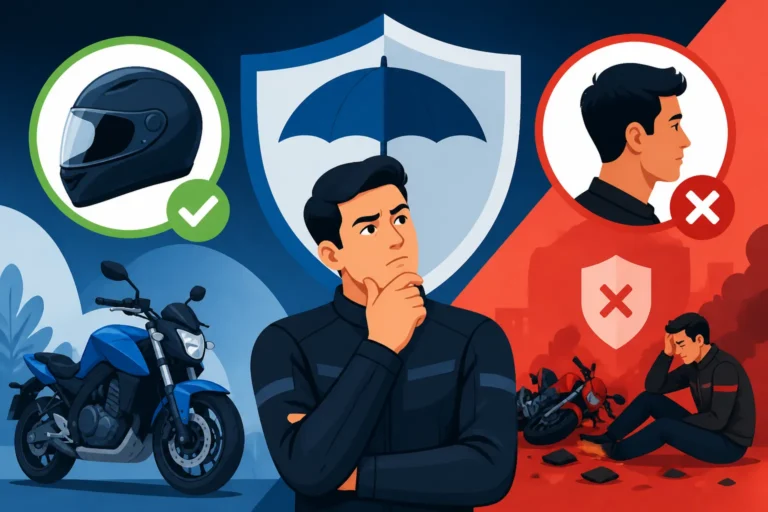
Comparing the Risks: No Insurance vs. Having Insurance in New Hampshire
To truly drive home the importance of coverage, let's look at the stark contrast between riding uninsured and riding with a policy in place, particularly after an at-fault accident in New Hampshire.
| Scenario | Without Motorcycle Insurance (At-Fault Accident) | With Motorcycle Insurance (At-Fault Accident) |
|---|---|---|
| Immediate Financial Burden | You are 100% responsible for all damages/injuries to others; potential lawsuits. | Your liability insurance kicks in to cover damages up to policy limits. |
| Personal Assets at Risk | Savings, property, future wages can be seized to cover costs; potential bankruptcy. | Personal assets are largely protected by policy limits; insurer handles legal defense. |
| Driving Privileges | License and registration suspended until all damages are paid and SR-22 filed. | Driving privileges generally remain intact, subject to any specific legal penalties. |
| Legal Representation | You must hire your own lawyer for lawsuits and negotiations. | Your insurance company provides legal defense for liability claims. |
| Stress & Peace of Mind | Extreme stress, constant worry about financial ruin and legal battles. | Significant peace of mind, knowing major financial risks are covered. |
| Future Insurance Costs | High probability of needing an expensive SR-22 policy for years. | Rates may increase, but less severely than with a history of being uninsured. |
| Recovery for Your Bike | No coverage for damage to your own motorcycle. | Collision coverage pays for repairs or replacement of your bike (minus deductible). |
| Medical Bills (for you) | You pay all your own medical expenses. | Medical Payments coverage can help with your medical bills. |
It's clear from this comparison that while New Hampshire's law might seem to offer "freedom" from mandatory insurance, that freedom comes with immense, potentially life-altering risks. The relatively small investment in a good motorcycle insurance policy provides a shield against these devastating financial consequences, allowing you to truly "Live Free or Die" on your terms, with your assets and future secure.
Disclaimer
Please remember that this article provides general information and is not legal or financial advice. Motorcycle insurance laws and requirements can change, and your specific situation will always dictate the best course of action. It's always best to consult directly with a qualified insurance professional or the New Hampshire Department of Motor Vehicles to ensure you have the most current and accurate information for your individual needs.