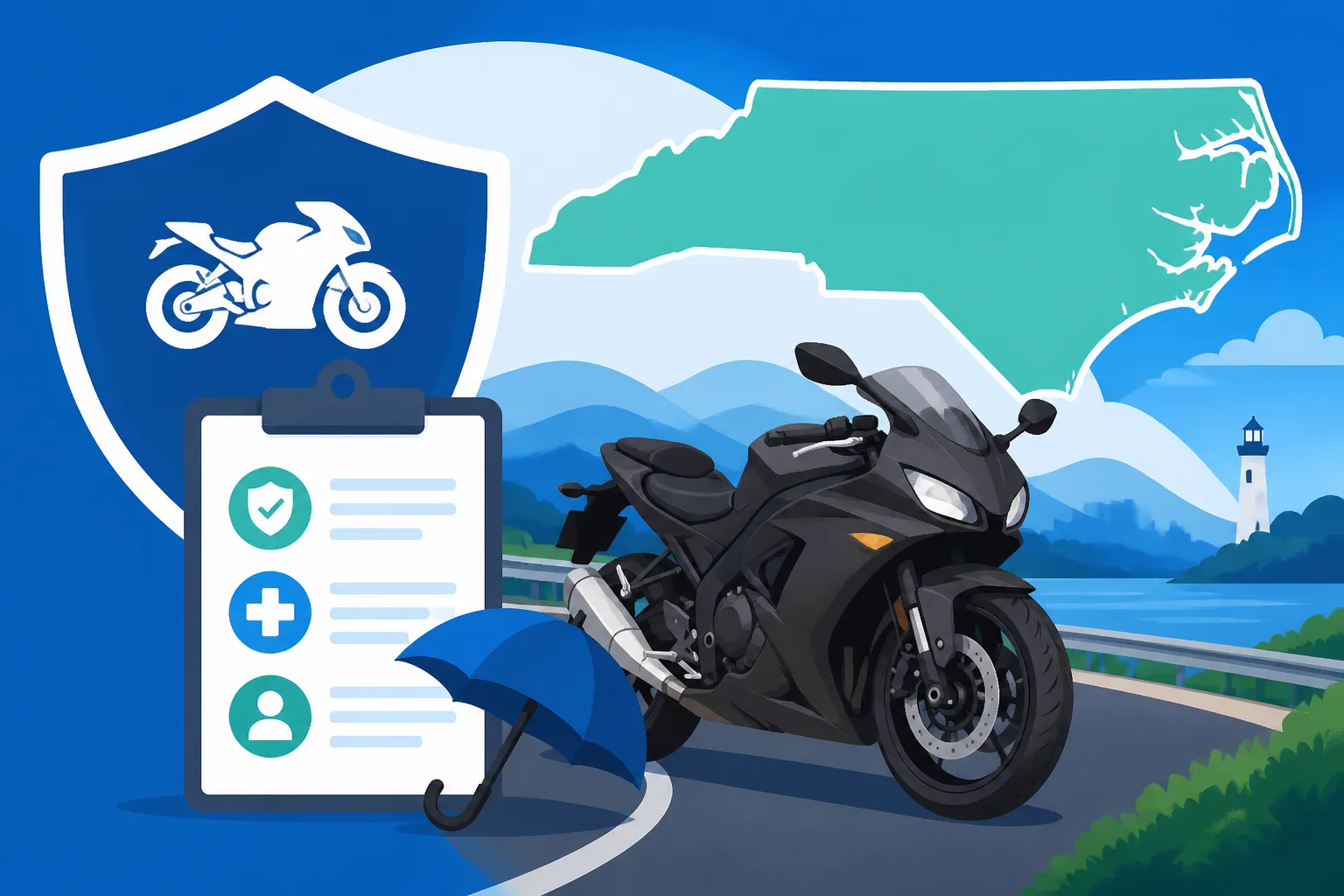
How Much Is Motorcycle Insurance in North Carolina?
Trying to figure out how much you’ll actually pay for motorcycle insurance in North Carolina can feel like trying to catch smoke in a hurricane. Every rider's situation is unique, and getting a clear, straightforward answer often feels impossible. This guide aims to pull back the curtain, giving you a realistic look at the average costs for motorcycle insurance across the Tar Heel State, what drives those prices up or down, and how you can ride legally without breaking the bank.
Understanding Average Motorcycle Insurance Costs in North Carolina
Let's get right to it: the cost of motorcycle insurance in North Carolina isn't a single, flat rate you can just look up. It's a dynamic figure that dances around based on a whole host of individual factors. However, to give you a ballpark idea, most riders in North Carolina can expect to pay anywhere from $400 to $1,000 per year for a basic liability policy, and $1,200 to $2,500 annually for full coverage. Of course, this is a broad range, and your specific premium could fall outside of it depending on your unique circumstances.
North Carolina is a state where the joy of riding can take you from the Blue Ridge Mountains to the Outer Banks, offering diverse scenery and riding conditions. This geographical diversity, combined with factors like population density, theft rates, and even the frequency of deer accidents in certain areas, can subtly influence statewide averages. For instance, someone living and riding primarily in a dense urban area like Charlotte or Raleigh might see slightly higher rates compared to a rider in a more rural county, due to increased traffic congestion and higher accident probabilities.
Minimum Coverage Requirements in North Carolina
First things first: you absolutely need insurance to ride legally in North Carolina. This isn't one of those states where you can skirt by without it. Like most states, North Carolina has specific minimum liability requirements that all motorcycle owners must carry. These minimums are often expressed as a series of three numbers, like 30/60/25, which can feel a bit like reading a secret code. You can dive deeper into what these numbers mean in our guide on Minimum Liability Insurance Explained (The Three Numbers).
Here's a breakdown of North Carolina's minimum liability requirements:
- $30,000 for bodily injury liability per person: This means your insurance will pay up to $30,000 for injuries to a single person in an accident where you are at fault.
- $60,000 for total bodily injury liability per accident: This is the maximum your policy will pay for all bodily injuries in a single at-fault accident, regardless of how many people are hurt.
- $25,000 for property damage liability per accident: This covers up to $25,000 for damage you cause to other people's property, like their car, fences, or other structures.
It's super important to remember that these are just the minimums. While they keep you legal, they often aren't enough to fully protect you financially in a serious accident. If you cause an accident and the damages exceed these limits, you're on the hook for the difference out of your own pocket. Many seasoned riders, myself included, will tell you that carrying more than the state minimums is a smart move for peace of mind.
Average Costs by Rider and Bike Type
The type of bike you ride and who you are as a rider play enormous roles in shaping your insurance premiums. It makes sense, right? A brand-new sport bike is going to be pricier to insure than an older cruiser, and a young, inexperienced rider will typically pay more than a seasoned veteran with a clean record.
Let's break down some general averages you might encounter:
| Rider Profile / Bike Type | Estimated Annual Liability Cost (NC) | Estimated Annual Full Coverage Cost (NC) |
|---|---|---|
| Experienced Rider (30s-50s) | ||
| Cruiser (e.g., Harley-Davidson Softail, Indian Scout) | $350 – $700 | $1,000 – $2,000 |
| Standard (e.g., Honda Rebel, Kawasaki Vulcan) | $300 – $650 | $900 – $1,800 |
| Touring (e.g., Honda Gold Wing, Harley-Davidson Ultra Classic) | $400 – $800 | $1,300 – $2,500 |
| Sport Bike (e.g., Yamaha R6, Suzuki GSX-R) | $500 – $1,200 | $1,800 – $3,500+ |
| Young/New Rider (Under 25) | ||
| Cruiser / Standard | $700 – $1,500+ | $2,000 – $4,000+ |
| Sport Bike | $1,500 – $4,000+ | $4,000 – $8,000+ |
Note: These are estimated ranges for illustrative purposes only. Your actual quote will vary.
You can clearly see the disparity, especially for sport bikes and younger riders. Sport bikes are often associated with higher speeds and increased risk, leading to higher premiums. Newer riders also face higher rates because they simply haven't had the time to establish a safe riding history. If you're a beginner, checking out our guide on How Much Is Motorcycle Insurance for a Beginner? might offer some useful insights.
Key Factors Influencing Your North Carolina Motorcycle Insurance Rate
It's not just about the type of bike or your age. Insurance companies look at a comprehensive profile when calculating your premium. Understanding these factors can help you make informed decisions, whether you're buying a new bike or simply shopping for a better rate.
Your Riding History and Experience
Your past driving and riding record is one of the biggest influences on your insurance cost. A clean record—no accidents, no tickets, no claims—is gold. Insurers see you as a lower risk, and they'll reward that with lower premiums.
- Accidents: If you've been involved in an at-fault accident, especially a recent one, your rates will almost certainly go up. North Carolina is an "at-fault" state, meaning the person who causes the accident is responsible for the damages. An accident on your record signals a higher risk to insurers.
- Traffic Violations: Speeding tickets, reckless driving citations, or other moving violations tell insurers you might be a riskier rider. Even non-motorcycle related traffic violations on your car insurance record can affect your motorcycle rates.
- Riding Experience: The longer you've been riding with a valid motorcycle endorsement and a clean record, the better. Experience is generally equated with lower risk. If you're a new rider, don't despair! You can still work towards better rates over time. In the meantime, you might find our article on How Much Is Motorcycle Insurance for a Beginner? helpful.
Your Motorcycle's Make, Model, and Engine Size
Not all bikes are created equal in the eyes of an insurance company. What you ride has a huge impact on your premium.
- Sport Bikes vs. Cruisers: As mentioned earlier, sport bikes like the Kawasaki Ninja or Yamaha R1, with their high performance and often higher theft rates, usually command much higher insurance premiums. Cruisers, on the other hand, tend to have lower accident rates and are often seen as less of a risk.
- Engine Size (CCs): Generally, bikes with larger, more powerful engines (higher CCs) cost more to insure. The assumption is that more powerful bikes are more likely to be ridden at higher speeds, increasing accident risk.
- Value and Parts Cost: More expensive bikes with higher replacement costs, or those with rare or custom parts, will naturally cost more to insure. If your bike has a lot of aftermarket modifications or custom work, you'll want to ensure you have adequate Accessories & Custom Parts Coverage Explained.
Where You Live and Ride
Believe it or not, your zip code can significantly influence your insurance costs in North Carolina.
- Urban vs. Rural: Riders in densely populated areas like Raleigh, Charlotte, or Greensboro might face higher rates due to increased traffic, higher accident frequency, and greater risk of theft. Rural areas generally see lower premiums.
- Theft Rates: Insurance companies track motorcycle theft rates by zip code. If you live in an area with a high incidence of motorcycle theft, your comprehensive coverage premium will likely be higher.
- Garaging Location: Where you store your bike overnight also matters. A bike garaged in a secure, locked garage will typically be cheaper to insure than one parked on the street.
Coverage Levels and Deductibles
The choices you make about your policy itself also weigh heavily on your final premium. This is where you have a lot of control.
- Liability Only vs. Full Coverage: Choosing just the state-mandated liability coverage will always be cheaper than a full coverage policy. Full coverage, which typically includes collision and comprehensive, protects your bike in a wider range of scenarios but comes at a higher cost. Understanding Liability-Only vs Full Coverage Cost is crucial for making this decision.
- Deductibles: Your deductible is the amount you pay out-of-pocket before your insurance kicks in for a claim. Higher deductibles (e.g., $1,000) mean lower premiums, while lower deductibles (e.g., $250 or $500) result in higher premiums. It's a balance between saving money upfront and what you can afford to pay if an incident occurs.
- Add-On Coverages: Features like roadside assistance, medical payments coverage, or personal belongings coverage will add to your premium, but they can offer valuable protection. Consider what you truly need versus what's "nice to have" when building your policy.
Strategies to Lower Your Motorcycle Insurance in North Carolina
Nobody wants to pay more than they have to, especially for insurance! The good news is there are several actionable steps you can take to bring down your motorcycle insurance premiums in North Carolina.
Take a Motorcycle Safety Course
This is perhaps one of the best investments a rider can make, both for safety and for your wallet. Completing a Motorcycle Safety Foundation (MSF) course or a similar state-approved safety program not only sharpens your riding skills but often qualifies you for a significant discount on your insurance. Many insurers, including major players like Progressive and Dairyland, offer these discounts.
- Skill Improvement: A safety course can refresh your knowledge of road hazards, improve your braking and turning techniques, and boost your overall confidence. This directly translates to a lower risk of accidents.
- Insurance Discounts: Insurers love safe riders. A safety course completion certificate tells them you're serious about safety, and they'll often reward that with a discount, sometimes up to 10-15%. This discount alone can sometimes offset a good portion of the course fee.
- Becoming a Safer Rider: Beyond the monetary savings, the most important benefit is simply becoming a more competent and safer rider, which is invaluable on North Carolina's diverse roads.
Look for Discounts
Insurance companies offer a surprising number of discounts that many riders simply don't know about. It's always worth asking your agent or checking online when getting quotes.
- Multi-Policy Discount: If you have your car insurance, home insurance, or even renter's insurance with the same company, many will offer a discount for bundling your motorcycle policy. This is a common and easy way to save. You might be interested in whether Bundling Motorcycle and Auto Insurance: Worth It? is for you.
- Rider Group Discounts: Are you part of a motorcycle club or association like the Harley Owners Group (HOG) or a veteran's motorcycle association? Some insurers offer discounts for members of approved riding organizations.
- Anti-Theft Device Discount: Installing an approved anti-theft system (alarm, GPS tracker, immobilizer) on your bike can often get you a discount on your comprehensive coverage.
- Good Driver/Rider Discount: Maintaining a clean driving and riding record for a certain number of years will often automatically qualify you for a good driver discount.
- Paid-in-Full Discount: If you can afford to pay your entire annual premium upfront, many insurers will give you a small discount for doing so, as it reduces their administrative costs.
- Loyalty Discounts: While it's always smart to shop around, staying with the same insurer for several years might earn you a loyalty discount.
- Seasonal Lay-Up: If you put your bike away for the winter months, some insurers allow you to reduce your coverage (often to just comprehensive, which covers theft and fire while stored) during that period, leading to savings. This is particularly relevant in North Carolina, where winter riding can be less frequent in some areas. Our guide on Seasonal Lay-Up & Winter Storage Insurance covers this in detail.
Shop Around and Compare Quotes Regularly
This might be the single most effective way to ensure you're getting the best rate. Insurance rates aren't static; they change, and different companies will always have different pricing models and risk assessments.
- Get Multiple Quotes: Don't settle for the first quote you receive. Use online comparison tools or work with an independent agent to get quotes from several different providers. Companies like Progressive, Dairyland, Geico, and Harley-Davidson Insurance are popular choices in North Carolina, but smaller regional carriers might also offer competitive rates. Services like The Zebra can help you quickly compare various options side-by-side, potentially saving you a lot of legwork and money.
- Compare Annually: Even if you're happy with your current insurer, make it a habit to shop for new quotes every year or two. You might be surprised at how much rates can shift, and a new provider might suddenly offer you a better deal for the exact same coverage.
- Review Your Coverage: As your bike ages or your financial situation changes, your insurance needs might evolve. You might not need full coverage on an older, fully paid-off bike, for example. Regularly reviewing your What Motorcycle Coverage Do You Actually Need? can ensure you're not overpaying.
By proactively exploring these avenues, you can significantly reduce the amount you pay for motorcycle insurance in North Carolina, allowing you to enjoy more rides and fewer financial worries.
Additional Considerations for North Carolina Riders
Riding in North Carolina comes with its own unique set of circumstances and laws that are worth keeping in mind when it comes to your insurance.
Understanding North Carolina's At-Fault System
North Carolina operates under an "at-fault" insurance system. This means that if you are determined to be at fault for an accident, your liability insurance is responsible for paying for the other party's bodily injuries and property damage. Conversely, if another driver causes an accident and injures you or damages your bike, their liability insurance should cover your losses.
This system highlights the importance of having adequate liability coverage. If you only carry the state minimums and cause a serious accident, you could be personally sued for damages that exceed your policy limits. Many riders choose to carry higher liability limits than the state requires for this very reason, adding an extra layer of financial protection. This is also why Uninsured & Underinsured Motorist Coverage (UM/UIM) is so important; it protects you if the at-fault driver either has no insurance or not enough to cover your damages.
The Role of Helmet Laws in North Carolina
North Carolina has a universal helmet law, meaning all riders and passengers on motorcycles must wear a helmet, regardless of age. This isn't just a legal requirement; it's a critical safety measure that can also indirectly affect your insurance. While not wearing a helmet won't invalidate your insurance policy, it could complicate claims for head injuries.
From an insurance perspective, wearing a helmet reduces the severity of injuries in an accident, which can lead to lower medical costs and, potentially, less strain on your bodily injury coverage (or the at-fault party's coverage). While your helmet choice doesn't directly impact your premium, it's a vital part of responsible riding in the Tar Heel State. For more details on this, our article on North Carolina Motorcycle Helmet Law provides a full overview.
Riding Seasonality and Storage Options
North Carolina's climate allows for a relatively long riding season compared to some northern states, but many riders still store their bikes during the coldest winter months, especially in the western mountains.
- Seasonal Coverage Adjustments: If you store your bike for an extended period, you might consider adjusting your coverage. Instead of canceling your policy entirely (which can lead to issues and higher rates when you reinstate), you can often switch to a "storage" or "comprehensive-only" policy. This covers theft, fire, vandalism, and other non-collision damages while your bike is garaged, potentially saving you money on collision premiums you don't need while the bike is off-road. Companies like Dairyland and Progressive offer flexible options for seasonal coverage.
- Secure Storage: Regardless of the season, a secure storage location, like a locked garage, is always beneficial. It reduces the risk of theft and damage, which can positively impact your comprehensive coverage rates.
Navigating motorcycle insurance in North Carolina doesn't have to be a bewildering experience. By understanding the factors at play, meeting your legal obligations, and actively seeking out the best rates and discounts, you can protect yourself and your ride without undue financial stress. Remember to regularly review your policy and compare quotes, perhaps through a service like The Zebra, to ensure you’re always getting the best value.
Disclaimer
The information provided in this guide is for general informational purposes only and does not constitute financial, legal, or insurance advice. Motorcycle insurance rates and requirements can change, and individual circumstances vary. Always consult with a licensed insurance professional to discuss your specific needs and obtain personalized quotes and advice.