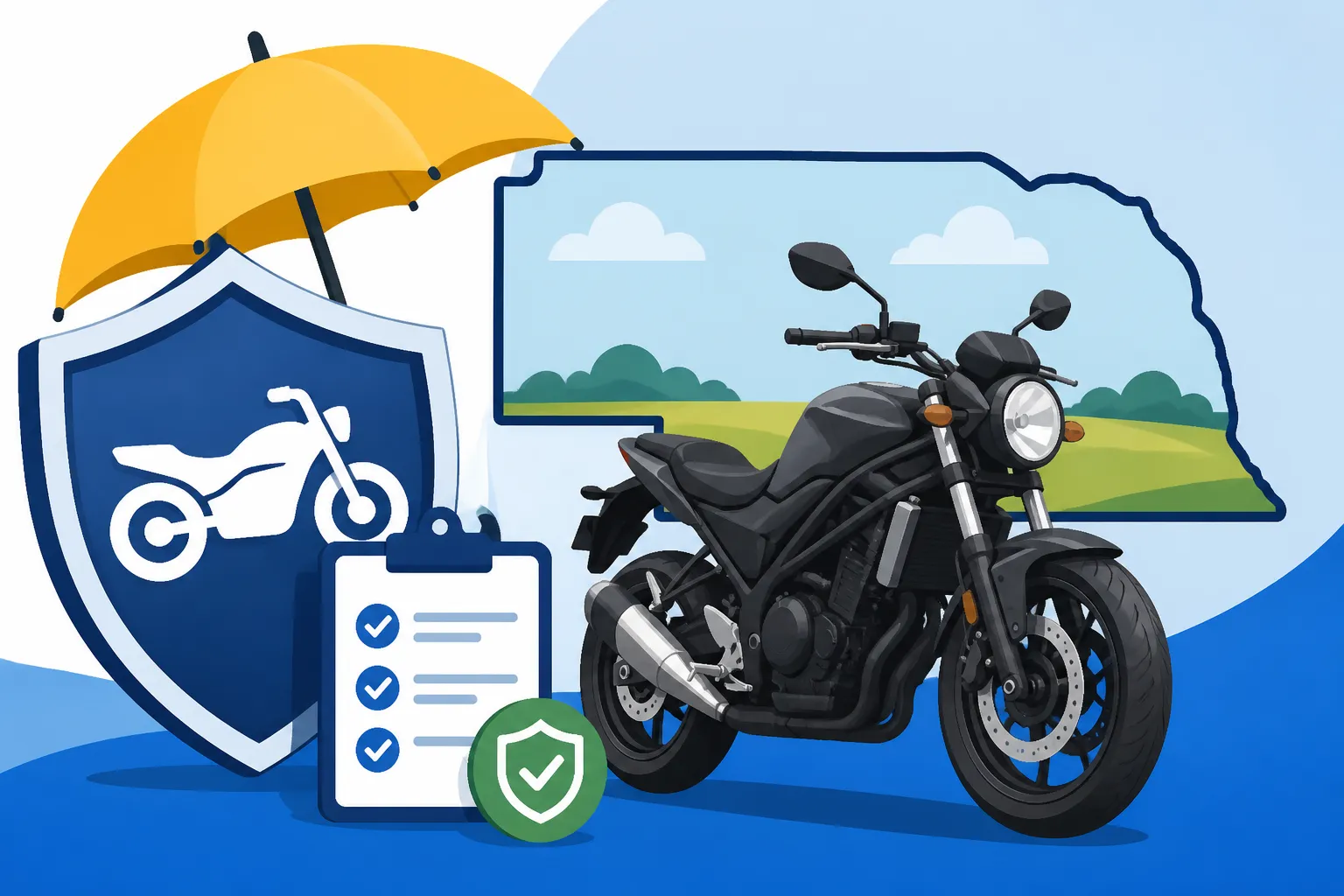
How Much Is Motorcycle Insurance in Nebraska?
Navigating the world of motorcycle insurance can feel like trying to find your way through a corn maze blindfolded, especially when you're just trying to figure out what you'll actually pay in a specific state. If you're a rider in Nebraska, you're likely wondering how much motorcycle insurance will set you back, and what factors really push those numbers up or down. This guide is here to shed some light on the average costs, legal requirements, and smart ways to keep your premiums reasonable in the Cornhusker State.
Understanding Nebraska's Motorcycle Insurance Landscape
Riding across Nebraska's vast plains, from Omaha's city streets to the scenic Sandhills, is an experience like no other. But before you hit the open road, securing adequate motorcycle insurance is not just a smart move for your peace of mind—it's a legal requirement. Nebraska is not one of the few states that don't require motorcycle insurance; in fact, it mandates minimum liability coverage to protect other drivers and their property if you're at fault in an accident. Ignoring these requirements can lead to some pretty hefty penalties, which nobody wants.
The frustration often lies in the seemingly opaque pricing. Why does your buddy pay less for similar coverage? Why did your quote jump so much this year? It's rarely one single thing, but a combination of personal details, your bike, and the choices you make for your policy. Many riders just assume they're stuck with whatever quote they get, but understanding the underlying mechanisms can empower you to find a better deal.
Nebraska's Minimum Liability Requirements
When we talk about legal requirements, Nebraska, like most states, operates on a "fault" system, meaning the at-fault driver is responsible for damages. For motorcyclists, this translates into specific liability minimums you must carry. These numbers might look familiar if you've ever dealt with car insurance; they're often expressed as a series of three figures: for example, 25/50/25.
In Nebraska, the minimum liability coverage you're required to carry for your motorcycle is:
- $25,000 for bodily injury liability per person.
- $50,000 for total bodily injury liability per accident.
- $25,000 for property damage liability per accident.
This "25/50/25" breakdown means that if you're at fault in an accident, your insurance will cover up to $25,000 for injuries to one person, up to $50,000 for all injuries in the accident, and up to $25,000 for damage to someone else's property. While these are the legal bare minimums, many seasoned riders will tell you that it's often a good idea to consider higher limits. Why? Because medical bills and vehicle repairs can quickly exceed these amounts, leaving you personally on the hook for the rest. If you're curious about the specifics, our guide on Minimum Liability Insurance Explained (The Three Numbers) delves deeper into what these figures really mean for you.
What Happens if You Ride Without Insurance?
It's tempting to think you can skirt by, especially if you only ride occasionally or feel like you're a super safe rider. But trust me, the potential repercussions of riding without insurance in Nebraska are severe and simply not worth the risk. Law enforcement takes this seriously, and getting caught can lead to a cascade of problems that are far more expensive and inconvenient than paying for a policy.
For a first offense, you could face fines, suspension of your driver's license and vehicle registration, and even impoundment of your motorcycle. Repeat offenses only compound these issues, with increased fines and longer suspensions. Beyond the legal penalties, imagine getting into an accident where you're at fault, and you have no insurance. You would be personally liable for all damages and medical costs, which could easily run into tens or even hundreds of thousands of dollars, potentially bankrupting you. It's a risk that no rider should ever take, no matter how short the ride. The peace of mind that comes with knowing you're protected, even with just minimum coverage, is invaluable.
Average Cost of Motorcycle Insurance in Nebraska
So, let's get down to the brass tacks: what's the typical cost of motorcycle insurance in Nebraska? While it's tough to give an exact number because everyone's situation is unique, we can look at averages to give you a ballpark figure. Based on recent data, the average annual cost for motorcycle insurance in Nebraska tends to fall in the range of $700 to $900 for a full coverage policy.
Now, I know what you're thinking: "That's a pretty wide range!" And you're right. That's because what you pay will be heavily influenced by several key factors, which we'll dive into next. This average includes various types of riders and bikes, from the casual cruiser owner to the daily commuter on a sportbike. For liability-only coverage, you can expect significantly lower premiums, often in the $150-$300 range annually, but remember the limitations of such basic coverage.
Factors Influencing Your Premium
It's easy to feel like insurance companies just pull numbers out of a hat, but there's a method to their madness. Many factors go into calculating your individual premium, and understanding them can help you make choices that lead to savings. Some of the most impactful factors for riders in Nebraska include:
- Your Riding Record: This is probably the biggest one. A clean driving record with no accidents, tickets, or DUIs will always result in lower premiums. If you've had a few mishaps, your rates will likely be higher.
- Type of Motorcycle: Insurers assess risk based on your bike. High-performance sportbikes, for example, are generally more expensive to insure than cruisers or touring bikes because they're associated with higher speeds, more frequent claims, and more expensive parts. A brand new, high-value Harley-Davidson will cost more to cover than an older, smaller-displacement Honda Rebel.
- Your Age and Experience: Young, inexperienced riders (especially those under 25) typically face higher premiums due to a statistical correlation with higher accident rates. As you gain more years of riding experience and age, your rates generally decrease, assuming a clean record. This is a common frustration for new riders, but it's how the industry assesses risk. Check out our guide on Motorcycle Insurance Cost by Age for more details.
- Where You Live: Even within Nebraska, your specific ZIP code matters. Urban areas like Omaha or Lincoln often have higher rates due to increased traffic density, higher theft rates, and more opportunities for accidents. Rural areas might see slightly lower premiums.
- Coverage Levels and Deductibles: Choosing minimum liability will always be cheaper than full coverage. If you opt for comprehensive, collision, or other add-ons, your premium will increase. Similarly, selecting a higher deductible (the amount you pay out-of-pocket before insurance kicks in) can lower your premium, but means more expense for you in the event of a claim. Our article on What Motorcycle Coverage Do You Actually Need? can help you weigh your options.
- Credit Score: In many states, including Nebraska, your credit-based insurance score can influence your rates. A higher score often indicates a lower risk, leading to better premiums.
Comparing Minimum vs. Full Coverage Costs in Nebraska
One of the biggest decisions you'll make when buying motorcycle insurance is whether to stick with the bare minimum required by law or to spring for full coverage. The cost difference can be substantial, and it's essential to understand what you're getting – and not getting – with each option.
Let's illustrate with an example. Say you're riding a moderately priced cruiser in Lincoln, Nebraska. Your liability-only policy might cost you around $200 per year. If you then decide to add comprehensive and collision coverage, along with perhaps some roadside assistance or custom parts coverage, that premium could jump to $800 or even $1,000 annually. It’s a significant leap, and it often leads riders to question whether the extra expense is truly worth it.
The Realities of Minimum Coverage
Choosing minimum liability coverage is certainly the cheapest way to ride legally in Nebraska. As we discussed, this covers damages and injuries you inflict on others if you're at fault in an accident. However, and this is crucial for every rider to understand, it offers absolutely no protection for your own motorcycle or your own medical bills.
Imagine this scenario: you're cruising down I-80 near Kearney, and a deer suddenly jumps out. You swerve, lay the bike down, and end up with some nasty road rash and a bent frame. If you only have minimum liability, you're looking at paying for all your medical treatment out of pocket, and the entire cost of repairing or replacing your damaged motorcycle. Your insurance won't pay a dime for your bike. This is the harsh reality that many riders only truly grasp after an unfortunate incident. For many, this risk alone makes minimum coverage a tough pill to swallow, even if it saves money upfront.
The Peace of Mind with Full Coverage
"Full coverage" is a common term, but it's important to remember it's not a single policy. Instead, it's a bundle of different coverages designed to offer a much broader safety net. Typically, full coverage includes:
- Liability Coverage: The state-mandated protection for others.
- Collision Coverage: This pays for damages to your motorcycle resulting from an accident, regardless of who is at fault. If you hit a car, a tree, or even just drop your bike, collision coverage helps.
- Comprehensive Coverage: This is your knight in shining armor for non-collision incidents. Think theft, vandalism, fire, natural disasters (like hail in Nebraska!), or hitting an animal (yes, that deer scenario we just talked about). If your pride and joy is stolen from your garage in Omaha, comprehensive coverage is what steps in.
- Uninsured/Underinsured Motorist (UM/UIM) Coverage: In Nebraska, this is a highly recommended, if not always explicitly required, addition. It protects you if an at-fault driver either has no insurance or not enough insurance to cover your damages and injuries. Given the number of uninsured drivers on the road, this can be an absolute lifesaver. You can learn more about this vital protection in our article on Uninsured & Underinsured Motorist Coverage (UM/UIM).
- Medical Payments (MedPay): This optional coverage pays for medical expenses for you and your passengers, regardless of who is at fault in an accident. This can be crucial since your health insurance might not cover all accident-related costs, or might have high deductibles.
For a new or financed motorcycle, full coverage is almost always a requirement from your lender. Even for older, paid-off bikes, the added protection often outweighs the increased premium, especially if you consider the cost of replacing your bike or covering major medical bills yourself. Deciding between liability-only and full coverage really comes down to your financial risk tolerance and the value of your motorcycle.
How to Get Cheaper Motorcycle Insurance in Nebraska
Nobody wants to pay more than they have to, right? Even with Nebraska's average costs, there are plenty of strategies you can employ to bring those premiums down without necessarily sacrificing crucial coverage. It often takes a bit of savvy shopping and knowing what discounts to ask for.
One of the easiest ways to start is by getting multiple quotes. Don't just settle for the first offer you receive. Online tools, like those offered by The Zebra, can be incredibly helpful for this. They allow you to input your information once and get quotes from various carriers like Progressive, Dairyland, and Geico, helping you see a broader spectrum of prices quickly. This kind of comparison shopping is key to finding the best rates.
Discounts You Should Always Ask For
Insurance companies love to reward safe riders and those who demonstrate lower risk. Many discounts are available, but they're not always advertised front and center. It's up to you to ask! Here are some common discounts that can significantly reduce your motorcycle insurance costs in Nebraska:
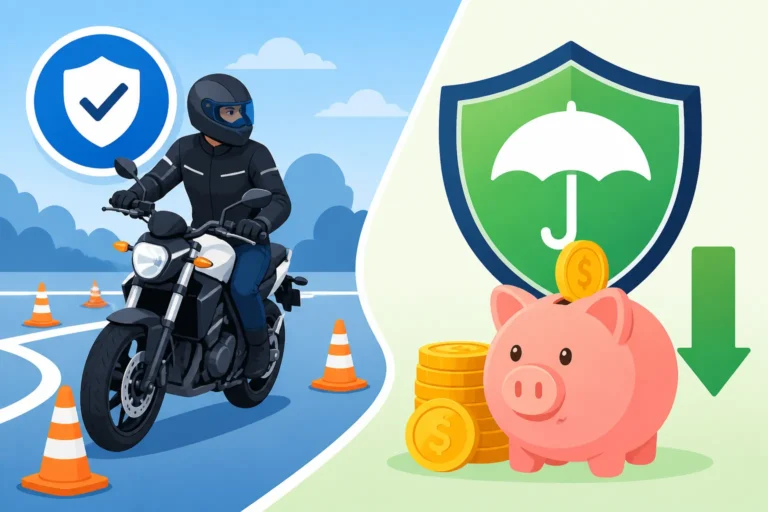
- Motorcycle Safety Course Discount: This is probably the most universally recommended discount. Completing a Motorcycle Safety Foundation (MSF) course not only makes you a safer rider, but most insurers will offer a discount, sometimes as high as 10-15%. This is a win-win, as enhanced skills reduce your risk of an accident and save you money. Our guide on Does a Motorcycle Safety Course Lower Insurance? provides more details.
- Multi-Policy/Bundling Discount: If you have auto insurance, home insurance, or renter's insurance with one company, bundling your motorcycle policy with them can often lead to substantial savings across all your policies. The Zebra, for example, can show you how different insurers stack up on bundling options.
- Experienced Rider Discount: If you've been riding for many years with a clean record, you might qualify for a loyalty or experienced rider discount.
- Good Rider/Safe Driver Discount: Maintaining a clean driving record for a certain number of years (e.g., 3-5 years without accidents or moving violations) can earn you a discount.
- Anti-Theft Device Discount: Installing an approved alarm system, GPS tracker, or other anti-theft device can lower your comprehensive coverage premium, especially important if you live in a higher-crime area.
- Paid-in-Full Discount: If you can afford to pay your annual premium upfront, many insurers offer a small discount for not having to process monthly payments.
- Rider Group/Association Discount: Some insurance companies offer discounts to members of specific motorcycle clubs or associations.
- Low Annual Mileage Discount: If you only ride your motorcycle seasonally or for short distances, some insurers may offer a discount based on lower annual mileage. This is particularly relevant for riders in Nebraska who might store their bikes during harsh winters. Our article on Is Motorcycle Insurance Cheaper if You Only Ride Seasonally? explains more.
Don't be shy about asking your insurance provider about every discount they offer. Sometimes, combining just a few of these can make a real difference to your final premium.
Smart Ways to Lower Your Rates Long-Term
Beyond discounts, there are proactive steps you can take to keep your motorcycle insurance costs down over the long haul.
- Maintain a Clean Driving Record: This cannot be stressed enough. Avoiding accidents and traffic violations is the single most effective way to keep your premiums low. Every ticket or claim can stay on your record for years, increasing your rates.
- Choose Your Bike Wisely: If you're in the market for a new motorcycle, consider how it will impact your insurance. Generally, cruisers, touring bikes, and standard motorcycles are cheaper to insure than high-performance sportbikes or custom-built choppers due to their lower risk profile and cost of parts. Researching the Motorcycle Insurance Cost by Bike Type before buying can save you headaches later.
- Increase Your Deductibles: While this means you'll pay more out-of-pocket if you need to file a claim, choosing higher deductibles for your comprehensive and collision coverage can significantly lower your annual premium. Just make sure you have enough saved up to cover that deductible if an incident occurs.
- Review Your Coverage Annually: Don't just let your policy auto-renew. Take the time each year to compare quotes and re-evaluate your coverage needs. As your bike ages, its value might decrease, meaning you might not need as much comprehensive or collision coverage. Your life circumstances change, and so should your insurance. Tools from services like The Zebra can make this annual review process much simpler and more efficient, ensuring you're always getting competitive rates. Many riders find that by shopping around regularly, they can find substantial savings without compromising on the quality of their protection.
By taking a proactive approach to your motorcycle insurance, both in seeking out discounts and making smart choices about your coverage and riding habits, you can enjoy the roads of Nebraska without feeling like you're breaking the bank.
| Factor | Impact on Premium (Generally) | How to Influence It |
|---|---|---|
| Riding Record | High | Maintain a clean record (no accidents/tickets) |
| Type of Motorcycle | High | Choose less aggressive, lower-value bikes |
| Rider Age & Experience | Moderate | Gain experience, complete safety courses |
| Location (ZIP Code) | Moderate | (Less controllable, but can consider secure parking) |
| Coverage Limits | High | Balance protection with affordability, compare quotes |
| Deductibles | Moderate | Choose higher deductibles if financially able |
| Credit Score | Moderate | Maintain good credit |
| Discounts | High | Ask for every available discount (MSF, bundling, etc.) |
Disclaimer
Please remember that this article provides general information and guidance. Insurance policies and rates are highly individualized and can vary significantly based on your specific circumstances, the insurance provider, and current market conditions. It is always recommended to obtain multiple personalized quotes and consult with a licensed insurance professional to ensure you have the right coverage for your needs in Nebraska.