How Much Is Motorcycle Insurance for a Teenager?
Alright, let's talk about the elephant in the garage for many young riders: motorcycle insurance. It's a rite of passage, that moment you get your endorsement, eye a sweet bike, and then the crushing reality of insurance quotes hits. You're probably thinking, "Why does it cost so much more for me?" It feels unfair, especially when all you want to do is hit the open road. This guide is dedicated to pulling back the curtain on why teenage motorcycle insurance is often a hefty investment and, more importantly, what you can do to bring those costs down to earth.
Why Teenage Motorcycle Insurance Rates Climb So High
It’s no secret that getting behind the handlebars as a teenager often comes with a steep insurance price tag. And let's be honest, it can feel like the insurance companies are singling you out. But there's a method to their madness, driven by statistics and risk assessment. They're not trying to punish you; they're looking at patterns that, unfortunately, aren't always in favor of young, inexperienced riders.
Inexperience and Higher Perceived Risk
The cold, hard truth is that age and experience play a massive role in how insurance companies calculate your rates. For teenagers, this often means higher premiums because, statistically, you're considered a higher risk. This isn't just about motorcycles; it applies to car insurance too. Insurers look at vast amounts of data, and that data often shows that younger, less experienced drivers and riders are more likely to be involved in accidents.
Think about it from their perspective: you've got less time on the road, fewer opportunities to develop those crucial instinctual reactions, and generally, less understanding of the nuances of traffic and other drivers. A seasoned rider who has seen it all for decades is simply less of an unknown quantity than someone who just got their license. This perceived risk directly translates into a higher price, as the insurance company is essentially preparing for a potentially costlier claim down the line. It's a frustrating reality, but understanding why it happens is the first step in finding ways to mitigate it.
The Allure of High-Performance Bikes
Let’s be real, a lot of teenagers dream of ripping down the highway on a powerful sport bike. The aesthetics, the speed, the thrill – it's all incredibly appealing. However, insurance companies are acutely aware of this trend, and it significantly impacts premiums for young riders. Sport bikes, with their higher horsepower and lighter frames, are statistically involved in more accidents and often result in more severe injuries and costly repairs.
If you're eyeing a Kawasaki Ninja 400 or a Yamaha R3, understand that while these might be considered "entry-level" sport bikes, they still carry a higher risk profile than, say, a Honda Rebel 300 cruiser. Insurers categorize bikes by engine size, type, and even specific model performance. A bike that encourages speed or aggressive riding will almost always come with a higher premium, especially for a new, young rider. It's a tough pill to swallow, but sometimes compromising on your first bike's type can make a huge difference in affordability. You can learn more about why these bikes are expensive to insure in our guide on Sport Bike Insurance Cost Why So High.
Lack of Established Credit and Driving Record
Insurance companies often use credit scores as a factor in determining premiums in many states. For teenagers, building a solid credit history is usually still a work in progress, or nonexistent. A lower credit score, or no credit score at all, can sometimes signal a higher risk to insurers, leading to increased rates. It's another one of those hidden factors that many young riders don't even consider when they're first getting quotes.
Beyond credit, a clean driving record is paramount. While a teenager might not have a long history of tickets or accidents, the lack of an established clean record means there's less data for the insurer to trust. They have to assume a higher baseline risk. Any minor infractions, even a speeding ticket from your car, can compound this issue and make motorcycle insurance even more expensive. It truly highlights the importance of driving responsibly from the moment you get your learner's permit, both in a car and on a bike.
Understanding the Numbers: What Teenagers Can Expect to Pay
So, what does this all mean for your wallet? While there's no single answer, as costs vary wildly, we can talk about averages and the major factors that will swing your personal quote up or down. It’s not just about your age; it’s a whole cocktail of considerations that insurance companies mix to determine your rate.
Average Costs by Age Group and Bike Type
For teenagers, especially those under 20, motorcycle insurance premiums can range anywhere from $1,500 to $4,000+ per year, depending on the state, the bike, and the chosen coverage. This is significantly higher than the average for riders in their 30s or 40s. For instance, an 18-year-old riding a sport bike in Florida might easily see rates closer to the higher end of that spectrum, while a 19-year-old on a small cruiser in a rural area of North Carolina could be closer to the lower end.
Let’s look at some approximate ranges you might encounter, keeping in mind these are just averages and your specific situation will vary:
| Rider Age Group | Average Annual Cost (Cruiser/Standard) | Average Annual Cost (Sport Bike) |
|---|---|---|
| 16-18 Years Old | $1,800 – $3,500 | $2,500 – $5,000+ |
| 19-20 Years Old | $1,500 – $3,000 | $2,000 – $4,500+ |
| 21-24 Years Old | $1,200 – $2,500 | $1,800 – $4,000 |
These numbers are a tough pill to swallow, but they illustrate why shopping around and understanding all your options is so critical. Remember, these are national averages, and specific local factors like theft rates and accident statistics in your zip code can push these numbers even higher or, if you're lucky, a little lower. You can get more specific numbers in our article, How Much Is Motorcycle Insurance for an 18 Year Old?.
The Impact of State and Coverage Choices
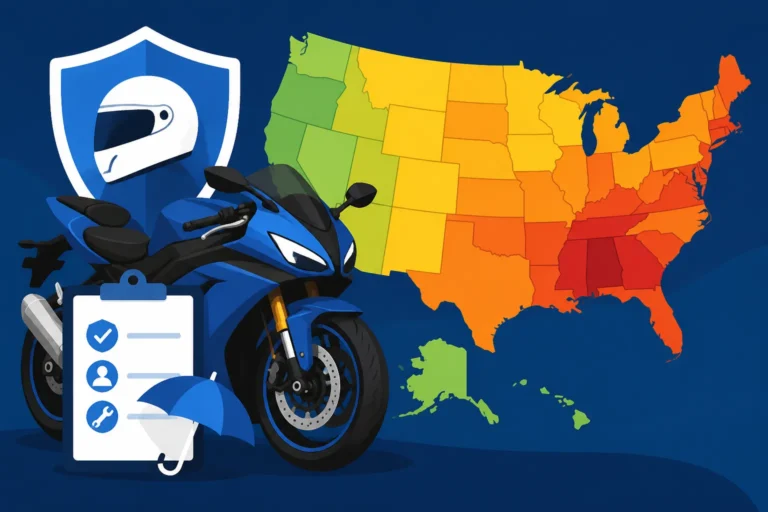
Where you live makes a huge difference. States with higher populations, more traffic, and higher rates of motorcycle theft or accidents often have higher average insurance premiums. For example, motorcycle insurance in California tends to be more expensive than in a state like Idaho, simply due to the sheer volume of riders and associated risks. You also need to consider your state's minimum requirements, as some states demand more coverage than others. Our guide on Motorcycle Insurance Requirements by State 2026 Guide can give you a clearer picture.
Then there's the type of coverage you select. You might think "liability only" is the cheapest route, and it usually is upfront. However, liability coverage only pays for damages and injuries you cause to others in an accident. If your bike is damaged or stolen, or if you get hurt, liability won't cover your losses. For many young riders with newer or financed bikes, opting for a full coverage policy including comprehensive and collision is a necessity, but it also dramatically increases the premium. For a financed bike, lenders almost always require full coverage, adding to the cost. Deciding what coverage you actually need is a crucial step in managing your budget, which you can explore further in our guide on What Motorcycle Coverage Do You Actually Need?.
Strategies to Slash Those Soaring Premiums
It’s not all doom and gloom! While teenage motorcycle insurance is undeniably expensive, there are concrete steps you can take to bring those rates down. You just have to be smart, proactive, and sometimes, a little patient. Every dollar saved on insurance means more money for gas, gear, or even just a well-deserved burger after a long ride.
Invest in a Motorcycle Safety Course
This is, hands down, one of the best investments a young rider can make. Completing a Motorcycle Safety Foundation (MSF) course or a similar approved rider training program not only makes you a safer, more confident rider, but it also often qualifies you for a significant insurance discount. Many insurance companies offer discounts of 10-15% or even more for riders who complete these courses. It shows them you're serious about safety and have learned crucial skills beyond the basic licensing requirements.
Beyond the discount, the skills you gain are invaluable. You’ll learn advanced braking techniques, hazard avoidance, and how to handle various road conditions – all things that reduce your likelihood of an accident. This isn't just about saving money; it's about protecting yourself on the road, which is truly priceless. Always ask your potential insurer about their specific rider training discounts. It’s a win-win situation for your safety and your wallet. Our article Does a Motorcycle Safety Course Lower Insurance? dives deeper into this benefit.
Choose Your First Bike Wisely
We touched on this earlier, but it bears repeating: the type of motorcycle you choose as a teenager will have an enormous impact on your insurance rates. While that powerful 600cc sport bike might be calling your name, starting with a smaller, less powerful, and more "standard" or "cruiser" style bike can save you hundreds, if not thousands, on your annual premium.
Insurance companies view smaller engine cruisers, standard bikes, or even some dual-sports as lower risk. They are typically less expensive to repair, less likely to be stolen, and don't invite the same kind of high-speed riding that often leads to accidents. Consider models like the Honda Rebel 250/300, Suzuki TU250X, or even a smaller displacement Kawasaki Vulcan S. These are fantastic beginner bikes that are fun to ride and much more forgiving on your insurance bill. You can always upgrade later when your experience grows and your rates naturally drop with age and a clean record. This is a primary factor explored in Motorcycle Insurance Cost by Bike Type.
Leverage All Available Discounts
You'd be surprised how many discounts you might qualify for, especially if you take the time to ask and shop around. Insurance companies offer a plethora of ways to shave a few bucks off your premium. For teenagers, some key ones to look for include:
- Good Student Discount: If you maintain a certain GPA, some insurers will reward you for it. It's their way of saying responsible students tend to be responsible drivers.
- Multi-Policy Discount: If your parents have their home or auto insurance with a particular company, see if you can get a discount by adding your motorcycle policy there. Bundling is often a great way to save. Sites like The Zebra can help you quickly compare how bundling might affect your overall rates across different providers.
- Safety Features Discount: If your bike has anti-lock brakes (ABS), an anti-theft alarm, or a GPS tracking device, make sure your insurer knows! These features reduce risk and can earn you a break.
- Homeowner Discount: If your parents own their home and you're still on their policy (or getting added to it), sometimes that can also provide a small discount.
- Paid in Full Discount: If you can afford to pay your entire annual premium upfront, many companies will offer a small discount compared to monthly payments.
Don't be shy about asking about every single discount possible. Every little bit adds up, and it’s these combined savings that can make motorcycle ownership feasible for a teenager. Our guide on Motorcycle Insurance Discounts You're Missing details even more ways to save.
The Power of Parental Policies and Comparison Shopping
While you might dream of total independence, being added to a parent's existing insurance policy can sometimes be a lifesaver for a teenager’s motorcycle insurance rates. Many insurers offer multi-vehicle or multi-policy discounts, and if your parents already have their car or home insurance with a company like Progressive or Geico, adding your bike might be cheaper than a standalone policy. This is definitely worth exploring and comparing. It often comes down to the insurer's specific underwriting rules and the risk profile they assign to your household.
The other crucial step is comparison shopping. Never settle for the first quote you get. Different insurance companies specialize in different risk profiles, and what's expensive with one might be surprisingly affordable with another. Online comparison tools, like those offered by The Zebra, are incredibly helpful here. You can input your information once and get multiple quotes from various providers almost instantly, allowing you to see who offers the best rate for your specific situation. This saves a tremendous amount of time and ensures you’re not leaving money on the table. For a deeper dive, check out How to Compare Motorcycle Insurance Quotes.
The Bottom Line for Young Riders
Riding a motorcycle as a teenager is an exhilarating experience, a taste of freedom that few things can match. The high cost of insurance is a significant hurdle, but it's not insurmountable. By understanding why rates are high, being strategic about your bike choice, investing in safety training, and diligently seeking out every possible discount, you can make that dream a reality. It requires patience and a bit of homework, but the reward of the open road is absolutely worth it. Start smart, ride safe, and remember that with time and a clean record, those insurance rates will eventually start to come down.
Disclaimer
Please note that this article provides general information and estimates regarding motorcycle insurance costs. Insurance premiums are highly individualized and depend on a multitude of factors including location, specific bike model, rider history, chosen coverage, and current market conditions. It is essential to obtain personalized quotes from several insurance providers to determine your exact costs. This content is not financial or legal advice.