Best Motorcycle Insurance for a Dual-Sport
Riding a dual-sport motorcycle is an incredible experience, offering the freedom of the open road mixed with the thrill of tackling unpaved trails and rugged terrain. But when it comes to insuring these versatile machines, many riders hit a snag: finding a policy that truly understands and adequately covers both sides of their bike's personality. It's frustrating to feel like you're trying to fit a square peg in a round hole, either paying too much for unnecessary street-focused coverage or lacking protection for your off-road adventures. This guide will walk you through everything you need to know about securing the best motorcycle insurance for your dual-sport, ensuring you’re covered no matter where your ride takes you.
Understanding Dual-Sport Insurance Needs
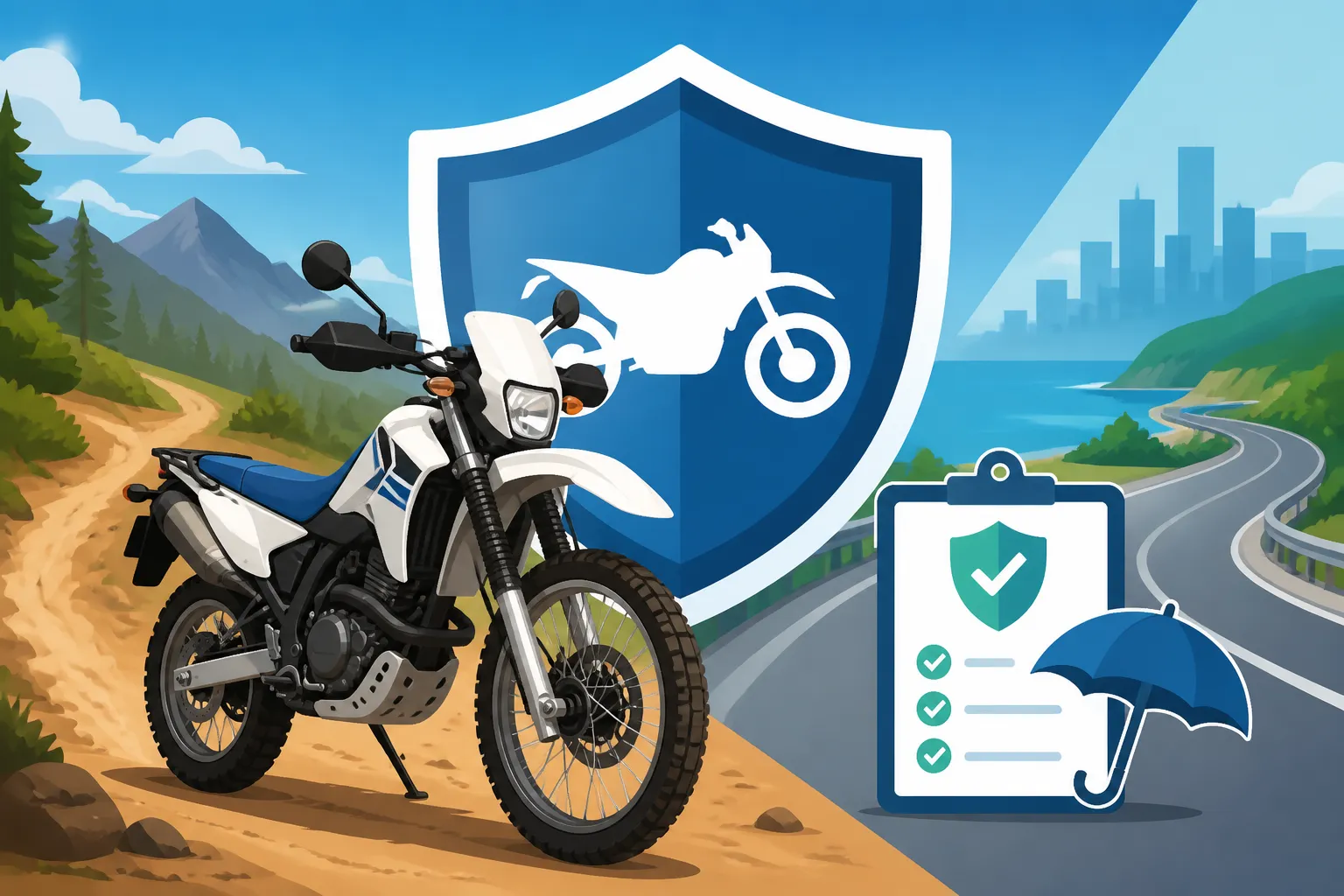
Dual-sport motorcycles are unique beasts, designed to excel in two very different environments. This inherent versatility, while being their greatest strength, can also be their biggest challenge when it comes to insurance. They're not just street bikes, nor are they solely dirt bikes; they're a hybrid, and your insurance needs to reflect that.
The Dual Nature Dilemma: On-Road vs. Off-Road Risks
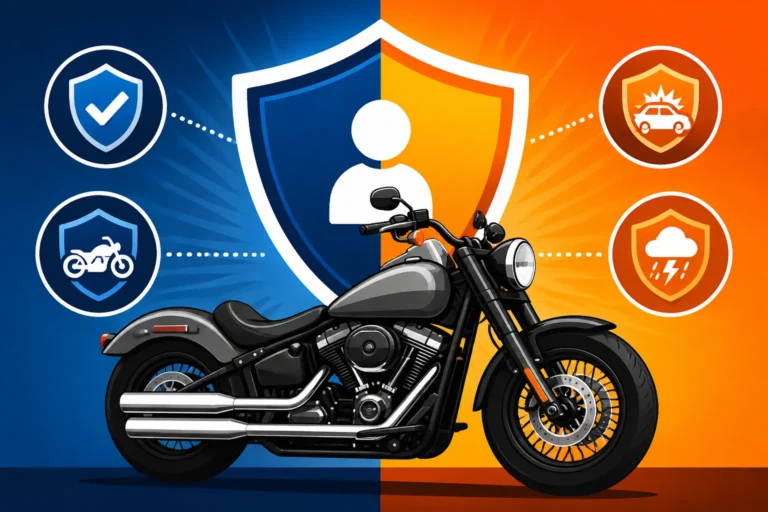
Think about it: when you're cruising down the highway on your dual-sport, you face the same risks as any other road-legal motorcycle – collisions with other vehicles, theft, or hitting a deer. Standard liability coverage is crucial here, protecting you financially if you cause an accident that injures others or damages their property. Then there's comprehensive and collision coverage, which step in to protect your own bike from things like impacts with other vehicles or objects, fire, vandalism, and theft. These are pretty standard across the board for road-legal motorcycles.
However, once you leave the pavement and hit the trails, a whole new set of risks emerges. Your chances of a single-vehicle tip-over, a slide on loose gravel, or even an impact with natural obstacles like rocks or trees increase significantly. While some of these might fall under collision if you hit an object, it's critical to understand the nuances of how off-road incidents are handled. Not all standard policies are created equal, and some might have exclusions or limitations for damage incurred during off-road riding, especially if it's considered "extreme" or "racing." This dual risk profile means you need an insurer that truly grasps the specific scenarios a dual-sport rider might encounter, both on the blacktop and in the backcountry.
Key Coverages Every Dual-Sport Rider Needs
Beyond the basic liability that's required to ride legally in most states, dual-sport riders really need to think about a few specific types of coverage to ensure full protection. Here's a breakdown of what you should consider:
- Liability Coverage: This is non-negotiable. It covers the costs of damages and injuries you cause to others in an accident. State minimums are often too low to offer real protection, so consider higher limits, especially if you have significant assets to protect. You can learn more about this by checking out our guide on Types of Motorcycle Insurance Coverage Explained.
- Collision Coverage: This pays for damages to your own motorcycle if it collides with another vehicle or object (like a tree or a guardrail), regardless of who is at fault. For dual-sport riders, this is particularly important because off-road spills and impacts are common.
- Comprehensive Coverage: This is your protection against non-collision incidents such as theft, vandalism, fire, natural disasters (like floods or hail), and hitting an animal. If your dual-sport gets stolen from your garage or vandalized in a parking lot, comprehensive coverage will be your saving grace. For a deeper dive into these two, take a look at our article on Collision vs Comprehensive Motorcycle Coverage.
- Uninsured/Underinsured Motorist (UM/UIM) Coverage: This is a lifesaver. It protects you if you're hit by a driver who doesn't have insurance or doesn't have enough insurance to cover your medical bills or bike repairs. Unfortunately, there are a lot of uninsured drivers out there, and dual-sport riders are just as vulnerable on the road. Don't overlook our comprehensive guide on Uninsured & Underinsured Motorist Coverage UM/UIM.
- Medical Payments (MedPay) or Personal Injury Protection (PIP): These cover your medical expenses and sometimes lost wages, regardless of fault. Given the higher risk of injury in motorcycle accidents, especially off-road, this coverage can be incredibly valuable for dual-sport riders.
- Accessories and Custom Parts Coverage: Many dual-sport riders customize their bikes with crash bars, upgraded suspensions, skid plates, GPS systems, aftermarket exhaust systems, or specialized lighting. Standard policies often have low limits for these additions, if they cover them at all. Make sure your policy offers adequate Accessories & Custom Parts Coverage Explained to protect your investment. You don't want to be left footing the bill for a destroyed aftermarket bash plate or a broken GPS unit if something goes wrong on the trail.
- Off-Road Coverage Endorsements: This is where dual-sport insurance really differentiates itself. Some standard policies might exclude damage during off-road use or require a specific endorsement. Be explicit with your insurer about your off-road intentions and ensure your policy covers accidental damage, recovery costs, or even specific gear damage sustained while not on paved roads.
Factors Affecting Dual-Sport Insurance Rates
Just like any other vehicle, the cost of insuring your dual-sport isn't a one-size-fits-all number. A multitude of factors come into play, influencing how much you'll pay. Understanding these can help you identify areas where you might be able to save some money or understand why your quotes might be higher or lower than expected.
How Your Bike's Specs Influence Premiums
The specific make and model of your dual-sport motorcycle play a significant role in determining your insurance premium. Insurers assess the risk associated with different bikes based on a few key characteristics:
- Engine Size (CCs): Generally, motorcycles with larger, more powerful engines tend to have higher insurance rates. A 1250cc BMW GS will almost certainly cost more to insure than a 300cc Kawasaki KLX. More power often translates to a higher risk of accidents, and potentially more severe damage when they do occur.
- Make and Model: Certain brands and models are statistically associated with higher theft rates or more expensive repair costs. A popular model like a KTM 690 Enduro R or a Honda Africa Twin might have different rates than, say, an older Suzuki DR-Z400. Newer, more technologically advanced bikes often have higher sticker prices, meaning higher replacement costs for the insurer.
- Value and Replacement Cost: The higher the value of your dual-sport, the more expensive it will be to insure, especially if you opt for comprehensive and collision coverage. A brand-new adventure bike costing $20,000 will naturally have higher premiums for full coverage than a used dual-sport you picked up for $5,000.
- Modifications and Aftermarket Parts: As mentioned, many dual-sport riders add protective gear, performance enhancements, or comfort accessories. While these make your ride better, they also increase the value of your bike and, consequently, the cost to replace or repair them. Always declare significant modifications to your insurer to ensure they are properly covered. Failure to do so could result in a denied claim if something happens to those unlisted parts.
Rider Profile and Experience
Beyond the bike itself, you are a major factor in how insurers calculate your premium. Your personal riding history and demographics paint a picture of your risk level.
- Age and Experience: This is a big one. Young riders, especially those under 25, typically face higher insurance rates because they are statistically more prone to accidents. As you gain more experience and age gracefully, your rates tend to decrease. You can explore this further in our detailed article on Motorcycle Insurance Cost by Age. New riders, regardless of age, might also see higher initial premiums until they establish a clean riding record.
- Riding Record: A clean driving and riding record is your best friend when it comes to insurance costs. Accidents, speeding tickets, or other moving violations will almost certainly increase your premiums, sometimes significantly. Insurers see these as indicators of higher risk.
- Location: Where you live and primarily ride your dual-sport matters. Urban areas with higher traffic density and theft rates usually have higher insurance costs than rural areas. Even within a state, rates can vary considerably from one zip code to another.
- Riding Habits: How much you ride, and when, can sometimes influence rates. If you only ride seasonally or have very low annual mileage, some insurers might offer discounts, though this is less common for dual-sports that are often used year-round.
- Motorcycle Safety Course Completion: Taking an approved motorcycle safety course, like those offered by the Motorcycle Safety Foundation (MSF), is a fantastic way to not only improve your riding skills but also often qualify for a discount on your insurance premium. Many insurers view these courses as a sign of responsible riding. Check out Does a Motorcycle Safety Course Lower Insurance? for more details on how this can benefit you.
Comparing Top Insurers for Dual-Sport Motorcycles
Finding the right insurance for your dual-sport isn't just about the cheapest price; it's about getting the right coverage from a company that understands your needs. Not all insurance providers are created equal, especially when it comes to niche bikes like dual-sports.
What to Look for in a Dual-Sport Policy Provider
When you're shopping around, don't just jump at the first quote. Take your time to compare and understand what each insurer offers.
- Understanding of Dual-Sports: The biggest differentiator. Some larger, general insurers might lump dual-sports in with standard street bikes, potentially missing critical off-road coverage options or charging you unfairly. Look for companies that specifically mention off-road or adventure bike coverage options. Progressive, for instance, is known for its extensive motorcycle coverage options, which often extend well to dual-sports and adventure bikes. Dairyland is another specialist that often understands the nuances of various motorcycle types, including dual-sports.
- Customization Options: As we discussed, dual-sport riders often have unique gear and modifications. Ensure the insurer offers robust Accessories & Custom Parts Coverage Explained with high enough limits to protect your investment. Some policies might cap coverage for accessories at a very low amount, leaving you exposed if your expensive skid plate or crash bars are damaged.
- Claims Process for Off-Road Incidents: This is huge. If you drop your bike on a remote trail, how easy is it to file a claim? Does the insurer have experience handling these types of claims? Are recovery services (like roadside assistance for off-road towing) available? A company with a clear and fair claims process for off-road incidents is invaluable.
- Customer Service and Reputation: Look at customer reviews and ratings for specific insurers. A great rate isn't worth much if you can't get hold of anyone when you need to file a claim, or if their adjusters are difficult to work with.
Strategies for Finding the Best Rates
It might feel overwhelming, but there are tried-and-true methods to ensure you're getting the most bang for your buck without sacrificing essential coverage.
- Get Multiple Quotes: This is arguably the most important step. Don't settle for the first quote you get. Insurance rates vary wildly between companies for the exact same coverage. Websites like The Zebra can be incredibly helpful here, allowing you to quickly compare quotes from several different providers side-by-side. This saves you a ton of time and ensures you're seeing a broad spectrum of options. Seriously, dedicating an hour to comparing quotes through a platform like The Zebra could save you hundreds of dollars a year.
- Utilize Comparison Tools: Beyond individual insurer websites, online comparison tools (like, you guessed it, The Zebra) are designed to streamline this process. You input your information once, and it pulls quotes from various carriers. This is much more efficient than going to each insurer's site individually.
- Work with an Independent Agent: If you prefer a human touch or have a complex riding profile, an independent insurance agent can be a great resource. They work with multiple insurance companies and can help you navigate the options to find the best fit for your dual-sport.
- Review Coverage Limits and Deductibles: While aiming for the "cheapest" rate, make sure you're not sacrificing critical coverage. A very low premium might come with ridiculously high deductibles or minimal coverage limits, leaving you vulnerable in a major incident. Always ensure you're comparing apples to apples when looking at quotes. Our article on How to Compare Motorcycle Insurance Quotes delves deeper into this.
Here’s a quick overview of what to look for when comparing policies for your dual-sport:
| Feature/Coverage | Why It Matters for Dual-Sports | What to Ask/Look For |
|---|---|---|
| Liability Limits | Protects you financially on public roads. | Aim for higher than state minimums (e.g., 100/300/100). |
| Collision Coverage | Essential for on-road accidents and off-road tip-overs/impacts. | Does it cover damage from off-road incidents without exclusions? |
| Comprehensive Coverage | Crucial for theft, vandalism, animal strikes, fire. | Covers non-collision damage, especially important if you park outdoors or travel. |
| UM/UIM Coverage | Protection against uninsured drivers on the road. | Important as many drivers lack adequate coverage. |
| Medical Payments | Covers your medical bills regardless of fault. | Especially valuable given the risk of injury in any motorcycle accident. |
| Accessories/Custom Parts | Dual-sport specific modifications are common and expensive. | Look for high limits (e.g., $3,000-$10,000) or option to increase. |
| Roadside Assistance | Getting stuck off-road or on the highway is a pain. | Does it include off-road recovery? Towing distance limits? |
| Off-Road Endorsements | Specific coverage for damages sustained on trails/unpaved roads. | Explicitly ask if off-road use is covered or requires an add-on. |
| Deductibles | Your out-of-pocket cost for claims. | Balance lower premiums with an affordable deductible you can pay. |
Smart Tips for Lowering Your Dual-Sport Insurance Costs
Nobody wants to pay more than they have to for insurance, especially when you've already invested a good chunk of change into your awesome dual-sport. The good news is there are several strategies you can employ to bring those premiums down without compromising vital protection.
Discounts Tailored for Dual-Sport Riders
Many insurance companies offer a variety of discounts that can significantly reduce your premium. It's always worth asking about every possible discount, as some aren't automatically applied.
- Motorcycle Safety Course Discount: As mentioned earlier, completing an approved motorcycle safety course is one of the easiest ways to show insurers you're a responsible rider and earn a discount. It's a win-win: you become a better, safer rider, and your wallet gets a break. This is one of the most common and impactful discounts out there.
- Multi-Policy Discount: If you have your car insurance, home insurance, or even renters insurance with the same company, bundling your motorcycle policy can lead to substantial savings. Insurers love to keep all your business under one roof. Many riders find that getting their dual-sport policy from a major insurer like Progressive or State Farm, where they already have other policies, often yields the best bundled rates.
- Experienced Rider Discount: The longer you've held a motorcycle license and maintained a clean riding record, the better your rates will likely be. This discount often kicks in after several years of incident-free riding.
- Anti-Theft Device Discount: Installing an approved anti-theft system (like an alarm, GPS tracker, or even a heavy-duty chain lock) on your dual-sport can qualify you for a discount. Dual-sports can be attractive targets for thieves due to their versatility and value, so any measure to deter theft is seen favorably by insurers.
- Riding Association Discount: Some insurers offer discounts if you're a member of a motorcycle riding association, such as the American Motorcyclist Association (AMA). Check if your insurer has partnerships with any such organizations.
- Loyalty Discount: Staying with the same insurance company for several years can sometimes earn you a loyalty discount. However, don't let this stop you from shopping around annually using tools like The Zebra, as a new insurer might still offer a better deal even without a loyalty bonus. For more ideas, check out our guide on Motorcycle Insurance Discounts You're Missing.
Adjusting Your Coverage for Savings
Beyond discounts, strategically reviewing and adjusting your coverage choices can also lead to significant savings. This is a balance between risk tolerance and financial prudence.
- Choose a Higher Deductible: Your deductible is the amount you pay out of pocket before your insurance kicks in for a claim. Increasing your deductible from, say, $500 to $1,000 will almost always lower your premium. Just make sure you have enough emergency funds to cover that higher deductible if you ever need to file a claim. This is a common strategy to lower overall costs.
- Review Your Comprehensive and Collision Coverage: If your dual-sport is older and has a low market value, you might consider dropping comprehensive and collision coverage entirely, or opting for a comprehensive-only policy during the off-season. While this saves money, remember you'll be fully responsible for any damage to your bike. For newer or more valuable dual-sports, especially those you're still making payments on, these coverages are usually essential.
- Consider Seasonal Lay-Up or Storage Coverage: If you live in a region with harsh winters and you garage your dual-sport for several months, some insurers offer a "seasonal lay-up" or "storage" option. This temporarily reduces your coverage to comprehensive-only (covering fire, theft, vandalism while stored) and removes collision and liability, saving you money during periods when you're not riding. This can be a smart move for riders in colder climates. Our article on Seasonal Lay-Up & Winter Storage Insurance provides an in-depth look at this option.
- Regularly Shop Around: Your insurance needs and the market change over time. It’s a good idea to get fresh quotes at least once a year, or whenever you renew your policy. You might find that another company is offering better rates for the same coverage, perhaps because their underwriting criteria have changed or they're more competitive in your area. Using a comparison site like The Zebra makes this process quick and painless.
- Maintain a Clean Driving Record: This bears repeating. Avoiding accidents and traffic violations is the absolute best way to keep your insurance rates low over the long term. A single ticket or at-fault accident can significantly increase your premiums for several years. For more general advice on reducing your overall costs, take a look at our How to Lower Your Motorcycle Insurance Premium guide.
Ultimately, finding the best motorcycle insurance for your dual-sport involves a bit of homework, but the effort is well worth it. You want the peace of mind that comes with knowing your versatile machine is protected, whether you’re commuting to work or chasing horizons down a gravel road. Don't be afraid to ask questions, compare options diligently, and tailor a policy that fits your unique riding style and budget. After all, your dual-sport is all about freedom, and the right insurance should support that freedom, not limit it.
Disclaimer
Please remember that insurance policies and requirements can change, and the information provided here is for general guidance only. Always consult directly with licensed insurance professionals and review specific policy documents to ensure you have the most accurate and up-to-date information for your individual needs. State laws and personal circumstances vary greatly, so personalized advice is always recommended.