How to File a Motorcycle Insurance Claim in Washington
Getting into a motorcycle accident is a terrifying experience, often leaving you shaken, possibly injured, and definitely wondering what the heck to do next. The last thing you need while trying to recover is to navigate the confusing maze of insurance claims, especially when each state seems to have its own unique set of rules. For riders in the Evergreen State, understanding how to file a motorcycle insurance claim in Washington is absolutely crucial to ensuring you get the compensation you deserve and can get back on the road safely. This guide will walk you through every step, from the immediate aftermath to dealing with adjusters and understanding state-specific nuances.
Initial Steps After a Motorcycle Accident in Washington
The moments immediately following an accident can feel chaotic, a blur of adrenaline and confusion. But what you do right away can significantly impact the success of your insurance claim down the line. It's not just about common sense; there are specific actions that are critical, especially when dealing with Washington State's legal and insurance framework.
Prioritizing Safety and Seeking Medical Attention
First things first: your health and safety are paramount. If you've been in a crash, even if you feel okay, assess yourself and anyone else involved for injuries. Adrenaline can mask pain, so what seems like a minor bump might be something more serious. Pull your bike and yourself to the safest possible location, if you can move, to avoid further danger from oncoming traffic. If you're seriously injured and can't move, stay put and wait for emergency services.
Never, ever try to tough it out when it comes to injuries after a motorcycle accident. Seek medical attention immediately, even if it's just a check-up at an urgent care clinic. This isn't just for your well-being; it creates an official record of your injuries. This documentation is invaluable for your insurance claim, linking any physical harm directly to the accident. Delays in seeking treatment can make it harder to prove that your injuries were a direct result of the crash, and insurers might use that against you. Keep meticulous records of all medical visits, diagnoses, treatments, and prescriptions.
Documenting the Scene and Gathering Information
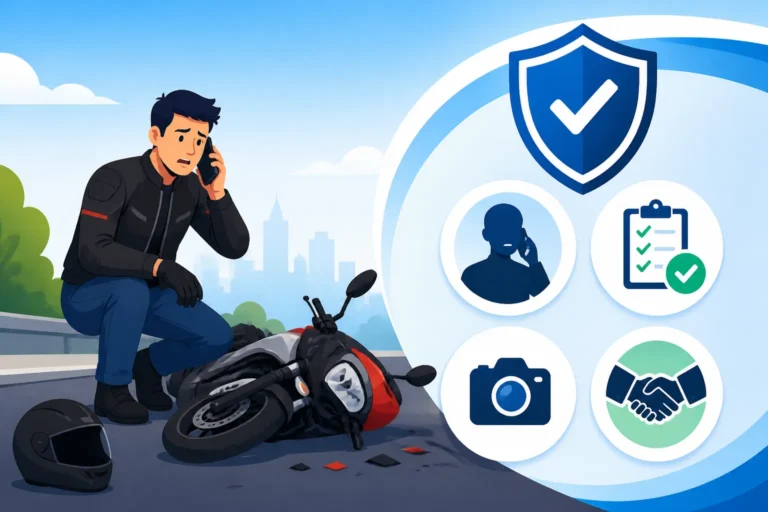
Once immediate safety and medical needs are addressed, it’s time to switch into detective mode. The more evidence you collect at the scene, the stronger your claim will be. Use your phone to take photos and videos of everything: your bike, the other vehicles involved, road conditions, traffic signs, skid marks, debris, and any visible injuries to yourself or others. Take pictures from different angles and distances.
Gather contact and insurance information from all parties involved, including drivers, passengers, and witnesses. Make sure to get their full names, phone numbers, addresses, driver's license numbers, vehicle license plates, and insurance company details with policy numbers. Don't engage in arguments or admit fault, even if you feel like you might have contributed. Stick to factual information gathering. If you can, jot down the exact time and date of the accident, the specific location, and a brief description of how it happened from your perspective. This detailed approach is a key part of "What to Do After a Motorcycle Accident (Insurance Steps)".
Notifying Law Enforcement in Washington State
In Washington, if an accident results in injury, death, or property damage exceeding $1,000 to any one vehicle or piece of property, you are legally required to report it to the police. Even if the damage seems minor, it’s often a good idea to call the police to the scene. A police report provides an official, unbiased account of the accident, which can be incredibly helpful for your insurance claim. The responding officer will document the scene, interview those involved, and often determine initial fault.
Once the police arrive, cooperate fully, but remember, you don't have to provide a detailed statement on fault at the scene beyond the basic facts. Simply recount what happened without speculating or admitting blame. Get the police report number and the officer's name and badge number so you can obtain a copy of the report later. This official document is gold when dealing with insurance companies and helps establish the credibility of your account.
Understanding Washington's At-Fault Insurance System
Washington operates under an "at-fault" insurance system, which is a critical piece of information when you're filing a motorcycle insurance claim. This means that the person who caused the accident is responsible for paying for the damages and injuries of all parties involved. It's not like some "no-fault" states where your own insurance pays for your medical bills regardless of who caused the crash.
How Fault Impacts Your Claim
In an at-fault state like Washington, proving who was responsible for the accident is paramount. If you are determined to be at fault, your liability insurance will kick in to cover the damages and injuries sustained by the other party. If the other driver is at fault, their insurance company will be on the hook for your medical bills, property damage (including your motorcycle), and other losses. This is why thorough documentation at the scene, including police reports and witness statements, is so vital.
However, it's not always black and white. Washington also follows a modified comparative negligence rule. This means if you are found to be partially at fault for the accident, your compensation will be reduced by your percentage of fault. For example, if you sustained $10,000 in damages but were found 20% at fault, you would only be able to recover $8,000 from the other party's insurer. If you are found to be 51% or more at fault, you cannot recover any damages from the other party. This aspect makes every detail count when it comes to proving liability and protecting your potential compensation.
Minimum Coverage Requirements in Washington
Every state has minimum insurance requirements, and Washington is no exception. Understanding these minimums is important because they dictate how much coverage might be available from an at-fault driver's policy. If the at-fault driver only carries the bare minimum, it might not be enough to cover all your damages, especially with extensive injuries or a totaled high-value bike.
Here are Washington's current minimum liability insurance requirements:
| Coverage Type | Minimum Limit per Person | Minimum Limit per Accident | Minimum Property Damage |
|---|---|---|---|
| Bodily Injury Liability | $25,000 | $50,000 | N/A |
| Property Damage Liability | N/A | N/A | $10,000 |
This means that if you're injured by an at-fault driver in Washington, their insurance will cover up to $25,000 for your bodily injuries, with a maximum of $50,000 for all injuries in the accident, and up to $10,000 for damage to your motorcycle or other property. You can learn more about these specifics in "Motorcycle Insurance Requirements by State (2026 Guide)" and "Washington Motorcycle Insurance Requirements." Many riders opt for higher limits than the state minimums to ensure better protection, as $25,000 can be quickly exhausted in a serious motorcycle accident given medical costs and bike repair expenses.
The Step-by-Step Process for Filing Your Claim
Once the immediate aftermath is handled, and you have a basic grasp of Washington's fault system, it's time to officially open a claim. This is where the paperwork and phone calls begin, and it's essential to be organized and methodical.
Contacting Your Insurance Provider
Your first call, after the police and medical attention, should be to your own insurance company. Even if the accident wasn't your fault, it's generally a good idea to inform them promptly. Many policies require timely notification of an accident. They can guide you through the process, explain your coverage, and initiate the claim on your behalf, even if it's against the other driver's insurance. If you have collision coverage, for instance, your insurer can pay for your bike's repairs and then seek reimbursement from the at-fault driver's insurer through a process called subrogation.
If you know the other driver's insurance information, you can also contact their carrier directly to file a third-party claim. However, having your own insurer involved can often streamline the process and offer an advocate on your side. Companies like Progressive and Dairyland have established claims departments that are well-versed in handling motorcycle accidents. Be prepared to provide the date, time, location of the accident, details about the other parties involved, and a brief factual description of what occurred.
What Information Your Insurer Will Need
When you file your claim, your insurance provider will ask for a lot of details. This is where all that diligent information gathering at the scene pays off. Expect to provide:
- Your policy number.
- Date, time, and location of the accident.
- Description of the accident: A concise, factual summary of how it happened. Avoid emotional language or assigning blame at this stage.
- Other parties' information: Names, contact details, vehicle information (make, model, license plate), and their insurance details.
- Witness information: Names and contact details.
- Police report number: And the name of the responding officer, if available.
- Details of injuries: For yourself and any passengers.
- Description of vehicle damage: To your motorcycle and any other property involved.
The more comprehensive and accurate your initial report, the smoother the process will likely be. This is why having your Proof of Insurance & Registration for Motorcycles readily accessible is always a smart move. Keep a log of all communications with your insurance company, including dates, times, who you spoke with, and what was discussed. This record can be invaluable if any disputes arise.
Dealing with the Adjuster and Vehicle Inspection
Once your claim is filed, an insurance adjuster will be assigned to your case. This person's job is to investigate the accident, determine fault, assess damages, and ultimately decide on a settlement. They will likely contact you to take a recorded statement, inspect your motorcycle, and review all the evidence you've provided.
When speaking with the adjuster, remain calm and stick to the facts. Provide the information you gathered but avoid speculating or making definitive statements about fault. They might try to get you to admit some level of fault or accept a quick, lowball settlement. Remember, their primary goal is to minimize the payout from their company. For the vehicle inspection, arrange for your damaged motorcycle to be assessed at a reputable repair shop. The adjuster will review the damage and determine the cost of repairs or if the bike is considered a total loss. Understanding "What Happens When Your Motorcycle Is Totaled?" is important here, as it dictates whether you'll be repairing or replacing your beloved ride.
Navigating Common Challenges and Legalities
Even with a straightforward accident, issues can arise. Knowing how to handle these common challenges and understanding when legal assistance is beneficial can make a significant difference in the outcome of your claim.
Dealing with Uninsured Motorists in Washington
One of the biggest fears for any rider is being hit by someone without insurance. Unfortunately, it happens, and Washington State has its fair share of uninsured drivers. If you're involved in an accident with an uninsured motorist, your options depend on your own policy. This is where Uninsured & Underinsured Motorist Coverage (UM/UIM) becomes your best friend.
If you have UM/UIM coverage on your policy, your own insurance company will pay for your medical expenses, lost wages, and property damage up to your policy limits, just as if the other driver had insurance. Then, your insurer might pursue the uninsured driver for reimbursement. If you don't have this coverage, things get much more complicated. You might have to pursue the uninsured driver directly through legal channels, which can be a long and difficult process, especially if they have no assets. Therefore, many experts, and companies like The Zebra, highly recommend carrying robust UM/UIM coverage for maximum protection on Washington roads. You can learn more about this scenario in "How to File a Claim When Hit by an Uninsured Driver".
When to Consult a Personal Injury Attorney
While it's possible to handle a claim yourself, there are several situations where hiring a personal injury attorney specializing in motorcycle accidents is highly advisable:
- Serious Injuries: If you've sustained significant injuries that require extensive medical treatment, result in lost wages, or cause long-term disability.
- Disputed Fault: If the other party or their insurance company disputes who was at fault for the accident, or if you're deemed partially at fault under Washington's comparative negligence rules.
- Lowball Settlement Offer: If the insurance company offers a settlement that doesn't seem to cover all your damages, including medical bills, bike repairs, lost income, and pain and suffering.
- Uninsured/Underinsured Motorist: If the at-fault driver is uninsured or their policy limits are insufficient to cover your damages.
- Complex Claims: If there are multiple vehicles, parties, or complicating factors involved.
An attorney can help negotiate with insurance companies, gather additional evidence, understand "Motorcycle Insurance Minimums: 25/50/25 Meaning," and represent you in court if necessary. They know the tactics insurers use and can fight for the full compensation you deserve. Most personal injury attorneys work on a contingency basis, meaning they only get paid if you win your case.
Understanding Diminished Value and Settlement Offers
When your motorcycle is repaired after an accident, even with perfect work, it might still lose value simply because it's been in a crash. This is known as "diminished value." In Washington, you may be able to claim diminished value as part of your property damage settlement if the other driver was at fault. This compensation covers the difference between your motorcycle's market value before the accident and its market value after being repaired. It's an often-overlooked aspect of a claim, but it can be substantial, especially for newer or high-value bikes.
When an insurance company presents a settlement offer, don't feel pressured to accept it immediately. Review it carefully, consider all your damages (medical bills, lost wages, pain and suffering, property damage, rental costs, diminished value, etc.), and compare it to what you believe you're truly owed. This is particularly important for your motorcycle itself. You might need to know "How to Negotiate a Motorcycle Total Loss Settlement" if your bike is totaled. If the offer seems low, you have the right to negotiate. An attorney can be incredibly helpful in this process, ensuring you don't leave money on the table. Remember, once you accept a settlement, you typically waive your right to seek further compensation for that specific accident.
Disclaimer
The information provided in this guide is for general informational purposes only and does not constitute legal or financial advice. Motorcycle insurance laws and regulations, especially in Washington, can change, and your specific situation may vary. Always consult with a qualified insurance professional or attorney for advice tailored to your individual circumstances.