How Do I Cancel and Get a Refund on Motorcycle Insurance?
It’s a common scenario: you’ve sold your beloved bike, found a better insurance deal, or maybe you're putting your motorcycle away for the winter, and now you’re staring at that active insurance policy wondering, "How do I actually cancel this thing, and will I get any money back?" Dealing with insurance changes can feel like navigating a maze, and nobody wants to pay for coverage they don't need or accidentally leave themselves exposed. This guide will walk you through the entire process of canceling your motorcycle insurance and explain exactly how refunds work, so you can make informed decisions without stress.
Understanding Why You Might Cancel Your Motorcycle Insurance
There are plenty of valid reasons why you might need to cancel your motorcycle insurance policy. Life on two wheels is dynamic, and your insurance needs often change with it. Knowing why you're canceling can help you approach the process with the right mindset and ensure you don't inadvertently create a problem for yourself.
Selling Your Motorcycle
One of the most frequent reasons riders cancel their insurance is because they’ve sold their motorcycle. Once that title is signed over and the bike is out of your hands, it feels counterintuitive to keep paying for coverage. It’s crucial to understand that simply selling the bike doesn't automatically cancel the insurance, and you'll need to proactively inform your provider.
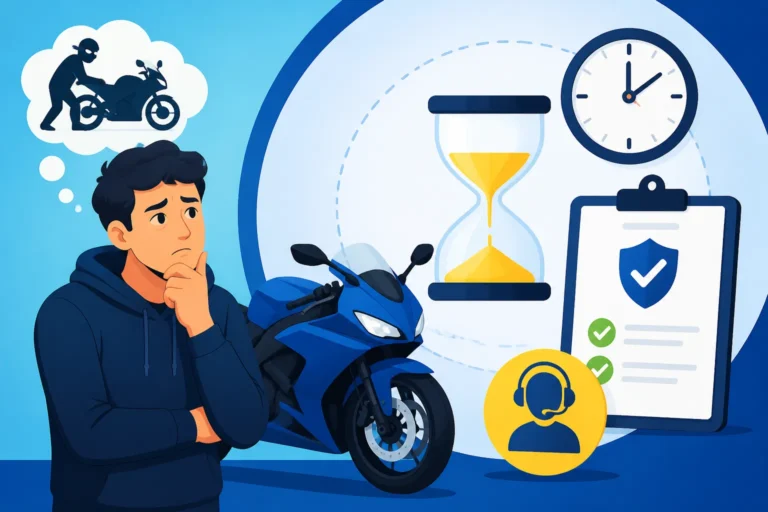
When you sell your motorcycle, you might be tempted to cancel your policy the very day the new owner rides off. However, it's often a good idea to maintain coverage for a short period, perhaps a day or two, especially if there's any paperwork outstanding or a slight delay in the transfer of ownership details. This small overlap can protect you if any unforeseen issues arise during the immediate post-sale period. Once you're certain the sale is final and all legal obligations regarding ownership transfer are met, that's when you should make the call to your insurance company. Remember, holding onto insurance for a bike you no longer own is just throwing money away, but canceling prematurely can leave you liable.
Switching Insurance Providers
Another common scenario involves finding a better deal or more suitable coverage with a different insurance company. Maybe your current insurer raised your rates, or perhaps another provider like Progressive offered a fantastic bundle discount that you couldn’t pass up. Whatever the reason, transitioning between companies requires a careful approach to avoid any gaps in your coverage.
Before you make the leap and cancel your existing policy, it's absolutely vital to have your new policy firmly in place and active. Imagine canceling your current insurance on a Friday, only to find out your new policy doesn't start until Monday due to a processing delay. That weekend, you'd be riding uninsured, which can lead to severe penalties if you're caught, not to mention a devastating financial hit if you get into an accident. Many riders use comparison sites like The Zebra to shop around, and once they've found a new policy they like, they set its effective start date to overlap by a day or two with their old policy's cancellation date. This ensures a seamless transition and keeps you protected without interruption.
Seasonal Riding or Storage
For many riders, especially those in regions with harsh winters, motorcycle riding is a seasonal activity. It doesn't make much sense to pay for full-blown collision and liability coverage when your bike is tucked away in the garage for months. This is where options for seasonal cancellation or storage-only coverage come into play.
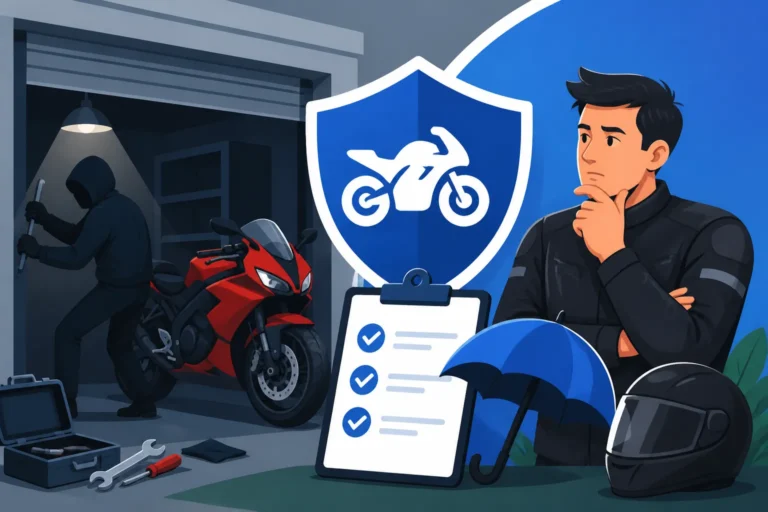
If you know your bike will be off the road for an extended period, you can often switch your policy to comprehensive-only coverage or a "lay-up" policy. This type of coverage protects your bike against theft, vandalism, fire, or other non-collision damage while it's in storage, but it doesn't cover you for accidents on the road. It's a fantastic way to save money during the off-season without leaving your valuable asset completely unprotected. Some riders even consider canceling their policy entirely if they live in one of the few states that don't mandate insurance, and they truly won't be riding, but this is a much riskier move that could expose you to significant financial loss if something happens to the bike or if you decide to take a quick, uninsured spin. Don't forget, Do You Need Insurance to Store a Motorcycle? is a question many riders ask, and the answer usually leans towards "yes" for peace of mind.
Step-by-Step Guide to Canceling Your Policy
Canceling your motorcycle insurance might seem daunting, but it's a straightforward process if you know the steps. Doing it correctly ensures you don't face unexpected charges or, worse, a lapse in coverage that could have serious consequences.
Gather Your Policy Information
Before you even pick up the phone or open an email, make sure you have all your policy details handy. This will speed up the process and prevent any back-and-forth with your insurance provider. You don't want to be fumbling for numbers when you're already on the line.
At a minimum, you'll want your policy number, which is typically found on your insurance ID card, declaration page, or any billing statements. Having your personal information like your full name, date of birth, and the VIN (Vehicle Identification Number) of the motorcycle you're canceling coverage for is also extremely helpful. If you're switching to a new provider, it's also wise to have your new policy's details available, especially its effective start date, so you can perfectly align the cancellation of your old policy. Being prepared helps the customer service representative quickly identify your account and process your request efficiently, saving you time and potential frustration.
Contact Your Insurance Provider
Once you have your information ready, the next step is to reach out to your current motorcycle insurance company. While some modern insurers might offer online cancellation options, a direct phone call is usually the most reliable and immediate method.
When you call, state clearly that you wish to cancel your motorcycle insurance policy. Be prepared to provide the policy number and the effective date you want the cancellation to take effect. If you’re switching providers, reiterate that your new policy is already active to prevent any pushback or attempts to retain your business. While they might try to offer you discounts or inquire about why you're leaving, you are not obligated to accept or explain in detail. Just politely decline and stick to your request. If you're dealing with a larger company like Progressive, their customer service lines are usually well-staffed to handle these requests. Remember, the goal is a clean break on your terms. For a deeper dive into the overall process, our guide on How to Cancel Motorcycle Insurance offers more nuanced advice.
Confirm Effective Cancellation Date
This is a critical step that often gets overlooked. Simply asking to cancel isn't enough; you need to confirm the precise date your policy will officially end. This helps you avoid any unintended gaps in coverage or paying for extra days you don't need.
During your call or interaction, make sure the representative confirms the exact date and time your coverage will cease. Request that they send you written confirmation of this cancellation, either via email or postal mail. This document is your proof that you followed through with the cancellation and that your insurer acknowledged it. Without this confirmation, you might find yourself in a tricky situation if there's a billing dispute later on or if you need to prove a lapse in coverage was the insurer's error. Always err on the side of caution and get it in writing. This is especially important for financial responsibility laws; you want a clear record of when your obligation with that particular policy ended.
Follow Up and Get Written Confirmation
Even after you've spoken with a representative and confirmed the date, a follow-up is a smart move. Insurance companies, like any large organization, can sometimes have processing delays or human error. Having proof that your policy is officially canceled is invaluable.
Wait a few business days after your cancellation request, then check your email and postal mail for the written confirmation. If you haven't received anything, don't hesitate to call back and inquire about the status. Politely explain that you're awaiting the cancellation confirmation and would like it resent. This written record serves as your official proof of cancellation and will also typically detail any refund amount you can expect. It’s also wise to check your bank or credit card statements in the following weeks to ensure no further premiums are charged. If you still have questions about specific refunds, our article on Do You Get a Refund When You Cancel Mid-Policy? provides excellent insights.
Demystifying Refunds: When and How They Work
One of the biggest questions people have when canceling motorcycle insurance is whether they'll get a refund. The good news is, usually, yes, you will! However, the amount and how it's calculated can vary. Understanding these mechanics can prevent surprises.
Pro-Rata Refunds Explained
Most commonly, when you cancel your policy mid-term, you'll receive a pro-rata refund. This is the fairest type of refund and means you only pay for the exact amount of time you were covered.
A pro-rata refund is calculated by taking your annual premium, dividing it by 365 days (or 12 months for monthly policies), and then multiplying that daily or monthly rate by the number of days or months remaining on your policy term. For example, if your annual premium is $1,200 and you cancel with exactly six months (182.5 days) left on a 12-month policy, you would theoretically get back $600. Most insurers work on a daily basis, so if you had paid for a full year and canceled 90 days in, you'd get a refund for the remaining 275 days of coverage. This method is standard practice, especially when you're canceling due to a sale or switching to another provider. It's essentially a straightforward calculation of unused premium returned to you.
Short-Rate Cancellations and Penalties
While pro-rata refunds are common, some insurance policies might include a "short-rate cancellation" clause. This is essentially a penalty for canceling your policy before its term is up.
A short-rate cancellation means that the insurer might withhold a small percentage of your unused premium as an administrative fee or penalty for early termination. This could be a fixed fee or a percentage (e.g., 5-10%) of the remaining premium. Insurance companies implement this to cover their administrative costs associated with setting up and then prematurely closing your policy. While less common with major carriers like Progressive or when canceling for legitimate reasons like a sale, it’s always worth reviewing your policy documents or asking directly when you call to cancel if a short-rate penalty applies. Many insurers have phased this out or only apply it in specific circumstances, but it's important to be aware of the possibility. This is especially true for those considering to Cancel or Switch Mid-Policy without immediate alternative coverage.
Here's a quick comparison of refund types:
| Refund Type | Description | Common Scenario | Financial Impact for You |
|---|---|---|---|
| Pro-Rata Refund | You get back the exact unused portion of your premium. | Selling your bike, switching providers, policy ends. | Full refund for unexpired coverage. |
| Short-Rate Refund | You get back most of the unused premium, but a small fee/penalty is deducted. | Early cancellation without specific "good cause" stated in policy. | Slight reduction in refund due to penalty. |
| No Refund | No premium is returned. | Policy term has fully expired, or coverage was used up to value. | You keep what you paid for; no money back. |
Factors Affecting Your Refund Amount
Several factors can influence the final refund amount you receive, so it's not always a straightforward calculation of "unused days." Understanding these can help set your expectations.
Firstly, if you've already had a claim during the policy period, even if it was a small one, it might impact your refund, though usually only if the claim payout exceeded the remaining premium. Secondly, if your premium was discounted for paying annually upfront, some insurers might adjust that discount when calculating a mid-term refund. Thirdly, the method of payment can affect how quickly you receive your refund. If you paid by credit card, the refund will typically be credited back to that card. If you paid by check or direct debit, a check might be mailed to you, which can take a few weeks to arrive. Always confirm the expected refund amount and the method and timeline for its delivery when you speak with your insurance representative. Our guide on Selling Your Motorcycle: When to Cancel Insurance also touches on refund specifics tied to vehicle sales.
Potential Pitfalls and Important Considerations
Canceling an insurance policy isn't just about getting a refund; it's about managing your risk and ensuring compliance with the law. There are several critical considerations to keep in mind to avoid headaches down the road.
Avoiding Lapses in Coverage
Perhaps the most crucial aspect of canceling motorcycle insurance is to avoid a lapse in coverage. A lapse occurs when there's a period where you own a motorcycle but don't have active insurance on it.
Riding without insurance is illegal in almost every state and carries severe penalties, including hefty fines, license suspension, vehicle impoundment, and even jail time in some jurisdictions. Even if you're not riding, a lapse can make it much harder and more expensive to get insurance in the future. Insurers view a lapse as a red flag, indicating higher risk, and may charge you significantly more or even refuse coverage. If you're switching policies, ensure your new coverage begins before your old one ends. If you're selling, don't cancel until the title has officially transferred. For those taking a break from riding, consider comprehensive-only or storage insurance rather than a full cancellation. Our guide on What Happens If You Let Coverage Lapse Then Restart? details the consequences of an uninsured period.
Impact on Your Insurance Record
Believe it or not, how you manage your insurance policies can have an impact on your overall insurance record, which in turn can influence future rates. A clean insurance history, free of lapses or frequent short-term cancellations, is always preferred.
While canceling a policy mid-term usually won't negatively impact your record if done properly (e.g., you immediately get new coverage or sell the vehicle), frequent, short-term cancellations without a clear reason could be seen as erratic behavior by some insurers. The ideal scenario is to maintain continuous coverage, even if it's with different providers. A history of continuous insurance coverage often qualifies you for "continuous insurance discounts" with new providers. So, while you're focused on saving money, remember that a strategic approach to cancellations and switches is key to maintaining a favorable insurance history and keeping your rates low in the long run. When you're ready to make a change, knowing How to Switch Insurers Without Coverage Gap is vital.
Special Situations: Financed Bikes and SR-22
Certain circumstances add layers of complexity to canceling your motorcycle insurance, particularly if your bike is financed or if you're required to carry an SR-22 filing. Ignoring these can lead to serious legal and financial repercussions.
If your motorcycle is financed, your lender almost certainly requires you to maintain specific levels of full coverage insurance (liability, collision, and comprehensive) for the entire duration of the loan. If you cancel your policy without replacing it, your lender will be notified and can force-place expensive coverage on you, known as "force-placed insurance," which protects their interest, not necessarily yours, and comes at a much higher cost. They might also deem you in default of your loan agreement. Always consult your lender and ensure new coverage is active before canceling an old policy on a financed bike. For those with an SR-22 requirement, canceling your policy without immediately obtaining a new one with an active SR-22 filing will lead to your state's DMV being notified, potentially resulting in immediate license suspension. This is a non-negotiable requirement, and details about SR-22 for Motorcycles: When It's Required are crucial if this applies to you.
Disclaimer
Please remember that this article provides general information and guidance regarding motorcycle insurance cancellation and refunds. Insurance laws, policy terms, and cancellation procedures can vary significantly by state and individual insurance provider. Always refer to your specific policy documents and consult directly with your insurance agent or company for personalized advice tailored to your situation.