How Much Is Motorcycle Insurance With No Riding Experience?
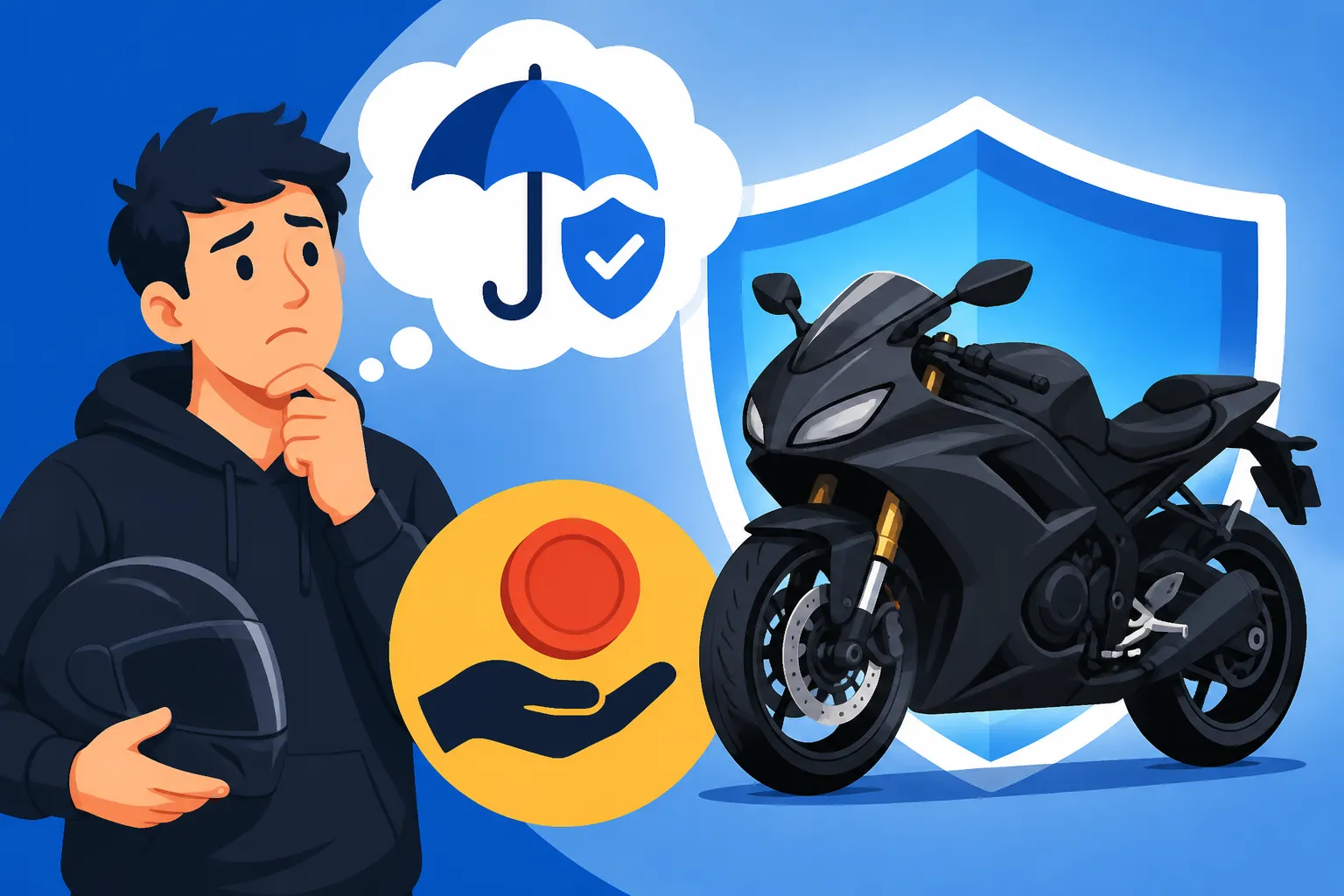
It's a common story: you've finally saved up for that first motorcycle, you've got your endorsement, and you're dreaming of open roads. Then you go to get insurance, and BAM! The quote hits you like a brick, often significantly higher than what your seasoned riding buddies pay. This guide is here to demystify why motorcycle insurance can be so expensive for new riders with no riding experience and, more importantly, how you can navigate these costs to get on two wheels without breaking the bank.
The Sticker Shock of Motorcycle Insurance for New Riders
Stepping into the world of motorcycle ownership is thrilling, but the initial insurance quotes can feel like a cold splash of water. Many new riders are genuinely surprised by how much more they're asked to pay compared to someone who's been riding for years. It's not just a minor difference; it can feel like a significant barrier, especially when you're already factoring in the cost of the bike, gear, and licensing. This isn't some arbitrary punishment; insurers have very specific, data-driven reasons for these rates.
Why Lack of Experience Matters So Much to Insurers
From an insurance company's perspective, a rider with no prior experience is simply a higher risk. Think about it: when you're new to anything, you're more prone to making mistakes. On a motorcycle, those mistakes can have serious consequences. Insurers look at a mountain of data, and that data consistently shows that inexperienced riders are statistically more likely to be involved in accidents, whether it's a minor tip-over in a parking lot or a more serious collision on the road. They factor in things like reaction time, hazard perception, cornering skills, and emergency braking abilities – all areas where new riders are still developing.
For example, a rider who's only had their motorcycle endorsement for a few months might panic and lock up their brakes in an unexpected situation, leading to a slide. A seasoned rider, on the other hand, might instinctively know how to apply progressive braking or swerve safely. This perceived higher probability of a claim means higher premiums. It's a fundamental aspect of how insurance works: risk assessment. They're not saying you will crash, but their statistics suggest you have a higher chance compared to someone with years of accident-free riding under their belt. This is a crucial piece of the puzzle when you're looking at what affects your motorcycle insurance rate.
The Real-World Impact on Your Premium
What does this higher risk translate to in actual dollars and cents? It means that for the same bike and the same coverage, a new rider might pay anywhere from 25% to 100% more than an experienced rider. Let's say an experienced rider in their 40s pays $500 a year for a cruiser. A 20-year-old new rider on the exact same cruiser could be looking at $1,000 or even $1,500 annually for a comparable policy.
This impact is felt across all types of coverage. Your liability insurance, which covers damages you might cause to others, will be higher because the risk of you causing an accident is greater. Your comprehensive and collision coverage, which protects your own bike, will also be higher because you're more likely to drop the bike or have a low-speed incident. It can feel disheartening, but understanding this initial hurdle is the first step toward finding solutions. Comparison sites like The Zebra can be particularly helpful here, as they allow you to see how different insurers price this risk and offer varying rates for new riders.
Key Factors Driving Up Costs for Inexperienced Riders
While "no experience" is a big red flag for insurers, it's rarely the only factor. Your personal profile and the choices you make about your motorcycle also play significant roles in how much you'll pay. Understanding these additional layers of risk can empower you to make more informed decisions right from the start. It’s not just about being new; it’s about the whole picture you present to the insurance company.
Age and Rider Profile
It's an undeniable truth in the insurance world: age plays a huge role. Young, inexperienced riders, especially those under 25, face the steepest rates. Why? Because statistics show that younger drivers and riders, even those with car driving experience, are involved in more accidents due to a combination of inexperience, higher risk-taking tendencies, and slower hazard recognition. If you're a young rider with no motorcycle experience, you're hitting the insurance company's "high-risk" checklist on multiple fronts.
For instance, an 18-year-old rider just getting their endorsement will almost certainly pay more than a 40-year-old who is new to motorcycling. The older, new rider is generally perceived as more mature, less likely to engage in risky behavior, and often has a longer, cleaner driving record from their car insurance to demonstrate responsibility. Even an older rider without motorcycle experience might see better rates than a younger one, simply because of the age factor alone. This is why when you search for "how much is motorcycle insurance for a beginner," age is always a top consideration.
The Type of Motorcycle You Choose
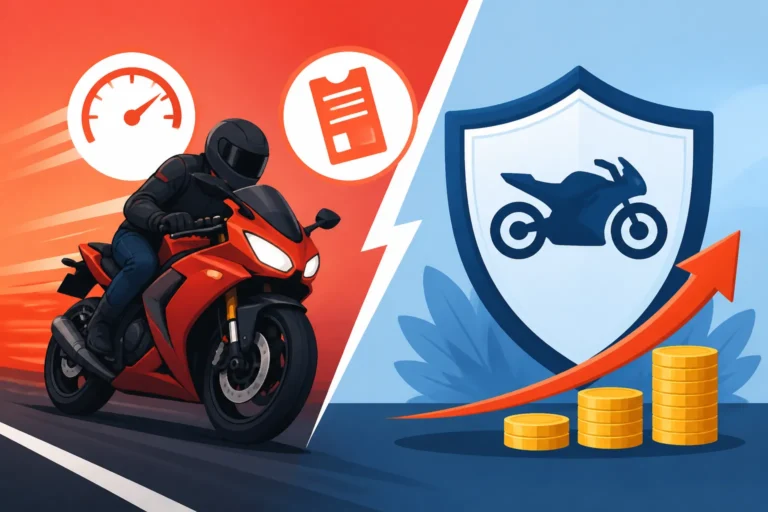
This is perhaps the single most impactful decision you can make as a new rider when it comes to insurance costs. Not all bikes are created equal in the eyes of an insurer. High-performance sport bikes, for example, are notorious for having astronomical insurance rates, particularly for inexperienced riders. These bikes are designed for speed and agility, and statistics show they are involved in more serious accidents.
On the flip side, cruisers, touring bikes, or standard motorcycles with smaller engine displacements (e.g., 250cc-650cc) are generally much cheaper to insure. They are seen as less prone to high-speed incidents and often attract a more cautious rider demographic. If you're just starting, opting for a smaller, more manageable bike like a Honda Rebel 300, a Kawasaki Ninja 400 (which is less aggressive than its bigger siblings), or a Yamaha V-Star 250 can dramatically lower your premium. Here's a quick comparison of how bike type can influence average annual insurance costs for a new rider:
| Motorcycle Type | Typical New Rider Impact | Example Bikes | Estimated Annual Premium (New Rider) |
|---|---|---|---|
| Sport Bike | Very High Risk | Yamaha R6, Suzuki GSX-R, Kawasaki Ninja ZX-6R | $2,000 – $4,500+ |
| Entry-Level Sport Bike | Moderate-High Risk | Kawasaki Ninja 400, Honda CBR300R | $1,000 – $2,500 |
| Cruiser | Low-Moderate Risk | Honda Rebel 500, Harley-Davidson Iron 883 | $700 – $1,800 |
| Standard/Naked | Low-Moderate Risk | Yamaha MT-03, Suzuki SV650 | $800 – $2,000 |
| Touring | Moderate Risk | Honda Gold Wing, Harley-Davidson Road Glide | $1,200 – $2,800 |
Note: These are estimated ranges for new riders and can vary wildly based on age, location, and specific coverage. Always get personalized quotes.
If you have your heart set on a specific, powerful machine, it might be worth waiting a few years until you have some riding experience under your belt and can demonstrate a cleaner claims history. This approach can save you thousands in premiums in the long run.
Where You Live and Ride
Believe it or not, your zip code can significantly impact your insurance rates. If you live in a densely populated urban area, your rates will generally be higher than if you live in a rural setting. More traffic, more opportunities for accidents, and higher rates of theft and vandalism in cities contribute to this. For example, a new rider in Los Angeles or New York City will likely pay substantially more than a new rider in a small town in Wyoming or Montana.
Insurers also look at the specific crime rates in your area, particularly for vehicle theft. If motorcycles are frequently stolen in your neighborhood, your comprehensive coverage will naturally be more expensive. Even factors like the local weather – whether your area has a long riding season or a short one – can indirectly influence rates, though this is less about your experience and more about regional risk. When comparing options, using platforms like The Zebra can help you see how your location specifically affects quotes from various providers.
Strategies to Lower Your Motorcycle Insurance Costs as a New Rider
Facing high insurance premiums as a new rider can be frustrating, but don't lose hope. There are several proactive steps you can take to significantly reduce those costs, even with limited experience. It's all about demonstrating to insurers that you're a responsible, safety-conscious individual who is actively working to mitigate their perceived risk.
Taking a Motorcycle Safety Course
This is, hands down, one of the best investments a new rider can make. Completing an approved motorcycle safety course, such as those offered by the Motorcycle Safety Foundation (MSF), not only equips you with crucial skills to ride safely but also signals to insurance companies that you're serious about responsible riding. Most insurers offer a significant discount—often 10% to 15%, sometimes even more—for completing such a course.
Beyond the discount, the real value lies in the education. These courses teach you critical techniques like emergency braking, evasive maneuvers, and proper cornering, which are invaluable for preventing accidents. Many states even require completion of such a course to obtain your motorcycle endorsement, so it often serves a dual purpose. Be sure to ask your insurance provider about their specific motorcycle safety course discount and what proof they require. This is often highlighted when you're exploring how to lower your motorcycle insurance premium.
Choosing the Right Bike
As discussed earlier, the type of motorcycle you choose has a monumental impact on your insurance rates. For a new rider, starting with a lower-powered, more manageable motorcycle is almost always the smart financial move. Cruisers, standard bikes, and smaller displacement (e.g., 250cc-650cc) adventure or entry-level sport bikes tend to be much cheaper to insure than high-performance machines.
Not only do these bikes typically have lower premiums, but they are also more forgiving to ride, making them ideal for learning and reducing the likelihood of minor drops or accidents. After a few years of safe riding and a clean claims history on a more modest bike, your rates will naturally decrease. Then, if you still yearn for that powerful sport bike, it will be significantly more affordable to insure. Remember, insurance companies look at the "risk profile" of the bike itself; a Ducati Panigale is inherently seen as higher risk than a Kawasaki Vulcan 650, regardless of who's riding it, but that risk is amplified for a new rider.
Exploring Discounts and Bundling Options
Don't just accept the first quote you get! Dig deep into potential discounts. Many insurance companies offer a variety of ways to save money, and new riders shouldn't overlook them.
- Multi-Policy Discount: If you already have car insurance, homeowner's, or renter's insurance with a company like Progressive or State Farm, ask about bundling your motorcycle policy. This can often lead to substantial savings across all your policies.
- Loyalty Discounts: While you might be new to motorcycle insurance, if you've been a loyal customer with the same insurer for your car, they might offer a discount for your new motorcycle policy.
- Anti-Theft Device Discount: Installing an alarm, GPS tracker, or even just having a secure garage where you store your bike can sometimes qualify you for a discount on comprehensive coverage.
- Paid-in-Full Discount: If you can afford to pay your annual premium upfront instead of monthly installments, many insurers will give you a discount.
- Rider's Club/Association Discount: Some insurers offer discounts to members of specific motorcycle clubs or organizations.
- Good Driver/Rider Discount: While you won't have a motorcycle-specific history yet, if you have a long, clean driving record for your car, some insurers might factor that into your motorcycle rates.
It's absolutely worth taking the time to shop around and compare motorcycle insurance quotes from multiple providers. A platform like The Zebra can help you do this efficiently, showing you various quotes and the discounts they include, allowing you to find the best possible rate for your situation. Every dollar saved on premiums is a dollar you can put towards better gear or more riding!
Understanding Essential Coverage Types for New Riders
When you're a new rider, it's easy to feel overwhelmed by all the different types of motorcycle insurance coverage. However, understanding the basics is crucial, not just for legal compliance but for your own financial protection. You want to make sure you're adequately covered without paying for things you don't necessarily need right away.
Minimum Liability Requirements
First things first: almost every state requires you to carry a minimum amount of liability insurance. This coverage is designed to protect other people and their property if you are at fault in an accident. It covers their medical bills and vehicle repair costs, up to your policy limits. It does not cover your own injuries or damages to your motorcycle.
Minimums vary greatly by state. For example, in California, the minimum liability limits are 15/30/5, meaning $15,000 for bodily injury per person, $30,000 for bodily injury per accident, and $5,000 for property damage. Texas has 30/60/25, offering higher property damage coverage. It’s critical to know your state’s specific requirements. Riding without at least this minimum coverage can lead to severe penalties, including fines, license suspension, and even jail time in some states. While it might be tempting to only get the bare minimum to save money, especially as a new rider, consider carrying more than the state minimums. In a serious accident, minimum coverage can be quickly exhausted, leaving you personally responsible for the remaining costs, which can be astronomical.
Considering Comprehensive and Collision
While liability protects others, comprehensive and collision coverage protect your own motorcycle.
- Collision Coverage: This pays for damages to your motorcycle if you hit another vehicle, an object (like a guardrail or tree), or if you lay your bike down. For a new rider, this coverage is almost non-negotiable, as minor drops or tip-overs are common during the learning phase. Even a low-speed incident can cause significant damage to fairings, handlebars, or engine casings.
- Comprehensive Coverage: This protects your bike from non-collision incidents such as theft, vandalism, fire, flood, hail, or hitting an animal (like a deer). Given that motorcycles are unfortunately a target for thieves, especially in urban areas, comprehensive coverage provides essential peace of mind.
If you have a brand-new motorcycle, a financed bike, or a particularly valuable machine, carrying both comprehensive and collision coverage is highly recommended. For financed motorcycles, your lender will almost certainly require you to carry full coverage. Even for an older, paid-off bike, if you couldn't afford to replace it out of pocket, these coverages are worth the investment. Think about what full coverage motorcycle insurance means and whether it's right for your situation.
Uninsured/Underinsured Motorist Protection
This is one of those coverages that many riders overlook, but it's incredibly important, especially when you consider the number of uninsured drivers on the road.
- Uninsured Motorist (UM) Coverage: This protects you if you're hit by a driver who doesn't have any insurance.
- Underinsured Motorist (UIM) Coverage: This steps in if the at-fault driver has insurance, but their policy limits aren't high enough to cover all your damages and medical bills.
Sadly, motorcycle riders are particularly vulnerable when hit by uninsured or underinsured drivers, often facing significant injuries and bike damage. Without UM/UIM, you could be left footing those bills yourself. In many states, UM/UIM coverage is highly recommended, and sometimes even offered as a standard part of your policy unless you specifically decline it. It's a relatively inexpensive add-on that provides a huge layer of protection against the negligence of others, which is something a new rider, or any rider, can't control. This coverage is often bundled with medical payments (MedPay) for riders, which helps cover your immediate medical expenses regardless of fault.
Riding a motorcycle is an exhilarating experience, and don't let the initial insurance costs deter you. By understanding the factors that influence your rates and proactively implementing strategies to lower them, you can find an affordable policy that gets you on the road safely and legally. Remember, every mile you ride responsibly builds your experience and, over time, can lead to even better rates. Ride safe out there!
Disclaimer
Please note that this content is intended for informational purposes only and does not constitute financial or legal advice. Motorcycle insurance requirements and costs vary significantly by state, individual circumstances, and insurance providers. Always consult with a qualified insurance professional to discuss your specific needs and obtain personalized quotes. Insurance policies are contracts; always read and understand your policy documents.