How Much Is Motorcycle Insurance After a Speeding Ticket?
Oh, the sinking feeling when those blue and red lights flash in your rearview mirror on your motorcycle! You know it's not just a ticket; it's a potential hit to your wallet long after the fine is paid, especially when it comes to your motorcycle insurance premiums. Many riders find themselves wondering just how big of an increase to expect and what they can do about it. This guide will dive deep into how a speeding ticket impacts your motorcycle insurance rates and, more importantly, what steps you can take to soften the blow.
The Immediate Impact of a Speeding Ticket on Your Motorcycle Insurance
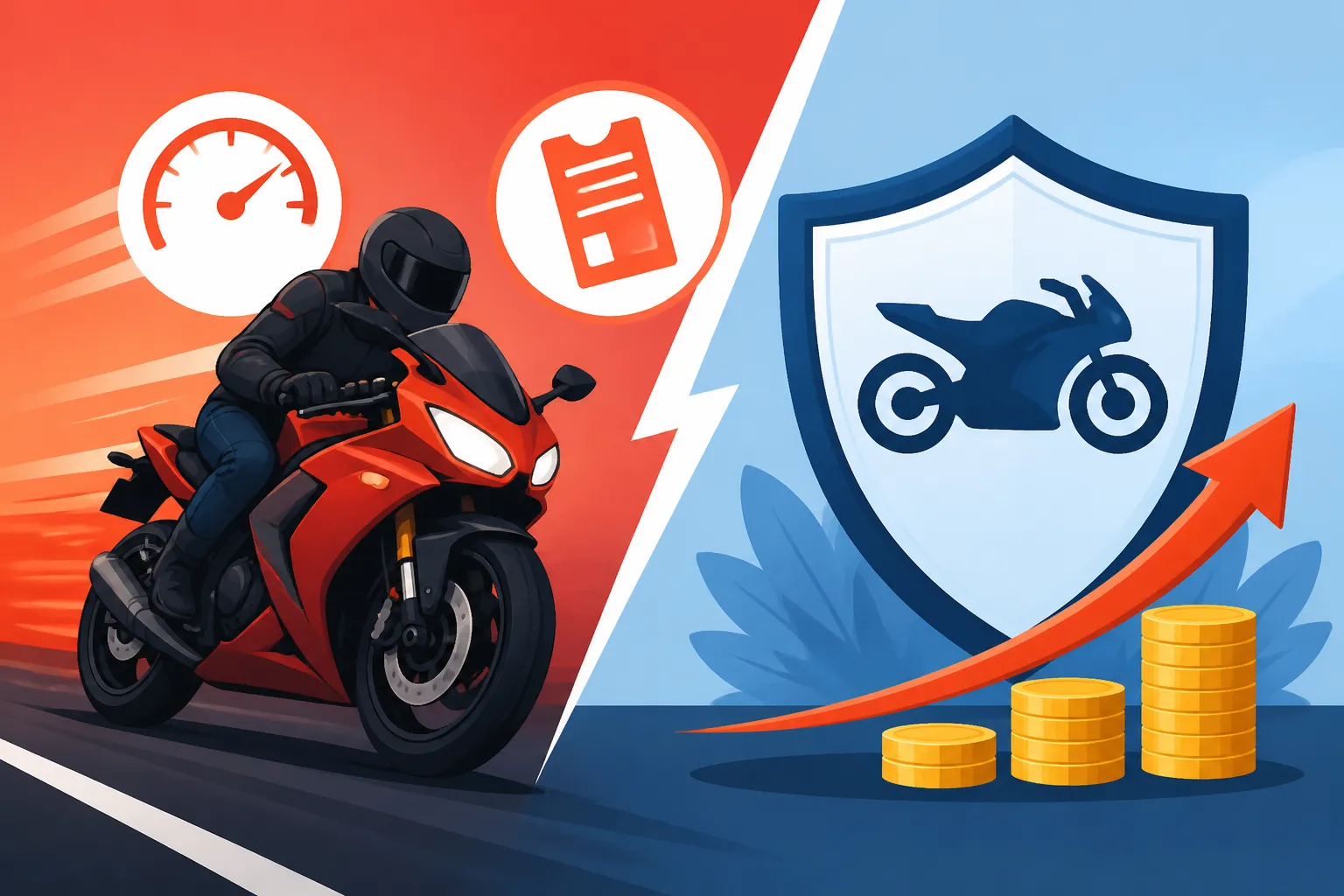
Let's be real, nobody enjoys getting a speeding ticket, especially when you're on two wheels. Beyond the immediate fine and potential points on your license, the real anxiety often comes from anticipating what your insurance company is going to do. It feels like a punishment that keeps on giving, and for good reason—your rates are very likely to go up. But how much and why? It's all about how insurers perceive risk, and a lead foot on a motorcycle generally signals higher risk.
Point Systems and Driver's Records
Most states operate on a point system where traffic violations, like speeding, add points to your driver's record. Think of it like a demerit system. Accumulate too many points, and you could face license suspension, or worse, have your insurance company label you as a "high-risk" driver. Each state has its own specific point values for different offenses, and these points typically stay on your record for a certain number of years, usually between three to five. For instance, a minor speeding infraction in California might add one point, while a more egregious violation could add two. Insurance companies pull these records regularly, often when your policy is up for renewal, to assess your risk profile. The more points you have, the higher your perceived risk, and the more you'll likely pay for coverage. It's a direct correlation: a cleaner record means better rates. You can usually check your state's DMV website for details on their specific point system and how long infractions remain visible.
How Insurers View Speeding Tickets
From an insurance company's perspective, a speeding ticket isn't just a simple mistake; it's a data point indicating a higher probability of future claims. Insurers use complex algorithms and historical data to determine premiums. When they see a speeding ticket on your record, especially on a motorcycle, it flags you as a rider who might be more prone to accidents. After all, speeding often goes hand-in-hand with reduced reaction time and increased severity of impact in a crash. Even a minor ticket for going 10 mph over the limit can signal a behavioral pattern that makes them nervous. They're in the business of assessing and managing risk, and your driving habits are a significant factor in that equation. This is why the change in your premium isn't always proportionate to the ticket's fine; it's about the statistical likelihood of you costing them money down the road. Some insurers might be more lenient than others for a first offense, while others might react quite dramatically. It really depends on their specific underwriting policies and how they weigh different violations.
Factors That Influence Your Rate Increase After a Ticket
So, you've got a ticket. Now what? The exact hit to your wallet isn't a fixed number; it's a dynamic calculation influenced by several moving parts. It’s not just about the ticket itself but also your history, your bike, and even your chosen insurance provider. Don't let a single incident define your entire insurance future; understanding these factors can help you anticipate and potentially mitigate the financial impact.
Your Driving History and Prior Incidents
One of the biggest determiners of your post-ticket rate is your existing driving record. Is this your first brush with a speeding violation, or are you a repeat offender? If you've maintained a pristine record for years, a single, minor speeding ticket might result in a more forgiving increase. Insurance companies like a good track record, and they understand that everyone can make a mistake. However, if your record already includes previous speeding tickets, at-fault accidents, or other moving violations, this new ticket will likely be the straw that breaks the camel's back. Insurers will see a pattern of risky behavior, and your rates could jump significantly. For instance, if you had an at-fault accident last year and now have a speeding ticket, you’re looking at a much steeper increase than someone with an otherwise clean slate. In some severe cases, accumulating too many infractions can even lead to your policy being non-renewed or canceled, forcing you into high-risk insurance markets, which are notoriously expensive. Knowing your history is crucial; if you're curious about what goes on your record, you might want to look into What Affects Your Motorcycle Insurance Rate?.
Severity of the Speeding Offense
Not all speeding tickets are created equal. The severity of your offense plays a massive role in how much your motorcycle insurance premiums will climb. Were you caught doing 5-10 mph over the limit on a residential street, or were you doing 30 mph over on the highway? Generally, the faster you were going relative to the speed limit, the higher the perceived risk, and thus, the bigger the premium increase. Reckless driving charges, which often stem from excessive speeding (e.g., 20+ mph over the limit), are considered far more serious than a basic speeding ticket. These can lead to even more substantial rate hikes, potential license suspension, and might even require you to file an SR-22 for Motorcycles: When It's Required, which is another surefire way to see your rates skyrocket. Some states also have specific laws for speeding in school zones or construction zones, carrying stiffer penalties and, by extension, higher insurance consequences.
Your Current Policy and Insurer
The insurance company you’re currently with also heavily influences how your rates will change. Some insurers are known for being more forgiving towards minor infractions, especially for long-standing, loyal customers. Others have a stricter "one strike and you're out" or "zero tolerance" policy for any moving violations. For example, a company like Progressive might offer accident forgiveness programs or allow one minor infraction without a dramatic rate increase, whereas a more niche insurer might be less flexible. The type of policy you have matters too. If you only carry Liability Coverage for Motorcycles Explained, your premium increase might be less than someone with comprehensive What Does Full Coverage Motorcycle Insurance Mean?. This is because full coverage protects your bike, not just other people's property, so an insurer might see a higher risk in repairing your expensive sport bike after a potential speeding-related incident. It’s worth checking your policy details or calling your agent to understand their specific guidelines regarding speeding tickets.
Strategies to Mitigate Insurance Hikes After a Speeding Ticket
Okay, so you’ve got the ticket, and the dread of a higher premium is setting in. But don't throw in the towel just yet! There are proactive steps you can take to try and minimize the financial fallout. It might take some effort, but a little legwork now can save you a significant amount over the next few years. Remember, knowledge is power when it comes to dealing with insurance companies.
Taking a Defensive Driving Course
One of the most effective strategies to combat a rate increase is to complete a state-approved defensive driving or traffic school course. Many states and even some courts offer these programs, and successfully completing one can sometimes lead to the ticket being masked from your driving record, or at least prevent points from being assessed. Even if it doesn't entirely remove the ticket, some insurance companies offer a discount for voluntarily completing such a course. It demonstrates to them that you are committed to being a safer rider, which can offset some of the perceived risk from the speeding ticket. This isn't just about saving money; it's about brushing up on your riding skills and defensive maneuvers, which can genuinely make you a safer rider. Before you sign up, always check with your court and your insurance provider to confirm that they recognize the specific course and that it will actually benefit your situation. If you’re a new rider, taking a motorcycle safety course is usually a good idea regardless, as it can qualify you for discounts and a safer riding experience.
Shopping Around for New Quotes
Even if you've been loyal to your current insurer for years, a speeding ticket is a prime opportunity to shop around. Different companies weigh traffic violations differently. While one insurer might see your ticket as a major red flag, another might view it as a minor incident, especially if your overall record is otherwise clean. Don't be afraid to get quotes from multiple providers. Websites like The Zebra make it easy to compare offers from various companies side-by-side, helping you find the Cheapest Motorcycle Insurance Companies that might be more lenient after a ticket. What might seem like a small percentage difference could translate into hundreds of dollars saved over the life of your policy. Don't just focus on the big names; sometimes smaller, specialized motorcycle insurance carriers can offer competitive rates for riders with recent infractions. It's often a smart move to shop around every year or two anyway, but it's especially critical after a driving infraction. The Zebra can be a valuable tool in this process.
Reviewing Your Coverage Options
This might sound counter-intuitive, but reviewing your current motorcycle insurance coverage is another way to potentially offset a rate hike. While you never want to be underinsured, there might be areas where you can trim costs without compromising essential protection. For example, if your bike is older and paid off, do you still need full coverage? You might consider dropping collision and comprehensive coverage to save money, opting instead for a Liability-Only vs Full Coverage Cost comparison. Alternatively, increasing your deductible can lower your premium, but remember, this means you'll pay more out-of-pocket if you do have a claim.
It’s also a good time to check for available discounts. Have you taken a motorcycle safety course? Do you belong to a riding club? Do you bundle your motorcycle insurance with your car or home insurance? Companies like Dairyland or Markel often have a variety of discounts that riders might overlook. Even minor things like anti-theft devices or storing your bike in a garage can lead to small savings that add up. The goal here isn't to cut corners on vital protection but to ensure you're not paying for coverage you no longer need or missing out on discounts you qualify for.
Long-Term Effects and When Your Rates Might Drop Again
A speeding ticket isn't a life sentence for your insurance rates, though it can certainly feel like it in the moment. The good news is that the impact isn't permanent. Your rates will eventually come back down, provided you maintain a clean driving record going forward. It's all about demonstrating responsible riding habits over time.
The "Look-Back" Period for Insurers
Every insurance company has what's called a "look-back" period, which is the timeframe they consider when evaluating your driving record for past violations and accidents. This period typically ranges from three to five years, though it can vary by state and insurer. What this means is that once a speeding ticket falls outside of that look-back window, it generally stops impacting your premium. For most minor speeding tickets, you can expect the elevated rates to last for about three years. More severe offenses, like reckless driving or multiple tickets, might haunt your record for five years or even longer.
It’s crucial to understand this timeframe because it helps you set expectations for when your rates might begin to normalize. Knowing this also emphasizes the importance of maintaining an absolutely spotless driving record during this period. Any further tickets or accidents within the look-back period will only compound the problem and reset the clock on your elevated rates. Using a service like The Zebra can sometimes highlight which insurers have shorter look-back periods or are more forgiving with older infractions.
Maintaining a Clean Driving Record
The most powerful thing you can do to bring your motorcycle insurance rates back down is to drive safely and avoid any further infractions. This might seem obvious, but it's easier said than done, especially for those of us who love to enjoy the open road and the thrill of riding. Every clean year that passes after your speeding ticket works in your favor. Each renewal cycle will see your insurer looking at a cleaner, more responsible driving history, which directly translates to lower perceived risk and, eventually, lower premiums.
Consider enrolling in another motorcycle safety course, even if it's not court-mandated. These courses not only refresh your skills but can often lead to further insurance discounts, demonstrating your commitment to safe riding. Being proactive about safe riding habits, adhering to speed limits, and practicing defensive driving will pay dividends in the long run. Over time, your vigilance will show your insurance company that the speeding ticket was an anomaly, not a pattern, allowing you to get back to those coveted lower rates. Don't forget, even small savings from things like Motorcycle Insurance Discounts You're Missing can add up over a few years.
Summary of Factors & Mitigation Strategies
Here's a quick overview of what impacts your motorcycle insurance rates after a speeding ticket and what you can do about it:
| Factor Increasing Rates | Mitigation Strategy | Potential Impact |
|---|---|---|
| Severity of Speeding Offense | Attend Defensive Driving Course | May prevent points, reduce rate hike, or offer discount. |
| Existing Driving Record | Maintain Clean Record Post-Ticket | Rates decrease over time (3-5 years). |
| Current Insurer's Policy | Shop Around for New Quotes (e.g., The Zebra) | Find insurers with more lenient underwriting for tickets. |
| High Coverage Levels for Older Bikes | Review & Adjust Coverage (e.g., increase deductible) | Lower premium by reducing unnecessary coverage. |
| Lack of Discounts | Explore Available Discounts (e.g., safety course, multi-bike) | Reduce overall premium cost. |
| Recent Incidents Within Look-Back Period | Avoid all further violations | Prevents compounding of risk and resetting of look-back period. |
Disclaimer
This article is for general informational purposes only and does not constitute professional advice. Laws, prices and regulations vary by location and change over time. Consult a qualified professional for guidance on your specific situation.