How Much Is Motorcycle Insurance in Virginia?
Trying to figure out how much motorcycle insurance will set you back in Virginia can feel like trying to hit a moving target. With all the different bikes, rider profiles, and regional nuances, getting a straight answer feels nearly impossible. But don't you worry, because this guide is designed to cut through the confusion, giving you a crystal-clear picture of what influences motorcycle insurance costs in the Old Dominion and how you can ride smarter and save more.
Understanding the Factors That Influence Virginia Motorcycle Insurance Costs
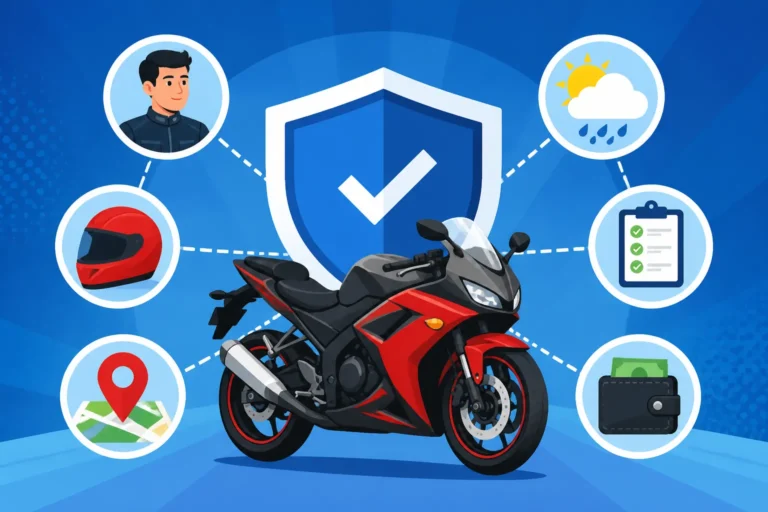
When it comes to motorcycle insurance in Virginia, there's no single "average" price because your premium is a highly personalized calculation. It's a blend of details about you, your bike, and even where you lay your head at night. Insurance companies look at a whole host of factors to assess risk, and understanding these can help you anticipate your costs.
Your Riding Profile and Experience
Let's be real, how you ride and how long you've been riding plays a massive role in what you pay. It’s not just about age, but also your track record.
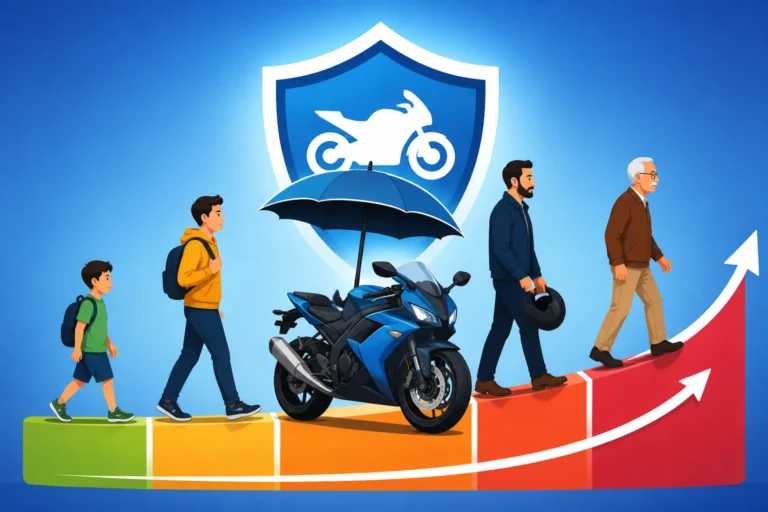
If you're a younger rider, say under 25, you're likely going to face higher premiums. Insurance companies see younger riders as statistically more prone to accidents, simply due to less experience on the road. It’s a frustrating reality for many new riders just getting into the lifestyle, but it’s a consistent trend across the board. On the flip side, mature riders with years of experience under their belts and a clean riding history often enjoy some of the lowest rates. Your driving record is another huge piece of this puzzle. Speeding tickets, at-fault accidents, or even a DUI on your record, whether in a car or on your bike, will send your rates soaring. Insurers view these as indicators of high-risk behavior, and they'll adjust your premium accordingly to offset that perceived risk. Taking a Virginia-approved Motorcycle Safety Course is one of the best ways to not only hone your skills but also demonstrate to insurers that you're committed to safe riding, often earning you a discount. You can typically find a list of approved courses through the Virginia DMV or local riding academies.
The Type of Motorcycle You Ride
Not all bikes are created equal in the eyes of an insurance provider. The make, model, engine size, and even the style of your motorcycle significantly impact your rates.
Sport bikes, for instance, are almost universally more expensive to insure than cruisers or touring bikes. Why? Because they're often associated with higher speeds, more aggressive riding styles, and consequently, a greater risk of accidents. If you're rolling on a powerful Ducati Panigale or a Kawasaki Ninja ZX-10R, expect your premiums to reflect that. On the other hand, a Harley-Davidson Street Glide, an Indian Scout, or a Honda Rebel, while still powerful machines, are generally seen as lower risk. Their design often encourages a more relaxed riding posture and touring capabilities, which correlates with less aggressive riding. The cost to repair or replace your bike also factors in. A brand new, high-value touring bike with advanced electronics will naturally cost more to insure for comprehensive and collision coverage than an older, more modest standard model. Even custom modifications and expensive aftermarket parts can drive up costs, as these add to the bike's value and the expense of potential repairs. If you've poured a lot of money into making your bike unique, make sure you have adequate Accessories & Custom Parts Coverage Explained to protect that investment.
Where You Live and Ride in Virginia
Believe it or not, your specific address in Virginia can have a substantial impact on your insurance rates. This isn't just about urban versus rural living, but also localized data on theft, vandalism, and accident rates.
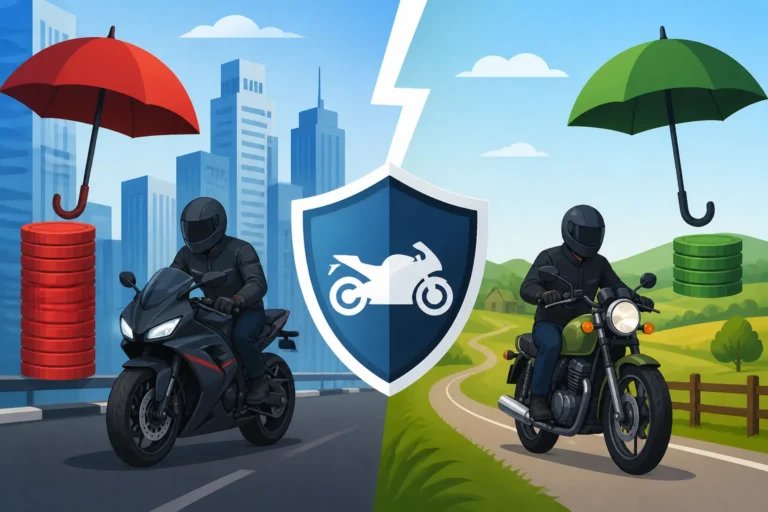
Major metropolitan areas in Virginia, like Virginia Beach, Richmond, and the densely populated Northern Virginia suburbs such as Arlington or Alexandria, tend to have higher insurance premiums. More traffic means more opportunities for accidents, and higher population density can sometimes correlate with increased rates of motorcycle theft or vandalism. For example, if you live in a bustling part of Norfolk or outside D.C. where traffic is a daily battle, your rates will likely be higher than someone living in a quieter, more rural part of the state, say around Abingdon or in the Shenandoah Valley. Insurers use granular data, often down to your zip code, to assess these risks. They might also consider where you typically park your motorcycle. Is it in a locked garage, a shared parking lot, or out on the street? A secure garage can sometimes lead to a small discount, as it reduces the risk of theft or damage. It all comes down to the perceived risk associated with your particular location.
Virginia's Minimum Motorcycle Insurance Requirements
Riding legally in Virginia means adhering to specific insurance mandates, which are designed to protect you and others on the road. It's not just a good idea; it's the law. However, simply meeting the minimums often leaves riders incredibly exposed financially.
Liability Coverage Explained
In Virginia, motorcycle insurance is mandatory. The state operates under a "fault" system, meaning the at-fault driver is responsible for damages in an accident. The core of Virginia's requirement revolves around liability insurance, which covers damages and injuries you might cause to others in an accident.
As of early 2024, the minimum liability limits in Virginia are 30/60/25. Let me break down what these numbers mean, because it's crucial to understand:
- $30,000 for bodily injury liability per person: This is the maximum your insurance will pay for injuries to one person you harm in an accident.
- $60,000 for total bodily injury liability per accident: This is the maximum your insurance will pay for all injuries if multiple people are harmed in a single accident you cause.
- $25,000 for property damage liability per accident: This is the maximum your insurance will pay to repair or replace property (like another vehicle or a fence) that you damage in an accident.
It's important to note a significant change coming up: for all policies issued or renewed on or after January 1, 2025, these minimums will increase to 50/100/25. So, you'll need $50,000 per person for bodily injury, $100,000 total per accident for bodily injury, and $25,000 for property damage. This upcoming change is vital for any rider planning for 2026 and beyond, ensuring you meet the new legal threshold. This is just one of the many nuances when looking at Motorcycle Insurance Requirements by State (2026 Guide). Understanding these figures is key, and if you want a deeper dive into what each number truly signifies, check out our guide on Minimum Liability Insurance Explained (The Three Numbers).
While technically Virginia allows for an uninsured motor vehicle fee of $500 instead of carrying insurance, this option does not provide any coverage. It merely allows you to drive without being ticketed for no insurance, but you are still personally liable for all damages if you cause an accident. For any sensible rider, carrying actual insurance is the only responsible choice.
Why Minimums Might Not Be Enough
While meeting Virginia's minimum liability requirements keeps you legal, it's rarely enough to protect your finances in the event of a serious accident. Imagine hitting a luxury SUV or causing significant injuries to another person – the costs can easily skyrocket far beyond $25,000 for property damage or $30,000 per person for bodily injury. If your insurance limits are exceeded, you're on the hook for the rest, and that can lead to devastating financial consequences, including garnished wages or lawsuits.
Virginia also has a notable number of uninsured drivers on its roads. This is a huge concern for motorcyclists, who are far more vulnerable in a collision. If an uninsured driver hits you, your own medical bills and bike repair costs could become your responsibility. This is where Uninsured & Underinsured Motorist Coverage (UM/UIM) becomes absolutely indispensable. It protects you and your motorcycle if the at-fault driver either has no insurance or not enough insurance to cover your damages. Given the risks unique to motorcycle riding, many Virginia riders also opt for Medical Payments (MedPay) coverage. Unlike car insurance, Virginia does not mandate Personal Injury Protection (PIP) for motorcycles, so MedPay steps in to cover your medical expenses, regardless of who is at fault, up to your policy limits. This can be a literal lifesaver, helping with ambulance fees, hospital stays, and follow-up treatments that can quickly pile up after an accident. To understand more about this vital protection, read our comprehensive article on Medical Payments (MedPay) for Riders?.
Average Motorcycle Insurance Costs in Virginia
Now that we've covered the factors and requirements, let's talk numbers. While exact costs vary, we can look at some general averages for motorcycle insurance in Virginia. Keep in mind, these are just starting points, and your personal quote might be higher or lower.
Breaking Down Averages by Rider Demographics
The average cost of motorcycle insurance in Virginia can range quite a bit, but generally, you might be looking at anywhere from $400 to $900 per year for basic liability coverage, and $800 to $2,000+ per year for full coverage. However, these averages are heavily swayed by who's riding.
Younger riders, particularly those under 25, can expect to pay significantly more. A 20-year-old in Virginia with a new endorsement and a sport bike might see annual premiums easily exceeding $1,500, even for just liability, and well over $3,000 for full coverage. This is a frustrating but common reality, as insurers rate newer, younger riders as higher risk. To get a better sense of these numbers, our guide on Motorcycle Insurance Cost by Age dives deep into this specific demographic impact. As riders mature and gain experience, their rates tend to drop. A rider in their 30s or 40s with a clean record and a cruiser-style bike might pay closer to the statewide average, perhaps in the $600-$1,200 range for full coverage. Experienced riders over 50 often see the lowest rates, sometimes as low as $400-$800 annually for comprehensive coverage, assuming a good driving record and a moderate bike type. Factors like a clean driving record, continuous coverage, and completion of a motorcycle safety course can drastically reduce these averages, especially for those new to riding. For instance, a beginner rider in Virginia might face initial high rates, but completing a safety course can immediately unlock discounts. You can learn more about specific costs for new riders in our article How Much Is Motorcycle Insurance for a Beginner?.
Comparing Costs Across Different Virginia Cities
Location within Virginia plays a crucial role due to varying theft rates, traffic congestion, and accident statistics. Here’s a rough idea of how costs can differ across various Virginia cities:
| City in Virginia | Average Annual Full Coverage | Factors Influencing Cost |
|---|---|---|
| Virginia Beach | $1,000 – $1,800 | High population density, tourist traffic, coastal weather risks. |
| Richmond | $900 – $1,600 | Busy urban center, higher traffic volume, moderate theft rates. |
| Arlington | $1,100 – $2,000+ | Proximity to Washington D.C., very high population density, expensive property values, higher theft risk. |
| Norfolk | $950 – $1,700 | Major port city, military presence, dense traffic, some higher accident rates. |
| Roanoke | $700 – $1,200 | Smaller city, less traffic congestion compared to larger metro areas, generally lower theft rates. |
| Lynchburg | $650 – $1,100 | Even smaller city, lower population density, often more favorable rates. |
| Blacksburg | $700 – $1,300 | College town, rates influenced by younger demographic and specific driving patterns around a university. |
Note: These are estimated ranges for a rider with a clean record and a standard cruiser or touring bike. Sport bike riders, those with violations, or very young riders will likely see higher figures.
As you can see, the difference between insuring a bike in Arlington versus Lynchburg can be substantial. Urban centers like Virginia Beach and Arlington often see higher premiums due to denser traffic, increased risk of theft, and more frequent accidents. On the other hand, smaller cities and more rural areas of Virginia typically offer lower rates because the risks are statistically lower. That's why it's always a smart move to get personalized quotes based on your exact address. Tools like The Zebra can be incredibly helpful for comparing rates from multiple providers, giving you a clear snapshot of what you might pay in your specific Virginia neighborhood. They can help you sift through options quickly.
Smart Strategies to Lower Your Virginia Motorcycle Insurance Premiums
Nobody wants to pay more than they have to for motorcycle insurance, especially when every dollar saved means more money for gear, maintenance, or that next road trip. The good news is, there are concrete steps you can take to significantly reduce your premiums in Virginia.
Leveraging Discounts
Insurance companies offer a surprising number of discounts, and if you're not actively seeking them out, you're leaving money on the table. Think of them as rewards for being a responsible rider and customer.
One of the most impactful discounts you can earn is by completing a state-approved motorcycle safety course. Not only does this enhance your riding skills, making you a safer rider, but it also signals to insurers that you're proactive about safety. Many companies, like Progressive and Dairyland, offer a discount for course completion, which can be pretty substantial. You can find out more about the savings in our article Does a Motorcycle Safety Course Lower Insurance?. Another excellent strategy is bundling your motorcycle insurance with other policies, like your car or home insurance. Most major insurers, including State Farm and Geico, offer multi-policy discounts that can shave a significant percentage off your total premium. If you have more than one bike, ask about a multi-bike discount, too. Other common discounts include a clean rider discount (for those with no accidents or violations), anti-theft device discounts (if your bike has an alarm or GPS tracker), and even mature rider discounts for those over a certain age with extensive experience. Make sure to ask your agent about every possible discount when getting a quote. To explore a comprehensive list of potential savings, check out Motorcycle Insurance Discounts You're Missing.
Adjusting Your Coverage and Deductibles
While you never want to be underinsured, there's a sweet spot between comprehensive protection and an affordable premium. Reviewing your coverage types and adjusting your deductibles can make a real difference.
If you own an older, less valuable motorcycle that's paid off, you might consider foregoing full coverage and opting for a liability-only policy. This dramatically reduces your premium, though it means you'd be responsible for repair or replacement costs to your own bike after an accident. This decision requires careful consideration of your financial situation and the bike's actual cash value. Our article on Do You Need Full Coverage on a Paid-Off Motorcycle? can help you weigh the pros and cons. For newer or financed bikes, full coverage is usually non-negotiable, but you can still save by adjusting your deductibles. A deductible is the amount you pay out-of-pocket before your insurance kicks in. Choosing a higher deductible (e.g., $1,000 instead of $500) will lower your monthly or annual premium, because you're taking on more of the initial financial risk yourself. Just be sure you can comfortably afford your chosen deductible should you need to file a claim. Understanding the balance between upfront cost and potential out-of-pocket expenses is key. For more insights, our guide on Liability-Only vs Full Coverage Cost offers a detailed comparison.
Maintaining a Clean Riding Record
This might seem obvious, but one of the most powerful and long-term ways to keep your motorcycle insurance costs down is to simply be a safe and responsible rider. Your driving history is one of the primary indicators insurers use to assess your risk, and a clean record speaks volumes.
Every speeding ticket, traffic violation, or at-fault accident stays on your record for several years and will almost certainly result in a premium increase. Insurers will view you as a higher risk, and that higher risk translates directly into higher costs. This is true not just for motorcycle incidents but also for violations in your car, as your overall driving history impacts all your policies. If you've had a recent speeding ticket, you know the pain of watching your rates climb; our guide on How Much Is Motorcycle Insurance After a Speeding Ticket? breaks down the typical impact. On the other hand, maintaining a completely clean record demonstrates to insurance companies that you are a careful and low-risk rider, often unlocking preferred rates and loyalty discounts over time. Building up years of incident-free riding can significantly lower your long-term insurance expenses. It's a testament to the fact that safe habits on the road truly pay off. For a deeper understanding of all the elements that play into your rate, read What Affects Your Motorcycle Insurance Rate?. When it's time to shop for a new policy or just compare what you're currently paying, checking out comparison tools like The Zebra can make it super easy to see how different insurers price your clean record.
Disclaimer
This article is for general informational purposes only and does not constitute professional advice. Laws, prices and regulations vary by location and change over time. Consult a qualified professional for guidance on your specific situation.