Which Motorcycle Insurance Companies Are Cheapest?
It's a common story, isn't it? You get that shiny new bike, or perhaps you're just looking at your renewal notice and thinking, "There has to be a cheaper way." The sheer frustration of navigating dozens of insurance companies, each promising the best rates but often delivering wildly different quotes, can be enough to make you just want to throw your hands up. This guide is here to cut through the noise, helping you understand which companies often offer the most competitive motorcycle insurance rates and, more importantly, how to secure the best deal for your ride.
Understanding What "Cheapest" Really Means for Motorcycle Insurance
Before we dive into specific companies, let's be realistic about what "cheapest" actually implies in the world of motorcycle insurance. It's not a one-size-fits-all answer, and if anyone tells you otherwise, they're not being entirely truthful. Your individual profile as a rider, the type of motorcycle you own, and even where you live all play monumental roles in determining your premium. What's cheap for your buddy on his cruiser in rural Iowa might be astronomical for you on your sport bike in downtown Miami.
Why Rates Vary So Much Between Riders and Bikes
Think about it: every insurance company uses its own complex algorithms and actuarial tables to assess risk. This means they weigh different factors with varying importance. For example, one insurer might be particularly aggressive in offering discounts to experienced riders with a spotless record, seeing them as low risk. Another might specialize in covering older, more classic bikes, making them more affordable for those models. These internal calculations are why getting multiple quotes is non-negotiable, and it's also why one company might be "the cheapest" for one person but not for another. It’s not just about the sticker price; it's about the risk assessment model that fits your unique situation.
When you're comparing quotes, you're not just comparing dollar figures; you're comparing how each company perceives the risk you represent. A young rider with a brand-new Kawasaki Ninja will undoubtedly face higher premiums than a seasoned veteran on a Harley-Davidson cruiser, simply due to statistical risk factors associated with age and bike type. Understanding these underlying variables, which we'll explore shortly, is the first step in genuinely finding the most affordable coverage tailored to your needs.
Minimum Coverage vs. Comprehensive Protection
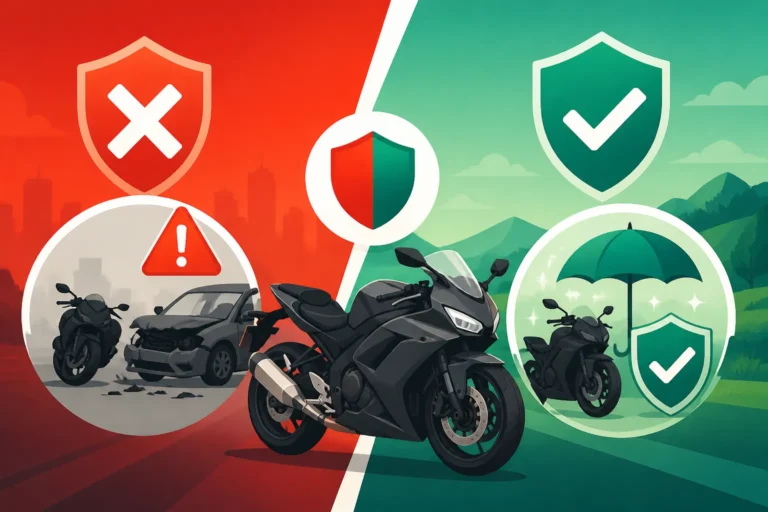
Another crucial aspect of understanding "cheapest" is distinguishing between the absolute bare minimum required by law and a truly comprehensive policy that protects your investment. Many states only mandate basic liability coverage, which pays for damages and injuries you cause to other people and their property if you're at fault in an accident. If you're only looking for the absolute cheapest option, you might be offered a policy that meets these bare legal minimums, such as the common Motorcycle Insurance Minimums: 25/50/25 Meaning requirements.
However, this often leaves your own bike and your own injuries completely exposed. If your motorcycle is stolen, vandalized, or damaged in a single-vehicle accident (like hitting a deer), liability-only coverage won't pay a dime for your repairs. For many riders, especially those with newer or more valuable bikes, "cheap" isn't truly cheap if it means facing thousands of dollars out-of-pocket after an incident. This is where options like collision and comprehensive coverage come into play, significantly increasing your protection but also your premium. The goal should be to find the cheapest rate for the level of coverage you need, not just the lowest number on a quote sheet.
Leading Motorcycle Insurance Companies Known for Competitive Rates
While there's no single "cheapest" company for everyone, some insurers consistently pop up in discussions about affordable motorcycle insurance. These companies have either built a reputation for competitive pricing, offer a wide array of discounts, or specialize in certain types of riders or bikes that allow them to keep costs down. It's always a good idea to start your search with these names, but remember to get a personalized quote.
Dairyland Insurance
Dairyland is often cited by riders as a go-to for affordable motorcycle insurance, especially for those who might struggle to get low rates elsewhere. They've carved out a niche for themselves by offering coverage to a broader range of riders, including those with less-than-perfect driving records or who are considered high-risk. This doesn't mean their rates are high; quite the opposite, they often manage to provide competitive pricing where other mainstream insurers might fall short or charge significantly more.
What makes Dairyland stand out is their focus on flexibility and accessibility. They're well-known for offering coverage to riders who are new to motorcycling, have had a lapse in coverage, or need an SR-22 filing. While they might not be the flashiest name in insurance, their consistent presence in the "cheap insurance" conversation speaks volumes about their pricing strategy. They also offer a good selection of discounts, from multi-bike policies to Harley-Davidson endorsements, helping riders chip away at their premiums.
Progressive Motorcycle Insurance
Progressive has become a household name in insurance, and for good reason. They are one of the largest motorcycle insurers in the country and are famous for their aggressive marketing around competitive rates and discounts. Many riders find that Progressive offers some of the lowest premiums, particularly when they take advantage of the numerous discounts available. They're particularly strong in offering price comparisons, often showing you competitors' rates right alongside theirs, which can be incredibly helpful when you're trying to figure out How to Compare Motorcycle Insurance Quotes.
One of Progressive's strengths lies in its wide range of discounts, including multi-policy discounts (bundling your motorcycle with auto, home, or RV insurance), safe driver discounts, loyalty discounts, and even discounts for paying your premium in full. They also offer specialized coverage for custom parts and equipment, which can be a big draw for riders who've invested in customizing their bikes. Their online quoting system is user-friendly, allowing you to quickly get a sense of potential costs, and their reputation for being "cheap" is often validated by rider experiences, making them a solid contender for your search.
GEICO Motorcycle Insurance
GEICO, much like Progressive, is another major player that frequently appears on lists for affordable motorcycle insurance. Their model, heavily focused on direct-to-consumer sales, helps them keep overhead costs down, which can translate into lower premiums for customers. Many riders report finding GEICO’s rates to be highly competitive, especially for those with clean driving records and a bit of riding experience.
GEICO offers a variety of coverage options and discounts that can significantly reduce your premium. These include discounts for completing a motorcycle safety course, having anti-theft devices, being a federal employee, or being part of certain organizations. Their online tools are robust, allowing for quick quotes and policy management. While they might not specialize in "high-risk" policies as much as Dairyland, for the average rider seeking good coverage at a reasonable price, GEICO is often a strong candidate. Their extensive network and solid financial backing also provide peace of mind in case you ever need to file a claim.
Markel Motorcycle Insurance
Markel might not have the widespread name recognition of Progressive or GEICO, but within the motorcycle community, they are highly regarded for their specialized motorcycle insurance products and competitive rates. Markel focuses almost exclusively on recreational vehicles, including motorcycles, which means their policies are tailored specifically to the needs of riders, often leading to more comprehensive coverage options at surprisingly affordable prices.
They are particularly strong for classic, vintage, and custom motorcycles, offering "agreed value" coverage that ensures you're paid what your unique bike is truly worth, rather than a depreciated "actual cash value" if it's totaled. This specialized approach allows them to understand the unique risks and values associated with different types of bikes, which can result in better pricing for certain niches. Markel also provides a host of discounts, such as for rider training, anti-theft systems, and even multi-bike discounts. If you have a specialty bike or are looking for an insurer deeply embedded in the riding lifestyle, Markel could be a surprisingly cost-effective option.
Factors That Significantly Influence Your Motorcycle Insurance Cost
When you're trying to figure out How Much Is Motorcycle Insurance? 2026 Cost Guide, it quickly becomes clear that a multitude of factors play into the final premium you're quoted. Understanding these can empower you to not only predict costs but also actively seek ways to lower them. Insurance companies don't just pull numbers out of a hat; their rates are a direct reflection of perceived risk.
Your Riding Profile and Experience
This is arguably one of the biggest determinants of your insurance rate. Insurers look at you, the rider, as the primary risk factor. Younger, less experienced riders, particularly those under 25, statistically have a higher propensity for accidents. This translates directly into higher premiums. For instance, you might notice a significant drop in your rates once you hit certain age milestones, often around 25. Similarly, how long you've been licensed to ride a motorcycle plays a role. A rider with decades of experience and a clean record is seen as a much lower risk than someone who just got their Motorcycle License, Endorsement & Insurance.
Beyond age and experience, your driving record is scrutinized. Any tickets, particularly for speeding or reckless driving, or previous accident claims (especially if you were at fault), will almost certainly drive up your motorcycle insurance costs. Insurers see these as indicators of future risk. On the flip side, a clean driving history, potentially combined with completing an approved motorcycle safety course, can earn you significant discounts. These courses not only make you a safer rider but also signal to insurers that you're committed to responsible riding.
The Type of Motorcycle You Own
Not all bikes are created equal in the eyes of an insurance company. The make, model, engine size (CC), and even the typical use case of your motorcycle drastically impact your insurance premium. Sport bikes, with their high performance capabilities and higher theft rates, almost universally carry the highest insurance costs. This is why you often hear the question, Why Is Sport Bike Insurance So Expensive?. The cost to repair or replace parts on these bikes is also typically higher.
On the other hand, cruisers, touring bikes, and standard motorcycles are generally cheaper to insure. They're perceived as being ridden more conservatively, have lower accident rates, and their parts are often less expensive. Vintage or classic motorcycles can sometimes have unique pricing structures, with some insurers offering specialized "agreed value" coverage that might be surprisingly affordable if the bike is well-maintained and only ridden occasionally. Even the presence of factory-installed anti-theft devices can positively influence your rate.
Your Location and Storage
Where you live and where you store your motorcycle are significant factors. Urban areas, especially those with high population densities and higher rates of traffic accidents or vehicle theft, will almost always have higher insurance premiums than rural areas. If you live in a ZIP code known for a lot of claims, your rates will reflect that. Insurers use geographical data extensively to assess risk.
Furthermore, how and where you store your bike when not in use matters. Parking your motorcycle in a locked garage versus leaving it on the street overnight can lead to vastly different theft and vandalism risks. Many insurance companies offer discounts if you can prove your bike is garaged. The climate of your location can also play a subtle role; states with longer riding seasons might see different pricing structures than those where bikes are laid up for several months of the year.
Practical Strategies for Finding the Cheapest Motorcycle Insurance
Finding truly affordable motorcycle insurance isn't just about picking the right company; it's about implementing smart strategies that reduce your perceived risk and maximize your savings. Think of it as a proactive approach to lowering your premiums.
Leverage Discounts and Bundling Options
Discounts are your best friend when it comes to cutting down motorcycle insurance costs. Most insurers offer a wide array of options, and it's essential to ask about every single one you might qualify for. Common discounts include:
- Multi-Policy/Bundling Discount: This is often the biggest money-saver. If you insure your car, home, or even an RV with the same company, you can often get a significant discount on all policies, including your motorcycle. Explore Bundling Motorcycle and Auto Insurance: Worth It? to see if this makes sense for your situation.
- Multi-Bike Discount: If you own more than one motorcycle, insuring them all with the same company can earn you a discount.
- Motorcycle Safety Course Discount: Completing an approved motorcycle safety course, like those offered by the Motorcycle Safety Foundation (MSF), often qualifies you for a discount. This shows the insurer you're committed to safe riding practices.
- Good Rider/Claims-Free Discount: If you've maintained a clean driving record for several years with no accidents or violations, you'll likely be rewarded with lower rates.
- Anti-Theft Device Discount: Installing an approved alarm system or tracking device on your motorcycle can reduce your comprehensive coverage premium.
- Paid-in-Full Discount: Paying your annual premium upfront instead of monthly installments can often save you a percentage.
- Homeownership Discount: Believe it or not, some insurers offer discounts to homeowners, as it's perceived to indicate financial stability and responsibility.
Always ask your agent or check online for a comprehensive list of discounts when getting a quote. Don't assume anything; what you don't ask for, you won't get!
Adjusting Your Coverage Levels and Deductibles
While we never recommend going without adequate coverage, sometimes strategic adjustments can make a big difference in cost. One of the most straightforward ways to lower your premium is by increasing your deductible. Your deductible is the amount you pay out-of-pocket before your insurance kicks in for a covered claim. A higher deductible means you're taking on more initial risk, and insurers reward this with lower premiums. Just make sure you can comfortably afford your chosen deductible amount if you ever need to make a claim.
Another area to consider is your actual coverage limits. While most states have minimum liability requirements, you might opt for higher limits for better protection. However, if you're truly on a tight budget, ensure you're not paying for significantly more liability coverage than you need, although increasing liability is generally a smart move given the cost of accidents. For older, lower-value motorcycles that are fully paid off, you might consider dropping collision and comprehensive coverage altogether, opting for "liability-only" coverage. While this exposes you to personal loss, it significantly reduces your premium for bikes that aren't worth much anymore. Before making this decision, seriously consider your bike's market value versus the annual cost of the coverage.
Shopping Around Continuously
This might sound like a no-brainer, but it's perhaps the most effective strategy: never settle for the first quote you receive, and don't get complacent with your current insurer. Insurance rates change constantly, influenced by everything from economic conditions to local accident rates and the insurer's own business performance. What was the cheapest company for you last year might not be this year.
It's highly recommended to get new quotes from multiple companies every 6-12 months, or at least at every renewal period. Life changes also warrant a new look at your insurance: buying a new bike, moving to a new state, getting married, or even celebrating a birthday can all impact your rates. Using online comparison tools, which we'll discuss next, makes this process much less daunting than it used to be. The goal is to consistently ensure you're not overpaying and that you're always getting the best possible deal.
Comparing Quotes Effectively to Find Your Best Deal
You've done your homework, you know what coverage you need, and you've identified some promising insurance companies. Now comes the critical step: actually comparing the quotes. This isn't just about looking at the bottom line; it's about understanding what each quote offers and how to make an apples-to-apples comparison.
Using Online Comparison Tools Like The Zebra
In today's digital age, the days of calling dozens of individual insurance agents are largely behind us (unless you prefer that personal touch, which is totally fine!). Online comparison tools have revolutionized the process, making it much faster and more efficient to get multiple quotes at once. Services like The Zebra are designed precisely for this purpose. You enter your information once – details about yourself, your riding history, your motorcycle, and the coverage you desire – and The Zebra then pulls quotes from a wide array of insurance providers simultaneously.
This saves you an immense amount of time and effort. Instead of filling out the same information on 10 different websites, you do it once and get a consolidated view of your options. These platforms often highlight discounts you might qualify for and allow you to easily adjust coverage levels to see how they impact the price. While The Zebra can be a great starting point, remember that some smaller, regional insurers might not be included, so it’s still wise to check directly with a few companies not listed, especially niche providers like Markel that specialize in motorcycles.
What to Look for Beyond the Price Tag
When you're sifting through quotes, it's easy to get fixated on the lowest number. But savvy riders know that the price tag is just one piece of the puzzle. Here’s what else you should scrutinize:
- Coverage Limits: Ensure that all quotes are for the exact same coverage limits. If one quote for "full coverage" is significantly cheaper, double-check that its liability limits, comprehensive, and collision deductibles match the others. A cheaper policy might mean lower payout limits or higher deductibles, which isn't a fair comparison. For example, check if each quote includes sufficient Uninsured & Underinsured Motorist Coverage (UM/UIM), which is crucial for protecting you from drivers who don't carry enough insurance.
- Deductibles: As discussed, higher deductibles mean lower premiums. Make sure your quotes all have the same deductibles for collision and comprehensive coverage for a true comparison.
- Included Add-ons: Does one policy include roadside assistance, trip interruption, or Accessories & Custom Parts Coverage Explained that another doesn't? These extra coverages can add significant value and might make a slightly more expensive policy a better overall deal.
- Customer Service and Claims Reputation: The cheapest policy isn't worth much if the company is impossible to deal with when you need to file a claim. Look up reviews, check financial strength ratings, and see what other riders say about their experiences with a particular insurer. A company like Progressive might offer competitive rates and have a strong reputation for handling claims, providing a good balance.
- Discounts Applied: Verify that all the discounts you believe you qualify for have been accurately applied to each quote. Sometimes an online tool might miss something an agent could catch.
By meticulously comparing these aspects, you ensure you're getting the best value for your money, not just the lowest price with hidden compromises.
Balancing Cost and Comprehensive Coverage for Riders
It’s the eternal dilemma for every rider: how do you get the cheapest motorcycle insurance without leaving yourself dangerously exposed? The temptation to grab the lowest price is strong, but true affordability comes from having the right protection when you need it most.
The Risks of Under-Insuring Your Motorcycle
Choosing the bare minimum liability coverage might seem like a smart financial move in the short term, but it can lead to catastrophic financial consequences if you're involved in a serious accident. Imagine this scenario: you're in an at-fault accident, and the other vehicle is totaled, the driver requires extensive medical care, and you only have your state's minimum liability coverage, say 25/50/25. If the damages and medical bills exceed your $25,000 property damage limit or your $50,000 bodily injury limit, you're personally responsible for the difference. This can easily run into hundreds of thousands of dollars, potentially wiping out your savings, assets, and future earnings.
Beyond liability, under-insuring means your own motorcycle isn't protected from common risks. What if your prized Harley-Davidson is stolen from your garage? Or you hit a deer on a scenic backroad, totaling your bike? Without comprehensive and collision coverage, you're on the hook for the entire replacement or repair cost. For many riders, the peace of mind that comes with knowing their investment is protected is worth the extra premium. Remember, the cheapest policy upfront can be the most expensive one after an accident.
When Is It Okay to Opt for Less Coverage?
There are specific situations where opting for less comprehensive coverage might be a reasonable financial decision. For instance:
- Older, Low-Value Bikes: If your motorcycle is an older model, has high mileage, or its market value is quite low (say, under $2,000-$3,000), carrying full collision and comprehensive might not be cost-effective. The annual premium for these coverages could be a significant percentage of the bike's value, and after your deductible, the payout might be minimal. In these cases, shifting to liability-only coverage could be a sensible choice, provided you're prepared to absorb the total loss of the bike yourself.
- Infrequent Riding/Storage: If you rarely ride your motorcycle and primarily keep it stored, you might consider suspending collision coverage during the off-season. Some companies offer "seasonal lay-up" or "storage-only" policies that reduce your premium while the bike is not in use, but still protect it from theft, fire, or vandalism. Make sure to understand the terms carefully and reinstate full coverage before you hit the road again. This concept is explored further in Do You Need Insurance to Store a Motorcycle?.
- Financial Situation: While not ideal, sometimes budget constraints necessitate prioritizing. If you genuinely cannot afford full coverage, ensuring you have robust liability and possibly Uninsured Motorist Coverage on a Motorcycle is critical to protect yourself from others, even if it means risking your own bike. This is where getting the absolute cheapest policy that still provides a safety net against major financial ruin becomes paramount.
Ultimately, the decision of how much coverage to carry should be a careful calculation between your financial risk tolerance, the value of your motorcycle, and your riding habits. Don't sacrifice essential protection for a few dollars saved if it means exposing yourself to catastrophic loss.
The Role of Your Credit Score in Motorcycle Insurance Rates
It might seem unfair, but your credit score often plays a significant role in determining your motorcycle insurance premiums, depending on your state. Insurers use credit-based insurance scores as a predictor of future claim likelihood, asserting that individuals with higher credit scores tend to file fewer claims. This correlation allows them to adjust rates accordingly.
How Your Credit Affects Premiums
Insurance companies in most states use a modified version of your credit score, often called a credit-based insurance score, to help assess risk. A higher score typically indicates to insurers that you are a responsible individual, which they correlate with being a more responsible driver and thus less likely to file claims. This can translate into lower premiums. Conversely, a lower credit score can signal higher risk, leading to higher insurance costs. This can be a real point of frustration for riders who might have excellent driving records but have faced financial hardship.
It’s worth noting that some states, like California, Hawaii, and Massachusetts, have banned the use of credit scores in determining insurance rates, believing it to be an unfair practice. However, in the vast majority of the U.S., it's a factor you can't ignore. If you're wondering Does Your Credit Score Affect Motorcycle Insurance?, the answer for most is a resounding yes. If you're working on improving your credit, you might see your insurance rates improve over time as well. It's yet another reason why the "cheapest" company for one person might not be for another, as their credit profiles could be vastly different.
Strategies for Riders with Less-Than-Perfect Credit
If your credit score isn't stellar, don't despair; you're not doomed to perpetually high motorcycle insurance rates. There are still strategies you can employ:
- Shop Around Aggressively: This is perhaps the most important tip. Different insurers weigh credit scores differently. While one company might penalize a lower score heavily, another might place more emphasis on your driving record or riding experience. This is where comparing quotes from multiple companies becomes even more critical. Companies like Dairyland, for example, are often known for being more accessible to a wider range of credit profiles.
- Focus on Other Discounts: Maximize every other discount you qualify for. Take a motorcycle safety course, bundle your policies, install anti-theft devices, and pay your premium in full if possible. These discounts can help offset the impact of a lower credit score.
- Improve Your Credit Over Time: While not an immediate fix, actively working to improve your credit score will, over time, likely lead to lower insurance premiums in addition to other financial benefits. Paying bills on time, reducing debt, and avoiding new credit inquiries can all contribute to a healthier credit profile.
- Consider a Higher Deductible: As mentioned earlier, increasing your deductible can lower your premium. If your credit score is driving up your base rate, a higher deductible can help bring the overall cost down, just be sure you can afford the out-of-pocket expense if you need to file a claim.
While your credit score is a factor, it's not the only one, and a proactive approach to finding and maintaining coverage can still yield affordable results.
| Insurer | Known For Being Cheapest For | Key Strengths/Discounts | Potential Drawbacks |
|---|---|---|---|
| Dairyland | High-risk riders, new riders, those needing SR-22 | Flexible policies, various discounts (multi-bike, loyalty) | Less name recognition than major players |
| Progressive | Wide range of riders, bundling, online convenience | Extensive discounts (multi-policy, safe rider), strong online tools | Rates can vary significantly by rider profile |
| GEICO | Riders with clean records, direct sales model | Federal employee, military, safety course discounts | Less focus on specialized/vintage bikes |
| Markel | Classic, vintage, custom bikes; experienced riders | Agreed value coverage, tailored policies, enthusiast focus | May not be cheapest for standard, high-volume bikes |
Final Thoughts on Securing Your Cheapest Motorcycle Insurance
Finding the cheapest motorcycle insurance isn't a passive activity; it's an ongoing effort that requires a bit of research, a dash of strategy, and a willingness to shop around. The landscape of insurance rates is dynamic, constantly shifting based on individual factors, market conditions, and the ever-evolving algorithms of insurance providers.
Remember that "cheapest" is a personal definition. For some, it truly means the lowest possible dollar amount for state minimum liability. For others, it means the lowest premium for a robust policy that protects their valuable bike and personal assets. Before you sign on the dotted line, clearly define what "cheapest" means to you and ensure the policy you choose aligns with your budget and your risk tolerance. Don't be afraid to ask questions, leverage every discount you can, and always, always compare quotes from several providers. Your ideal policy is out there, and with a little effort, you can ride confidently knowing you've got the best possible deal.
Disclaimer
The information provided in this guide is for general informational purposes only and does not constitute financial, legal, or insurance advice. Motorcycle insurance rates and requirements vary significantly by state, individual circumstances, and the specific terms of an insurance policy. It is essential to consult with a qualified insurance professional to obtain personalized advice and to understand the specific coverage options and requirements applicable to your situation. Prices and availability of products and services are subject to change.