Is Motorcycle Insurance Required in Utah?
Navigating the world of motorcycle insurance can feel like trying to read a map printed in a foreign language, especially when you're just trying to figure out the basics for your state. If you're a rider in Utah, or planning to become one, you've probably wondered, "Is motorcycle insurance actually required here?" It's a valid question, and the answer isn't always as straightforward as a simple yes or no, given the nuances of state laws. This guide is here to cut through the confusion and explain exactly what Utah requires of its motorcyclists, what happens if you don't comply, and what coverage you might want to consider to protect yourself fully.
Utah's Motorcycle Insurance Requirements Explained
Riding in Utah offers some of the most breathtaking scenery you'll ever experience, from the red rocks of Zion to the majestic peaks of the Wasatch Front. But before you hit the open road, it's crucial to understand the legalities of motorcycle insurance. The short answer is yes, if you're riding a motorcycle on public roads in Utah, you are required to carry motorcycle insurance.
Is Motorcycle Insurance Mandatory in Utah?
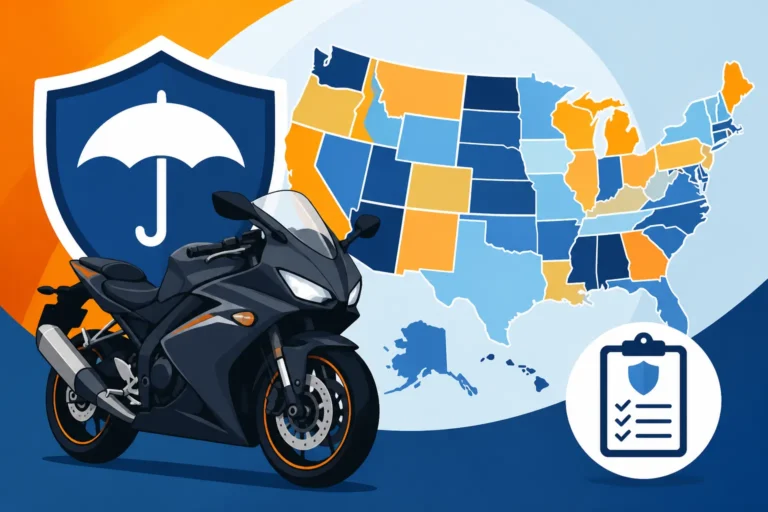
Absolutely, yes. Just like with cars, the state of Utah mandates that all registered motorcycles operated on public roadways must have valid liability insurance coverage. This isn't just a suggestion; it's a legal obligation designed to ensure that if you're involved in an accident that's your fault, there's a way to cover the damages and injuries sustained by others. The Utah Department of Motor Vehicles (DMV) is pretty clear on this, and enforcement is taken seriously. Don't let the freedom of the open road make you forget your responsibilities. You can learn more about specific state requirements through a comprehensive guide like Motorcycle Insurance Requirements by State (2026 Guide).
Minimum Liability Coverage in Utah
So, you know you need insurance, but what kind and how much? Utah's minimum liability coverage requirements are expressed in what's often called "split limits," usually presented as three numbers: 25/65/15. These numbers represent the maximum amount your insurance company will pay out for specific types of damages in an at-fault accident. Let's break down what each number means:
- $25,000 for Bodily Injury Liability Per Person: This is the maximum your insurance will pay for medical expenses, lost wages, and other damages for one person injured in an accident you cause.
- $65,000 for Bodily Injury Liability Per Accident: This is the total maximum your insurance will pay for all injuries in an accident you cause, no matter how many people are hurt. So, if three people are injured, they would collectively share up to $65,000, with no single person receiving more than $25,000.
- $15,000 for Property Damage Liability Per Accident: This covers the cost of damage you cause to another person's property, such as their vehicle, fences, or other structures.
These are the absolute minimums. While tempting to go with the cheapest option, relying solely on these minimums can leave you financially vulnerable if a serious accident occurs. Imagine hitting a brand new luxury SUV or causing an injury that requires extensive medical care; those minimums can be exhausted quickly, leaving you personally responsible for the remainder. This is why many riders choose to carry more than the minimum. You can dive deeper into these numbers with resources like Minimum Liability Insurance Explained (The Three Numbers).
Personal Injury Protection (PIP) for Motorcycles in Utah
Here's where Utah's law gets a little unique for motorcyclists. Unlike car drivers, who are required to carry Personal Injury Protection (PIP) as part of Utah's no-fault insurance system, motorcyclists are generally exempt from this requirement. For cars, PIP covers your medical expenses and lost wages regardless of who was at fault in an accident. However, due to the higher risk of injury and the potential cost, motorcycles are often excluded from standard PIP coverage.
Does this mean you don't need to worry about your own medical bills after an accident? Absolutely not! This simply means you need to think about other ways to protect yourself. Many riders opt for Medical Payments (MedPay) coverage, which is an optional add-on that can help cover medical expenses for you and your passengers after an accident, regardless of fault, up to a certain limit. It's not a substitute for health insurance, but it can be a critical buffer for immediate medical costs and copays. Given the inherent risks of riding, seriously consider adding MedPay or ensuring you have robust health insurance.
Understanding Financial Responsibility in Utah
The concept of "financial responsibility" is at the heart of why states like Utah require insurance. It's about ensuring that everyone who operates a vehicle on public roads can cover the costs if they cause an accident. For motorcyclists, understanding this concept is vital to staying legal and protected.
What Does "Financial Responsibility" Really Mean?
In Utah, "financial responsibility" means you have the ability to pay for damages and injuries you might cause in a motor vehicle accident. For most people, and virtually all motorcyclists, this means carrying an active motorcycle insurance policy that meets the state's minimum liability requirements. It's essentially a promise to the state and to other drivers that you won't leave victims of an accident you cause high and dry financially.
However, it's worth noting that technically, some states allow alternatives to insurance for proving financial responsibility, such as posting a bond or depositing a significant sum of cash with the state treasury. But for the vast majority of riders, and as a practical matter, securing a motorcycle insurance policy is the only realistic and recommended way to meet this legal obligation. This applies whether you're riding a brand new cruiser or a classic vintage bike; the law doesn't discriminate based on your ride. You can learn more about Financial Responsibility Laws for Riders in general.
Penalties for Non-Compliance
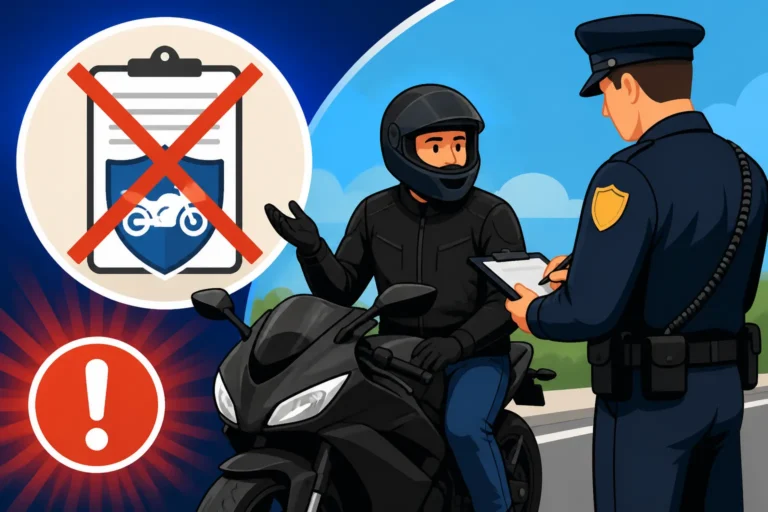
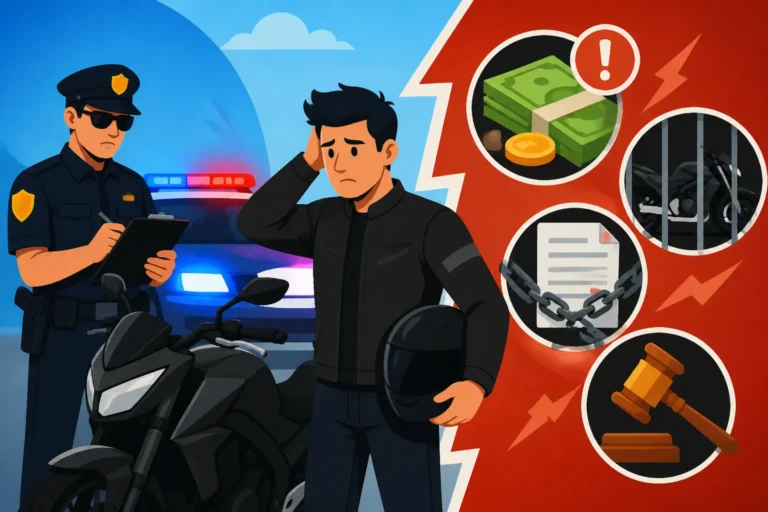
Riding without the legally required motorcycle insurance in Utah is a serious offense, and the penalties can be quite steep. It's not just a slap on the wrist; the state wants to ensure everyone on the road is covered. Getting caught without insurance can lead to a host of headaches and financial burdens:
- Fines: You can face significant fines, often starting in the hundreds of dollars for a first offense, and increasing substantially for repeat offenses.
- Suspension of Driver's License and Registration: Your motorcycle registration and even your driver's license can be suspended. This means you won't be able to legally ride any vehicle, not just your motorcycle.
- Impoundment of Your Motorcycle: Law enforcement has the authority to impound your bike, adding towing and storage fees to your growing list of expenses.
- SR-22 Requirement: If you're caught riding uninsured, you might be required to obtain an SR-22 filing for a certain period. An SR-22 is a certificate of financial responsibility that your insurance company files with the state, essentially proving you have active coverage. This filing often flags you as a "high-risk" driver, leading to much higher insurance premiums for years to come. You can read more about SR-22 for Motorcycles: When It's Required.
- Personal Liability for Damages: This is perhaps the most significant consequence. If you cause an accident while uninsured, you are personally on the hook for all damages and injuries. This could mean thousands, tens of thousands, or even hundreds of thousands of dollars out of your own pocket. Your wages could be garnished, and your assets could be seized to satisfy judgments against you.
Considering the potential penalties, the cost of even minimum liability insurance pales in comparison to the financial and legal fallout of riding uninsured. The saying "an ounce of prevention is worth a pound of cure" couldn't be more fitting here. For a broader understanding of what happens, check out What Happens If You Ride Without Insurance?.
Beyond the Bare Minimum: Recommended Coverages
While Utah's minimum liability requirements are designed to protect others from your actions, they do little to protect you or your motorcycle. Savvy riders often look beyond the bare minimum to ensure comprehensive protection. Think about it: your bike is an investment, and your well-being is priceless.
Why Consider More Than Just Liability?
Liability insurance, as we've discussed, only pays out for damages and injuries you cause to other people and their property. It doesn't cover:
- Damage to your own motorcycle: If you're at fault in an accident, or if your bike is damaged in a single-vehicle incident (like hitting a pothole or laying it down), liability insurance won't cover your repair costs.
- Your own medical bills: As noted, PIP is generally not required or included for motorcycles in Utah, so your medical expenses aren't covered by liability insurance.
- Theft or vandalism: If your beloved bike is stolen or maliciously damaged, liability offers no protection.
- Damage from natural disasters or falling objects: Hail, fire, hitting a deer—these incidents are not covered by liability.
This is where additional coverages come into play. Many riders opt for a "full coverage" policy, which typically bundles collision and comprehensive coverages with liability. What does full coverage motorcycle insurance mean? It generally includes:
- Collision Coverage: This pays for damages to your motorcycle if you hit another vehicle or object, or if your bike rolls over, regardless of who is at fault. It's essential for protecting your investment.
- Comprehensive Coverage: This is your "non-collision" damage protector. It covers theft, vandalism, fire, natural disasters, falling objects, and hitting an animal. If you wake up to find your bike gone from the garage, comprehensive coverage is what steps in. You can also get a deeper understanding of What Is Comprehensive Motorcycle Insurance?.
- Medical Payments (MedPay): As mentioned, this covers medical expenses for you and your passengers after an accident, regardless of fault, up to a specified limit.
Uninsured/Underinsured Motorist Coverage
Utah has a lot of fantastic riders, but unfortunately, not everyone on the road plays by the rules. Imagine this scenario: you're cruising down I-15 near Salt Lake City, and an uninsured driver swerves into your lane, causing an accident. Even if they're 100% at fault, if they don't have insurance (or enough insurance), you could be stuck with massive medical bills and repair costs for your bike. This is where Uninsured/Underinsured Motorist (UM/UIM) coverage becomes your best friend.
UM/UIM coverage protects you when the at-fault driver either has no insurance (uninsured) or doesn't have enough insurance to cover your damages (underinsured). It steps in to cover your medical expenses and, in some cases, property damage, up to your policy limits. Given the number of uninsured drivers on the road, this coverage is incredibly valuable and highly recommended for every rider, regardless of what the state mandates. It’s an investment in your peace of mind and financial security. For a more detailed look, check out Uninsured & Underinsured Motorist Coverage (UM/UIM).
Getting Your Utah Motorcycle Insurance
Now that you understand what's required and what's recommended, let's talk about actually getting your policy. Finding the right coverage at a fair price doesn't have to be a headache.
Factors Affecting Your Rate
Several factors go into determining your motorcycle insurance premium in Utah, just as they would anywhere else. Understanding these can help you strategize to get the best possible rate:
- Your Riding Record: A clean driving record with no accidents or tickets will always get you better rates. Speeding tickets or at-fault accidents, especially DUIs, will significantly increase your premiums.
- Your Age and Experience: Younger, less experienced riders typically pay more. As you gain more years and riding experience, your rates tend to decrease, especially once you hit your mid-20s.
- Type of Motorcycle: Sport bikes, especially high-performance models, generally cost more to insure than cruisers or touring bikes. This is due to their higher theft rates, higher repair costs, and statistical involvement in more severe accidents. If you're looking at a Kawasaki Ninja or a Ducati, expect to pay more than for a Harley-Davidson Softail or a Honda Rebel.
- Location: Where you live and park your motorcycle in Utah can affect your rates. Urban areas like Salt Lake City or Provo with higher traffic density and theft rates might see higher premiums than more rural areas.
- Coverage Limits and Deductibles: Choosing higher liability limits and adding comprehensive/collision coverage will increase your premium, but also your protection. Opting for a higher deductible (the amount you pay out of pocket before insurance kicks in) can lower your premium.
- Storage and Security: If you store your bike in a locked garage, you might qualify for discounts. Advanced anti-theft devices can also lead to savings.
- Mileage: If you don't ride your motorcycle extensively, some insurers might offer lower rates based on low annual mileage. How Annual Mileage Affects Motorcycle Insurance is a great read on this.
How to Find Affordable Coverage
Even with all these factors, there are concrete steps you can take to make your motorcycle insurance in Utah more affordable:
- Shop Around and Compare Quotes: This is arguably the most crucial step. Don't settle for the first quote you get. Different insurance companies—like Progressive, Geico, Dairyland, and Markel—have different underwriting models and offer varying rates for the same coverage. Use online comparison tools or work with an independent agent to get multiple quotes.
- Take a Motorcycle Safety Course: Completing an approved motorcycle safety course (like the ones offered by the Utah Motorcycle Program) can often earn you a discount on your insurance premium. More importantly, it makes you a safer rider. This is a win-win! Find out how much a safety course can save you at Does a Motorcycle Safety Course Lower Insurance?.
- Ask About Discounts: Always inquire about available discounts. Common ones include multi-policy discounts (bundling your motorcycle insurance with your car or home insurance), multi-bike discounts, mature rider discounts, good driver discounts, and discounts for paying your premium in full.
- Increase Your Deductible: If you have a solid emergency fund, raising your comprehensive and collision deductibles can lower your monthly or annual premium. Just make sure you can comfortably afford the deductible if you need to file a claim.
- Maintain a Clean Driving Record: Avoid tickets and accidents. This will keep your rates low over the long term and prevent you from needing an SR-22.
- Consider Your Bike Choice: If you're in the market for a new motorcycle, research insurance costs for different models before you buy. Some bikes are inherently more expensive to insure. You can compare rates and coverage options at How to Compare Motorcycle Insurance Quotes.
Here's a quick summary of Utah's minimum motorcycle insurance requirements:
| Coverage Type | Minimum Requirement (Utah) | What It Covers |
|---|---|---|
| Bodily Injury Liability Per Person | $25,000 | Medical expenses, lost wages for one person injured in an accident you cause. |
| Bodily Injury Liability Per Accident | $65,000 | Total medical expenses, lost wages for all persons injured in an accident you cause. |
| Property Damage Liability | $15,000 | Damage to another person's property (vehicle, fences, etc.) in an accident you cause. |
| Personal Injury Protection (PIP) | Not required for motorcycles | Optional for motorcyclists; consider MedPay for your own medical expenses regardless of fault. |
Remember, while these are the legal minimums, most experts and experienced riders recommend carrying higher limits and additional coverages for true peace of mind on Utah's beautiful, yet sometimes unpredictable, roads.
Disclaimer
Please note that insurance laws and requirements can change. While every effort has been made to provide accurate and up-to-date information, this article is intended for informational purposes only and does not constitute legal or financial advice. Always consult with a licensed insurance professional or the Utah Department of Insurance for the most current and specific guidance regarding your individual motorcycle insurance needs.