Motorcycle Endorsement vs Motorcycle License
Many new riders, and even some seasoned ones, find themselves scratching their heads when trying to understand the difference between a "motorcycle endorsement" and a "motorcycle license." It’s a common point of confusion that can lead to unnecessary hassle, or worse, legal trouble and insurance headaches if you get it wrong. This guide is here to untangle those terms, explain their real-world implications, and walk you through everything you need to know to hit the road legally and confidently.
Demystifying the Terminology: What's the Real Difference?
It’s easy to use the terms "license" and "endorsement" interchangeably when you're talking about motorcycle riding privileges, but in the eyes of the law and your insurance provider, they are distinct. Understanding this fundamental difference is crucial before you even think about throwing a leg over a bike.
Understanding the Motorcycle Endorsement
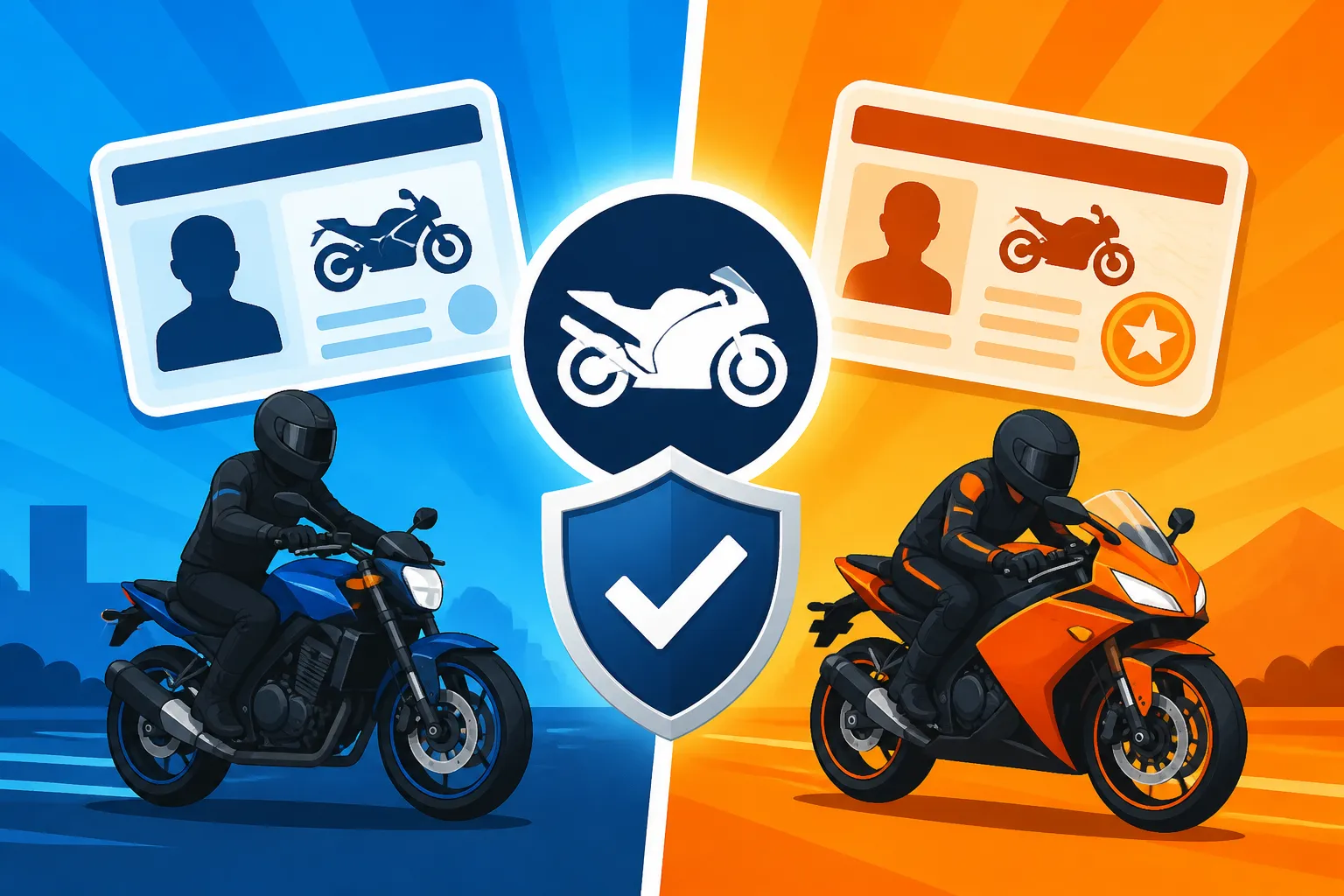
Think of a motorcycle endorsement as an add-on to an existing driver's license. If you already hold a valid standard driver's license for a car, truck, or SUV, a motorcycle endorsement simply signifies that you've met the state's requirements to operate a motorcycle in addition to your other vehicle. It's like adding a special skill to your existing credential. You won't get a separate piece of plastic; instead, your current driver's license will have a designation, often a letter or number code like "M" or "Class M," indicating your new riding privilege.
The beauty of an endorsement is its efficiency. Since you've already proven your general driving competency to the state, the process for a motorcycle endorsement often focuses solely on your ability to handle a two-wheeled vehicle safely. This typically involves a written knowledge test specific to motorcycles and a practical riding test, sometimes referred to as a skills test. In many states, like California or Florida, successfully completing an approved motorcycle safety course can even waive the riding test portion, making the process smoother and often safer for new riders. It streamlines the administrative burden for both you and the Department of Motor Vehicles (DMV) or equivalent agency, as you're not reapplying for a brand new identification document.
Exploring the Standalone Motorcycle License
A standalone motorcycle license, on the other hand, is exactly what it sounds like: a completely separate driver's license that grants you the privilege to operate only a motorcycle. This is typically the route taken by individuals who do not possess a standard automobile driver's license. Perhaps they're young riders who meet the minimum age requirement for a motorcycle license but aren't old enough for a car license, or maybe they simply have no desire to drive a car and only want to ride.
The process for obtaining a standalone motorcycle license is generally more comprehensive than getting an endorsement because you're starting from scratch, so to speak, in terms of your driving record with the state. You’ll still need to pass a written knowledge test covering traffic laws and motorcycle-specific rules, as well as a practical riding skills test. However, depending on the state, there might be additional requirements or longer waiting periods since you don't have a history of safe driving to leverage. For instance, a rider in New York who doesn't have a car license would go through a full licensing process, including an instruction permit phase, similar to a new car driver, but geared towards motorcycles. This ensures that even without prior driving experience, you are fully vetted to be a safe operator on public roads.
Why Does This Distinction Matter for Riders?
Understanding whether you need an endorsement or a standalone license isn't just bureaucratic jargon; it has very real, tangible consequences for your legal standing and your financial protection on the road. Navigating these requirements incorrectly can lead to fines, penalties, and severe complications if you ever find yourself in an accident.
Legal Requirements and State Variations
The most critical reason to understand the difference is simply staying on the right side of the law. Every state in the U.S. requires some form of official credential to legally operate a motorcycle on public roads. While the specifics can vary wildly, almost all states will either add a motorcycle endorsement to your existing license or issue a separate motorcycle-only license. For example, if you live in Texas and already have a car license, you'll need to get a Class M endorsement. If you don't have a car license, you'll apply for a Class M license. The penalties for riding without the proper licensing can be stiff, ranging from significant fines to vehicle impoundment, and could even include jail time in some jurisdictions for repeat offenses. You can learn more about the specifics of Motorcycle Insurance Requirements by State (2026 Guide) to ensure you're fully compliant.
Consider the scenario where you've moved from a state that issues separate motorcycle licenses to one that primarily uses endorsements. You might think your old license is sufficient, but you could unknowingly be in violation of the new state's laws. For example, some states have specific age requirements for motorcycle permits or licenses that differ from their car license requirements. It's not just about having something; it's about having the right something for where you're riding. Always check with your local DMV or Department of Motor Vehicles to confirm the exact requirements in your state, especially if you're a new resident or a first-time rider. This also applies when considering Riding Across State Lines: Insurance & Helmet Rules, as enforcement can vary.
Insurance Implications and Coverage
Your motorcycle endorsement or license status is a fundamental piece of information for insurance companies. Without the appropriate, legally valid credential, you’re likely to face significant challenges obtaining motorcycle insurance, or worse, have any claims denied. Insurers view a properly licensed rider as a responsible and legally compliant individual, which directly impacts your risk profile. If you're riding with just a permit when a full endorsement is required, or with no license at all, you're essentially an uninsured risk in their eyes, even if you've technically paid for a policy. This can have devastating financial consequences if you're involved in an accident.
Furthermore, the type of license you hold can influence your insurance premiums. A rider with a full, unrestricted motorcycle endorsement or standalone license generally benefits from lower rates compared to someone riding with a learner's permit. This is because a full license signifies that you’ve passed all required tests and are considered a more experienced and less risky operator. Some companies, like Progressive or Dairyland, are very particular about verifying your license status before issuing a policy or processing a claim. They often offer discounts for experienced riders, and holding a full, valid license is the baseline for receiving those benefits. Without it, you might find yourself in the "high-risk" category, if they even cover you at all, leading to substantially higher costs.
The Path to Getting Your Riding Privileges
Embarking on the journey to ride a motorcycle legally involves a few distinct steps, whether you're adding an endorsement to an existing license or obtaining a completely new one. Knowing what to expect can help you prepare effectively and reduce any anxieties about the process.
Steps to Obtain a Motorcycle Endorsement
For most folks who already have a regular driver's license, getting a motorcycle endorsement involves a pretty straightforward process. First up, you'll likely need to obtain a motorcycle learner's permit. This usually requires passing a written knowledge test at your local DMV that covers motorcycle-specific traffic laws, safe riding practices, and hazard perception. Once you have that permit, you're allowed to ride under certain restrictions, such as no nighttime riding, no passengers, and often under the supervision of a fully endorsed rider. These restrictions vary by state, so always check your local DMV guidelines.
After you've had your permit for a specified period (which can range from days to months, depending on your state, like three months in Pennsylvania), the next big step is the practical riding test. This test, conducted by the DMV or a state-approved third party, assesses your ability to control the motorcycle in various situations, including slow-speed maneuvers, turns, stops, and obstacle avoidance. Alternatively, and this is a popular option, you can enroll in a Motorcycle Safety Foundation (MSF) Basic RiderCourse. Successfully completing an MSF course can often waive the DMV riding test entirely, providing you with a completion certificate that you then present to the DMV to get your endorsement. This is often the preferred route for many as it not only helps you pass but also provides invaluable real-world riding skills.
Applying for a Standalone Motorcycle License
If you're starting without a car driver's license, you'll be going for a standalone motorcycle license. The process shares similarities with getting an endorsement but often includes a few extra layers of requirements to ensure you're fully prepared for the road. Just like with an endorsement, you'll start with a written knowledge test to get a learner's permit. This permit will come with similar, if not stricter, restrictions on when and where you can ride. Age requirements for a standalone motorcycle license can also be different from a car license, with some states allowing younger riders (e.g., 16 years old) to get a motorcycle-only license before they're eligible for a standard driver's license.
After meeting the permit holding period, you'll proceed to the practical riding test. Again, an approved motorcycle safety course can often substitute for this test. Since you don't have an existing driving record, some states may require additional identification documents or proof of residency beyond what someone with a car license might need. It’s essentially a full new driver licensing process, but specifically tailored for motorcycles. Getting a motorcycle license, endorsement, and ensuring you have the right Motorcycle Insurance Requirements for Financed Bikes are crucial steps for every rider.
Motorcycle Safety Courses and Their Benefits
Motorcycle safety courses, such as those offered by the Motorcycle Safety Foundation (MSF), are an absolute game-changer for new and even experienced riders. These courses are designed to teach fundamental riding skills, hazard awareness, and defensive riding techniques in a controlled environment. Beyond the invaluable skills you gain, there are often tangible benefits that make these courses well worth the time and investment.
One of the biggest perks is that many states will waive the dreaded DMV riding test if you successfully complete an approved course. Imagine not having to perform tight turns and emergency stops under the watchful, critical eye of a DMV examiner – that alone is a huge relief for many. But the benefits don't stop there. Most motorcycle insurance companies, including major players like Geico and State Farm, offer significant discounts on your premiums if you provide proof of completion of an accredited safety course. They see it as a clear indicator that you're a lower-risk rider who has invested in improving your skills. This discount can often offset a good portion of the course cost over a few years, making it a smart financial move in the long run. Plus, the confidence and competence you gain on the bike are truly priceless.
Common Misconceptions and Cost Considerations
There are a few common misunderstandings surrounding motorcycle licensing and the associated costs that can trip up even the most enthusiastic riders. Clearing these up early can save you a lot of grief and money down the road.
"Just a Permit" Mentality and its Dangers
One of the most dangerous misconceptions is thinking that riding with "just a permit" is good enough for extended periods. While a learner's permit is a necessary step, it comes with strict limitations designed to keep you safe while you gain experience. These typically include prohibitions on carrying passengers, riding at night, or riding on freeways. Ignoring these restrictions isn't just a minor infraction; it's often viewed as riding without a valid license, which carries severe legal consequences. For instance, in many states, if you get into an accident while violating a permit restriction, your insurance company might deny your claim entirely. This means you'd be personally responsible for all damages and medical bills, which can easily amount to tens or even hundreds of thousands of dollars.
Furthermore, a permit doesn't convey the same level of legal privilege or demonstrate the same level of proven competency as a full endorsement or license. Law enforcement officers treat permit violations seriously. Imagine getting pulled over for a minor traffic stop and suddenly facing a fine for riding without a proper license, having your bike impounded, and potentially facing increased insurance rates or even difficulty getting future coverage. The short-term convenience of postponing your full licensing is simply not worth the massive risks involved. If you're wondering What Happens If You Ride Without Insurance?, imagine the additional complications of not having a proper license on top of that.
Financial Aspects: Fees, Courses, and Insurance Premiums
Let's talk about the money side of things, because getting your motorcycle riding privilege isn't entirely free, but it's an investment in your freedom on two wheels. You'll encounter a few different costs along the way. First, there are the DMV fees for your learner's permit and then for the endorsement or license itself. These fees are usually pretty modest, often in the range of $10-$50, depending on your state. Then, if you opt for a motorcycle safety course (which, as we discussed, is highly recommended), those courses typically range from $150 to $350. While that might seem like a chunk of change, remember the benefits: waived riding tests, invaluable training, and potential insurance discounts.
Speaking of insurance, your license status plays a huge role in your premiums. While you might be able to get a provisional policy with a learner's permit, expect those rates to be higher than with a full endorsement or license. This is because insurers see permit holders as having less proven experience, thus representing a higher risk. Once you obtain your full endorsement or license, and especially if you've completed a safety course, you'll likely see your premiums drop. Many insurers also factor in your age, riding experience, and the type of bike you ride when determining your rates. For example, a young rider on a sport bike will likely pay more than an experienced rider on a cruiser, even with the same license. For a deeper dive, check out How Much Is Motorcycle Insurance for a Beginner?.
The Intersection with Motorcycle Insurance
This is where the rubber meets the road, quite literally, when it comes to your riding privileges and financial protection. Your insurance policy is your safety net, but that net has holes if your licensing isn't up to snuff.
Do You Need a Motorcycle Endorsement to Get Insurance?
This is a question that pops up a lot, and the answer, generally speaking, is a resounding yes, for a standard, full policy. Most reputable motorcycle insurance companies, whether it's Progressive, Geico, or Dairyland, require you to hold a valid motorcycle endorsement or a standalone motorcycle license to issue a comprehensive policy. Think about it from their perspective: they are insuring a legal activity. If you're not legally permitted to ride the motorcycle, you're a high-risk liability. While some insurers might offer very limited, short-term policies for riders with a learner's permit, these are typically restricted and come with higher premiums, reflecting the increased risk. These policies might only provide basic liability or limited comprehensive coverage, and often have strict clauses about operating within the permit's legal restrictions.
If you’re caught riding without the correct license for your state, and you have an accident, your insurer can absolutely deny your claim, leaving you personally responsible for all damages and injuries. This could include damage to your bike, damage to other vehicles or property, and critically, medical expenses for yourself and anyone else involved. It’s a gamble that almost never pays off. To truly protect yourself and your assets, obtaining your full endorsement or license should be a top priority before you even think about shopping for a policy. Remember, insurance is there to protect you when things go wrong, and having your legal ducks in a row is the first step in ensuring that protection is actually valid. You can learn more about this by reading Do You Need a Motorcycle Endorsement to Get Insurance?.
How Your License Type Affects Your Premiums
The type of license you hold is a significant factor in how insurance companies calculate your premiums. It boils down to perceived risk. A rider with a full, unrestricted motorcycle endorsement or standalone license is generally viewed as less risky than a rider operating under a learner's permit. Why? Because a full license demonstrates that you have passed all the necessary written and practical tests, proving a certain level of competency and understanding of motorcycle operation and traffic laws.
As a result, riders with full endorsements or licenses typically enjoy lower insurance premiums. The longer you've held that full license without incidents, the better your rates tend to become, as you build a track record of safe riding. On the flip side, if you're riding on a permit, even if your insurer provides coverage, expect higher rates and potentially fewer coverage options. The restrictions inherent in a permit (like no night riding or passengers) are there for a reason – they acknowledge that you're still in the learning phase and thus present a greater risk. So, while it might seem like a small detail, upgrading from a permit to a full endorsement or license is a direct path to not only safer riding but also more affordable and comprehensive motorcycle insurance. Understanding What Affects Your Motorcycle Insurance Rate? highlights many factors, and your licensing status is certainly near the top.
Motorcycle Endorsement vs. Standalone License Comparison
Here’s a quick overview to help clarify the key differences between a motorcycle endorsement and a standalone motorcycle license.
| Feature | Motorcycle Endorsement | Standalone Motorcycle License |
|---|---|---|
| Prerequisite | Requires a valid standard (car) driver's license | No existing driver's license required |
| Document Issued | Added to existing driver's license (e.g., Class M) | Separate, dedicated motorcycle-only license issued |
| Process | Motorcycle-specific written & riding tests | Full licensing process (written, permit, riding tests) |
| Target Audience | Individuals who also drive cars/trucks | Individuals who only wish to ride motorcycles |
| Permit Restrictions | Similar permit restrictions often apply | Similar permit restrictions often apply |
| Insurance Impact | Generally lower premiums due to established driving record (with full endorsement) | Premiums may be higher initially without prior driving history (with full license) |
| Example States | California, Texas, Florida, New York, Ohio | New York, Washington (for 16-17-year-olds without car license) |
Final Thoughts on Your Riding Journey
Navigating the world of motorcycle licensing can feel like a maze, but understanding the difference between an endorsement and a standalone license is a critical first step towards legal, safe, and financially protected riding. Whether you're adding an "M" to your existing license or getting your very first driving credential for two wheels, taking the proper steps is non-negotiable. Don't let confusion lead to penalties or insurance woes. Invest the time in understanding your state's specific requirements, consider enrolling in a motorcycle safety course for both skill and savings, and always ride with the peace of mind that comes from being fully compliant and adequately insured. Your journey on two wheels is an incredible one, and starting it off on the right foot makes all the difference.
Disclaimer
Please remember that this guide provides general information about motorcycle endorsements and licenses. State laws and regulations regarding motorcycle licensing and insurance can vary significantly and change over time. Always consult your local Department of Motor Vehicles (DMV), Department of Public Safety (DPS), or equivalent state agency for the most accurate and up-to-date information specific to your location. Additionally, always speak with a licensed insurance professional to discuss your individual insurance needs and ensure you have appropriate coverage. This content is for informational purposes only and should not be considered legal or financial advice.