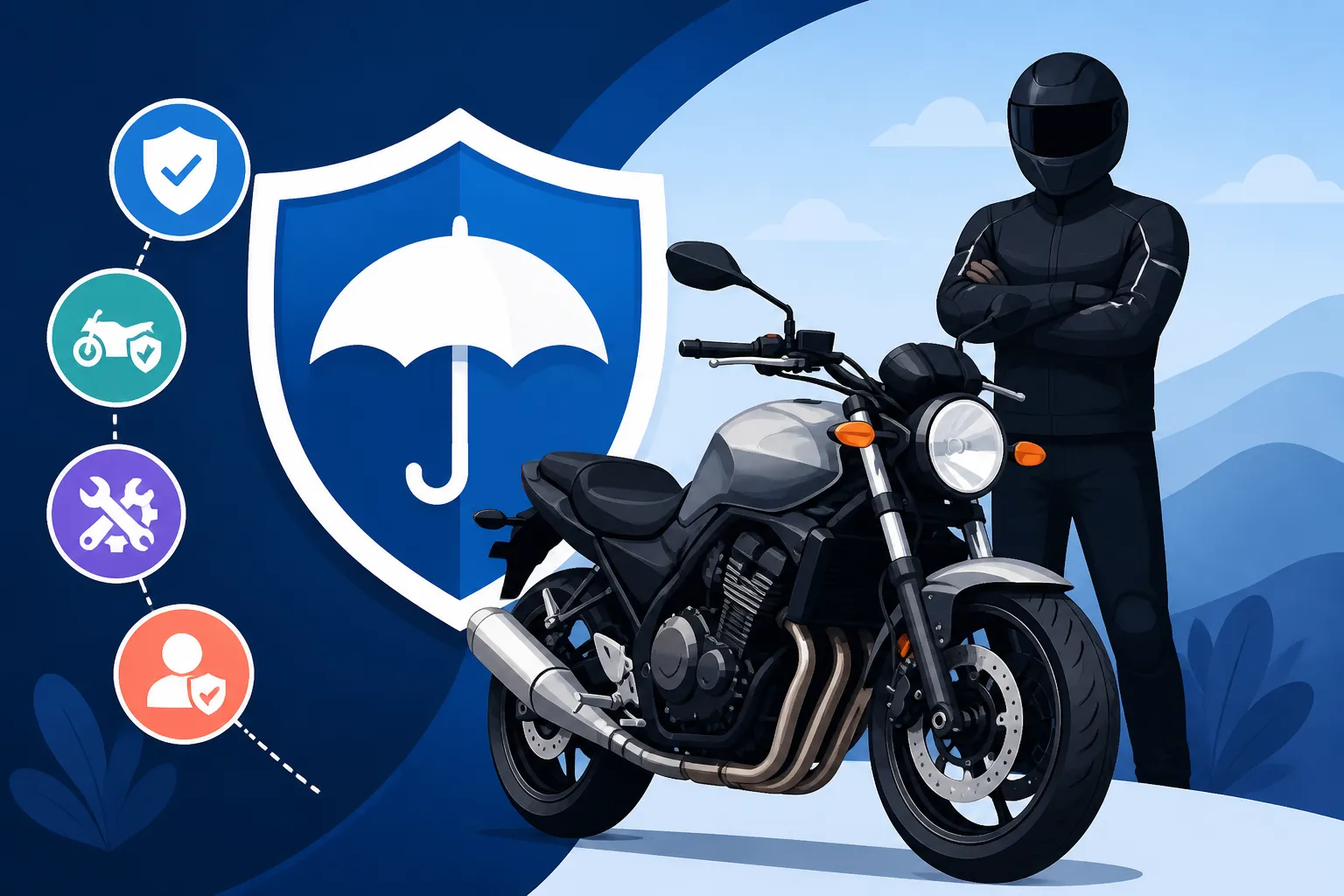
Best Motorcycle Insurance for a Standard
Riding a standard motorcycle is an experience unlike any other – the perfect blend of comfort, agility, and classic style. But when it comes to insurance, it can feel like the market is geared solely towards sport bikes or massive cruisers, leaving you wondering if you're truly getting the best deal for your versatile machine. Don't worry, this guide is here to cut through the noise and help you navigate the world of motorcycle insurance, specifically tailored for your standard bike, ensuring you're covered without overpaying for features you don't need.
What Makes a Motorcycle "Standard" and Why It Matters for Insurance
When we talk about "standard" motorcycles, we're really talking about the workhorses of the two-wheeled world. These bikes are designed for all-around use, providing a comfortable, upright riding position that's fantastic for both daily commutes and weekend adventures. They aren't typically built for extreme speed or chrome-laden showboating, and that general-purpose nature actually plays a significant role in how insurers view them.
Defining a Standard Motorcycle
A standard motorcycle, often called a "naked" bike because it lacks extensive fairings, embodies a balance of performance and practicality. You'll recognize them by their key characteristics:
- Upright Riding Position: The handlebars are usually higher and closer to the rider, and the footpegs are positioned more directly below the rider's hips, creating a natural, comfortable posture. This contrasts sharply with the aggressive, forward-leaning stance of a sport bike or the reclined, feet-forward position of many cruisers.
- Balanced Performance: Standard bikes aren't typically the fastest or the most powerful, nor are they the slowest. They offer a good mix of engine size and power output that's manageable for a wide range of riders and riding conditions. Think mid-range displacement, often between 300cc and 900cc, though some can be larger.
- Versatility: They excel in various scenarios, from navigating city traffic with ease to cruising winding backroads. They're practical for daily commuting, comfortable for longer rides, and often serve as excellent learner bikes due to their predictable handling.
- Minimalist Design: Function often dictates form here. They might not have the dramatic aesthetics of a sport bike or the luxurious finishes of a grand tourer, but their clean lines and exposed engines have a classic appeal.
Examples of popular standard motorcycles include the Honda CB series (like the CB300R, CB500F, CB650R), Kawasaki Z series (Z400, Z650, Z900), Yamaha MT series (MT-03, MT-07, MT-09), and Suzuki SV650. These bikes are known for their reliability and approachable nature.
Insurance Perceptions of Standard Bikes
From an insurer's perspective, standard motorcycles generally present a lower risk profile compared to their more specialized counterparts. Here's why that's good news for your premiums:
- Lower Risk of Aggressive Riding: While any bike can be ridden recklessly, the design and intended use of standard motorcycles often translate to less aggressive riding behavior. They're not engineered for track days or extreme speeds in the same way a supersport bike might be, which statistically means fewer high-speed accidents.
- Less Expensive to Repair/Replace: Because many standard bikes have fewer complex fairings and custom parts, the cost of repairs after an accident or the replacement cost in case of a total loss can be lower than for a fully faired sport bike or a heavily customized cruiser. This directly impacts the insurer's potential payout, which can lower your rates.
- Appeal to a Broader Rider Demographic: Standard bikes are often chosen by experienced riders looking for a practical, enjoyable machine, as well as by new riders who appreciate their forgiving nature. This demographic mix typically includes a significant portion of riders with clean records and a focus on safe riding, which again positively influences insurance rates.
In essence, insurers often see a standard motorcycle as a responsible choice. This doesn't mean you'll automatically get the cheapest insurance on the market, but it does mean that these bikes typically start from a more favorable position when calculating premiums compared to, say, a high-performance sport bike or a rare, highly modified custom cruiser. Understanding this inherent advantage is the first step in finding the best insurance for your standard ride.
Key Factors Influencing Insurance Rates for Standard Bikes
Even with the inherent advantages of insuring a standard motorcycle, your actual premium will depend on a cocktail of factors. It’s not just about the bike itself; it’s about you, where you live, and what kind of coverage you choose. Understanding these elements can empower you to make smarter decisions and potentially lower your costs. For a broader overview of how everything affects your rates, you might want to check out our guide on What Affects Your Motorcycle Insurance Rate?.
Rider Profile and History
Your personal riding history and demographic information play a huge role in how much you'll pay. Insurers are, at their core, risk assessors, and your past behavior is a strong indicator of future risk.
- Age and Experience: Younger, less experienced riders, especially those under 25, typically face higher premiums. This isn't discrimination; it's a statistical reality that newer riders are involved in more accidents. As you gain more years of riding experience and maintain a clean record, your rates tend to decrease. Even if you're a new rider on a standard bike, those first few years will be the most expensive.
- Driving Record: This is probably the biggest factor. Speeding tickets, at-fault accidents, or DUI/DWI convictions on your record will significantly hike your insurance costs, regardless of the type of motorcycle you ride. A clean record, free of violations and claims, is your best friend when it comes to affordable insurance. It shows insurers you’re a responsible operator, and they reward that with lower rates.
- Motorcycle Safety Courses: Taking an approved motorcycle safety course, like those offered by the Motorcycle Safety Foundation (MSF), often qualifies you for a discount. These courses not only make you a safer, more skilled rider but also demonstrate to your insurer that you're proactive about risk reduction. Many states even require them for licensing, and they are almost always beneficial for your wallet.
Bike Specifics and Location
Beyond the "standard" classification, individual characteristics of your bike and your geographical location also weigh heavily on your premium.
- Engine Size (CCs): While standards generally have moderate engine sizes, a larger engine can sometimes nudge your rates up. A 900cc standard might cost a bit more to insure than a 300cc standard, simply because higher displacement can imply higher performance capabilities, even if the bike isn't a dedicated sport bike.
- Modifications and Value: Even on a standard bike, significant modifications can affect your premium. If you add expensive aftermarket exhaust systems, custom paint, or performance upgrades, you’ll need special coverage to protect these investments, which will increase your cost. It’s crucial to declare these to your insurer; otherwise, they might not be covered in a claim.
- Storage and Security: Where and how you store your motorcycle matters. If your standard bike is garaged in a secure, locked facility, you might qualify for a discount compared to parking it on the street. Anti-theft devices like alarms, GPS trackers, or disc locks can also earn you reductions, signaling to the insurer that you’re taking steps to prevent theft.
- Location, Location, Location: Your zip code is a critical factor. Urban areas with higher traffic density, crime rates, and more reported accidents typically have higher insurance premiums than rural areas. For example, insuring a Kawasaki Z650 in downtown Los Angeles will likely cost more than insuring the same bike in a small town in Idaho, even for the same rider. Websites like The Zebra can be particularly useful here, allowing you to compare quotes from multiple providers side-by-side based on your specific location and rider profile, giving you a clear picture of how different insurers rate risk in your area.
Coverage Choices and Deductibles
The type and amount of coverage you select are perhaps the most direct levers you have over your premium. More coverage generally means a higher premium, but it also means more protection.
- Liability-Only vs. Full Coverage: This is the big one. Almost every state requires a minimum amount of liability insurance, which covers damages and injuries you cause to other people and their property. If you only carry the bare minimum, your premiums will be lower, but your bike won't be covered if it's damaged or stolen. Full coverage, which typically includes collision and comprehensive, offers protection for your own motorcycle. For a deeper dive into this choice, see our guide on Liability-Only vs Full Coverage Cost.
- Coverage Limits: These are the maximum amounts your insurer will pay out for a claim. Higher limits, like opting for $100,000 in bodily injury liability instead of the state minimum $25,000, provide more protection but also increase your premium. While it might save you a few bucks each month to go with lower limits, being underinsured can leave you financially devastated if you’re involved in a serious accident.
- Deductibles: This is the amount you pay out-of-pocket before your insurance kicks in for collision and comprehensive claims. A higher deductible means you take on more of the initial risk, and your insurer rewards you with a lower premium. Conversely, a lower deductible means higher premiums but less out-of-pocket expense in case of a claim. Carefully consider what you can comfortably afford to pay if an incident occurs.
Essential Coverages for Your Standard Motorcycle
Navigating the world of motorcycle insurance can feel a bit like trying to read a foreign language sometimes. But understanding the different types of coverage isn't just about complying with the law; it's about protecting yourself, your bike, and your financial future. While state requirements dictate a baseline, a truly smart rider knows that "minimum" rarely means "enough." If you want a full breakdown of all your options, be sure to check out our comprehensive article on Types of Motorcycle Insurance Coverage Explained.
Core Mandatory Coverages
These are the non-negotiables, the coverages you simply have to carry in most states to ride legally.
- Liability Coverage: This is the bedrock of any insurance policy. It covers the costs for injuries or damages you might cause to other people or their property if you're at fault in an accident. It's usually split into two parts:
- Bodily Injury Liability: Pays for medical expenses, lost wages, and pain and suffering for others injured in an accident you cause.
- Property Damage Liability: Covers the cost of repairs or replacement for other vehicles or property you damage.
Each state sets its own minimums for these. For instance, in California, the minimum is 15/30/5, meaning $15,000 for bodily injury per person, $30,000 for total bodily injury per accident, and $5,000 for property damage. While meeting these minimums gets you legal, I always recommend carrying more. A single serious accident can easily exceed these limits, leaving you personally responsible for the rest. Our guide on Minimum Liability Insurance Explained (The Three Numbers) can help clarify these figures.
Remember, liability coverage protects others from your mistakes. It does nothing to cover damage to your own standard motorcycle or your own medical bills.
- Uninsured/Underinsured Motorist (UM/UIM) Coverage: This is a tragically vital coverage for motorcyclists. Despite laws, a significant number of drivers on the road are either uninsured or carry only the bare minimum liability that won't cover serious damages.
- Uninsured Motorist (UM): If an uninsured driver hits you and causes injury or damage, UM coverage steps in to pay for your medical bills, lost wages, and potentially damage to your motorcycle, up to your policy limits.
- Underinsured Motorist (UIM): If the at-fault driver has insurance, but their coverage limits aren't enough to cover all your damages, UIM can make up the difference.
Unfortunately, motorcyclists are often more vulnerable in accidents, making UM/UIM protection incredibly important. It can be the difference between a speedy recovery and financial ruin. Learn more about it in our article Uninsured & Underinsured Motorist Coverage (UM/UIM). Some states mandate UM/UIM, others offer it as an option, but for riders, it's almost always a smart choice.
Recommended Optional Coverages
While not legally required, these coverages offer crucial protection for your standard motorcycle and yourself. Trust me, the peace of mind is worth the extra cost.
- Collision Coverage: This pays for damages to your own standard motorcycle resulting from a collision with another vehicle or object, regardless of who is at fault. Whether you hit a car, a tree, or even lay your bike down on a gravel road, collision coverage helps with repair or replacement costs after your deductible. If you have a loan on your motorcycle, your lender will almost certainly require you to carry collision coverage. For many riders, this is non-negotiable, especially for newer or more valuable standard bikes.
- Comprehensive Coverage: Think of comprehensive as protection against non-collision events. This covers damage to your motorcycle from things like theft, vandalism, fire, natural disasters (hail, floods, wind), and even hitting an animal. If your standard bike is stolen from your garage or vandalized while parked, comprehensive coverage is what you'll rely on. It’s also often required by lenders. This coverage is especially important in areas with high theft rates or if you regularly store your bike outdoors. You can learn more about how it works for theft in our article, Does Motorcycle Insurance Cover Theft?.
- Medical Payments (MedPay) or Personal Injury Protection (PIP): These coverages pay for your own medical expenses resulting from a motorcycle accident, regardless of who was at fault. MedPay is generally available in most states and covers direct medical costs. PIP, offered in "no-fault" states, is usually more extensive, covering medical bills, lost wages, and even some household services. Given the higher risk of injury on a motorcycle, having this extra layer of protection for yourself is a very good idea, even if you have health insurance.
- Roadside Assistance & Towing: Few things are worse than being stranded on the side of the road with a broken-down bike. This add-on provides assistance for flat tires, battery jumps, fuel delivery, or towing your motorcycle to the nearest repair shop. It's often an inexpensive addition that can save you a huge headache.
- Accessories and Custom Parts Coverage: If you've invested in aftermarket parts like a custom seat, exhaust, saddlebags, or even a new paint job for your standard bike, standard collision and comprehensive might not cover their full value. This specialized coverage ensures that your custom touches are protected. Be sure to document all your modifications and their values.
Understanding Limits and Deductibles
Choosing the right limits and deductibles is where personal financial comfort meets risk assessment.
- Coverage Limits: These are the maximum amounts your insurance company will pay out for a specific type of claim. When choosing limits for liability, think about potential worst-case scenarios. If you cause a multi-vehicle accident with serious injuries, state minimums can be quickly exhausted, leaving you on the hook for the remainder. Many financial experts recommend liability limits of at least $100,000 per person and $300,000 per accident for bodily injury, and $50,000 to $100,000 for property damage. For collision and comprehensive, your limit is typically the actual cash value of your motorcycle.
- Deductibles: This is your out-of-pocket contribution before your insurance coverage kicks in for collision and comprehensive claims. Common deductibles range from $250 to $1,000 or more.
- Higher Deductible = Lower Premium: If you choose a $1,000 deductible, your monthly or annual premium will be lower because you're agreeing to pay more of the initial repair costs yourself. This can be a good option if you have a robust emergency fund and are comfortable covering that amount in a pinch.
- Lower Deductible = Higher Premium: A $250 deductible means your premium will be higher, but your out-of-pocket expense in a claim will be less.
When selecting a deductible, consider your financial situation and how much you could realistically afford to pay if you had to file a claim today. It’s a balance between saving money on premiums and being prepared for unexpected expenses.
How to Find the Best Insurance for Your Standard Motorcycle
Finding the "best" insurance isn't about finding one single perfect policy, but rather finding the right policy that fits your specific needs, budget, and standard motorcycle. It takes a little legwork, but the savings and peace of mind are absolutely worth it.
Shopping Around and Comparing Quotes
This is the golden rule of insurance buying, and it's especially true for motorcycles where rates can vary wildly between providers. Never settle for the first quote you get!
- Get Multiple Quotes: Don't just check with one or two companies. Aim for at least 3-5 different insurers. Major players like Progressive, Geico, Dairyland, and Markel all offer motorcycle insurance, but their pricing models and discounts can differ significantly based on your rider profile and the type of bike you have. A company that's cheap for a cruiser might not be the cheapest for your standard bike, and vice-versa.
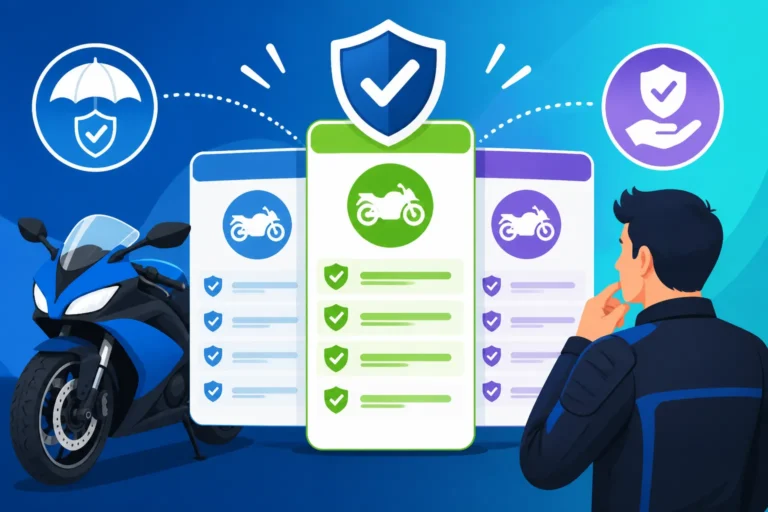
- Use Online Comparison Tools: Websites like The Zebra are incredibly useful for this process. Instead of going to each insurer's website individually and re-entering all your information, comparison sites let you input your details once and then pull quotes from multiple carriers simultaneously. This streamlines the process and gives you a broad overview of the market quickly. You can compare coverages, limits, and prices side-by-side, helping you identify the most competitive options for your standard motorcycle.
- Contact Local Agents: While online tools are convenient, don't overlook independent insurance agents. They often work with several different insurance companies and can help you navigate complex policies, find niche discounts, and offer personalized advice that an online algorithm might miss. They can also advocate for you if you ever need to file a claim.
- Be Specific with Details: When getting quotes, be as accurate as possible with your motorcycle's make, model, year, and any significant modifications. Also, provide accurate information about your riding history, annual mileage, and where the bike is stored. Inaccurate information can lead to issues down the road, including denied claims or policy cancellations. Our guide on How to Compare Motorcycle Insurance Quotes offers even more tips for this process.
Leveraging Discounts
Discounts are your best friend when it comes to lowering your motorcycle insurance premiums. Most insurers offer a variety of ways to save money, and combining several can make a substantial difference.
- Multi-Policy/Bundling Discount: One of the easiest ways to save is by bundling your motorcycle insurance with other policies, such as your car insurance, homeowner's, or renter's insurance. Many companies offer significant discounts for customers who keep multiple policies with them. For example, if you have your car insurance with Progressive, they might give you a better rate on your standard bike policy.
- Rider Training/Safety Course Discount: As mentioned before, completing an approved motorcycle safety course (like the MSF Basic RiderCourse) not only makes you a safer rider but also often qualifies you for a discount. This is a win-win: you improve your skills and save money.
- Experienced Rider/Mature Rider Discount: If you've been riding for a number of years without claims or tickets, you might be eligible for a discount. Some insurers also offer discounts for riders over a certain age (e.g., 50 or 55), recognizing their typically safer driving habits.
- Anti-Theft Device Discount: Installing an alarm system, GPS tracking device, or even using a heavy-duty disc lock can earn you a discount, as these measures reduce the risk of theft.
- Paid-in-Full Discount: If you're able to pay your entire annual premium upfront instead of in monthly installments, many insurers will give you a discount. This saves them administrative costs, and they pass some of those savings on to you.
- Organization Affiliation: Some insurers offer discounts for members of certain motorcycle clubs (like H.O.G. for Harley-Davidson riders) or professional organizations.
- Good Driver/Claims-Free Discount: Simply maintaining a clean driving record free of accidents or moving violations for a certain period can earn you a discount.
You can find an extensive list of potential savings in our article on Motorcycle Insurance Discounts You're Missing. Always ask about every possible discount when getting a quote; you might be surprised at what you qualify for!
Annual Review and Adjustments
Insurance isn't a "set it and forget it" kind of thing. Your needs, your bike's value, and market rates change over time, so it's smart to review your policy regularly.
- Re-evaluate Your Coverage Needs: Has your standard motorcycle depreciated significantly? Is it still financed, or is it paid off? If your bike is older and paid off, you might consider dropping collision and comprehensive coverage to save money, especially if its value is low. Conversely, if you've added new accessories or moved to a higher-crime area, you might need to increase certain coverages.
- Shop Around Annually: Don't assume your current insurer still offers the best rates. Market conditions change, and insurance companies frequently adjust their pricing strategies. What was the best deal last year might not be this year. Make it a habit to get new quotes from other providers every year or two, especially around renewal time. You can often find significant savings just by switching.
- Update Your Information: Did you complete a safety course? Did you install a new alarm? Did your mileage decrease because you're now working from home? Inform your insurer of any changes that might affect your risk profile. Sometimes, a simple update can lead to a discount.
- Life Events: Major life changes, like getting married, moving to a new house, or turning 25, can all impact your insurance rates. If your circumstances change, it's a good idea to check how it might affect your premium.
By being proactive and regularly reviewing your policy, you ensure that you're always getting the best possible insurance for your standard motorcycle. If you're looking for more ways to manage your costs, our guide on How to Lower Your Motorcycle Insurance Premium provides additional strategies.
Navigating the Motorcycle Insurance Market for Standard Bikes: A Comparison
To give you a clearer picture, let's consider a hypothetical rider looking to insure a popular standard motorcycle, like a 2023 Yamaha MT-07. This table illustrates how various factors can influence typical full coverage annual premiums. Keep in mind these are illustrative estimates, and your actual rates will vary greatly. Using tools like The Zebra for personalized quotes is always recommended.
| Factor | Scenario 1: Experienced Rider | Scenario 2: Young Rider (Under 25) | Scenario 3: Urban Rider with Clean Record | Scenario 4: Rural Rider with Clean Record |
|---|---|---|---|---|
| Rider Age | 45 | 22 | 35 | 35 |
| Riding Experience | 20+ years | 2 years | 10 years | 10 years |
| Driving Record | Clean | 1 minor speeding ticket | Clean | Clean |
| Annual Mileage | 3,000 miles | 5,000 miles | 4,000 miles | 2,000 miles |
| Storage Location | Locked Garage | Shared Driveway | Street Parking (Urban) | Private Garage (Rural) |
| Safety Course | Yes | No | Yes | Yes |
| Liability Limits | 100/300/50 | 50/100/25 | 100/300/50 | 100/300/50 |
| Collision Deductible | $500 | $1,000 | $500 | $500 |
| Comprehensive Deductible | $500 | $1,000 | $500 | $500 |
| Estimated Annual Premium | $500 – $800 | $1,800 – $3,000+ | $1,000 – $1,600 | $600 – $1,100 |
- Scenario 1 shows that an experienced, mature rider with a clean record and safe storage can expect significantly lower rates for a standard bike.
- Scenario 2 highlights the impact of age and limited experience. Even with the same bike, a young rider will face substantially higher premiums, often choosing higher deductibles and lower liability limits to manage costs.
- Scenario 3 demonstrates how living in a densely populated urban area, particularly with street parking, can drive up costs due to higher theft rates and accident probabilities, even for an experienced rider.
- Scenario 4 illustrates the benefit of a rural location and secure storage, leading to more favorable rates for the same type of rider.
This table underscores the importance of personalized quotes. Your individual combination of factors will ultimately determine your premium.
Disclaimer
Please remember that the information provided in this article is for general informational purposes only and does not constitute financial or legal advice. Insurance policies and requirements can vary significantly by state, insurer, and individual circumstances. It is always recommended to consult with a qualified insurance professional to discuss your specific needs and obtain personalized quotes and advice.