How to Switch Motorcycle Insurance Companies
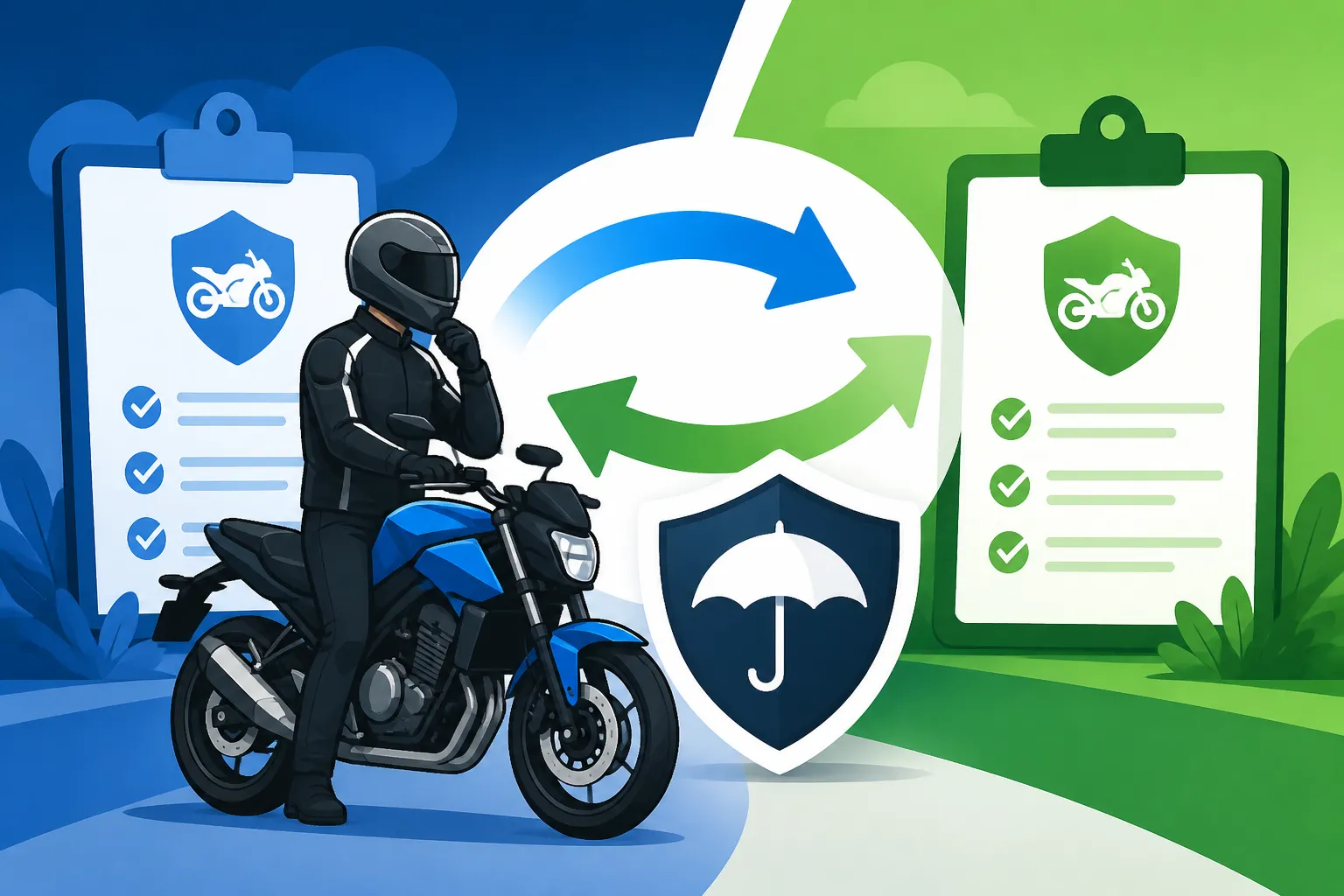
It's a familiar feeling for many riders: that moment you look at your motorcycle insurance bill and wonder if you're truly getting the best deal or the right coverage. Maybe your rates have crept up, or perhaps you've had a less-than-stellar experience with a claim. Whatever the reason, feeling stuck with an insurance company that doesn't serve your needs can be incredibly frustrating. This comprehensive guide is here to walk you through exactly how to switch motorcycle insurance companies, ensuring a smooth transition without a single lapse in your essential coverage.
Why Riders Consider Switching Motorcycle Insurance Companies
There's a whole host of reasons why a rider might start looking at other options, and it's rarely just one thing. Often, it's a combination of factors that slowly but surely chip away at your satisfaction, leading you to wonder if the grass is greener elsewhere. It’s perfectly normal to re-evaluate your insurance needs and providers as life changes, your riding habits evolve, or the market shifts.
Unsatisfactory Rates and Rising Premiums
Let's be honest, the cost of insurance is a huge factor for most of us. You might have signed up for a policy a few years ago that felt perfectly reasonable, but over time, those premiums can start to inch upwards without a clear explanation. This isn't always because of something you did; it could be broader market trends, an increase in claims in your area, or even your insurer reassessing their risk models. Whatever the cause, suddenly finding yourself paying significantly more for the same coverage can feel unfair and spark a desire to shop around.
Sometimes, you might simply discover that your current provider isn't as competitive as they once were. The insurance landscape is always changing, with new companies and new policies emerging, and what was a great deal five years ago might now be significantly more expensive than what a competitor offers. It's smart to periodically check current rates, especially if you haven't done so in a while. Getting a few quotes from different providers can quickly reveal if you're overpaying, and that alone is a powerful motivator to make a move.
Poor Customer Service and Claim Experiences
Insurance is one of those things you hope you never have to use, but when you do, you expect your provider to be there for you. A bad experience with customer service—long hold times, unhelpful agents, or difficulty getting clear answers—can be incredibly off-putting. It makes you question whether they’d truly stand by you if you had a serious accident or your bike was stolen. Trust and reliability are paramount when it comes to protecting your prized possession.
Even more critical is the claims process. If you’ve been in a minor fender bender, had your bike dropped, or worse, and your insurer drags their feet, denies a valid claim, or makes the process unduly complicated, it’s a huge red flag. A claim should be handled efficiently and with empathy, not add more stress to an already difficult situation. When an insurance company fails on the claims front, it’s a clear signal that it’s time to look for a company that prioritizes its policyholders when they need it most. After all, what's the point of paying premiums if you can't rely on them when the chips are down?
Changes in Personal Circumstances or Bike Needs
Life on two wheels is rarely static, and your insurance needs can change dramatically over time. Perhaps you've bought a new, more powerful bike, like a high-performance sport bike, which might require different coverage or come with a higher premium. Or maybe you've moved to a new city with higher traffic density, or even a new state entirely, which could affect your rates and even your legal requirements for coverage. Each state has its own unique rules; for example, you might want to look into the specific Motorcycle Insurance Requirements by State (2026 Guide).
On a personal level, major life events can also prompt a switch. Getting married, improving your credit score, taking an advanced motorcycle safety course, or even just turning 25 can open up new discounts or make you eligible for better rates with different companies. If your current insurer isn't recognizing these positive changes or offering you competitive options, it's definitely time to explore what else is out there. Your policy should adapt with your life, not hold you back.
Key Considerations Before Making the Switch
Before you dive headfirst into comparing quotes, it’s really important to take a moment and understand a few key aspects of your current situation and what you truly need from a new policy. Rushing this step could lead to gaps in coverage, unexpected fees, or simply switching to a policy that isn't much better than your old one. A little preparation goes a long way to making this a smooth process.
Understanding Your Current Policy Details
The first step in any successful switch is knowing exactly what you've got right now. Dig out your current policy documents – yes, the boring paperwork – and really understand your existing coverage. What are your liability limits? Do you have Collision vs Comprehensive Motorcycle Coverage? What are your deductibles? Are there any specific endorsements for custom parts or accessories? Many riders only look at their monthly premium, but the actual details of what's covered are far more important.
Pay close attention to the policy dates. When does your current policy officially renew or expire? Knowing this will help you plan your switch to minimize any overlap or, more importantly, avoid a dreaded lapse in coverage. Also, check if you're currently benefiting from any special discounts, like a multi-bike discount or a safe rider discount. You’ll want to see if a new provider can match or beat those savings. This detailed understanding will serve as your baseline for comparison when you start looking at new options.
Assessing Your Coverage Needs
Your motorcycle insurance isn't a "one size fits all" product. What you needed when you first started riding might not be what you need now, or vice versa. Take a good, hard look at your riding habits, your bike, and your financial situation. Do you still need full coverage, or would liability-only suffice if your bike is older and paid off? Are you financing your bike, which often means full coverage is mandatory? Consider the value of your motorcycle, any aftermarket parts you've added (which may need separate Accessories & Custom Parts Coverage Explained), and how much risk you're personally comfortable taking on.
Think about additional coverages that might be beneficial. Do you often ride long distances and might benefit from roadside assistance or trip interruption coverage? What about Uninsured & Underinsured Motorist Coverage (UM/UIM) – a crucial protection given how many drivers are on the road without adequate insurance? Don't just replicate your old policy; actively decide what types of motorcycle insurance coverage you actually need now. This proactive assessment ensures that your new policy truly meets your current needs, rather than simply mimicking an outdated one.
Checking for Cancellation Fees
Before you get too excited about a new, cheaper policy, make sure to read the fine print of your existing agreement for any potential cancellation fees. While many insurance companies don't charge a fee if you cancel mid-policy, some might, especially if you're canceling very early in a new policy term. These fees, though usually small, can sometimes eat into the savings you hoped to gain from switching. It’s a good idea to call your current insurer and ask directly about their cancellation policy.
Sometimes, the fee might be a prorated amount of the remaining premium, or a flat administrative charge. Knowing this upfront helps you factor it into your decision-making process. If the cancellation fee is substantial, it might be worth waiting until your current policy is closer to its renewal date to make the switch, provided your new insurer's rates remain competitive. Being aware of these potential costs helps you make a truly informed financial decision about when and how to transition your coverage.
A Step-by-Step Guide to Switching Motorcycle Insurance
Switching motorcycle insurance doesn't have to be a headache. With a clear roadmap, you can navigate the process smoothly, ensuring you maintain continuous coverage and get the best deal for your riding lifestyle. Think of it like tuning up your bike – a little effort now ensures a smoother ride ahead.
Gather Your Current Policy Information
Before you even think about looking at new companies, you need to lay the groundwork. This means pulling together all the essential information about your current motorcycle and insurance policy. You’ll want your policy number, current coverage limits, deductibles, and any specific endorsements you have. This also includes your bike’s VIN, make, model, year, and odometer reading. Having this information readily available will make the quote process much faster and more accurate.
Additionally, make sure you have your personal details handy: your driver's license number, motorcycle endorsement details, recent address history, and even any records of defensive riding courses you've completed. These details are all factors that influence your new rates and allow potential insurers to provide you with the most precise quotes. The more prepared you are, the less back-and-forth you'll have to do, streamlining the entire process.
Get Multiple Motorcycle Insurance Quotes
This is arguably the most critical step in saving money and finding the right fit. Don’t settle for just one quote from a single company. The market is full of options, and prices can vary wildly between providers for the exact same coverage. Start by using online comparison tools, like those offered by The Zebra, which allow you to input your information once and receive multiple quotes from various carriers. This saves a huge amount of time and effort compared to going to each insurer's website individually.
Beyond online tools, consider reaching out to independent insurance agents. These professionals work with multiple companies and can often find deals or specialized policies that you might miss on your own. Major companies like Progressive, Geico, Dairyland, and Markel are all popular choices among riders, but their rates and offerings can differ significantly based on your profile and location. Aim to get at least three to five quotes to give yourself a solid basis for comparison. This thorough approach is key to understanding How to Compare Motorcycle Insurance Quotes effectively.
Compare Quotes and Choose Your New Policy
Once you've collected a handful of quotes, it's time to put on your analytical hat. Don't just look at the bottom-line premium. Dive into the details of each quote. Are the liability limits the same? Do they offer comparable comprehensive and collision coverage? What are the deductibles, and how do they compare? One policy might look cheaper, but it could have higher deductibles or fewer benefits, meaning you pay more out-of-pocket if you have a claim.
Look for specific features that are important to you. Does the new policy offer Agreed Value vs Stated Value vs Actual Cash Value for your bike, which can be crucial for custom or vintage motorcycles? Are there good options for Motorcycle Insurance Discounts You're Missing that you can now qualify for? Make a side-by-side comparison. A simple spreadsheet can be incredibly helpful here. Once you've thoroughly reviewed everything, choose the policy that offers the best combination of coverage, service reputation, and price for your specific needs.
Purchase the New Policy Before Canceling the Old One
This is the golden rule of switching insurance: never cancel your old policy before your new one is officially active. A lapse in coverage, even for a single day, can have serious consequences. Not only could you face legal penalties if you're caught riding without insurance (as it's required in most states), but you'd also be financially vulnerable in the event of an accident. Furthermore, a coverage gap on your record can make future insurance more expensive, as insurers view it as a higher risk.
Instead, once you've chosen your new insurer, purchase the new policy and set its effective start date to be the day after your current policy ends, or even a day or two before to ensure a brief overlap. This guarantees continuous protection. Only once you have confirmation that your new policy is active and in force should you proceed with canceling your previous coverage. This sequential approach ensures a seamless transition.
Formally Cancel Your Old Motorcycle Policy
With your new policy firmly in place, it’s time to say goodbye to your old insurer. Don't just stop paying your premiums; you need to formally cancel the policy to avoid any issues. The best way to do this is by calling your current insurance company directly. Be prepared with your policy number and the effective cancellation date (which, as mentioned, should be after your new policy has begun).
Some companies might ask for a written cancellation request or send you a form to sign. Follow their specific instructions to ensure the cancellation is properly recorded. Ask for a confirmation email or letter that states your policy has been canceled and the effective date. This document is crucial for your records, proving that you ended the relationship appropriately. If you paid your premium in full, you may be eligible for a prorated refund for the unused portion of your policy. Understanding Do You Get a Refund When You Cancel Mid-Policy? can help you manage your expectations regarding any money coming back your way.
Avoiding Common Pitfalls When Changing Insurers
Switching insurance can definitely save you money and get you better coverage, but it's not without its potential traps. Many riders, eager to switch, can inadvertently create problems for themselves. Being aware of these common missteps will help you navigate the process like a seasoned pro.
The Peril of Coverage Gaps
Perhaps the biggest and most dangerous pitfall is a gap in coverage. Imagine canceling your old policy on a Friday, planning to activate a new one on Monday, and then deciding to take a quick weekend ride. If anything happens during that uninsured window – an accident, theft, or vandalism – you would be entirely on the hook financially. This could mean thousands, or even tens of thousands, of dollars in repair costs, medical bills, or liability claims, depending on the severity of the incident.
A lapse in coverage doesn't just put you at immediate risk; it can also haunt your insurance record for years. Future insurers will see that gap and often consider you a higher risk, potentially leading to higher premiums down the line. It's a lose-lose situation. This is why it’s absolutely critical to ensure your new policy is effective before you cancel your old one, creating a brief, intentional overlap if necessary. Don't let enthusiasm for a new deal blind you to the importance of continuous protection.
Not Understanding New Policy Terms
It's tempting, when presented with a seemingly great deal, to skim through the new policy documents and just sign on the dotted line. However, failing to fully understand the terms and conditions of your new policy is a significant mistake. Different companies might use slightly different terminology, or have varying exclusions and limitations that could impact you when it comes time to file a claim.
For instance, one policy might have fantastic liability coverage, but a very high deductible for comprehensive or collision, or limited coverage for custom parts. Another might offer a low premium but lack crucial benefits like roadside assistance or personal injury protection that you've come to rely on. Don't assume that because the policy looks similar on the surface, it functions identically to your previous one. Take the time to read through all the details, ask questions, and clarify anything that seems unclear before committing.
Ignoring Potential Cancellation Fees
As discussed, some insurance providers might charge a fee if you cancel your policy before its term officially ends. While these fees are often minor, they can sometimes add up, especially if you're switching very early into a new policy period. Overlooking these fees means that your anticipated savings might not be as significant as you initially thought, or could even make the switch less financially advantageous than staying put until renewal.
Before you make a final decision, always contact your current insurer to inquire about any cancellation penalties. Get the information directly from them in writing if possible. Knowing this figure upfront allows you to perform a true cost-benefit analysis. In some scenarios, if the fee is high, you might decide it's more cost-effective to simply wait out the remaining month or two of your current policy, even if the new one is slightly cheaper per month. This thoughtful approach ensures you truly maximize your savings and avoid any unpleasant surprises.
What to Look for in a New Motorcycle Insurance Company
When you’re in the market for a new insurance provider, it's not just about the lowest price tag. While cost is a major factor, the best motorcycle insurance company for you will also offer solid financial backing, excellent customer service, and specific coverage options that cater to the unique needs of riders. It’s about finding a balance that truly protects your investment and your peace of mind.
Competitive Rates and Available Discounts
Of course, the first thing most of us look for is a better rate. Don’t just accept the first quote you receive. As mentioned earlier, shopping around is key. Use comparison tools like The Zebra, or work with an independent agent to get a wide range of quotes. Look for a company that consistently offers competitive premiums for the level of coverage you need. However, "cheap" doesn't always mean "best." Sometimes, a slightly higher premium from a reputable insurer might offer better claims service or more robust coverage features.
Beyond the baseline rate, investigate all available discounts. Are there discounts for completing a motorcycle safety course? For being a homeowner? For having multiple policies (like bundling motorcycle and auto insurance)? What about loyalty discounts or discounts for anti-theft devices? Many companies, including prominent ones like Progressive and Dairyland, offer a wide array of ways to lower your premium. Actively asking about and qualifying for these can significantly reduce your overall cost, making a seemingly average rate much more competitive.
Strong Financial Stability and Customer Service Reputation
When you pay for insurance, you’re essentially buying a promise: a promise that if something goes wrong, the company will be there to cover the costs. This is why the financial stability of an insurer is so important. Look for companies with high ratings from independent financial strength rating agencies like A.M. Best, Standard & Poor's, or Moody's. A financially strong company is more likely to pay out claims quickly and reliably, even during widespread events like natural disasters.
Equally important is the company's customer service and claims handling reputation. Online reviews, consumer watchdog reports, and even word-of-mouth from other riders can provide valuable insights. Do they have a reputation for efficient claims processing? Are their customer service representatives knowledgeable and easy to reach? You want an insurer that makes the process as smooth as possible, not one that adds more stress. A company with a strong track record, like many of the Best Motorcycle Insurance Companies (2027), will stand by its policyholders when it matters most.
Specific Coverage Options for Riders
Motorcycles aren't cars, and riders have unique needs. Your new insurer should understand this and offer specialized coverage options beyond basic liability, comprehensive, and collision. For example, if you've invested in custom paint, chrome, or performance upgrades, you'll want to ensure they offer adequate Accessories & Custom Parts Coverage Explained or an agreed value policy to protect that investment. Some insurers cap this coverage at a very low amount, leaving you exposed.
Consider other rider-specific coverages:
- Roadside Assistance: Essential for breakdowns far from home.
- Trip Interruption: If a mechanical breakdown or accident derails a long road trip.
- OEM Parts Coverage: Ensures your bike is repaired with original manufacturer parts, not aftermarket substitutes.
- Personal Belongings Coverage: To cover gear like helmets, jackets, and saddlebag contents if they're damaged or stolen.
- Medical Payments Coverage: Can cover your medical bills regardless of fault, which is particularly vital for riders.
A company that understands the riding lifestyle and offers these specific protections demonstrates a commitment to its motorcycle clients, making them a more attractive option than a generic insurer that primarily focuses on automobiles.
Understanding Policy Overlaps and Gaps in Coverage
The thought of switching insurance can sometimes feel a bit like walking a tightrope – you want to move from one side to the other without falling into an unprotected abyss. This is precisely why understanding how to manage policy effective dates to prevent either a coverage gap or an unnecessary overlap is paramount. It’s about being smart and strategic to maintain continuous protection.
Why Coverage Gaps Are Dangerous
We've touched on this before, but it bears repeating: a gap in your motorcycle insurance coverage is incredibly risky and potentially costly. Even a single day without active insurance can lead to serious consequences. If you're involved in an accident, even if it's not your fault, you could be held personally liable for damages and medical expenses if your policy isn't active. This isn't just about minor bumps; it could involve hundreds of thousands of dollars.
Beyond financial exposure, most states have mandatory motorcycle insurance requirements. Getting caught riding without insurance, even unintentionally due to a lapse, can result in hefty fines, license suspension, vehicle impoundment, or even jail time in some jurisdictions. Your driving record could also be dinged, making it even harder and more expensive to get insurance in the future. In essence, a coverage gap transforms your prized motorcycle into a major liability and opens you up to severe legal and financial repercussions. It’s a situation to avoid at all costs.
The Importance of Overlapping Coverage Briefly
To completely circumvent the dangers of a coverage gap, a brief period of overlapping coverage is often the safest and most recommended strategy when switching insurers. This means setting the start date of your new policy to be a day or two before the cancellation date of your old policy. For example, if your current policy is active until May 15th, you might set your new policy to begin on May 14th. This ensures there's never a moment when you are completely uninsured.
While you might end up paying for two policies for a day or two, this minimal extra cost is a tiny price to pay for absolute peace of mind. It eliminates any risk associated with processing delays, administrative errors, or miscommunication between you and the insurance companies. Once you have physical or digital proof that your new policy is fully active and in force, you can then proceed with confidently canceling your old policy, knowing you are continuously protected.
Managing Grace Periods and Effective Dates
It’s crucial to understand the "effective date" of both your old and new policies. The effective date is the precise day and time your coverage begins or ends. When setting up your new policy, clearly communicate your desired effective date to the new insurer. They will typically issue policy documents with this date specified. Similarly, when canceling your old policy, specify the exact cancellation date you desire, making sure it aligns with your overlap strategy.
Some insurance companies offer a "grace period" for payments, but this is different from a grace period for active coverage. Don’t confuse a payment grace period with a period where you are still covered despite a policy being canceled or expiring. Always confirm with both your old and new insurers the exact effective dates. Make sure you receive written confirmation (email or physical mail) of both your new policy's activation and your old policy's cancellation, clearly stating the dates. This documentation protects you and proves continuous coverage should any questions arise in the future.
The Financial Side: Refunds and New Premiums
Switching motorcycle insurance is often driven by financial considerations – whether it's seeking lower rates or better value. Understanding the money flow, from potential refunds on your old policy to the structure of your new premiums, is essential for a smooth and beneficial transition.
Calculating Potential Refunds from Your Old Policy
If you've paid your existing motorcycle insurance premiums in advance, such as paying for a full six months or a year upfront, you're usually entitled to a prorated refund for the unused portion of your policy when you cancel mid-term. For example, if you paid for a year but cancel after eight months, you should receive a refund for the remaining four months. The exact amount of the refund will depend on the daily rate of your policy.
However, be aware that some companies might apply a short-rate penalty, which means they might withhold a small percentage of the refund as an administrative fee for early cancellation. This is less common nowadays, but it's worth checking your policy terms or asking your agent directly. The refund process generally takes a few weeks, so don't expect the money to hit your account immediately. Knowing whether you'll get money back, and roughly how much, can help offset any initial costs of your new policy and provide a clearer picture of your overall financial benefit from switching. You can learn more about this by reading How to Cancel Motorcycle Insurance.
Understanding Your New Premium Structure
When you purchase a new motorcycle insurance policy, it's vital to fully grasp how your new premiums are structured. Are you paying monthly, quarterly, semi-annually, or annually? Often, paying annually can result in a small discount compared to monthly payments. Also, confirm the payment methods available – direct debit, credit card, or check – and which options might offer a discount (e.g., auto-pay discounts).
Beyond the payment schedule, understand what each component of your premium covers. Your policy declarations page will break down the cost for liability, comprehensive, collision, and any additional endorsements. This transparency helps you see exactly where your money is going and ensures you're not paying for coverage you don't need or missing out on essential protections. Comparing this breakdown across different quotes helps you assess true value, not just the total sum. For example, some states require specific minimum liability coverage, so ensure your new policy meets the necessary Minimum Liability Insurance Explained (The Three Numbers).
How Switching Can Impact Your Budget
The primary goal of switching for many riders is to save money, thereby positively impacting their budget. By securing a lower premium, you free up funds that can be allocated to other aspects of your life, whether it's for motorcycle upgrades, riding gear, or simply everyday expenses. Even a savings of $10-$20 per month can add up to a significant amount over a year, making a real difference in your disposable income.
However, it's also important to factor in any immediate costs associated with the switch. This includes potential cancellation fees from your old policy (if any) and the initial payment required for your new policy. While a refund from your old policy might eventually cover some of this, you might need to cover the upfront costs out of pocket. By carefully calculating all these financial movements, you can ensure that switching insurance is a financially sound decision that genuinely improves your budget, rather than creating unexpected short-term strain. Don't forget to explore options like How to Lower Your Rate When Switching Insurers to maximize your savings.
Common Questions About Switching Motorcycle Insurance
Even after reading through a detailed guide, some specific questions often pop up when riders consider changing their insurance. Let's tackle some of the most frequently asked queries to make sure you feel fully prepared and confident in your decision.
Can I Switch Mid-Policy?
Yes, absolutely! You are generally not locked into an insurance policy for its entire term, especially if you’ve paid upfront. Most riders switch mid-policy when they find a better deal, experience poor service, or have a significant life change that impacts their needs. As we’ve discussed, the key is to ensure your new policy is effective before you formally cancel your old one to avoid any coverage gaps.
When you cancel mid-policy, your previous insurer will typically issue a prorated refund for any premiums you've paid in advance for the unused portion of the policy. The exact refund amount and whether any cancellation fees apply will depend on your specific policy terms and the insurer. So, while it's definitely possible and often advantageous to switch mid-policy, just make sure to handle the process carefully to ensure a seamless transition and avoid any unexpected charges.
Will Switching Affect My Driving Record or Credit Score?
Switching insurance companies itself does not directly affect your driving record. Your driving record is maintained by your state's Department of Motor Vehicles (DMV) and reflects your accidents, violations, and license status. Changing insurers doesn't change this information. What can impact your driving record, and subsequently your insurance rates, are any accidents or tickets you accumulate, regardless of which company you're insured with.
Regarding your credit score, applying for new insurance quotes usually involves a "soft inquiry" on your credit report. Soft inquiries do not typically affect your credit score and are not visible to other lenders. However, when you actually purchase a new policy, some insurers might perform a "hard inquiry," which can have a minor, temporary impact on your credit score. This is generally minimal and short-lived, especially if you're not opening multiple new lines of credit simultaneously. The long-term benefit of finding a better rate usually far outweighs any tiny, temporary dip in your credit score.
What Documents Do I Need?
Having your documents organized and ready makes the switching process much smoother. Here’s a checklist of what you'll typically need to gather:
- Current Insurance Policy Documents: This includes your policy number, declaration page (showing coverages, limits, and deductibles), and any proof of insurance cards.
- Personal Identification: Your driver's license number, date of birth, and social security number (for credit checks, if applicable).
- Motorcycle Information: Your bike’s Vehicle Identification Number (VIN), make, model, year, engine size (CC), and current odometer reading.
- Riding History: Details about your motorcycle endorsement, years of riding experience, and any recent motorcycle safety course completion certificates (like the MSF Basic RiderCourse).
- Claims History: Information about any past accidents or claims (even if not your fault) in the last 3-5 years, including dates and estimated damages.
- Current Address and Previous Addresses: Typically, they'll ask for your address history for the past 3-5 years.
- Payment Information: A method to pay for your new policy, whether it's a bank account for direct debit or a credit card.
Having all this information at your fingertips when you start getting quotes will save you a lot of time and ensure the quotes you receive are as accurate as possible.
Disclaimer
The information provided in this article is intended for general informational purposes only and does not constitute professional financial or legal advice. Motorcycle insurance requirements, coverages, and costs can vary significantly based on individual circumstances, location, and insurance provider. It is highly recommended to consult with a qualified insurance professional to discuss your specific needs and obtain personalized quotes before making any insurance decisions.