Is Roadside Assistance Coverage Worth It on a Motorcycle?
There's nothing quite like the freedom of the open road on two wheels, but that feeling can vanish in an instant when your motorcycle decides to quit on you. Whether it's a flat tire on a deserted highway, a dead battery in a busy city, or an unexpected mechanical issue miles from home, being stranded with a bike can be a real headache, and often, a safety concern. This guide will walk you through the ins and outs of motorcycle roadside assistance coverage, helping you decide if it's a worthwhile investment for your peace of mind and your wallet.
Understanding What Motorcycle Roadside Assistance Actually Is
Roadside assistance isn't just about getting a tow truck when your bike breaks down. For motorcyclists, it's a specialized service designed to handle the unique challenges that come with two-wheeled vehicles. It's an add-on or a standalone membership that provides a safety net when the unexpected happens, preventing you from being truly left high and dry.
The Scope of Services Typically Offered
When you sign up for roadside assistance, whether through your existing insurer or a dedicated service, you're usually buying into a package of essential services. These services are designed to get you and your motorcycle out of a jam.
For example, a common scenario is running out of gas. Unlike a car, where you might have a friendly neighbor bring you a spare can, a motorcycle can be much harder to move if you're out of fuel. Roadside assistance often includes fuel delivery, bringing enough gas to get you to the nearest service station. Another frequently used service is a jump-start for a dead battery. Many riders have experienced the frustration of hitting the starter button only to be met with silence, especially after leaving their lights on or during colder weather. Instead of frantically searching for jumper cables or waiting for a good Samaritan, a quick call can dispatch someone to give your battery the boost it needs.
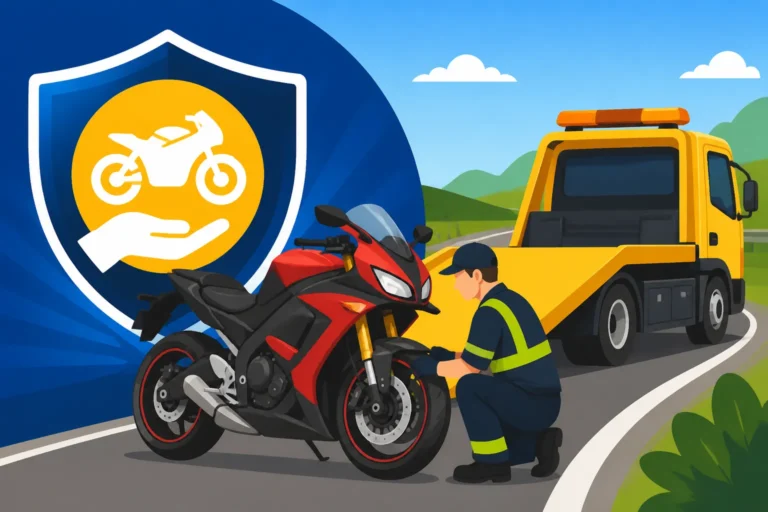
Flat tires are another classic culprit. Changing a motorcycle tire on the side of a busy highway or a dark rural road is not only difficult but incredibly dangerous. Roadside assistance will dispatch a professional to either fix the flat on the spot (if possible and safe) or, more commonly, tow your bike to a repair shop. Some policies might even cover the cost of a replacement tire up to a certain limit, though that's less common for basic roadside plans. Finally, and arguably most importantly, is towing. If your bike has a major mechanical failure, is involved in an accident, or simply can't be repaired on site, a tow is essential. These services often cover a specific mileage radius, like 25 to 100 miles, with any additional distance incurring an extra charge. It's crucial to know your policy's limits here.
Distinguishing Between Insurance Add-ons and Standalone Memberships
When you're looking into roadside assistance, you'll generally find two main avenues: adding it to your existing motorcycle insurance policy or signing up for a separate membership with a service provider.
An insurance add-on is usually the most convenient option. Many major motorcycle insurers, like Progressive, Geico, or Dairyland, offer roadside assistance as an inexpensive extra feature on your policy. The big benefit here is simplicity; it’s all under one umbrella, and you pay one premium. The drawback can be that the services might be more restrictive in terms of towing mileage or the types of incidents covered. For instance, some insurance-based roadside assistance might only cover breakdowns, not incidents like running out of gas or a flat tire unless specifically stated. When you're looking for different plans, checking options on sites like The Zebra can help you compare what various insurers offer as an add-on. It's smart to explore the various types of motorcycle insurance coverage explained to see how roadside assistance fits into the bigger picture.
Standalone memberships, on the other hand, are offered by organizations like AAA or specific motorcycle clubs. These often come with a higher annual fee but frequently provide more comprehensive coverage, longer towing distances, and sometimes additional perks like trip interruption benefits, discounts on parts, or even legal assistance. For instance, AAA’s motorcycle coverage often includes extensive towing allowances and can follow the rider, not just a specific bike. This is particularly appealing to riders who own multiple bikes or frequently ride borrowed motorcycles. The downside is that it's another separate bill and another set of paperwork to keep track of, but the peace of mind from broader coverage can be invaluable.
Real-World Scenarios Where Roadside Assistance Proves Its Value
Let's be honest, no one plans for their bike to break down. But when it happens, especially on a motorcycle, the situation can escalate quickly from an inconvenience to a real problem. Roadside assistance isn't just a luxury; it's often a necessity that can turn a nightmare scenario into a manageable bump in the road.
The Dreaded Flat Tire on a Remote Back Road
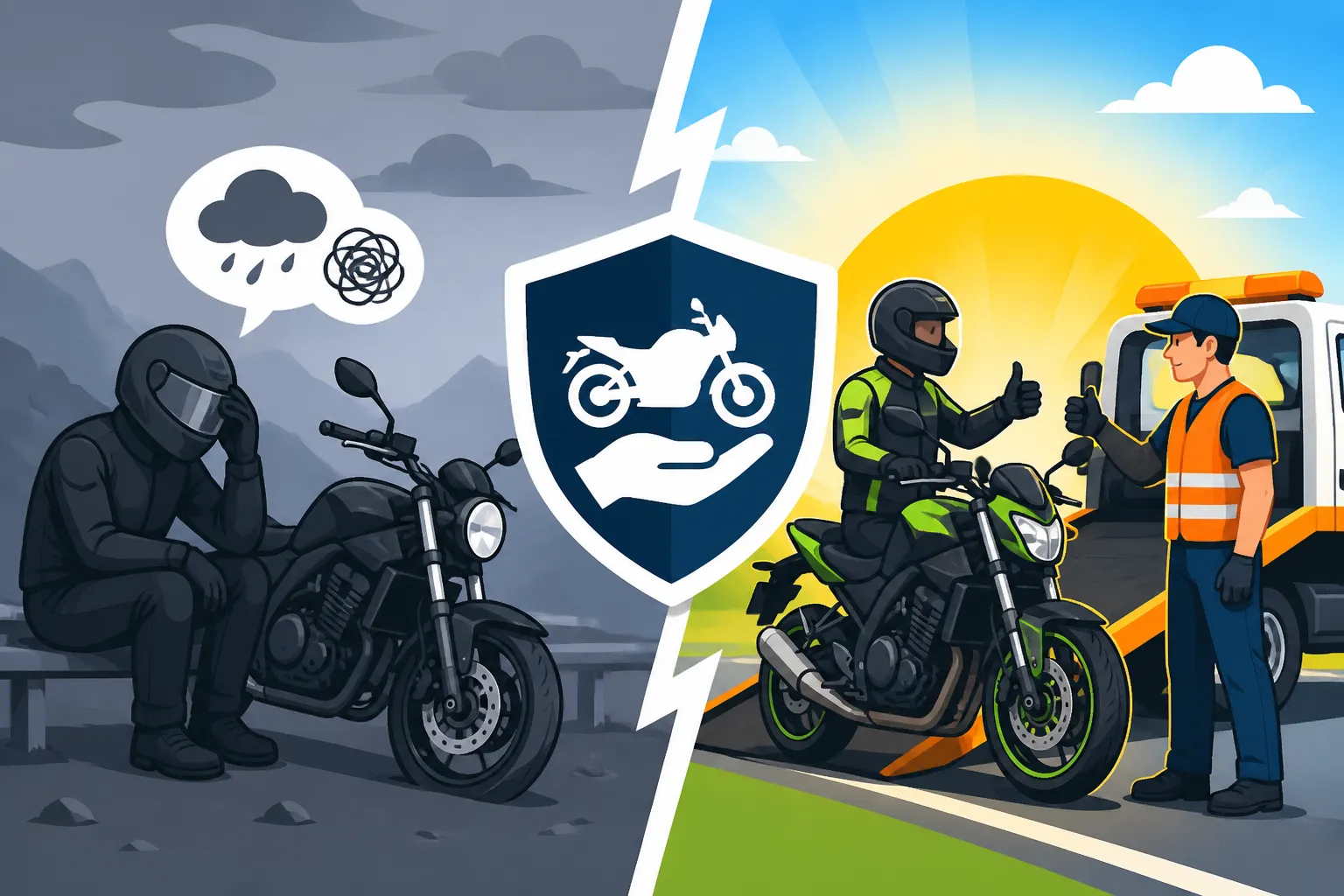
Picture this: You’re cruising through the winding roads of the Appalachian Mountains, far from any major town, enjoying the solitude. Suddenly, your bike starts feeling squirrely. You pull over, only to discover a nail firmly embedded in your rear tire. You've got no repair kit, no spare tire (because who carries one on a bike?), and limited cell service. This isn't just annoying; it's potentially dangerous if you're in an isolated area or if night is falling.
Without roadside assistance, your options are grim. You might try to flag down a passing vehicle, hoping they have space to haul your bike or can drive you to the nearest town. You might be looking at a very long, very hot or cold wait, and then an expensive tow from a local, independent operator who might charge an arm and a leg for the distance. With roadside assistance, one call is all it takes. They'll locate you, even in remote areas, and dispatch a tow service equipped to handle motorcycles, often covered within your policy's mileage limits. This saves you from hours of stress, potential exposure to the elements, and a significant out-of-pocket expense.
Stranded with a Dead Battery in the Middle of Nowhere
It’s happened to the best of us: you’re at a scenic overlook, admiring the view, and when you go to start your engine, all you hear is a weak click or nothing at all. Maybe you left your ignition on, or perhaps your battery is just on its last legs. While a car can often get a jump from another vehicle easily, finding someone willing and able to jump-start a motorcycle isn't always straightforward. Most cars don't have suitable jump cables, and the voltage differences can sometimes be a concern.
Imagine this happening late at night in a sparsely populated area, or even worse, during a heavy rainstorm. You're wet, cold, and your phone battery is running low. Waiting for a stranger could be a long shot. This is where roadside assistance really shines. A professional will come directly to you, prepared with the right equipment to safely jump-start your bike. If the battery is truly shot and won't hold a charge, they can tow you to a dealership or a repair shop to get a new one installed. It’s a simple service that can save you from a truly miserable experience.
Mechanical Failures and Accidents Far from Home
Sometimes, it’s not a simple flat or a dead battery. It’s a complete mechanical breakdown – maybe your chain snaps, your engine seizes, or your brakes fail. Or, perhaps you’ve had a minor fender bender or laid your bike down, and it's no longer rideable. These are the moments when you absolutely need a tow, and often, you need a long one.
Consider being on a road trip, hundreds of miles from your regular mechanic, and your bike suddenly starts making a horrible grinding noise. You pull over, realize it's a major issue, and now you're stuck. A call to your roadside assistance means a professional tow truck will be dispatched. They can take your motorcycle to the nearest qualified repair shop or, depending on your policy, even back home. This kind of extensive towing can be incredibly expensive if you’re paying out of pocket, potentially hundreds of dollars. For instance, if you're riding through rural stretches of Nevada or Montana, a tow could easily exceed 100 miles, making a basic roadside plan a smart move.
This is especially true when navigating through states with varying motorcycle insurance requirements by state, where you might not know the local towing services or prices. Roadside assistance often works with a national network, streamlining the process no matter where you are.
Weighing the Costs Against the Benefits for Motorcycle Riders
Deciding whether roadside assistance coverage is "worth it" really comes down to a personal risk assessment and how much you value peace of mind. For some riders, it's a non-negotiable part of their riding setup, while others might view it as an unnecessary expense. Let’s break down the typical costs and the very real benefits.
The Financial Outlay: What to Expect
The cost of adding roadside assistance to your motorcycle insurance policy is usually quite low, often just $15 to $30 per year. For example, many major carriers like The Zebra show that adding this feature can be a minimal expense compared to your overall premium. Standalone memberships, like those offered by AAA, might range from $60 to $150 annually, depending on the tier of service you choose and any additional perks included.
Now, compare that to the cost of a single tow without coverage. A short tow, say 10-20 miles, could easily cost you $75-$150 or more, especially if it's after hours or from a remote location. If you need a long-distance tow, that figure can skyrocket to several hundred dollars. For instance, in an urban area like Los Angeles, a local tow might be manageable, but if you break down in a less populated area of California's Central Valley, the rates climb fast. Even simple services like a jump-start can incur a service fee of $50 or more from an independent contractor.
Think of it this way: one flat tire requiring a tow, or one dead battery on a cold morning, could easily cost you more than several years' worth of roadside assistance premiums. It's a small recurring fee that acts as a financial safeguard against potentially much larger, unexpected expenses.
The Intangible Benefits: Peace of Mind and Safety
Beyond the financial savings, the benefits of roadside assistance extend to crucial intangibles: peace of mind and safety. When you’re stranded on a motorcycle, you’re far more vulnerable than in a car. You don’t have a protective metal cage around you, and you’re exposed to the elements, traffic, and potential hazards.
Knowing that a single phone call will dispatch professional help can significantly reduce the stress and anxiety of a breakdown. This is particularly true for solo riders, those who travel long distances, or riders who frequently venture into rural or unfamiliar territory. Imagine the relief of knowing someone is coming when you're stuck on the shoulder of I-95 in Florida in the middle of a summer downpour. This peace of mind allows you to focus on the joy of riding, rather than constantly worrying about what could go wrong.
Furthermore, roadside assistance contributes to your personal safety. Waiting by the side of the road, especially at night or on a busy highway, is inherently dangerous for a motorcyclist. Passing vehicles may not see you, and you're exposed to potential crime. A rapid response from a professional service minimizes your time in a vulnerable position. Many policies also offer trip interruption coverage as an add-on, which can help with lodging and food if your bike breaks down far from home, turning a stressful breakdown into a minor detour.
Deciding If Roadside Assistance Is Right for Your Riding Style
Ultimately, the decision to get roadside assistance boils down to your personal riding habits, your motorcycle, and your comfort level with risk. There's no one-size-fits-all answer, but by considering a few key factors, you can make an informed choice.
Factors to Consider Based on Your Riding Habits
Think about how and where you ride. Are you primarily a city commuter, sticking to familiar routes within urban areas? Or do you enjoy long-distance touring, exploring rural highways and remote backroads?
- City Riders/Commuters: If you mostly ride in well-populated areas, help is often closer at hand. You might be able to call a friend with a truck, find an Uber, or a local tow service might be just a few minutes away. However, even in cities like Chicago or New York, the cost of an emergency tow can be steep, and the hassle of coordinating it yourself can be immense. Plus, dealing with traffic while stranded on a motorcycle is its own kind of nightmare.
- Long-Distance Tourers/Adventure Riders: For those who rack up serious miles, especially across different states or on less-traveled roads, roadside assistance is almost a necessity. Breaking down 200 miles from home is a completely different ballgame than breaking down 5 miles from your garage. The sheer cost and logistical nightmare of arranging an unassisted tow in an unfamiliar area make the coverage a smart investment.
- Weekend Warriors/Leisure Riders: If you take occasional rides, say on scenic routes around North Carolina's Blue Ridge Parkway, you’re still venturing into areas where help might not be readily available. The frequency might be lower, but the severity of a breakdown can still be high.
- Riders with Older Bikes: Vintage or classic motorcycles, while beautiful, can be less reliable than newer models. If your bike has a tendency to be temperamental, or you're riding a project bike, having roadside assistance could save you a lot of headaches.
You should also consider your personal comfort with mechanical issues. Are you handy with tools and carry a basic repair kit, or are you completely reliant on professional help for anything more than tightening a bolt? If you're not mechanically inclined, roadside assistance provides a crucial safety net.
Assessing Your Motorcycle and Its Reliability
The type of motorcycle you ride also plays a significant role. A brand-new Harley-Davidson with a warranty might be less prone to unexpected breakdowns than a 20-year-old Honda Shadow.
- Newer Motorcycles: While less likely to break down, even new bikes can get flat tires, run out of gas, or be involved in accidents. A new bike also often means a higher value, so you want to ensure it's towed properly without further damage.
- Older or Vintage Motorcycles: As mentioned, these bikes, while cherished, can be more prone to unexpected issues. Belts snap, electrical systems falter, and parts wear out. For these machines, roadside assistance is often a wise investment.
- Custom or Heavily Modified Bikes: If your bike features unique customizations or is an exotic model, standard tow trucks might not be equipped to handle it without risk of damage. Specialized motorcycle towing offered through reputable roadside assistance programs can ensure your prized possession is transported safely. For custom bikes, also consider whether your accessories and custom parts coverage explained is adequate, as you want to protect your investment.
A Comparative Look at Scenarios
Let’s put it into perspective with a table outlining various scenarios and how roadside assistance could impact them:
| Scenario | Without Roadside Assistance | With Roadside Assistance (Insurance Add-on) | With Roadside Assistance (Standalone Membership) |
|---|---|---|---|
| Flat Tire (30 miles from town) | Call local tow company (if possible), pay $150- $250. Long wait, stress. | Call insurer, professional tow covered (up to policy limit). Minimal out-of-pocket, less stress. | Call member service, professional tow (often longer distance). Potentially no out-of-pocket, high peace of mind. |
| Dead Battery (Rural Area) | Hope for a stranger, try to push-start, find local mechanic. Long wait, potential danger. | Call insurer, jump-start dispatched. Quick resolution, safe. | Call member service, jump-start or tow. Fast, reliable, broad network. |
| Mechanical Breakdown (150 miles from home) | Find long-distance tow (expensive!), arrange travel, worry about bike security. Cost: $300-$800+. | Tow to nearest shop (up to limit), pay for extra mileage. Reduced cost, but still some out-of-pocket. | Tow to home or preferred shop (often longer distances included). Significant savings, full coverage. |
| Run Out of Gas (Highway) | Hitchhike, walk to gas station, or wait for passerby. Dangerous, time-consuming. | Fuel delivery (limited amount). Get back on the road quickly. | Fuel delivery (often more generous limits). Efficient, safe, convenient. |
| Minor Accident (Bike not rideable) | Arrange private tow, deal with police, worry about vehicle removal. High stress, unexpected costs. | Tow to repair shop (covered by policy). Streamlined, part of incident management. | Tow to repair shop, potential additional benefits like trip interruption. Comprehensive support. |
As you can see, even the simplest issues can become major ordeals without the right support. Considering that the average motorcycle insurance cost by age can vary significantly, adding a small amount for roadside assistance usually makes very little difference to your overall premium, especially for older, more experienced riders.
Securing Your Motorcycle Roadside Assistance Coverage
So, you've weighed the pros and cons, pictured yourself stranded, and decided that roadside assistance is a smart move. Fantastic! Now let's talk about how to actually get it. The process is usually pretty straightforward, but understanding your options helps you find the best fit for your specific needs.
Adding it to Your Current Motorcycle Insurance Policy
For most riders, the easiest way to get roadside assistance is by adding it to their existing motorcycle insurance policy. When you initially purchased your policy, or during your annual renewal, you might have seen it as an optional add-on, often labeled "Roadside Assistance" or "Towing and Labor."
How it works:
- Contact Your Insurer: The simplest step is to call your current motorcycle insurance provider directly. Speak to a representative and tell them you'd like to add roadside assistance coverage. They'll walk you through the specifics of what their program offers, including towing limits (e.g., up to 50 miles, or a certain dollar amount), services covered (jump-starts, fuel delivery, flat tire service), and any exclusions.
- Online Portal: Many insurers, like The Zebra, also allow you to manage your policy online. Log in to your account, navigate to your policy details, and look for an option to modify your coverage or add endorsements. You can usually get an instant quote for the added cost and apply it right there.
- Cost: As mentioned, this is generally the most budget-friendly option, often adding just $15-$30 to your annual premium. It's a small price for the potential peace of mind.
- Convenience: All your motorcycle-related insurance needs are handled by a single company, and you have one point of contact if you need to file a claim or use the service.
It's important to understand the details, though. Not all insurance-based roadside assistance is created equal. Some plans might only cover a short tow, which could leave you paying out of pocket for longer distances, especially if you're far from a repair shop. Always ask about mileage limits and if there's a limit to how many calls you can make in a year. When you're comparing policies, it's a good idea to compare full coverage vs liability which should you choose and how roadside assistance fits into either.
Exploring Standalone Memberships and Clubs
If your current insurer doesn't offer robust roadside assistance, or if you prefer a separate, more comprehensive solution, standalone memberships are an excellent alternative.
Popular Options Include:
- AAA (American Automobile Association): While primarily known for cars, AAA offers excellent motorcycle roadside assistance. Their plans are typically more expensive than an insurance add-on but often come with more extensive benefits, such as longer towing distances (sometimes up to 200 miles for higher-tier memberships), greater coverage for multiple vehicles, and additional perks like discounts on travel and car rentals. AAA's service follows the member, not just the bike, which is great if you ride different motorcycles.
- Motorcycle Clubs and Associations: Many national and local motorcycle clubs, such as the American Motorcyclist Association (AMA), offer roadside assistance as a benefit of membership. These can be particularly appealing because they often understand the unique needs of motorcyclists and might offer specialized towing for custom bikes or specific types of breakdowns. Membership fees vary but often include other benefits like advocacy, event access, and exclusive discounts.
- Motorcycle Brands: Some motorcycle manufacturers, like Harley-Davidson, offer their own roadside assistance programs, sometimes bundled with extended warranties or financing. These are typically tailored to their specific bikes and can offer brand-specific repair and towing options.
Key Differences to Consider:
- Cost: Standalone memberships usually have higher annual fees but can offer greater value in terms of coverage limits and additional benefits.
- Coverage Extent: These plans often provide more generous towing mileage and a wider array of services. If you frequently travel long distances or venture into remote areas, a standalone membership might provide the superior peace of mind.
- Flexibility: Many standalone plans cover you no matter which motorcycle you're riding, or even if you're a passenger in another vehicle.
- Claim Process: With a separate membership, you're dealing directly with the roadside assistance provider, which can sometimes be faster than going through your primary insurer, especially if your insurance claim department has separate processes.
When shopping for any type of coverage, it's always wise to compare various options. Websites like The Zebra can be useful resources for getting multiple quotes and understanding different plans from various providers, helping you find the right balance of cost and comprehensive coverage for your motorcycle. Don't forget to look at how different companies compare in general, like checking out the best motorcycle insurance companies 2026 guide for overall ratings.
What to Look for When Comparing Options
Regardless of whether you choose an insurance add-on or a standalone membership, always scrutinize the fine print.
- Towing Limits: What's the maximum distance your bike will be towed for free? Are there different limits for different types of incidents? What's the cost per mile beyond that limit?
- Services Included: Does it cover jump-starts, fuel delivery, flat tire service, lockout service (less common for bikes, but check), and winch service if you get stuck?
- Number of Incidents: Is there a limit to how many times you can use the service in a year?
- Response Time: While not always guaranteed, ask about average response times.
- Exclusions: Are there any specific situations or types of bikes that aren't covered? For example, some might not cover bikes on race tracks or off-road situations.
- Roadside Assistance Network: Does the provider use a broad network of reputable towing companies, or are they limited to a smaller, less reliable pool?
By taking the time to compare these details, you can ensure that the roadside assistance coverage you choose genuinely meets your needs and provides the robust safety net you're looking for, no matter where your motorcycle adventures take you. It's an investment in minimizing stress and maximizing your riding enjoyment, making it truly worth considering.
Disclaimer
Please remember that this article provides general information and guidance. Motorcycle insurance policies and roadside assistance coverage details can vary significantly based on your specific provider, location, and individual circumstances. It is crucial to read your policy documents thoroughly, ask your insurance agent or provider specific questions, and understand all terms, conditions, limits, and exclusions before making any decisions. The information provided here is not a substitute for professional financial or insurance advice.