What Is Carried Contents/Personal Belongings Coverage?
It’s a common scenario: you’ve invested in your motorcycle, found the perfect full-face helmet, a top-tier riding jacket, and maybe even some fancy Bluetooth comms. You assume your motorcycle insurance has you covered for everything, right? But then an accident or theft happens, and you discover your expensive gear isn't automatically included in your bike's coverage. This guide will walk you through what carried contents and personal belongings coverage is, why it's so vital, and how it can protect your valuable riding essentials.
Understanding the Gap in Standard Motorcycle Policies
When you first dive into motorcycle insurance, it’s easy to focus on the big-ticket items: liability, collision, and comprehensive coverage for the motorcycle itself. These are undeniably crucial, protecting you from financial ruin if you cause an accident, or covering repairs if your bike is damaged in a crash or stolen. But what about all the other stuff that makes riding possible and enjoyable? The helmet, the jacket, the boots, your GPS, or even the sunglasses you stash in your tank bag? These items often fall into a tricky grey area, and many riders only realize this gap after an incident occurs.
Why Your Bike Insurance Might Not Cover Your Gear
Let's be frank, standard motorcycle insurance policies are primarily designed to cover the motorcycle itself. Collision coverage kicks in for damages to your bike from an accident, and comprehensive coverage handles non-collision events like theft, vandalism, or hitting a deer. However, these policies typically do not extend to the personal items you wear or carry on the motorcycle. Imagine you have a low-speed tip-over in a parking lot. Your beautiful new helmet hits the ground, and your riding jacket tears on the asphalt. While your collision coverage might help repair the scratches on your tank or replace a broken mirror, it generally won't pay for that ruined helmet or jacket. This can be a real punch to the gut, both literally and financially, especially when you consider how much quality riding gear costs. Many riders mistakenly believe that if their bike is covered, their gear is too, but that's rarely the case with a basic policy.
The Cost of Replacing Riding Gear and Personal Items
The truth is, quality riding gear isn't cheap. A good, DOT-approved helmet, for instance, can easily run you anywhere from $300 to over $1,000, depending on the brand, features, and materials. Then you add in a protective riding jacket, which could be another $200-$800. Don't forget riding pants, gloves, and boots, each adding a few hundred dollars to the tally. And that's just the essential safety gear! Many riders also carry expensive electronics like a dedicated motorcycle GPS unit, a smartphone for navigation, or an action camera to record their rides. Factor in a Bluetooth communication system for your helmet, and you're quickly looking at thousands of dollars in personal items that are vulnerable every time you hit the road. To compound the problem, riders often don't keep a running tab of the total value of their gear, so the financial shock of replacing it all out-of-pocket after an incident can be truly devastating. Without specific coverage for these items, you're left footing the entire bill, which can quickly erase any savings you thought you were getting on a cheaper, less comprehensive policy.
What Exactly Is Carried Contents and Personal Belongings Coverage?
So, if your standard policy won't cover your gear, what will? That's where carried contents and personal belongings coverage comes into play. It's a specific type of add-on or endorsement that you can purchase to extend your motorcycle insurance to cover the valuable items you have with you when you ride. Think of it as specialized protection for your riding life beyond just the bike itself.
Defining the Coverage and Its Purpose
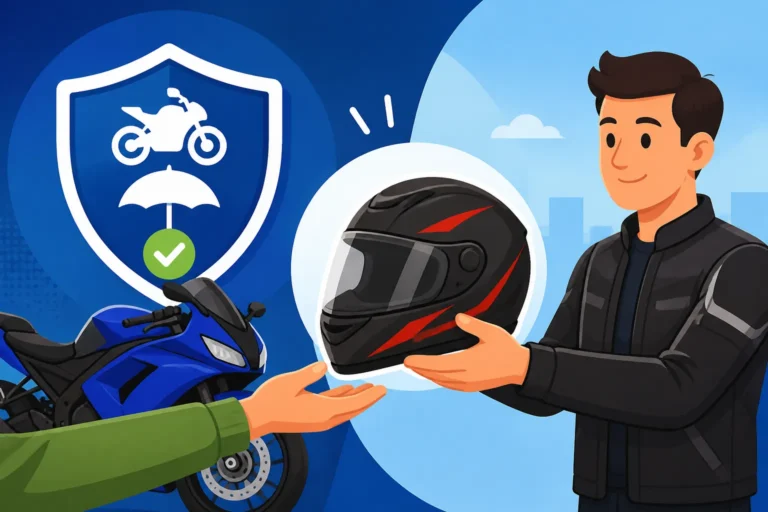
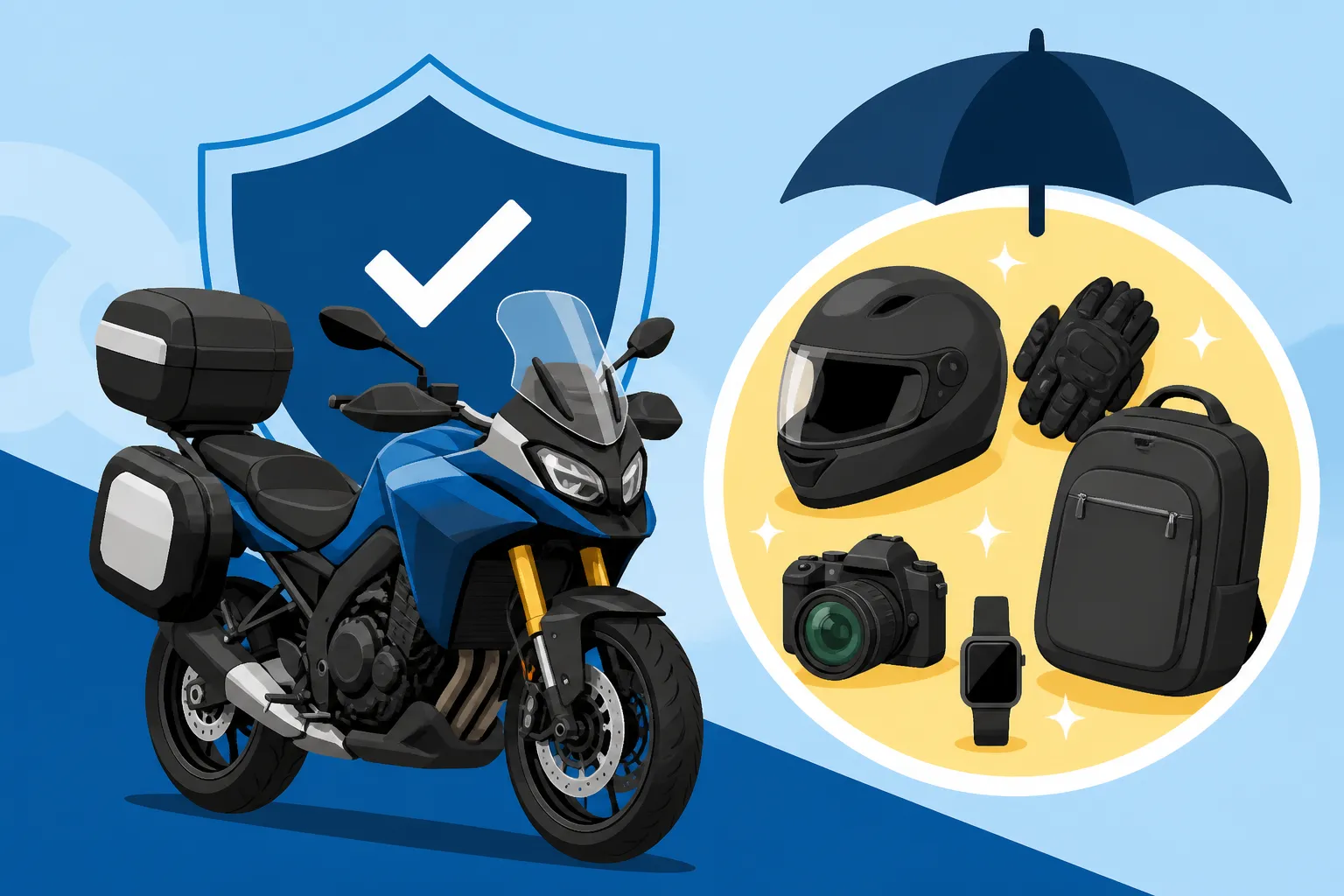
Carried contents and personal belongings coverage is an optional addition to your motorcycle insurance policy designed to protect the personal items you have with you while riding. This typically includes gear that is worn by you or a passenger, or items stored in your saddlebags, tank bag, or a trunk on the motorcycle. The primary purpose of this coverage is to provide financial reimbursement if these items are damaged due to a covered peril (like an accident, theft, or vandalism) or stolen directly from your motorcycle.
It's a crucial distinction from your homeowner's or renter's insurance. While those policies might offer some coverage for personal property away from your home, they often come with high deductibles that make claiming a damaged helmet or jacket impractical. Furthermore, they sometimes have specific exclusions or lower limits for items associated with vehicles. Motorcycle-specific personal belongings coverage, on the other hand, is tailored for the unique risks riders face, ensuring that items like your riding jacket, GPS, or even the contents of your touring bags are protected. It's truly designed to cover the specific things a rider would typically have on or with their bike.
What Items Are Typically Covered?
The beauty of carried contents and personal belongings coverage lies in its specificity. It targets the items you value most as a rider. Here’s a breakdown of what you can generally expect to be covered:
- Helmets: This is a big one. Any type of helmet you wear – full-face, modular, open-face – is typically covered if damaged in an accident or stolen. Given the critical safety role and cost of helmets, this coverage is paramount.
- Riding Apparel: Your protective jacket, pants, gloves, and boots are usually included. These aren't just clothes; they're vital safety equipment, and their replacement cost can be significant.
- Electronic Devices: Many riders rely on GPS units, smartphones for navigation and communication, action cameras (like a GoPro), and Bluetooth intercom systems. If these are damaged or stolen while on or with your bike, this coverage can help.
- Luggage Contents: If you're touring, your saddlebags or trunk might contain clothing, toiletries, and other personal effects. While there are usually reasonable limits, this coverage can protect these items.
- Motorcycle-Specific Tools: Small tool kits you carry for minor roadside adjustments can also fall under this coverage.
It's important to remember that policies vary, and checking the specific terms with your provider is always a good idea. However, the general intent is to cover items directly associated with your riding experience. For those looking to compare coverage options and ensure their gear is properly protected, platforms like The Zebra can be incredibly helpful in seeing what different insurers offer in this regard.
What's Usually Not Covered?
While carried contents coverage is fantastic for protecting your riding essentials, it's not a catch-all for every single item you might possibly carry. Understanding the exclusions is just as important as knowing what is covered. Generally, this endorsement focuses on items directly related to the act of riding or those typically stored with the bike.
Here's a list of items that are usually not covered:
- High-Value Personal Items Not Related to Riding: This commonly includes jewelry, large amounts of cash, expensive watches, fine art, or collectibles. For these types of items, your homeowner's or renter's insurance, possibly with a separate rider, would be the more appropriate coverage.
- Laptops, Business Equipment, or Non-Riding Electronics: While your phone or GPS might be covered, a laptop, tablet, or professional camera gear that you're carrying for work or extensive personal use is often excluded unless specifically negotiated and listed.
- Items Left Unattended and Unsecure: If you leave your expensive helmet simply resting on your seat without any attempt to secure it, and it's stolen, the claim might be denied. Insurers expect a reasonable level of care for your belongings. This means utilizing helmet locks, securing saddlebags, or taking valuable items with you when you leave the bike.
- Wear and Tear or Mechanical Breakdown: This coverage is for sudden, accidental damage or theft. It won't pay to replace your riding boots because the sole wore out after years of use, nor will it cover the cost if your GPS unit simply stops working due to a manufacturing defect or age.
- Items for Sale or Business Use: If you're carrying inventory for a business or items specifically for commercial purposes, they will almost certainly be excluded from personal belongings coverage.
Always review your specific policy documents to confirm exclusions. What one insurer covers, another might not, or they might have different stipulations regarding how items are stored or secured.
How Carried Contents Coverage Works in Real-Life Scenarios
It's one thing to understand what the coverage is, and another to see how it plays out when disaster strikes. Let’s look at some common scenarios where carried contents and personal belongings coverage truly shines, making a tangible difference in a rider's financial well-being.
Accident-Related Damage to Gear
Let’s imagine a common, unfortunate scenario. You’re riding through a busy intersection in Dallas, Texas, and a car unexpectedly cuts you off. You manage to avoid a head-on collision, but you have to lay the bike down in a low-side slide. The bike suffers some fairing damage and a bent lever. Your full-face helmet, unfortunately, skids across the pavement, leaving deep gouges and compromising its structural integrity. Your favorite leather riding jacket is torn at the elbow, and your gloves are shredded.
Your collision coverage will kick in to cover the damages to your motorcycle, minus your deductible. However, without carried contents coverage, those ruined safety items – the helmet, jacket, and gloves – would be an out-of-pocket expense. Since safety gear is designed to protect you in a single significant impact, even a seemingly minor crash often means replacing a helmet entirely. With this specific add-on, your insurance would also cover the cost of replacing your helmet, jacket, and gloves, up to your policy’s stated limit, after your personal belongings deductible (if it’s separate from your collision deductible). This means you can quickly get back on the road safely equipped, without having to choose between safety and your wallet.
Theft of Gear and Personal Items
Theft is another gut-wrenching experience for any rider, and it doesn't always mean the whole bike disappears. Consider this: you pull into a diner in Sturgis during the rally, eager for a burger. You lock your helmet to the bike’s helmet lock and leave your riding jacket draped over the seat, thinking it’s secure enough for a quick meal. You return to find your expensive Sena communication system has been pried off your helmet, and someone has made off with your favorite riding jacket. Or perhaps, someone managed to pry open your locked saddlebags and snatch your valuable GPS unit and a tablet you had stored inside.
Standard comprehensive coverage would cover the theft of the motorcycle itself, but it almost certainly wouldn't cover the gear stolen from the bike or the contents of your luggage. This is where carried contents coverage steps in. It’s designed specifically for these situations, covering the theft of your personal items that were on or with your motorcycle. This can be a huge relief, especially if you're carrying high-value items that are essential for your ride. Instead of filing a police report and then wondering how you'll afford to replace your helmet communication system or navigation unit, you can file a claim and be reimbursed, making a frustrating situation a little less financially burdensome. Does Motorcycle Insurance Cover Theft? Yes, for the bike, but not always for your personal gear without this specific add-on.
Understanding Deductibles and Limits
Like most insurance coverages, carried contents and personal belongings coverage comes with its own set of deductibles and limits, which are crucial to understand. A deductible is the amount of money you agree to pay out-of-pocket before your insurance coverage kicks in. For example, if you have a $250 deductible for your personal belongings coverage and your stolen helmet and jacket are valued at $1,000, you would pay the first $250, and your insurance company would then pay the remaining $750. Some policies might have a separate deductible for personal belongings, while others might group it with your comprehensive or collision deductible. Always clarify this with your insurer.
The coverage limit is the maximum amount your insurance company will pay out for a single claim under this specific coverage. Common limits range from $1,000 to $3,000, but some insurers, such as Progressive or Dairyland, may offer higher limits for an additional premium. If your gear is valued at $2,500 and your coverage limit is $2,000, you would still be responsible for the $500 difference (plus your deductible). This highlights the importance of choosing an appropriate limit. Many riders underestimate the combined value of their helmets, jackets, gloves, boots, communication systems, and electronics. It's a smart practice to create an inventory of all your riding gear and personal items typically carried on your bike, noting their current replacement value. This will help you determine a coverage limit that truly protects your investment and ensures you're not left underinsured if the worst happens.
Weighing Your Options: Is This Coverage Right for You?
Deciding whether to add carried contents and personal belongings coverage to your motorcycle insurance is a personal choice, but it’s one that every rider should carefully consider. It's about balancing the added cost against the potential financial relief and peace of mind it offers.
Pros and Cons of Adding Carried Contents Coverage
Like any insurance add-on, there are clear benefits and some considerations to ponder before committing.
Pros of Carried Contents Coverage:
- Financial Protection: This is the most significant advantage. It safeguards your investment in expensive riding gear and personal electronics, preventing you from having to pay for replacements entirely out-of-pocket after a covered incident like an accident or theft.
- Peace of Mind: Knowing that your essential safety gear and personal items are protected allows you to ride with less worry. You can focus on the road and the experience, rather than constantly stressing about your helmet being stolen at a gas station or your GPS being damaged in a minor fall.
- Practical for Smaller Claims: Unlike homeowner's or renter's insurance, which often have higher deductibles, motorcycle-specific personal belongings coverage might have a lower, more practical deductible for items like a single helmet or jacket, making it financially feasible to file a claim for these items.
- Tailored Coverage: It's specifically designed for the unique risks associated with motorcycles and the items riders carry, often providing more comprehensive protection for these items than general home insurance policies might.
Cons of Carried Contents Coverage:
- Additional Premium Cost: Adding any endorsement to your policy will increase your annual or monthly premium. You need to weigh this extra cost against the value of the items you're protecting.
- Deductibles Still Apply: While often more practical than homeowner's deductibles, you still have to pay your chosen deductible before the insurance company pays out.
- Coverage Limits: The coverage has limits, which might not be enough for riders who carry extremely expensive custom gear or multiple high-value electronics. It’s crucial to assess if the available limits truly match the value of your possessions.
Ultimately, if the total value of your helmet, riding apparel, and electronics routinely carried on your bike exceeds what you're comfortable losing, or if your homeowner's policy offers inadequate protection, this coverage is likely a smart investment.
Comparing with Homeowner's or Renter's Insurance
Many riders wonder if their existing homeowner's or renter's insurance policy already covers their personal belongings, including their riding gear. While these policies do typically offer some personal property coverage for items away from home, there are significant limitations that often make them less ideal for motorcycle gear:
- High Deductibles: A common homeowner's insurance deductible might be $500, $1,000, or even more. If your $600 helmet is ruined, paying a $1,000 deductible makes filing a claim impractical; you'd be paying more than the item is worth. Motorcycle-specific personal belongings coverage often has lower, more reasonable deductibles (e.g., $100-$250) that make claims for individual pieces of gear financially sensible.
- Coverage Limitations/Exclusions: Some homeowner's policies have specific limitations or even exclusions for property related to motor vehicles. They might also have lower sub-limits for certain categories of items, which could impact expensive electronics or specialized gear.
- Impact on Future Premiums: Filing a small claim against your homeowner's policy, even for a relatively low-cost item like a helmet, could potentially lead to higher premiums for your entire home policy or make it harder to find coverage in the future. Using your motorcycle insurance for motorcycle-related claims keeps your home insurance record clean.
In essence, while your homeowner's policy provides a broad safety net for your possessions, it's often not the most practical or effective solution for protecting your riding gear. The specialized nature and lower deductibles of carried contents coverage make it a far better fit for a rider's specific needs. When you're looking to understand these differences and compare options, using a service like The Zebra can help you get clear comparisons between different types of coverage and providers.
Tips for Valuing Your Gear and Choosing Limits
Choosing the right coverage limit for your carried contents and personal belongings coverage requires a bit of homework, but it’s absolutely worth the effort. You don't want to pay for coverage only to find out it's insufficient when you need it most.
Here’s how to approach valuing your gear and selecting appropriate limits:
-
Create a Detailed Inventory: Go through all your riding gear and personal items you typically carry on your motorcycle. This includes:
- Helmets (list each one you use)
- Riding jackets (leather, textile, mesh)
- Riding pants or chaps
- Gloves (summer, winter, gauntlet)
- Riding boots
- Bluetooth communication systems
- Dedicated GPS units
- Action cameras
- Any specific tools or repair kits
- Eyewear (prescription riding glasses, sunglasses)
- Small luggage (tank bags, tail bags, contents of saddlebags, if applicable)
-
Determine Replacement Cost: For each item, note its current estimated replacement cost. Don't think about what you paid for it five years ago; research what it would cost to buy a new, comparable item today. Keep in mind that a premium full-face helmet like a Shoei or Arai can easily exceed $700, and a quality leather jacket can be $500 or more.
-
Keep Records: Take photos of your gear, especially the more expensive items. Store copies of receipts digitally or physically. This documentation will be invaluable if you ever need to file a claim, as it helps prove ownership and value.
-
Add It All Up: Sum up the replacement costs of all your items. This total will give you a good benchmark for the minimum coverage limit you should consider. Most insurers offer increments of $1,000, so if your total comes to $2,800, a $3,000 limit would be a good starting point. Don't forget that many policies offer a base amount, sometimes around $1,000, so you'll be adding coverage on top of that.
-
Re-evaluate Periodically: Your gear changes over time. You might buy a new helmet, upgrade your comms system, or get a new riding jacket. Make it a habit to review your inventory and coverage limits annually, especially when your policy renews. This ensures your protection keeps pace with your investment.
By taking these steps, you’ll be much better equipped to select a carried contents limit that genuinely protects your financial interests, letting you ride confidently knowing your gear is covered.
Finding the Right Policy and Saving Money
Navigating the world of motorcycle insurance, with all its nuances and add-ons, can feel like a labyrinth. But securing the right coverage, including personal belongings, doesn't have to break the bank or be overly complicated. It’s about asking the right questions and knowing where to look for the best value.
Key Questions to Ask Your Insurance Provider
When you're discussing carried contents and personal belongings coverage with an insurer, whether it’s a representative from a company like Progressive or an independent agent, don't be shy about asking detailed questions. Clarity now can save you a lot of grief later.
Here are some essential questions to ensure you understand exactly what you're getting:
- What specific perils are covered? Does it cover theft, vandalism, fire, and collision damage? Are there any specific exclusions (e.g., if items aren't secured)?
- What are the limits per item and the total policy limit? Some policies might have a maximum payout for a single item (e.g., $1,000 for a helmet) as well as an overall limit for all personal belongings (e.g., $3,000 total).
- What is the deductible for this specific coverage? Is it a separate deductible, or is it tied to your comprehensive or collision deductible?
- Does the coverage provide replacement cost value (RCV) or actual cash value (ACV)? RCV pays for a brand-new replacement, while ACV factors in depreciation, meaning you'd get less. RCV is almost always preferable for gear.
- Are there any specific requirements for securing items? For example, must saddlebags be locked? Must helmets be attached with a helmet lock?
- Does it cover gear for a passenger as well as the rider? If you often ride two-up, this is an important consideration.
Getting these answers in writing, or noting them down from your conversation, is a smart move. This proactive approach ensures there are no surprises down the road when you might need to file a claim.
Bundling and Other Discounts
While adding carried contents coverage will increase your premium, there are plenty of ways to offset that cost and save money on your overall motorcycle insurance. Insurance companies, including big players like GEICO and State Farm, offer a variety of discounts that many riders overlook.
One of the most effective ways to save is by bundling your policies. If you already have car insurance, homeowner's insurance, or renter's insurance with one company, ask about adding your motorcycle policy to the same provider. Many insurers offer significant multi-policy discounts, sometimes 10-20% off your total premium, for keeping all your business with them. This is often the quickest path to substantial savings. Check out if Bundling Motorcycle and Auto Insurance: Worth It? can benefit you.
Beyond bundling, look into these common discounts:
- Motorcycle Safety Course Discount: Completing an approved motorcycle safety course, like those offered by the Motorcycle Safety Foundation (MSF), often qualifies you for a discount. This shows the insurer you're committed to safe riding.
- Anti-Theft Device Discount: If your motorcycle has an alarm system, GPS tracker, or other approved anti-theft devices, you could be eligible for a discount, as it reduces the risk of theft.
- Multi-Bike Discount: If you own more than one motorcycle and insure them all with the same company, you’ll likely get a discount.
- Riding Experience/Loyalty Discounts: Long-term riders with clean records, or those who stick with the same insurer for several years, might see loyalty discounts.
- Organization Discounts: Check if your insurer offers discounts for membership in riding clubs or associations like the H.O.G. (Harley Owners Group) or AMA (American Motorcyclist Association).
Don't be afraid to shop around and compare quotes from several different providers. Use comparison tools like those offered by The Zebra to quickly get multiple quotes and see which companies offer the best rates and discounts for the coverage you need. This process allows you to tailor your policy to include vital protections like carried contents, while still finding the most economical option. Looking for How to Get Cheap Motorcycle Insurance? Comparison shopping is key.
Reviewing and Adjusting Your Coverage Over Time
Motorcycle insurance isn’t a "set it and forget it" kind of thing, especially when it comes to specialized coverages like personal belongings. Your riding habits change, your gear changes, and life itself evolves. Regularly reviewing and adjusting your policy is a critical step in ensuring you always have adequate protection without paying for what you don't need.
Make it a habit to do an annual check-up of your policy. This is a perfect time to take stock of your riding gear. Did you upgrade your helmet? Get a new set of custom saddlebags? Replace your old GPS with a newer model? If so, the total value of your carried contents might have increased, and your current coverage limits could be outdated. For example, if you initially set a $2,000 limit and now your gear totals $3,500, you’d be significantly underinsured in the event of a total loss.
Life changes can also impact your insurance needs. If you move to a new state, the specific requirements and available coverages might shift. If you change jobs and start a longer commute, or plan a cross-country touring adventure, your usage patterns change, potentially altering your risk profile and the importance of certain coverages. Always inform your insurance provider about significant changes to your address or primary usage.
Think of your annual policy review as a fresh opportunity to ensure your coverage aligns with your current reality. It’s also a great time to re-evaluate your deductibles – perhaps your financial situation has improved, and you can comfortably afford a slightly higher deductible in exchange for a lower premium. Conversely, if you've recently made a large purchase, you might want to lower your deductible to minimize out-of-pocket costs if a claim arises. Always compare your options. How to Compare Motorcycle Insurance Quotes annually can keep your policy optimized.
By proactively managing your motorcycle insurance, including your carried contents coverage, you maintain control over your financial protection and ensure that your passion for riding remains a joy, not a source of unexpected expense.
Carried Contents Coverage Comparison Table
To help illustrate the distinct benefits of Carried Contents/Personal Belongings Coverage, here's a quick comparison of what standard motorcycle insurance typically covers versus what this specialized add-on provides for your essential gear and personal items.
| Item/Scenario | Standard Comprehensive/Collision (Motorcycle Itself) | Carried Contents/Personal Belongings Coverage |
|---|---|---|
| Motorcycle Damage (Collision) | Yes (e.g., broken fairing, bent handlebars) | No (focuses on rider's personal items) |
| Motorcycle Theft | Yes (if you have comprehensive coverage) | No (covers items on the bike, not the bike itself) |
| Helmet Damaged in Accident | No | Yes (up to policy limit) |
| Riding Jacket Stolen from Bike | No | Yes (up to policy limit) |
| GPS Unit/Phone Damaged on Bike | No | Yes (up to policy limit) |
| Saddlebag Contents (personal items) Damaged/Stolen | No | Yes (up to policy limit for covered items) |
| Dedicated Motorcycle Tools Stolen | No | Yes (up to policy limit) |
| Homeowner's/Renter's Deductible Suitability | N/A | Often more practical for smaller gear claims |
Disclaimer
Please remember that insurance policies and coverages can vary significantly by state, insurer, and specific policy terms. The information provided in this guide is for general informational purposes only and does not constitute professional insurance advice. Always consult with a licensed insurance agent or review your specific policy documents to understand your coverage fully.