How to Handle a Motorcycle Insurance Claim in Georgia
Finding yourself in a motorcycle accident is one of the most jarring, chaotic, and frankly, terrifying experiences a rider can face. Beyond the immediate physical shock and concern for your well-being, the thought of dealing with insurance, repairs, and legalities can feel like a mountain of stress. This guide is here to walk you through the often-confusing process of handling a motorcycle insurance claim specifically in Georgia, offering clear, empathetic, and step-by-step advice to help you navigate this challenging time.
Immediate Steps After a Motorcycle Accident in Georgia
When a crash happens, whether it's a minor fender-bender or a more serious incident, your actions in those crucial first moments can significantly impact your insurance claim down the line. It’s easy to feel overwhelmed, but staying as calm and focused as possible will serve you best. Remember, safety is always the top priority.
Ensuring Safety and Seeking Medical Attention
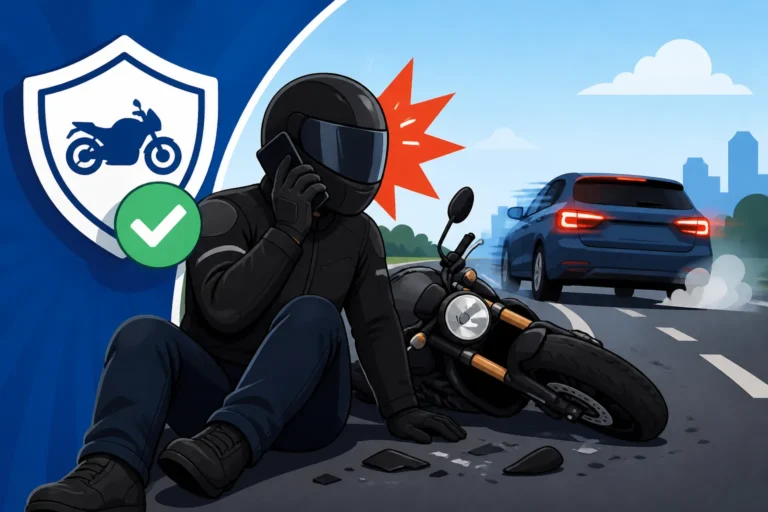
First and foremost, assess your and any passenger's physical condition. If anyone is injured, even if it seems minor, call 911 immediately. In Georgia, as in most places, medical attention is paramount. Don't try to move if you feel pain, especially in your neck or back. Wait for emergency responders to arrive and follow their instructions. It's not uncommon for adrenaline to mask injuries, so even if you feel okay, getting checked out by paramedics or visiting an urgent care center later is always a smart move. Delaying medical treatment can not only jeopardize your health but also make it harder to link injuries directly to the accident when it comes to your claim.
Once immediate safety and medical needs are addressed, if it's safe to do so, move your motorcycle out of the flow of traffic to prevent further incidents. If your bike is too damaged to move or doing so would put you at risk, leave it in place and focus on getting yourself to a safe spot away from passing vehicles. Use flares or reflective triangles if you have them, especially if visibility is poor.
Documenting the Scene and Gathering Information
This is where your inner detective needs to come out, even if you’re shaken. Comprehensive documentation is the bedrock of a strong insurance claim. Start by calling the police to report the accident. In Georgia, if there are injuries, fatalities, or significant property damage, a police report is typically mandatory. The officer will create an official record, which is incredibly valuable for your insurance claim. Make sure to get the police report number and the contact information for the responding officers.
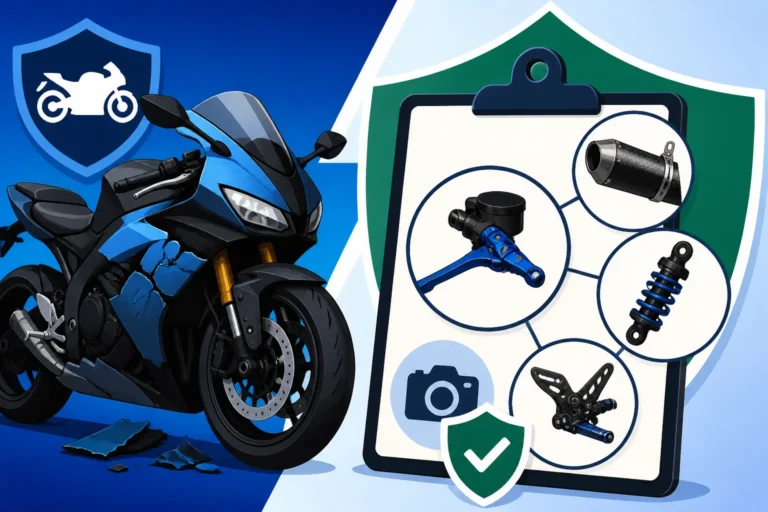
While waiting for the police, or if they don't respond, take as many photos and videos as you possibly can with your phone. Capture the scene from multiple angles, showing the position of vehicles, damage to your motorcycle and other vehicles, road conditions, traffic signals, skid marks, and any relevant surroundings like debris or landmarks. Don't forget to take close-ups of specific damage on your bike, including any custom parts that might be covered by your policy. Additionally, exchange information with all other parties involved: names, phone numbers, insurance company names and policy numbers, driver’s license numbers, and license plate numbers. If there are any witnesses, politely ask for their contact information as well; their unbiased account can be priceless.
Notifying Your Insurance Company Promptly
Once you’re in a safe place and have handled the immediate aftermath, contact your motorcycle insurance provider as soon as possible. Even if you're unsure about fault or the extent of damage, an early notification is crucial. Most policies require you to report accidents within a certain timeframe. When you call, you'll provide a basic overview of what happened. Stick to the facts you know for certain and avoid speculating or admitting fault. Let the insurance company, whether it’s a big name like Progressive or a specialist insurer, initiate the investigation process. They will assign an adjuster to your case who will guide you through the next steps, but your initial contact sets the ball rolling. This step is a critical component of How to File a Motorcycle Insurance Claim, ensuring you meet policy deadlines.
Navigating the Georgia Claim Process
Once the initial shock wears off and you've made that first call to your insurer, the real work of the claims process begins. This phase involves a lot of communication, investigation, and understanding the specifics of Georgia's insurance laws.
Understanding Georgia's At-Fault Insurance Laws
Georgia operates under an "at-fault" or "tort" system for car and motorcycle accidents. This means that the person who is determined to be at fault for causing the accident is responsible for paying for the damages and injuries of all parties involved. In practice, this usually means that your damages will be covered by the at-fault driver's liability insurance. However, if you are found to be partially at fault, Georgia follows a modified comparative negligence rule. If you are 50% or more responsible for the accident, you cannot recover damages from the other party. If you are less than 50% at fault, your recoverable damages will be reduced by your percentage of fault. For example, if you sustained $10,000 in damages but were found to be 20% at fault, you would only be able to recover $8,000. This is a critical aspect to remember when discussing the incident with adjusters.
The police report you obtained at the scene will be a significant factor in determining fault, but your insurance company will also conduct its own investigation. They might gather witness statements, review photographs, and even reconstruct the accident if necessary. It’s also wise to review the various Types of Motorcycle Insurance Coverage Explained, so you know exactly what your policy entitles you to.
Working with Insurance Adjusters and Documenting Damages
After you report the claim, an insurance adjuster from either your company or the at-fault driver's company (or both) will contact you. This person's job is to investigate the claim, determine fault, and assess damages. Be prepared to provide all the information you collected at the scene, including photos, witness contacts, and the police report number. When speaking with the adjuster, be factual and honest, but remember they represent their company's interests. Avoid making definitive statements about fault or the full extent of your injuries until you've had a chance to consult with a medical professional and potentially a legal expert.
Keep a detailed log of all communications with insurance companies, including names, dates, times, and summaries of conversations. Document all your medical appointments, treatments, and expenses. For your motorcycle, obtain repair estimates from reputable motorcycle shops. If your bike is extensive damaged or "totaled," the adjuster will determine its actual cash value. If this happens, knowing How to Negotiate a Motorcycle Total Loss Settlement will be very helpful. Remember to keep receipts for any out-of-pocket expenses related to the accident, like towing fees or rental transportation.
Understanding Your Coverage Options and Payouts
Your motorcycle insurance policy is your safety net, and understanding its components is vital. In Georgia, all riders are required to carry a minimum amount of liability insurance. This usually means coverage for bodily injury (per person and per accident) and property damage. For example, the minimums are often expressed as 25/50/25, which means $25,000 for bodily injury per person, $50,000 for bodily injury per accident, and $25,000 for property damage per accident. However, these Minimum Liability Insurance Explained (The Three Numbers) are often not enough to cover serious accidents.
Beyond liability, you might have other coverages that come into play:
- Collision Coverage: This pays for damage to your motorcycle if you hit another vehicle or object, regardless of fault.
- Comprehensive Coverage: This covers non-collision incidents like theft, vandalism, fire, or hitting an animal.
- Uninsured/Underinsured Motorist (UM/UIM) Coverage: This is incredibly important in Georgia. It protects you if the at-fault driver doesn't have insurance or doesn't have enough insurance to cover your damages. You can read more about it in our guide on Uninsured & Underinsured Motorist Coverage (UM/UIM).
- Medical Payments (MedPay): This covers medical expenses for you and your passenger, regardless of fault, up to a certain limit. For more details, refer to What Is Medical Payments (MedPay) for Riders?.
Your payout will depend on the type of coverage, the extent of the damages, and the determined fault. The adjuster will process the information and make an offer. This is where your detailed documentation becomes crucial to ensure you receive a fair settlement.
Key Considerations for Georgia Motorcycle Claims
Even with a solid understanding of the process, motorcycle claims in Georgia can present unique challenges. Being prepared for these can help you avoid common pitfalls and ensure a smoother resolution.
Dealing with Uninsured Motorists and Legal Recourse
One of the biggest anxieties for riders is encountering an uninsured or underinsured motorist. Despite Georgia's mandatory insurance laws, it happens. If you're hit by a driver without sufficient insurance, your UM/UIM coverage will be your primary recourse. If you don't have this coverage, things can become significantly more complicated. You might have to pursue the at-fault driver directly, which can be a lengthy and often frustrating legal battle to recover funds from an individual who likely doesn't have substantial assets. This is why our guide on Penalties for Riding Without Insurance highlights the serious repercussions for those who don't comply.
In cases involving serious injuries, disputes over fault, or uninsured drivers, consulting with a personal injury attorney experienced in motorcycle accidents in Georgia is highly recommended. They can help you navigate complex legal terrain, negotiate with insurance companies, and represent your interests if a lawsuit becomes necessary. Remember, How Long Does a Motorcycle Insurance Claim Take? can vary greatly, especially when legal complexities are involved.
Timelines, Statutes, and Potential Pitfalls
Georgia has specific statutes of limitations that dictate how long you have to file a lawsuit after an accident. Generally, you have two years from the date of the accident to file a personal injury lawsuit and four years for property damage. While this is distinct from the timeframe to report a claim to your insurer, it underscores the importance of not delaying the process.
A common pitfall riders face is accepting the first settlement offer without fully understanding the long-term impact of their injuries or the true cost of repairs. Insurance adjusters are looking to settle claims efficiently and, often, for the lowest possible amount. Don't feel pressured to accept an offer immediately. Take your time to review it, especially if you're still undergoing medical treatment or your motorcycle’s full repair costs haven't been finalized. Gathering all your evidence and consulting with a trusted mechanic or medical professional before agreeing to a settlement is always the best strategy.
Future Rates and Shopping for Coverage
After you've successfully handled your claim, you might wonder how it will affect your future motorcycle insurance rates. Filing a claim, especially one where you were at fault, can lead to increased premiums. However, if the accident was not your fault, your rates shouldn't significantly jump. It’s a good idea to monitor your rates and periodically shop around for new coverage. This is where comparison tools like The Zebra can be incredibly useful, allowing you to quickly compare quotes from multiple providers. Even if you've been a loyal customer of a company like Progressive, it never hurts to see if another insurer can offer better rates or more comprehensive coverage, especially after a claim. Understanding What Affects Your Motorcycle Insurance Rate? can also help you identify areas where you might be able to save.
Below is a quick checklist to help you ensure you're on track during your claim.
| Action Item | Status Check | Notes |
|---|---|---|
| Immediate Safety | Call 911 for injuries? Moved to safety (if possible)? | First priority: physical well-being. |
| Police Report | Did you get a police report number and officer contact? | Essential for claim, helps establish fault. |
| Scene Documentation | Photos/videos taken? Witness contact info? Other driver's info? | More evidence is better. |
| Initial Insurance Notification | Contacted your insurer promptly? Claim reported? | Don't delay; stick to facts, avoid admitting fault. |
| Medical Treatment | Sought medical attention for all injuries? Following doctor's orders? | Crucial for health and claim validity. Keep all records. |
| Damage Estimates | Obtained repair estimates for your motorcycle? | Get multiple quotes if possible. |
| Communication Log | Keep detailed records of all interactions with adjusters? | Dates, times, names, conversation summaries. |
| Review Policy Coverage | Understand your liability, collision, comprehensive, UM/UIM, MedPay? | Know what you're entitled to. |
| Legal Consultation (if needed) | Considered talking to an attorney for serious injuries/disputes? | Especially for complex cases or if you're seriously injured. |
| Review Settlement Offer | Fully evaluated any offers? Not rushed into acceptance? | Ensure all damages, medical costs, and potential future expenses are covered. |
Navigating a motorcycle insurance claim in Georgia can be a bumpy road, but by staying informed, organized, and proactive, you can protect your rights and ensure you receive a fair outcome. Always remember, you don't have to go through it alone.
Disclaimer
Please remember that this article provides general information about handling motorcycle insurance claims in Georgia and is not a substitute for professional legal or insurance advice. Every accident and policy is unique, and laws can change. You should always consult with your insurance provider or a qualified legal professional for advice tailored to your specific situation.