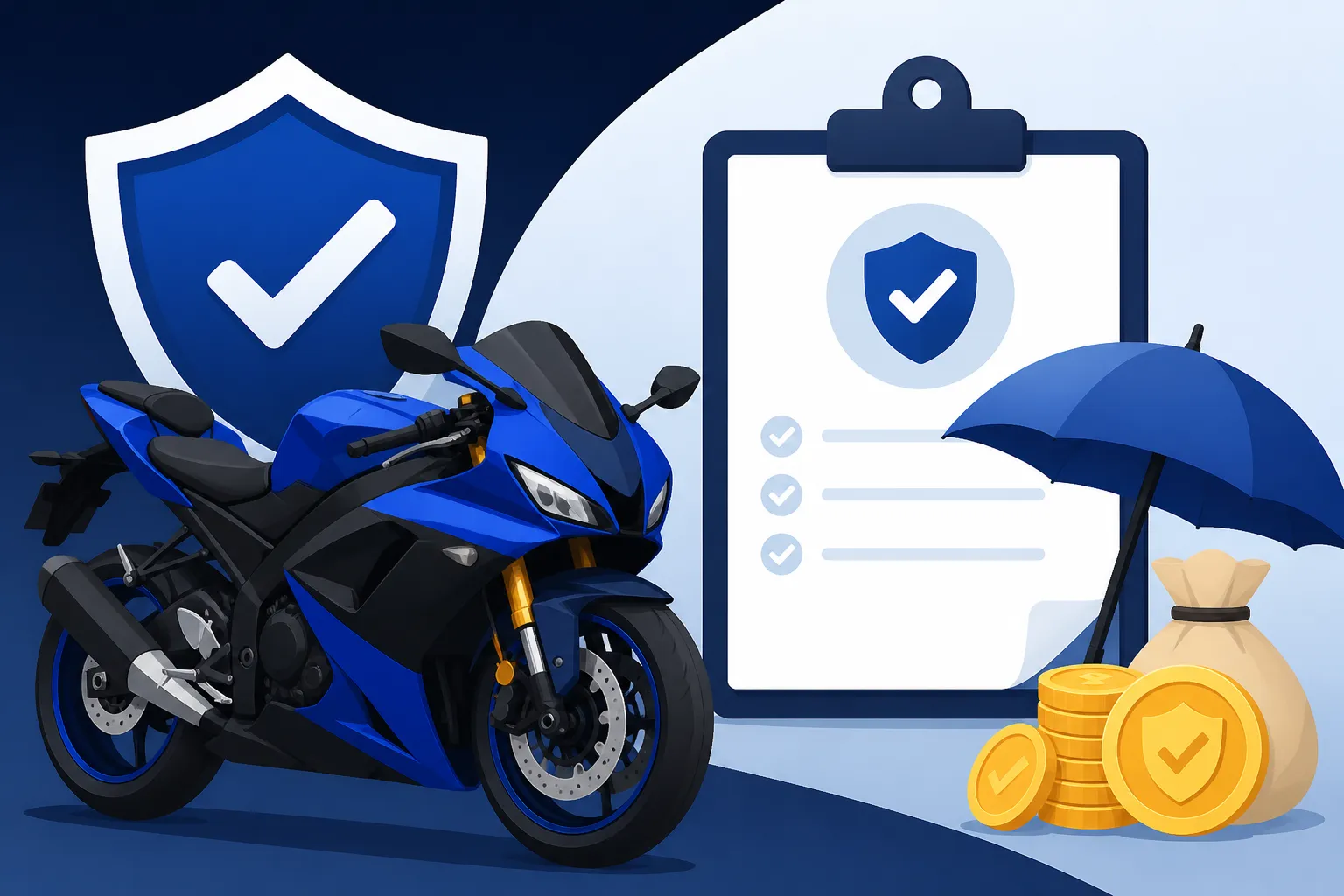
Yamaha R6 Insurance Cost
So, you're dreaming of that Yamaha R6, or maybe you already have one gracing your garage, and now you're wondering, "How much is this beauty going to set me back in insurance premiums?" It's a question that keeps many riders up at night, especially when you know that high-performance sport bikes like the R6 often come with an equally high sticker price for coverage. You're not alone in feeling this little pang of anxiety; balancing the thrill of the ride with the practicalities of protection is a common conundrum for sport bike enthusiasts. This guide is here to shed some light on the sometimes-confusing world of Yamaha R6 insurance costs, helping you understand the variables and offering actionable ways to potentially ease the financial burden.
Why Yamaha R6 Insurance Tends to Be More Expensive
Let's be real: a Yamaha R6 isn't just any motorcycle. It's a supersport machine, built for exhilarating performance, precision handling, and, let's face it, speed. While that's exactly what draws many of us to it, it's also a big reason why insurance companies often view it as a higher risk. They're not judging your riding skills personally, but they look at the statistics associated with bikes like yours.
The "Sport Bike" Classification and Risk Factors
Insurance companies categorize motorcycles, and the Yamaha R6 falls squarely into the "sport bike" or "supersport" category. This classification isn't arbitrary; it's based on a few key characteristics that influence risk. For starters, these bikes boast powerful engines, often high-revving 600cc units that can accelerate incredibly quickly. This inherent capability for high speeds, unfortunately, correlates with a higher statistical likelihood of severe accidents. It's a numbers game for insurers, and the data often shows that sport bike riders, especially younger ones, tend to have more claims, and those claims are often more costly due to the nature of high-speed impacts.
Beyond the engine, the R6's aggressive ergonomics, light frame, and advanced braking systems are designed for performance riding, which can sometimes lead to more intense incidents than, say, a laid-back cruiser. The cost to repair a damaged R6 can also be substantial. Many of its components are specialized, lightweight, and expensive, especially fairings, suspension parts, and engine components. A minor tip-over might just scratch a cruiser, but on an R6, it could mean replacing an entire fairing panel that costs hundreds, if not thousands, of dollars.
High Theft Rates for Popular Models
Another significant factor contributing to higher insurance premiums for the Yamaha R6 is its popularity among thieves. Sport bikes, particularly well-known models from major manufacturers like Yamaha, Honda, and Kawasaki, are unfortunately prime targets for theft. They are highly desirable, often easy to quickly sell for parts or transport across borders. If you live in an urban area or a region with higher vehicle theft rates, your R6 is statistically more likely to be stolen than a less common or less "hot" model.
Insurance companies factor these regional and model-specific theft statistics into your comprehensive coverage premium. They're essentially pricing in the higher probability that they might have to pay out for a stolen bike. This is why you'll often see your comprehensive portion of the premium jump if you own a bike that's frequently on the "most stolen" lists. Having robust anti-theft devices, like disc locks, chain locks, or even GPS trackers, can sometimes help mitigate this risk in the eyes of an insurer, but the underlying risk associated with the model itself remains.
Average Yamaha R6 Insurance Costs: What to Expect
Let's talk numbers, or at least the general ballpark, because pinning down an exact average for your specific situation is nearly impossible without getting quotes. The truth is, there's a huge range when it comes to Yamaha R6 insurance costs, which can feel incredibly frustrating when you just want a straight answer. You might hear one rider boasting about a low premium, while another with a seemingly similar bike and profile is paying double. This variability is precisely why shopping around is so crucial, as we'll discuss later.
Typical Cost Ranges for Different Coverage Levels
For a Yamaha R6, especially a newer model, you're generally looking at premiums that are on the higher end of the motorcycle insurance spectrum.
For basic liability-only coverage, which covers damages and injuries you might cause to others in an accident, riders might see costs ranging from around $300 to $800 per year. However, this is usually the absolute minimum and leaves your own R6 completely unprotected. Most R6 owners, especially those with newer bikes or financed bikes, will opt for full coverage.
When it comes to full coverage, which typically includes liability, comprehensive (for theft, vandalism, natural disasters), and collision (for damage to your bike in an accident), the costs can jump significantly. For a new or relatively new Yamaha R6, full coverage premiums can easily range from $1,000 to $3,000+ per year. For younger riders or those with a less-than-perfect driving record, these figures can be even higher, sometimes pushing past $4,000 or $5,000 annually, depending on their location and specific risk factors.
Here's a simplified hypothetical breakdown to give you a clearer picture, understanding that these are illustrative and your personal quote will vary:
| Rider Profile | Coverage Type | Estimated Annual Cost Range |
|---|---|---|
| Experienced Rider | Liability-Only | $300 – $600 |
| (30s+, clean record) | Full Coverage | $1,000 – $2,000 |
| Young/New Rider | Liability-Only | $600 – $1,200 |
| (Under 25, new license) | Full Coverage | $2,500 – $5,000+ |
| Average Rider | Liability-Only | $450 – $800 |
| (Mid-20s-30s, few years exp.) | Full Coverage | $1,800 – $3,500 |
Remember, these figures are just rough estimates. Your actual premium will be a unique calculation based on a multitude of individual details. You can read more about what these different coverage types entail in a guide like this: Types of Motorcycle Insurance Coverage Explained.
Regional Variations Across the U.S.
Where you live can have a massive impact on your Yamaha R6 insurance costs. Insurance rates are heavily influenced by local factors such as population density, accident rates, theft rates, weather patterns, and even the local cost of repairs and medical care. For instance, if you live in a densely populated urban area like Los Angeles, California, or Miami, Florida, you can generally expect higher premiums than someone living in a rural town in, say, Iowa or North Dakota.
States with higher accident rates or more stringent minimum liability requirements will also often see higher average premiums. For example, states like Michigan, known for its "no-fault" auto insurance system (which can sometimes extend to motorcycles, though less commonly), or those like Florida with high numbers of uninsured motorists, might present a higher risk profile to insurers. On the flip side, states with lower population densities and fewer reported accidents often enjoy lower average rates. It's not just the state; even within a state, a difference in zip code can mean hundreds of dollars in annual premium variation. This is why two riders with identical R6s and similar profiles might pay vastly different amounts if one lives in a bustling city and the other in a quiet suburb. You can learn more about specific state requirements by checking out our comprehensive guide on Motorcycle Insurance Requirements by State (2026 Guide).
Factors That Heavily Influence Your Yamaha R6 Premium
Beyond the fact that you own a sport bike, several other factors play a significant role in determining how much you'll pay for your Yamaha R6 insurance. These are the elements you can sometimes influence or at least understand to make more informed decisions about your policy.
Your Rider Profile: Age, Experience, and Driving Record
This is perhaps one of the most impactful factors. Insurance companies are big on statistics, and they've found that certain rider demographics present higher risks.
Younger riders, especially those under 25, typically face the highest premiums. Why? Statistically, they are involved in more accidents and serious incidents due to less experience and, sometimes, a higher propensity for risk-taking behavior. If you're a teenager or in your early twenties just getting your motorcycle endorsement, prepare for your R6 premiums to be significantly higher. For example, a 20-year-old in Texas might pay double or triple what a 40-year-old rider with a similar bike would pay.
Similarly, your riding experience plays a crucial role. A rider with a decade of clean riding history will almost always pay less than someone who just got their license last year. A clean driving record is paramount. Any tickets, especially for speeding or reckless driving, will immediately flag you as a higher risk and drive up your rates. A DUI or a major at-fault accident can send your premiums soaring for years, and in some cases, you might even require an SR-22 filing, which signifies a high-risk driver and comes with its own set of increased costs. Understanding what affects your rate is crucial, and we delve deeper into that in our article, What Affects Your Motorcycle Insurance Rate?
Coverage Choices and Deductibles
The specific types and amounts of coverage you choose for your Yamaha R6 will directly impact your premium.
- Liability Coverage: This is the bare minimum required by most states, covering damages and injuries you cause to others. The higher your liability limits, the more expensive your premium. While choosing the minimum might seem cheaper upfront, it leaves you vulnerable to massive out-of-pocket expenses if you're involved in a serious accident that exceeds those limits.
- Collision Coverage: This pays for damage to your R6 if you hit another vehicle or object, or if it tips over. Given the R6's repair costs, this is often a substantial part of the premium.
- Comprehensive Coverage: This covers non-collision events like theft, vandalism, fire, or hitting an animal. As mentioned, because sport bikes like the R6 are theft targets, this coverage can be a significant cost.
- Uninsured/Underinsured Motorist (UM/UIM): This protects you if you're hit by a driver who doesn't have enough (or any) insurance. In many states, this is a lifesaver for riders, as too many car drivers skimp on coverage.
- Medical Payments (MedPay) or Personal Injury Protection (PIP): These cover medical expenses for you and your passengers, regardless of fault.
- Accessories & Custom Parts Coverage: If you've tricked out your R6 with aftermarket exhausts, new levers, or fancy fairings, you'll need this add-on to cover their value in case of damage or theft.
Choosing higher deductibles for collision and comprehensive coverage can lower your premium. A deductible is the amount you pay out-of-pocket before your insurance kicks in. For example, opting for a $1,000 deductible instead of a $500 one might save you a few hundred dollars on your annual premium. However, you need to be sure you can afford that higher amount if you do have a claim. This balance between premium and deductible is a personal financial decision. For a more detailed look at coverage, check out our guide on How Much Is Full Coverage Motorcycle Insurance?
Where You Live and Where Your Bike is Stored
We touched on regional variations, but let's dive a little deeper. Your exact zip code can swing your rates significantly. If you're in an area with high traffic, a high concentration of motorcycle accidents, or a notorious hotbed for motorcycle theft, your premium will reflect that increased risk. For example, an R6 owner in downtown Austin, Texas, might pay more than one in a quieter Texas Hill Country town.
How and where you store your Yamaha R6 also matters to insurers. Parking your bike in a locked, secure garage or a private, gated community is often seen as less risky than leaving it on the street or in an unsecured carport. Some insurers even offer discounts for specific anti-theft devices or if your bike is kept in a monitored storage facility during the off-season. Make sure to accurately disclose your storage situation when getting quotes, as it can influence your rates.
Strategies to Lower Your Yamaha R6 Insurance Cost
Alright, now for the good stuff: how can you take the edge off those potentially high Yamaha R6 insurance premiums? While you can't change the R6's classification as a sport bike, there are definitely things you can do to make your policy more affordable without sacrificing essential protection.
Take a Motorcycle Safety Course
This is often one of the most effective ways to show insurers you're a responsible rider. Completing a Motorcycle Safety Foundation (MSF) course, or a similar state-approved rider education program, can often qualify you for a significant discount on your insurance premium. Many insurance companies, including major players like Progressive and Dairyland, offer these discounts because they know that educated riders are safer riders.
Beyond the discount, these courses genuinely improve your skills and awareness, making you less likely to be involved in an accident in the first place. For new riders, it's almost a no-brainer – you gain valuable experience and save money. For experienced riders, it's a fantastic refresher and still earns you that discount. It's a win-win situation for both your wallet and your safety. You can find more information about this benefit in our article: Does a Motorcycle Safety Course Lower Insurance?
Maximize Available Discounts
Never underestimate the power of discounts! Insurance companies offer a surprising array of ways to save money, but you often have to ask about them or know they exist. Here are some common ones that might apply to your Yamaha R6 policy:
- Multi-Policy/Bundling Discount: This is huge. If you have car insurance, home insurance, or renter's insurance with the same company, bundling your motorcycle policy with them can often lead to substantial savings across all your policies. The Zebra, for instance, often highlights bundling as a key way to save money when comparing rates.
- Multi-Bike Discount: If you insure more than one motorcycle with the same carrier, you'll often get a discount on each policy.
- Good Rider/Safe Driver Discount: For maintaining a clean driving record over several years (no tickets, no at-fault accidents), you can be rewarded with lower rates.
- Anti-Theft Device Discount: Installing an approved alarm system, GPS tracker, or even just using a high-quality disc lock can sometimes earn you a discount, especially on comprehensive coverage.
- Paid-in-Full Discount: Paying your annual premium upfront instead of in monthly installments often nets you a small discount.
- Motorcycle Club/Association Discount: Some insurers offer discounts for members of certain riding clubs or associations.
- Seasonal Lay-Up Coverage: If you store your R6 for several months during winter, some insurers allow you to reduce your coverage to comprehensive-only during that period, saving you money on collision and liability while it's not being ridden.
- Homeowner Discount: Being a homeowner (even if you don't bundle your home insurance) sometimes qualifies you for a discount.
Always ask your agent or check online for every discount you might be eligible for. You might be surprised at how much you can save by stacking a few of these. Our guide on Motorcycle Insurance Discounts You're Missing has even more ideas.
Shop Around and Compare Quotes
This is, hands down, the single most important piece of advice for getting affordable Yamaha R6 insurance. Do not settle for the first quote you get, or simply renew with your existing car insurance company without checking elsewhere. Different insurance companies have different underwriting models, risk assessments, and target demographics. What might be expensive for you at one company could be surprisingly affordable at another.
Use online comparison tools or work with an independent agent who can shop multiple carriers for you. Websites like The Zebra allow you to input your information once and receive quotes from several different providers, making the comparison process much easier. You might find that companies specializing in motorcycle insurance, such as Dairyland or Markel, offer more competitive rates for sport bikes than a general auto insurer, or vice versa. Getting at least 3-5 quotes is a good rule of thumb. Do this every year or two, even if you're happy with your current insurer, as rates can change. The market is constantly shifting, and a new provider might emerge with a better deal for your specific rider profile and R6. Learn more about comparing quotes here: How to Compare Motorcycle Insurance Quotes.
Adjust Your Coverage Thoughtfully
While you never want to under-insure yourself, there are ways to be smart about your coverage choices.
- Review Your Comprehensive and Collision Deductibles: Can you comfortably afford a higher deductible ($1,000 or $1,500) if it significantly lowers your annual premium? If so, this is an easy way to save money, assuming you have an emergency fund for that deductible.
- Consider the Value of Your Bike: If your Yamaha R6 is an older model that has significantly depreciated, you might re-evaluate whether you need maximum full coverage. For example, if an older R6 is only worth $4,000, paying $2,000 a year for full coverage might not be the most financially sound decision, especially if the cost to replace it out-of-pocket wouldn't be crippling. You could potentially switch to liability-only or raise your deductibles significantly. However, if your R6 is financed, your lender will almost certainly require full coverage, regardless of its age or value.
- Assess Add-On Coverages: Do you truly need roadside assistance from your insurer if you already have it through a membership like AAA or through your motorcycle manufacturer's warranty? Do you have expensive custom parts that must be covered, or are you comfortable self-insuring minor modifications? Every add-on, while valuable, adds to your premium.
Being a smart consumer means knowing what you're paying for and making sure it aligns with your bike's value, your financial situation, and your risk tolerance.
Disclaimer
This article is for general informational purposes only and does not constitute professional advice. Laws, prices and regulations vary by location and change over time. Consult a qualified professional for guidance on your specific situation.