Is It Cheaper to Add a Motorcycle to Auto Insurance?
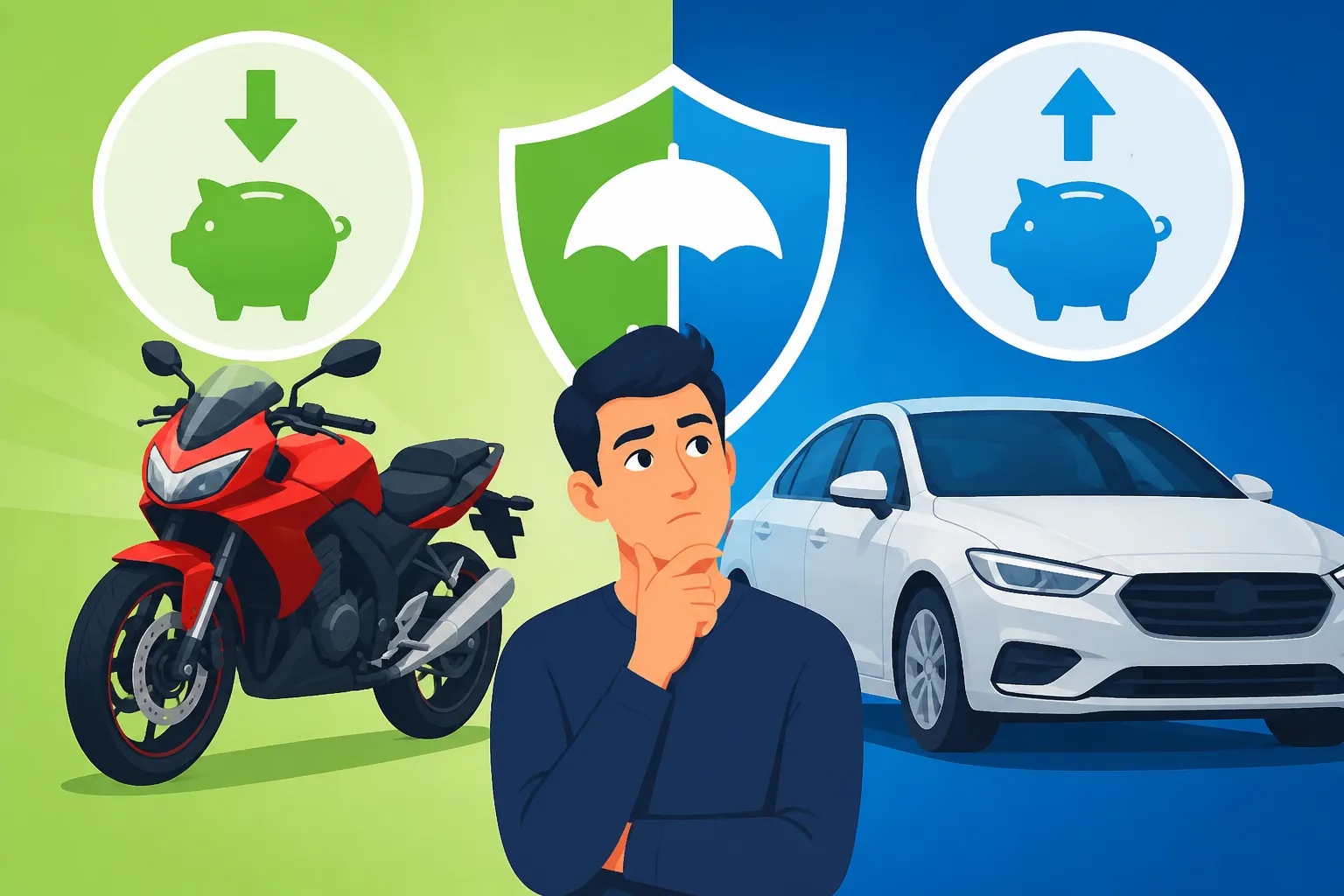
Many riders grapple with the perennial question of how to save a few bucks on insurance, and one common thought that pops up is, "Wouldn't it just be easier and cheaper to add my motorcycle to my existing car insurance policy?" It feels logical, right? One company, one bill, maybe a sweet multi-policy discount. But the truth is, while bundling can offer savings and convenience, it's not always the cheaper or better option for every rider. Let's really dig into this and figure out if adding your bike to your auto policy makes financial sense for you.
Understanding Bundling and Separate Policies
Before we can even talk about which option might be cheaper, it’s crucial to understand what each approach entails. It’s not just semantics; the underlying structure can significantly impact your coverage, costs, and even how you manage your policies.
What Is Bundling Your Policies?
Bundling, in the insurance world, means purchasing multiple types of insurance (like auto, home, renters, and yes, motorcycle) from the same insurance provider. The primary appeal of bundling is often the "multi-policy discount" that insurers offer as an incentive to keep all your business with them. Imagine you already have your car insured with, say, Progressive, and now you buy a new Harley-Davidson. Bundling would mean adding that Harley to your existing Progressive account, ideally receiving a discount on both your car and motorcycle premiums. It streamlines your insurance management, as you typically deal with one company, one set of paperwork, and one renewal date, which can be a huge convenience for busy folks.
However, it's not always a perfect fit. Some major auto insurers might offer motorcycle coverage, but it might be through a subsidiary or partner company, which can subtly change the "bundling" experience. For instance, while you might get a multi-policy discount, the actual motorcycle policy might operate somewhat independently, meaning claims or service for your bike might go through a different department or even a different underwriting company. It’s important to clarify these details when you're getting quotes.
What Is a Separate Motorcycle Policy?
A separate motorcycle policy, on the other hand, means you're buying insurance for your motorcycle independently from your car insurance. You might have your car with Geico and your motorcycle with Dairyland, for example. This approach means you'll have two separate insurance companies, two separate bills, and potentially two different renewal cycles to keep track of.
While it might seem less convenient on the surface due to the extra administrative work, this route often opens up a wider array of specialized motorcycle insurers who might offer more tailored coverage options, better rates for specific bike types, or simply a deeper understanding of the unique risks associated with riding. Companies like Markel or Harley-Davidson Insurance specialize specifically in motorcycles and often have policies designed with riders in mind, offering coverages you might not find with a general auto insurer, such as coverage for custom parts and accessories or helmet and gear protection. Many riders find that by shopping around for a standalone policy, they can often find more competitive rates and better coverage that truly fits their needs, even without a multi-policy discount. For a deeper dive, check out our guide on Separate Motorcycle Policy vs Adding to Auto.
Factors Influencing Cost Differences
Deciding whether to bundle or get a separate policy really comes down to understanding the various factors that sway insurance costs. There isn't a one-size-fits-all answer because your premium is a complex calculation based on a multitude of personal and external elements.
Rider Profile and Experience
Your personal riding history and demographics play a massive role in how insurers price your policy.
- Age and Experience: Younger, less experienced riders, particularly those under 25, are generally considered higher risk. They might see higher premiums regardless of whether they bundle or not. Conversely, seasoned riders with years of clean driving and riding records often qualify for better rates. If you're a new rider, exploring options specifically designed for beginners might yield surprising results.
- Driving/Riding Record: A clean record—no accidents, no traffic violations, no DUIs—is your golden ticket to lower rates. If you have a few dings on your car record, bundling might mean those same dings also negatively impact your motorcycle premium, even if your riding record is spotless. Conversely, if your car record is pristine but you have a past motorcycle infraction, a separate policy might allow you to get better rates from a different insurer who weighs factors differently.
- Safety Courses: Completing a motorcycle safety course, like those offered by the Motorcycle Safety Foundation (MSF), is almost universally recognized by insurers as a way to reduce your risk. Many companies offer discounts for this, whether bundled or not. This is one of the best ways to lower your rate when you're starting out.
Motorcycle Type and Value
The bike you ride is a huge determinant of your insurance costs.
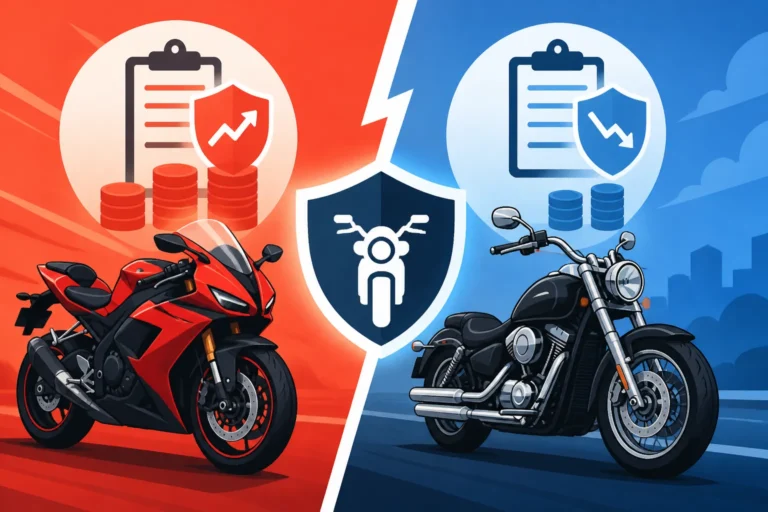
- Sport Bikes vs. Cruisers: High-performance sport bikes, like a Yamaha R6 or a Ducati Panigale, are statistically associated with higher speeds and more severe accidents, making them more expensive to insure. Cruisers, touring bikes, or standard motorcycles, such as a Honda Rebel or a Harley-Davidson Street Glide, are generally cheaper to insure due to their lower risk profile.
- Bike Value and Customizations: The more expensive your motorcycle, the more it will cost to repair or replace, which directly translates to higher comprehensive and collision premiums. If you’ve invested heavily in custom parts, aftermarket exhaust, or unique paint jobs, you'll need specialized coverage for those modifications. Some general auto insurers might not offer robust custom parts coverage, or it might be an expensive add-on, making a specialized motorcycle insurer a more attractive option. For a detailed look at this, read our post on Accessories & Custom Parts Coverage Explained.
- Theft Rates: Certain motorcycle models are more frequently targeted by thieves. For example, popular sport bikes tend to have higher theft rates, which can drive up comprehensive coverage costs.
Coverage Needs and Discounts
What you need your policy to cover is just as important as the bike you ride.
- Minimum vs. Full Coverage: Most states require at least liability insurance to ride legally. However, if you finance your bike, your lender will almost certainly require full coverage, including collision and comprehensive. The more coverage you opt for, the higher your premium will be. Often, the savings from bundling are most noticeable on liability-only policies, whereas full coverage might reveal less dramatic savings or even be more expensive when bundled if the primary insurer isn't competitive on their motorcycle collision/comprehensive rates. You can learn more about this in Types of Motorcycle Insurance Coverage Explained.
- Specific Motorcycle Coverages: Beyond basic liability, collision, and comprehensive, many riders need specialized coverages like roadside assistance, trip interruption, medical payments, or coverage for a passenger. Dedicated motorcycle insurers often have these options readily available and sometimes at better rates.
- Discounts: This is where bundling can shine. Multi-policy discounts, multi-bike discounts, safe rider discounts, motorcycle safety course discounts, and anti-theft device discounts are common. When you're comparing quotes, ensure you're getting all eligible discounts applied to both bundled and separate policies. A platform like The Zebra can help you see a wide range of quotes and compare potential discounts from different providers side-by-side. Our guide on Motorcycle Insurance Discounts You're Missing offers more insights into potential savings.
Insurance Company Specifics
Not all insurance companies are created equal, especially when it comes to motorcycle insurance.
- Underwriting Differences: Each insurer has its own algorithm and risk assessment models. What one company considers a high-risk factor, another might weigh less heavily. This means that company A might offer a great bundling discount but still have a higher base rate for your motorcycle than company B, which offers no bundling discount but has incredibly competitive motorcycle rates.
- Specialized vs. General Insurers: General auto insurers (like Geico, State Farm, Allstate) might offer motorcycle insurance, but it's often a secondary product. They might have a broad approach that doesn't account for the nuances of riding. Specialized motorcycle insurers (like Dairyland, Markel, Foremost) live and breathe motorcycles. Their policies are often more flexible, their claims processes might be more attuned to motorcycle repairs, and their pricing can sometimes be more competitive for specific rider profiles or bike types.
- Customer Service and Claims Experience: Beyond cost, consider the quality of service. A specialized insurer might offer a smoother experience if you ever need to file a claim for your bike, as their adjusters are typically more familiar with motorcycle damage and parts.
Pros and Cons of Each Approach
Let's lay out the benefits and drawbacks of both options so you can weigh them against your own priorities and situation.
Benefits of Bundling Your Policies
For many, the allure of bundling is strong, and for good reason. It offers several tangible advantages that go beyond just potential cost savings.
- Potential for Multi-Policy Discounts: This is the big one. Most major insurance carriers offer a discount when you combine your auto, motorcycle, home, or renters insurance. This discount can sometimes be significant, leading to overall lower premiums across all your policies. For example, if you already have a loyal relationship with a company like State Farm for your car and home, adding your motorcycle could net you a substantial discount on all three, making it very attractive.
- Simplified Management: Imagine having just one insurance company to deal with. One portal to log into, one customer service line to call, and often, one consolidated bill. This can save a lot of time and reduce the mental load of keeping track of multiple policies, deductibles, and renewal dates. It's especially appealing for those who prefer to keep their financial affairs as streamlined as possible.
- Consistent Coverage Standards (Potentially): While not always a guarantee, sometimes bundling means you're operating under a similar philosophical umbrella for all your policies. This can lead to a more consistent experience in terms of customer service and claims handling, as the company is familiar with your overall insurance profile. It can also sometimes simplify things if, for instance, a multi-vehicle accident involves both your car and your bike, though this is a rare scenario.
Advantages of a Standalone Motorcycle Policy
Don't dismiss the independent route too quickly. While it might seem less convenient, a separate policy can often be the smarter choice for dedicated riders.
- Access to Specialized Coverage: This is a huge advantage. Dedicated motorcycle insurers often offer coverages that general auto insurers either don't have or charge a premium for. We're talking about things like coverage for custom parts and accessories (often with higher limits), replacement cost coverage for new bikes, coverage for riding gear and helmets, and even trip interruption coverage if your bike breaks down far from home. If you have a highly customized bike, or simply want truly comprehensive protection tailored to a rider's specific needs, a specialized policy is often superior.
- Potentially Better Rates for Specific Bikes/Riders: While bundling offers discounts, sometimes a specialized motorcycle insurer can simply offer a lower base rate that even beats a bundled discount from a general provider. This is particularly true for high-risk bikes (like sport bikes) or for riders with specific needs that specialized carriers excel at covering. They might have better actuarial data for motorcycles and can price policies more accurately, often resulting in savings. This is why it's always wise to compare How Much Is Motorcycle Insurance? from multiple sources.
- Independent Claims Process: If you have an accident on your motorcycle, your motorcycle policy's claim process won't necessarily affect your auto policy's rates or claims history, assuming they are with different companies. This separation can be a relief if you're worried about one claim type impacting your rates across the board.
- Flexibility to Shop Around: Having separate policies means you're not tied to one insurer for everything. If your auto rates jump, you can shop for new auto insurance without disrupting your motorcycle policy, and vice-versa. This flexibility can ensure you're always getting the best deal on each type of insurance independently. A platform like The Zebra allows you to compare many different options easily.
Here’s a quick overview to help you visualize the comparison:
| Feature | Bundled Motorcycle Policy | Separate Motorcycle Policy |
|---|---|---|
| Potential Savings | Often from multi-policy discounts | Can be from specialized, competitive rates |
| Administrative Ease | High (one company, one bill, one login) | Lower (multiple companies, bills, logins) |
| Coverage Tailoring | Generally broader, less specialized | Highly specialized options for riders and bikes |
| Impact on Auto Policy | Motorcycle claims could impact auto rates | Claims generally independent |
| Flexibility to Shop | Less flexible, tied to one provider for multiple needs | High, can shop each policy independently for best rates |
| Claims Expertise | May vary, depends on general insurer's moto expertise | Often higher, specialized adjusters |
How to Determine the Cheapest Option for YOU
So, how do you cut through all this information and find out what truly saves you money? The answer isn't about guessing; it's about diligent research and comparison.
Gather Your Information
Before you even start getting quotes, make sure you have all your ducks in a row. This will make the quoting process much smoother and ensure accuracy.
- Your Personal Details: Have your driver's license number, date of birth, address, and social security number (some insurers might ask for it for credit checks).
- Vehicle Information: For your motorcycle, you'll need the make, model, year, VIN (Vehicle Identification Number), and any significant modifications or aftermarket parts you've added. For your car, have similar details ready.
- Riding History: Be prepared to answer questions about your riding experience, any completed safety courses, and your claims history (both car and motorcycle, even if they were with different insurers).
- Desired Coverage: Think about the types of coverage you want. Do you just need the Minimum Liability Insurance Explained (The Three Numbers) required by your state, or do you want full coverage, uninsured motorist, medical payments, and custom parts coverage? Knowing this beforehand will ensure you're comparing apples to apples across different quotes.
Get Multiple Quotes
This is the absolute most critical step. Never assume your current car insurer will automatically give you the best deal on your motorcycle, even with a bundling discount.
- Get a Bundled Quote from Your Current Auto Insurer: Start here. Ask your current car insurance provider how much it would cost to add your motorcycle to your existing policy, including any multi-policy discounts. Make sure they clearly outline what coverages are included for your bike.
- Get Separate Quotes from Other Major Auto Insurers: Don't stop at your current company. Contact other large insurers known for offering both auto and motorcycle policies, like Progressive or Geico. See what their bundled rates look like.
- Get Separate Quotes from Specialized Motorcycle Insurers: This is where many riders find hidden gems. Reach out to companies that specialize in motorcycle insurance, such as Dairyland, Markel, or Foremost. They might not offer auto insurance, so you won't get a bundle discount, but their standalone motorcycle rates could be surprisingly competitive, and their coverage options often better tailored. A platform like The Zebra can be incredibly useful here, allowing you to input your information once and get quotes from multiple providers, including both general and specialized insurers, saving you a ton of time. This helps you compare How to Compare Motorcycle Insurance Quotes efficiently.
Compare Coverages and Discounts Carefully
Once you have all your quotes, the real work begins. It’s not just about the bottom-line number; it’s about what that number actually buys you.
- Match Coverage Levels: Ensure that for every quote, you're comparing the exact same types of coverage and limits. If one bundled quote offers only basic liability for your bike, and a separate quote offers full coverage with custom parts protection, they aren't comparable even if the prices are similar.
- Scrutinize Deductibles: A lower premium might come with a higher deductible, meaning you pay more out-of-pocket if you have a claim. Make sure deductibles are consistent across your comparisons.
- Evaluate Discounts: Double-check that all applicable discounts are applied to each quote. Did one insurer miss your motorcycle safety course completion? Did another forget the multi-bike discount? Don’t leave money on the table.
- Consider Customer Service and Claims Reputation: Price isn't everything. Research the claims handling reputation of each company. A cheaper policy isn't worth much if they drag their feet on a claim or make the process a nightmare. Check online reviews and ratings from independent sources.
- Total Cost, Not Just Discount: Calculate the total annual cost for all your vehicles with each option. Sometimes, a huge bundling discount on your car might still result in an overall higher total cost if their motorcycle portion is very expensive. Look at the aggregate sum. For more on what impacts your rates, see What Affects Your Motorcycle Insurance Rate?.
Ultimately, there's no magic bullet for whether bundling or a separate policy is cheaper. It genuinely depends on your unique situation, your bikes, your driving record, and the specific insurance companies you're looking at. By taking the time to gather information, get multiple quotes (including from specialized motorcycle insurers), and carefully compare apples to apples, you'll be able to make an informed decision that saves you money and provides the right coverage for your two-wheeled adventures.
Disclaimer
Please remember that insurance laws and requirements vary by state and individual circumstances. This information is intended for general guidance only and does not constitute professional financial or legal advice. Always consult with a licensed insurance professional to discuss your specific needs and ensure you have adequate coverage.